Palace in Kruszyn: An 18th-Century Residence in Lower Silesia
Site at a Glance
- Popularity
- Medium
- Country
- Poland
- Primary era
- Early Modern
- Eras represented
- Early Modern, Modern
- Civilizations
- Habsburg, Habsburg Austria, Holy Roman Empire, Kingdom of Prussia
- Site type
- Domestic
- Remains
- Elite Residence
On this page6 sections
History
Construction and alterations
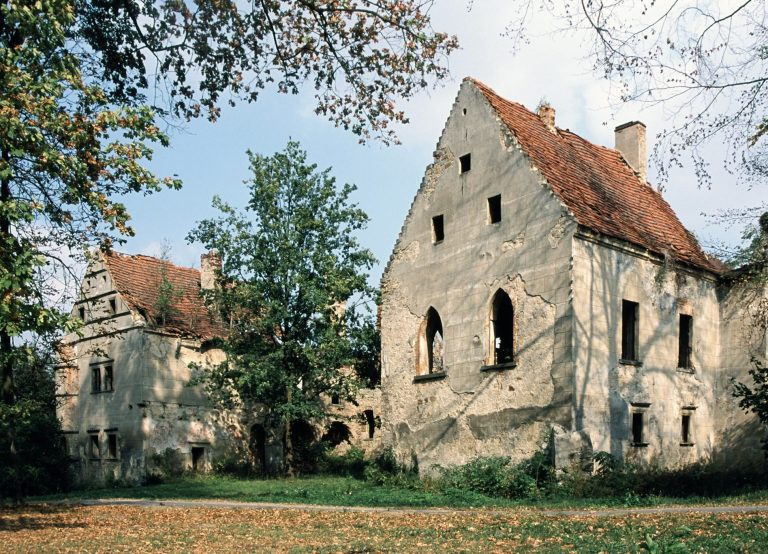
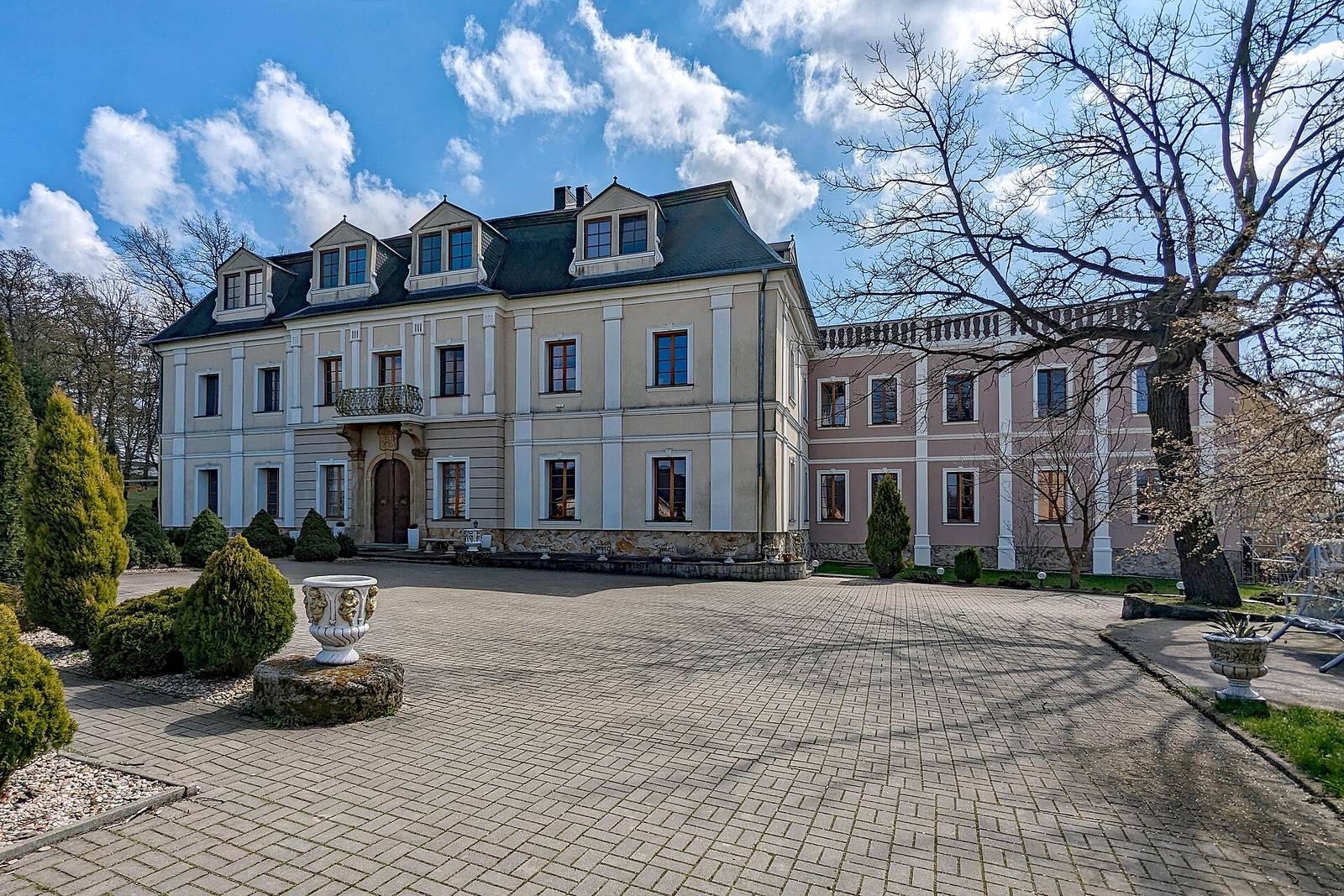
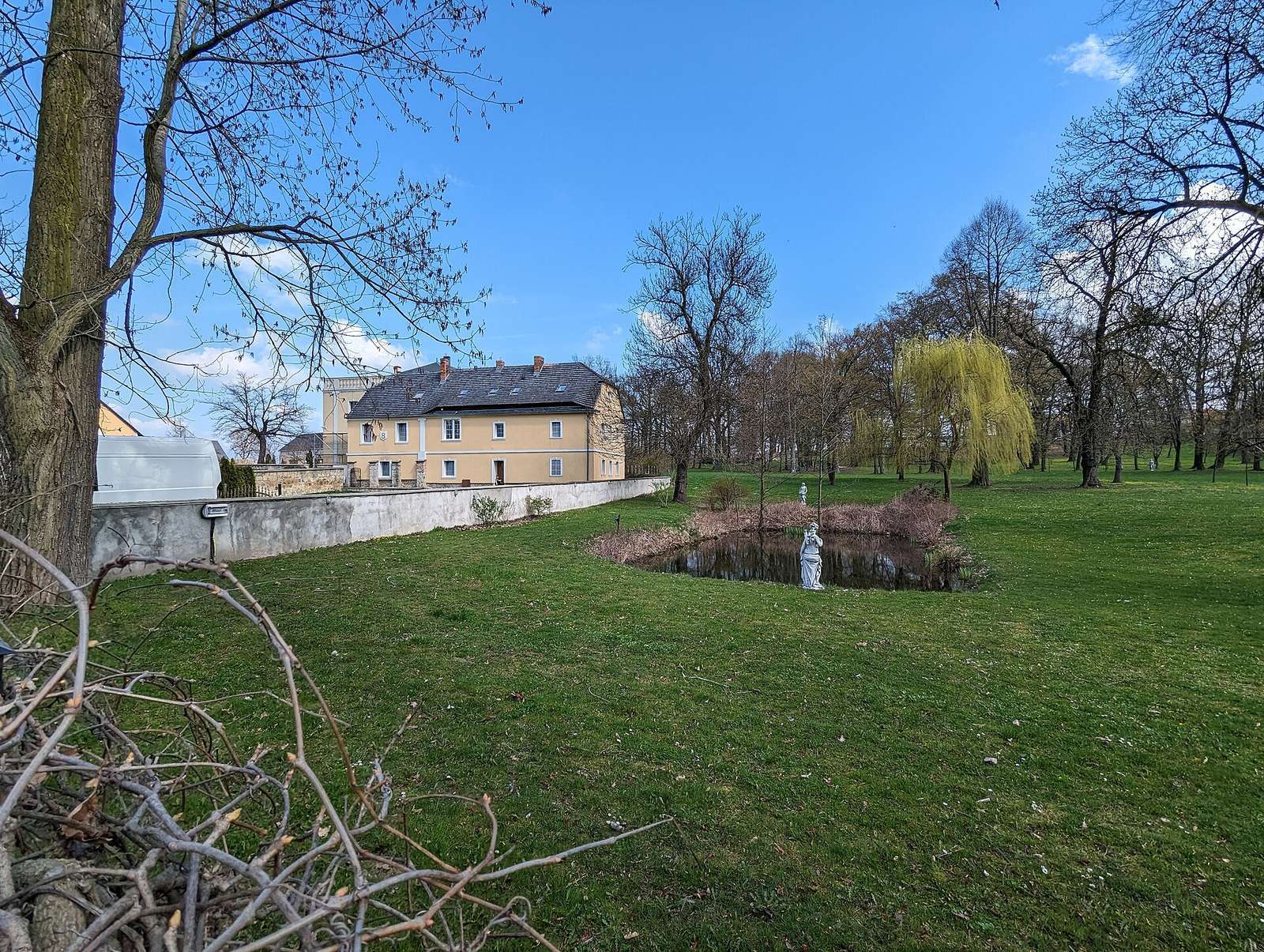
The Palace in Kruszyn is an 18th-century residence in Lower Silesia, Poland, built in 1729 on the site of a defensive manor, a manor house designed with defensive features. Its investor was Count Hans Friedrich von Falkenhayn, a hereditary nobleman and cavalry captain, an officer in a mounted force. The palace was altered in 1779 and again in 1854. Friedrich Magnus von Schlieffen, who was married to Augusta von Schönberg, carried out the 1854 changes.
Later ownership and restoration
The palace later belonged to a Polish State Agricultural Farm, a state-run agricultural enterprise. Its current owners, Lidia and Joel Beucher, a Polish-French couple, restored the palace, park, and neighboring farm buildings.
Remains
The palace forms part of a complex that includes neighboring farm buildings and an 18th-century landscape park covering 5.3 hectares. The park was altered in the 19th century.
Palace entrance
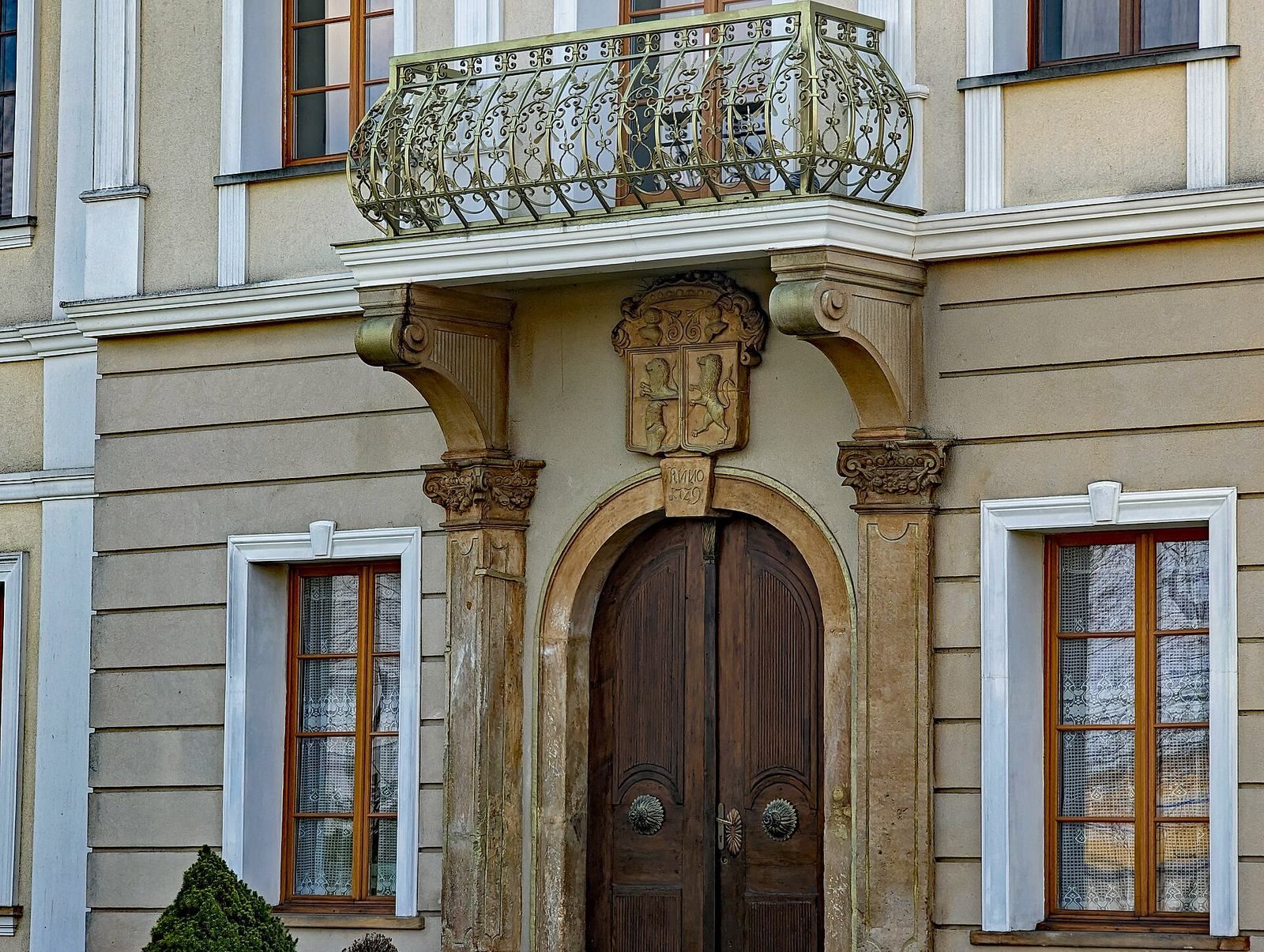
The entrance portal has two half-columns supporting a balcony. Above the portal are the coats of arms of the von Schlieffen and von Schönberg families. Its decorative keystone, the central stone at the top of an arch, bears the date “Anno 1779.”
Landscape park
The park contains the grave of a prince of the Reuß dynasty, a German princely house, and the remains of a monument to those who died in the Franco-Prussian War, the 1870–71 conflict between France and Prussia and their German allies.