Sanctuary in Górka Duchowna: A Roman Catholic Pilgrimage Church
Site at a Glance
- Popularity
- Very Low
- Country
- Poland
- Primary era
- Early Modern
- Eras represented
- Early Modern, Modern
- Civilizations
- German, Kingdom of Prussia, Polish–Lithuanian Commonwealth
- Site type
- Religious
- Remains
- Sanctuary
On this page10 sections
History
The Sanctuary in Górka Duchowna is a Roman Catholic parish church and a pilgrimage center devoted to the Virgin Mary in Poland. It is regarded as one of the oldest centers of devotion to Mary in Greater Poland, a historic region of west-central Poland. The church serves a parish named for Our Lady of Consolation, a Catholic devotional title for the Virgin Mary, and Saint Michael the Archangel. The parish belongs to the Śmigiel deanery, a local grouping of parishes, within the Archdiocese of Poznań, a major church jurisdiction led by an archbishop.
The image and pilgrimage
A venerated image of Our Lady of Consolation has been associated with the church since at least 1410. Tradition holds that Benedictine monks, members of a Catholic monastic order, brought the image from Lubin during a plague, after which it remained at the church. In the fifteenth and sixteenth centuries, pilgrims came from different parts of Poland to worship before it.
Devotion continued in later centuries. Among those who prayed before the image were Saint Stanislaus Kostka, a Polish Jesuit, Bernard of Wąbrzeźno, a Polish Benedictine monk, and Blessed Edmund Bojanowski, a Polish Catholic lay religious figure associated with the sanctuary toward the end of his life. Worshippers believed Mary’s intercession had brought them graces and healings, and left votive offerings, gifts given in devotion or gratitude.
The church and its chapels
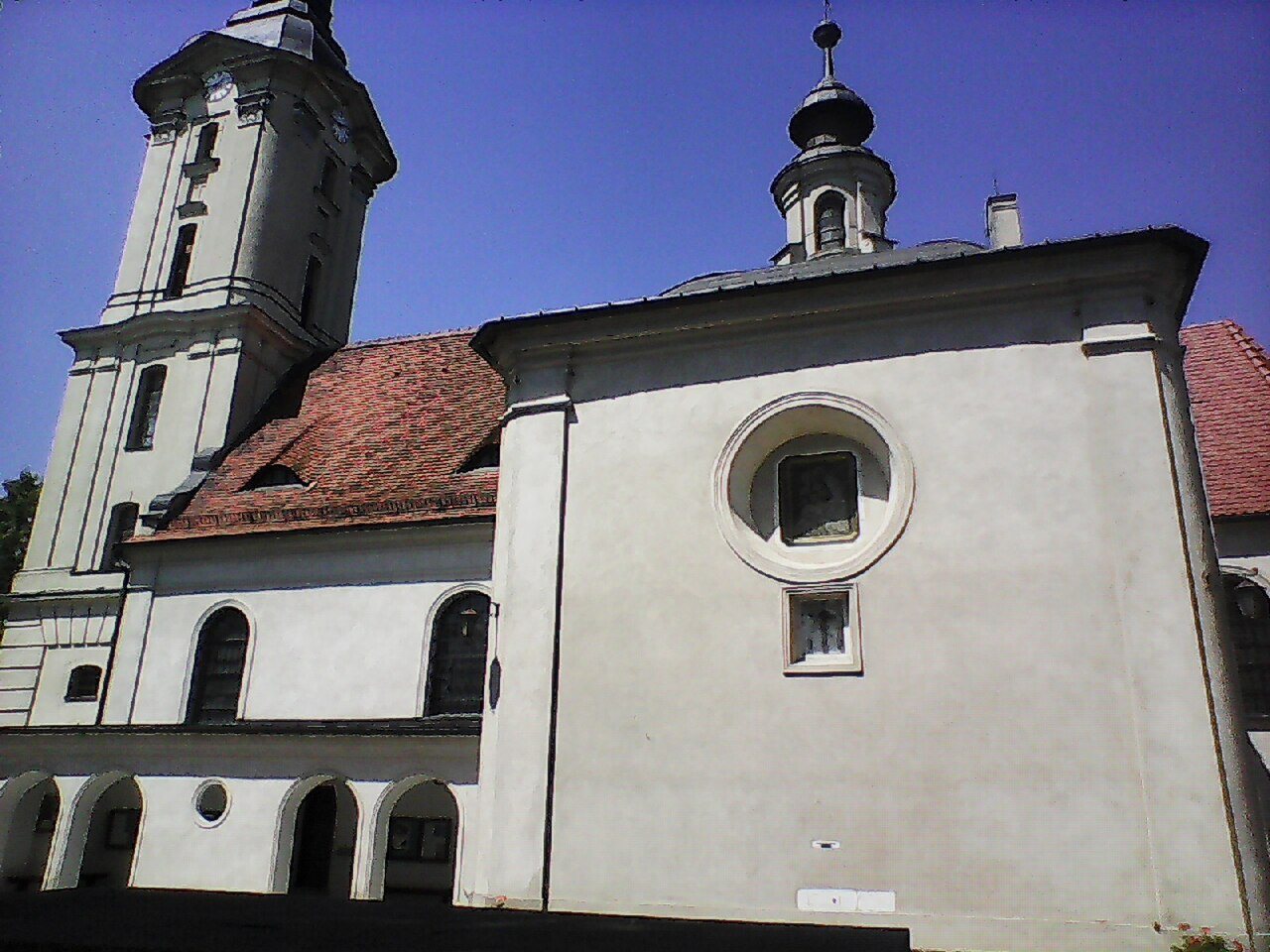
The construction date of the present church is unknown, but a masonry church stood at Górka Duchowna by 1610. A fire damaged the church in 1691. Repairs followed in 1700, when the north chapel was rebuilt; the south chapel was added in 1760.
Twentieth-century changes
A church tower was built in 1902–1903, and cloisters were added between 1948 and 1958. In 1927, a fire destroyed the venerated image. Painter Marian Szczurowski made a copy. Votive offerings were stolen during an act of desecration in 1964. After the image was restored in 1966, Archbishop Antoni Baraniak crowned it with papal crowns, used in a church-authorized coronation of a Marian image.
Remains
The church and its furnishings
Plan and construction
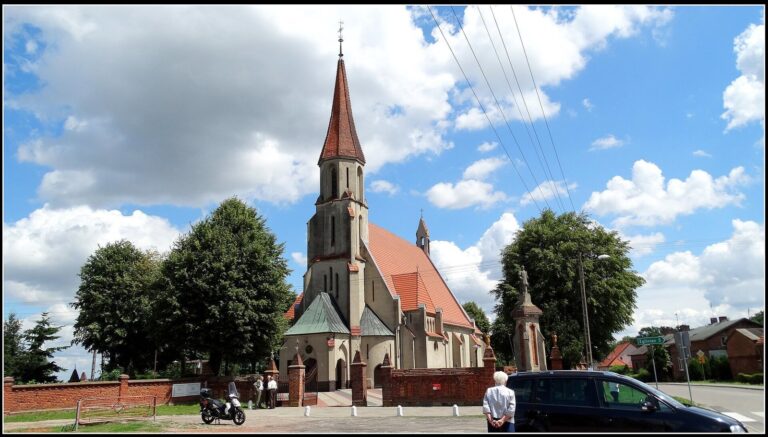
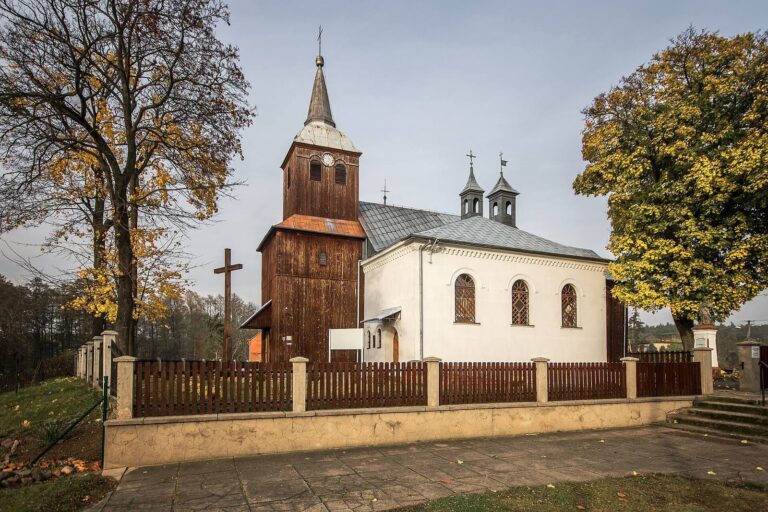
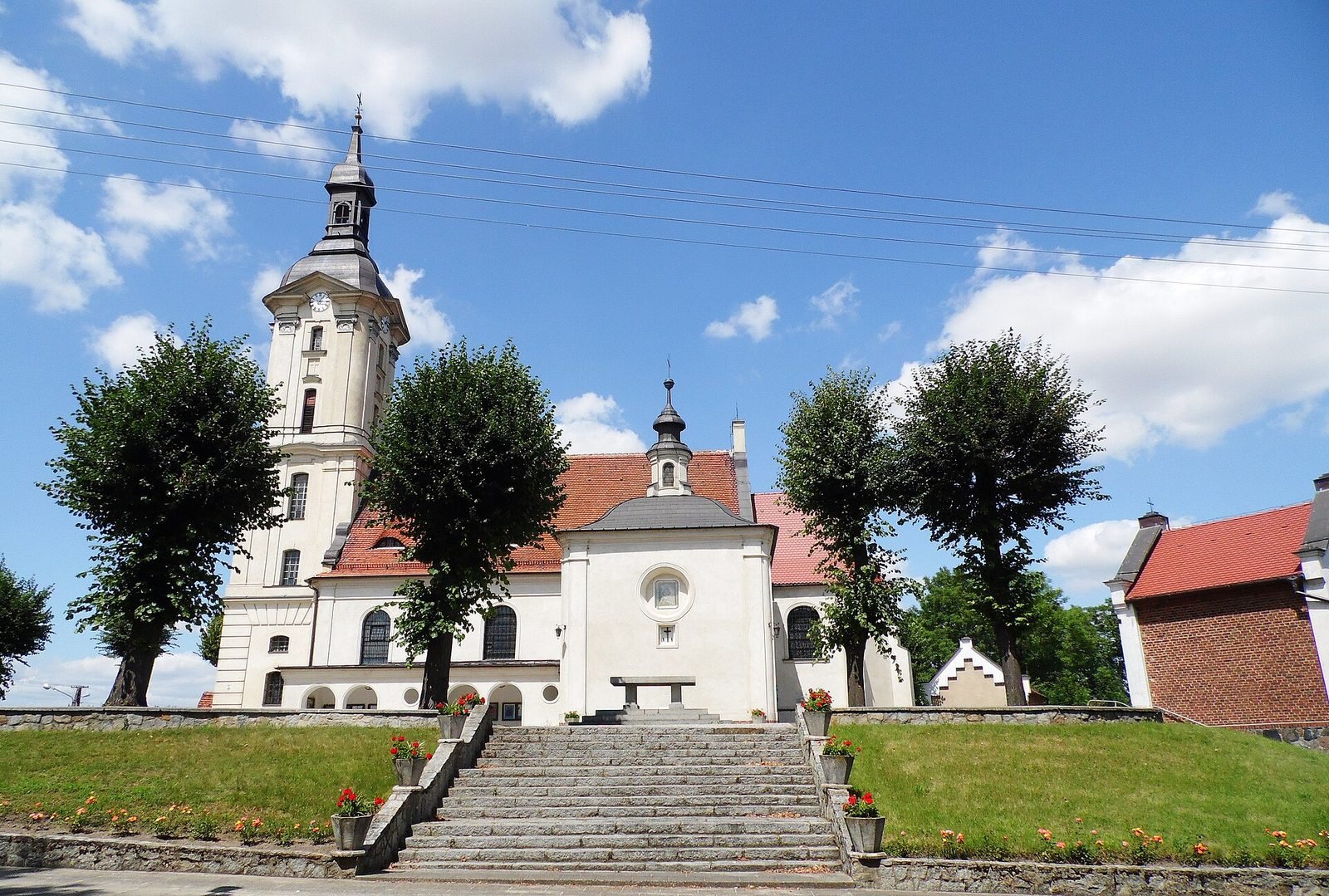
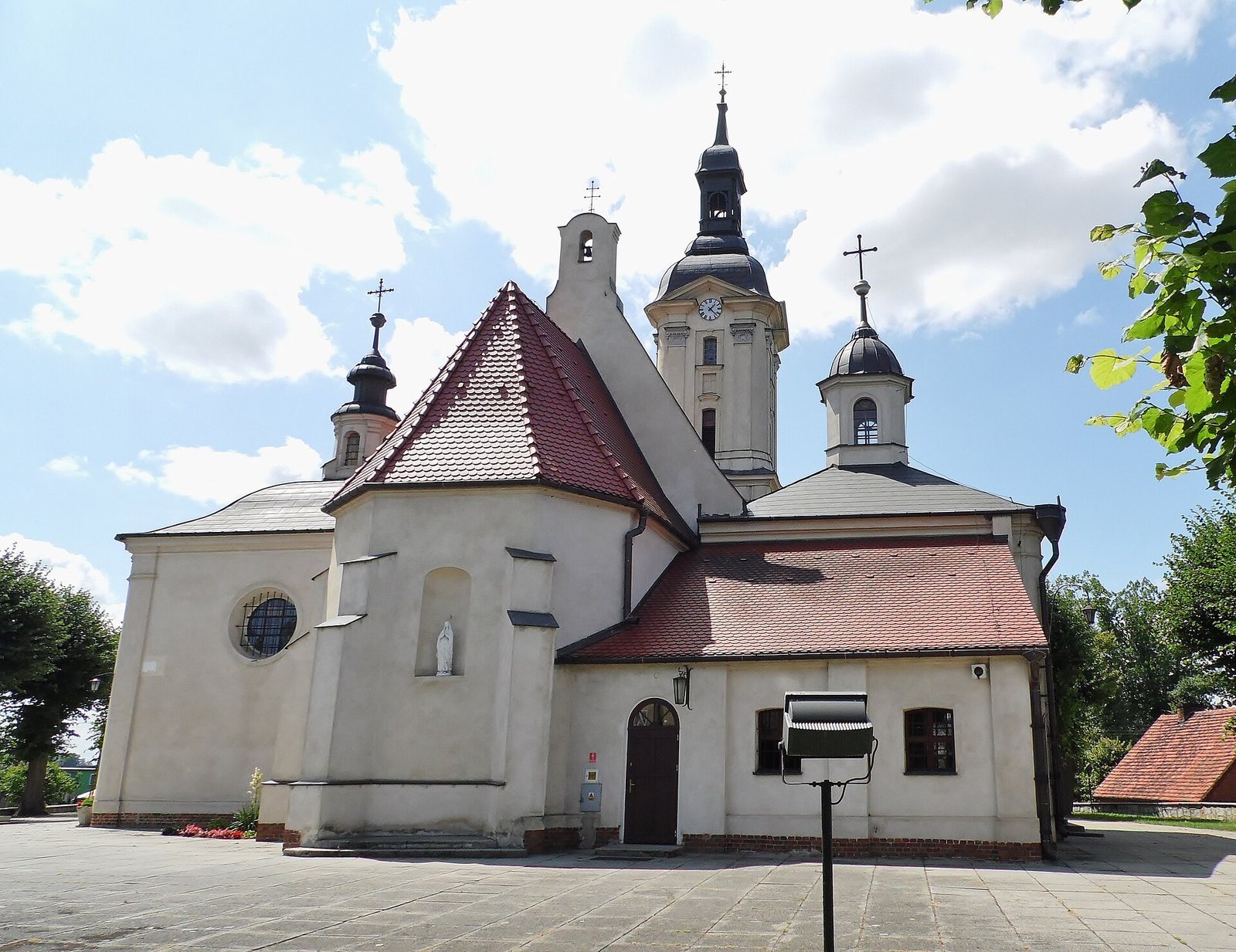
The church is built of plastered brick. Its rectangular plan has a single main worship space ending in a narrower chancel, the area around the altar. The windows have semicircular heads and stained glass.
Tower
A tall Neo-Baroque tower, using a later revival of Baroque forms, is a prominent feature of the church.
Altars and chapels
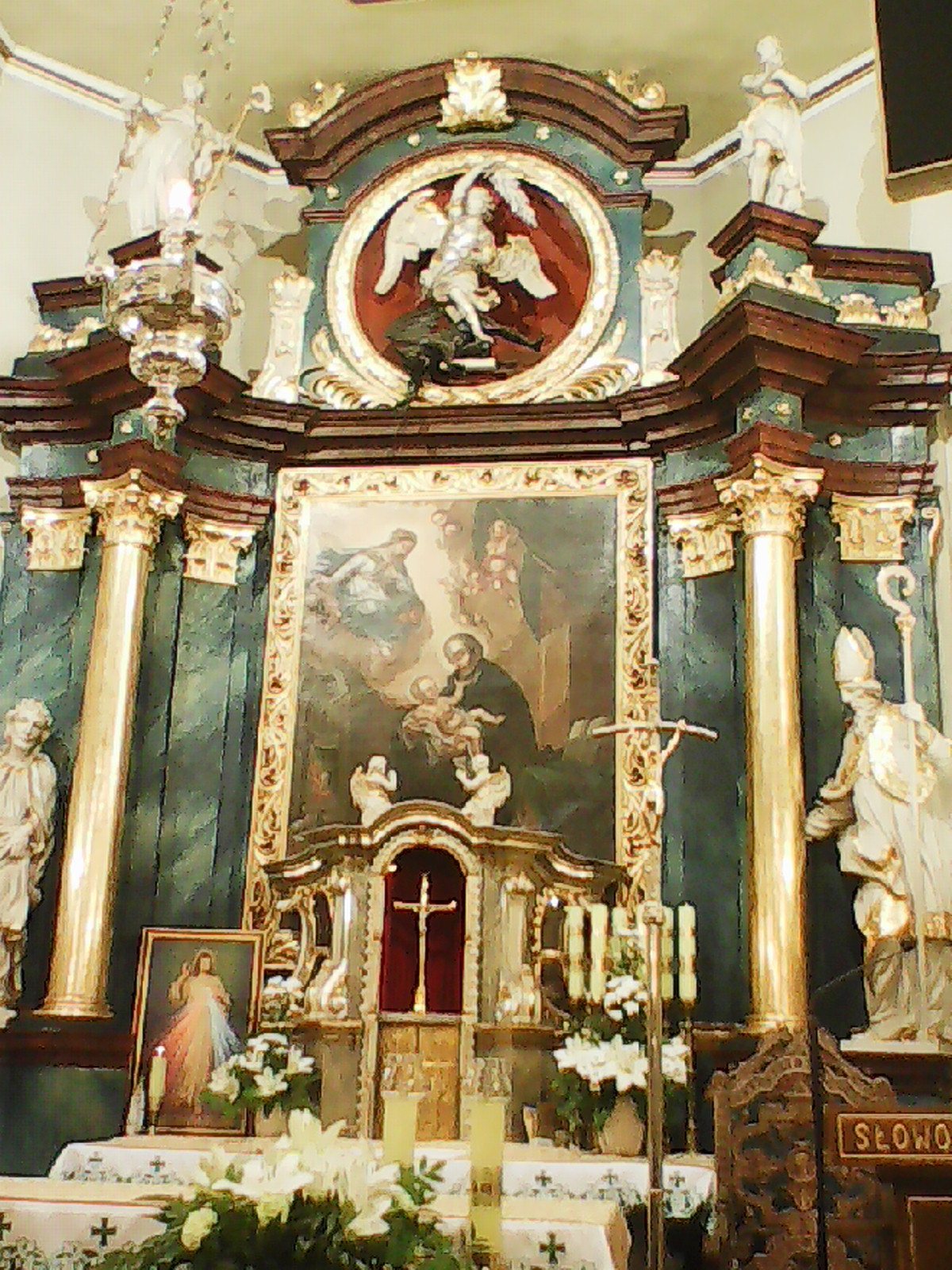
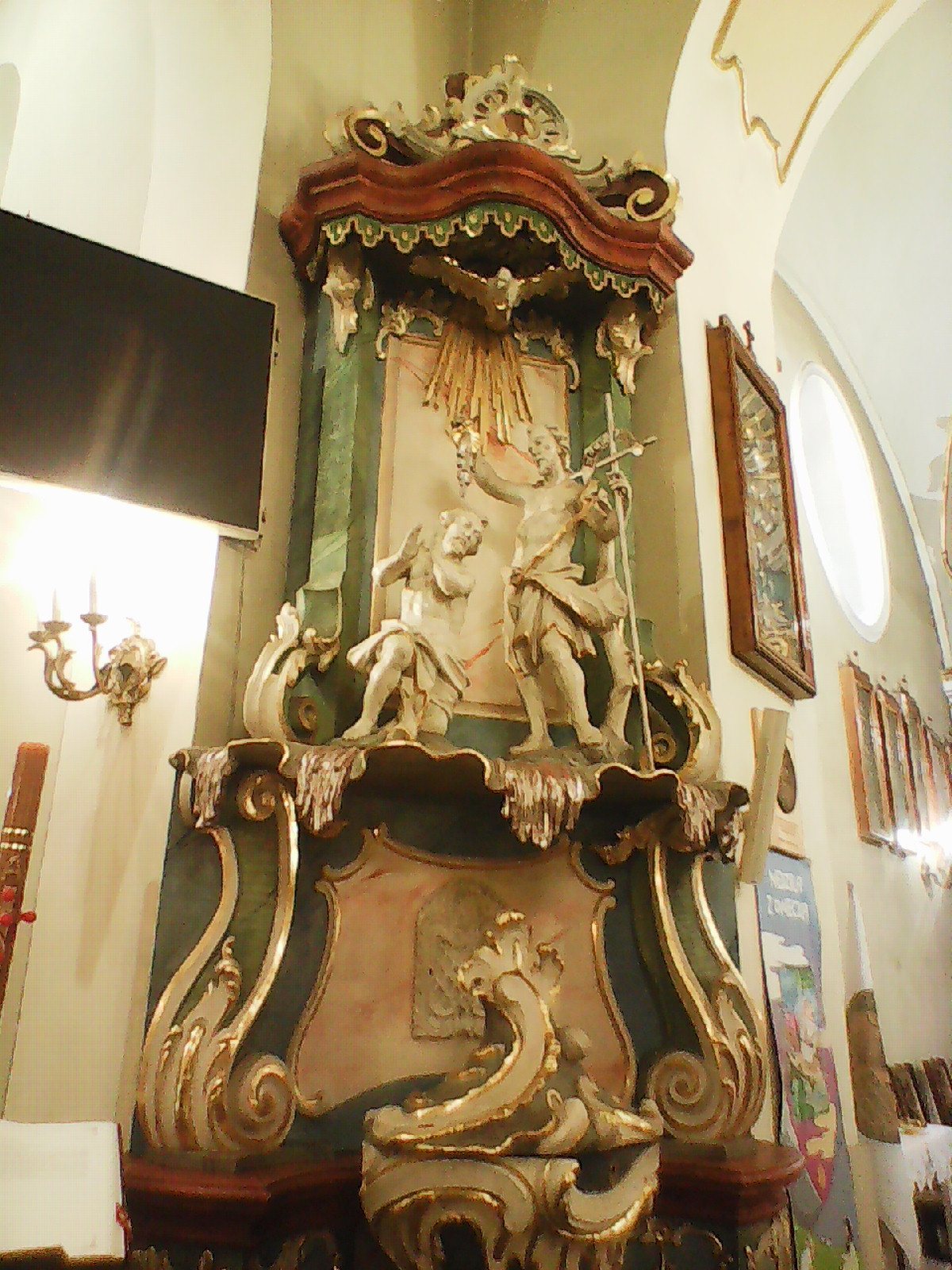
The church has three altars. Its main altar, made in the early part of the second half of the eighteenth century, is Late Baroque, a late phase of Baroque art and architecture, and is decorated with sculptures. The north chapel is dedicated to Saint Anne, traditionally regarded as Mary’s mother, while the south chapel is dedicated to Our Lady of Consolation. A side altar in the south chapel holds the image of Mary with the Child Jesus. The image is described as a fifteenth-century painting, and the version now there is a copy.
Cloisters
The church complex also includes cloisters, or covered walkways.