San Giovanni di Malta: A Hospitaller Church in Venice
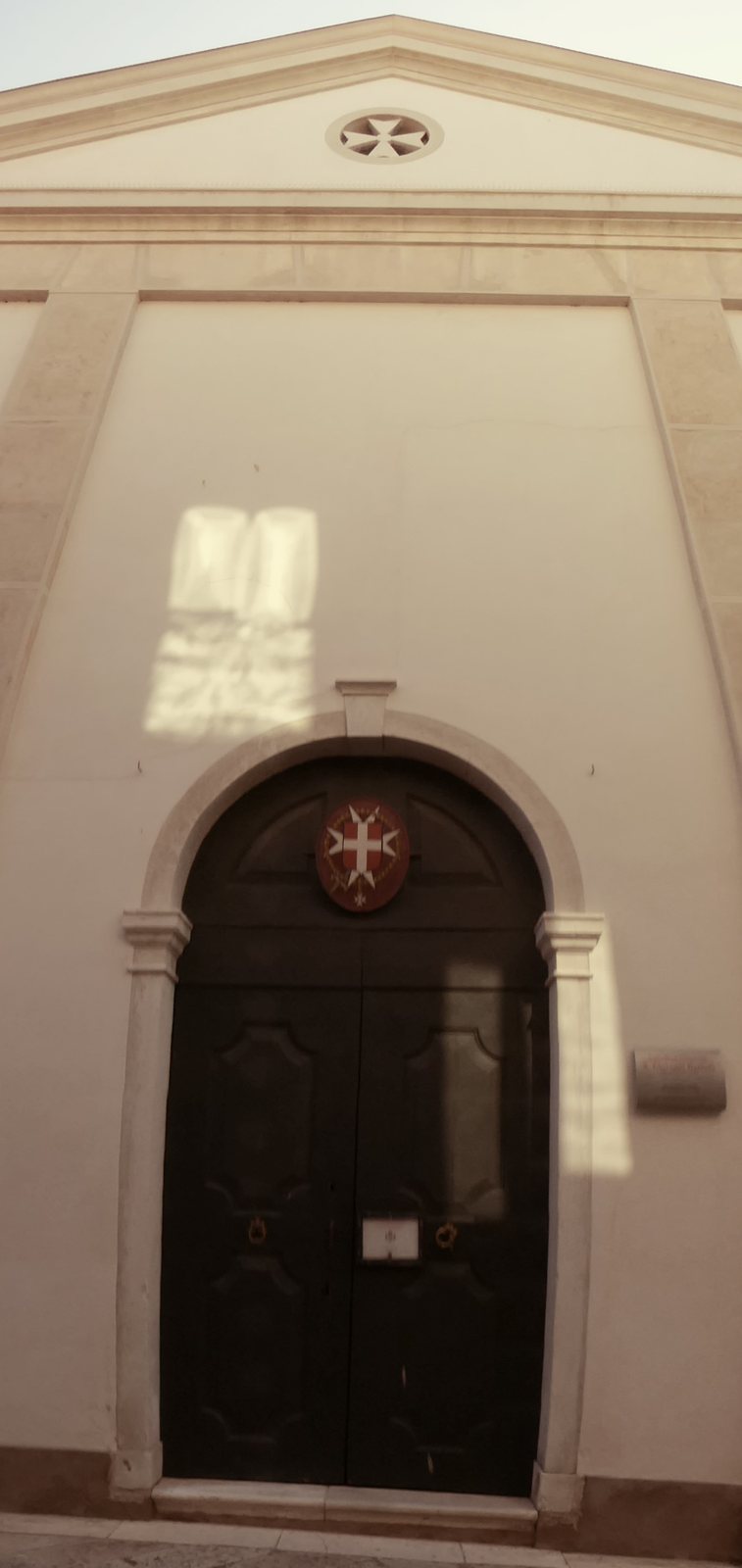
Site at a Glance
- Rating
- 4.7
- Popularity
- Low
- Country
- Italy
- Primary era
- Early Modern
- Eras represented
- Medieval, Early Modern
- Civilizations
- Knights Hospitaller, Venetian
- Site type
- Religious
- Remains
- Church
On this page9 sections
History
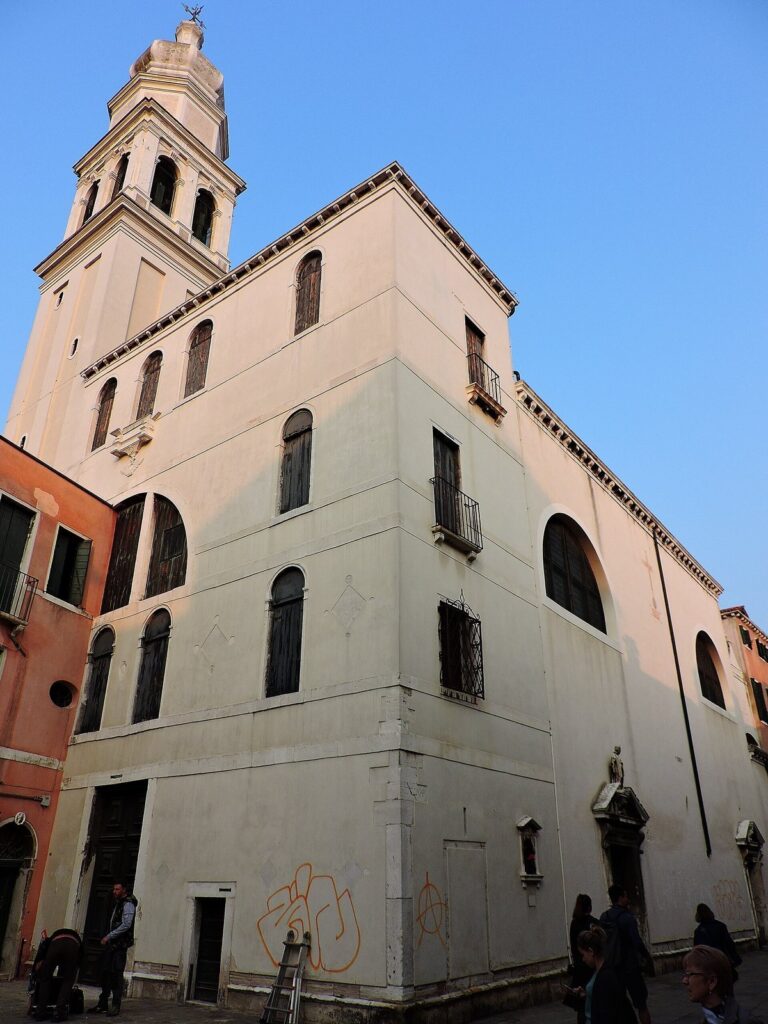
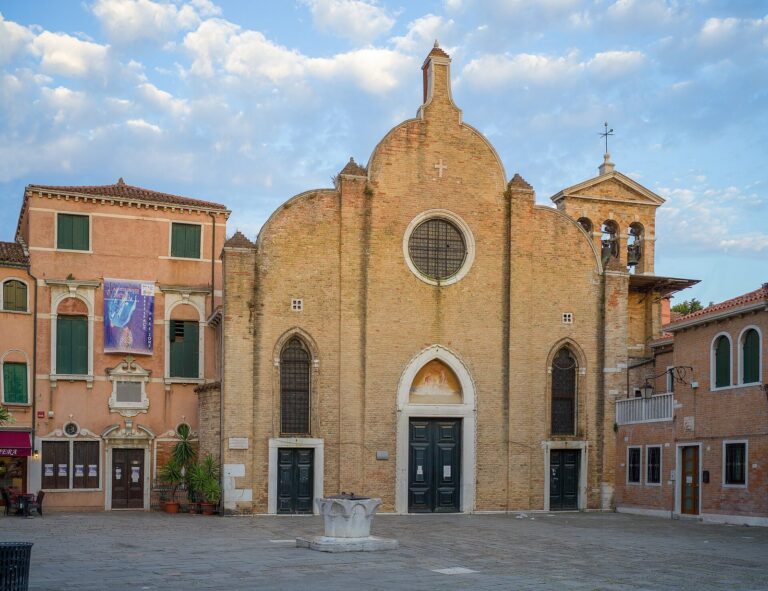
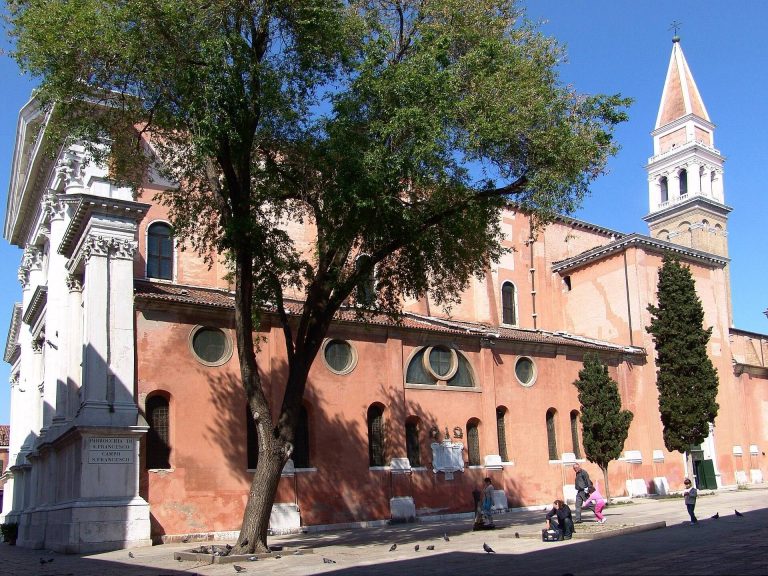
San Giovanni di Malta is a Roman Catholic church in Venice, Italy, dedicated to John the Baptist and associated with the Knights Hospitaller, a Catholic religious and military order later known as the Knights of Malta. Its origins are uncertain, but the church is believed to have been established by the Hospitallers after a land donation in 1187. The present building is Renaissance in style, and its plan is dated to 1565.
Medieval origins and changing names
On 9 November 1187, Gerardo, Archbishop of Ravenna, donated land for a church and hospital. The Hospitallers may have founded the church there, although a Templar foundation has also been proposed. The Knights Templar were a separate religious and military order, suppressed in 1312. A papal bull dated 2 May that year transferred the church to the Hospitallers.
The church was also known as San Giovanni del Tempio and San Giovanni dei Furlani. The latter name referred to the Friuli community living nearby. The name San Giovanni di Malta came into use after the Hospitallers established their main base in Malta in 1530 and became widely known as the Knights of Malta.
Rebuilding and later history
The church was enlarged in the 14th century and completely rebuilt between 1498 and 1505, during the tenure of Grand Prior Fra Sebastiano Michiel. A grand prior governed a regional branch of a religious order. Jacopo de’ Barbari’s 1500 View of Venice is the earliest known depiction of the church.
In 1806, while Venice was under French control, the state dissolved the Hospitaller Grand Priory of Venice and took its property, including the church. The priory was rented to different tenants. The church closed in 1810; its altars and paintings were removed, and the building was used as a theatre, a printing works, and storage space.
The Grand Priory of Lombardy and Venice was reestablished in 1839. Emperor Ferdinand I of Austria returned the church to the Order on 5 January 1841, and it reopened on 24 June 1843. During the Austrian period, furnishings and artworks were brought back together, and sculptures from other suppressed churches were installed. Restoration work on the church and priory followed between 2012 and 2014. The church remains active and serves as the headquarters of the Sovereign Military Order of Malta’s Grand Priory of Lombardy and Venice.
Remains
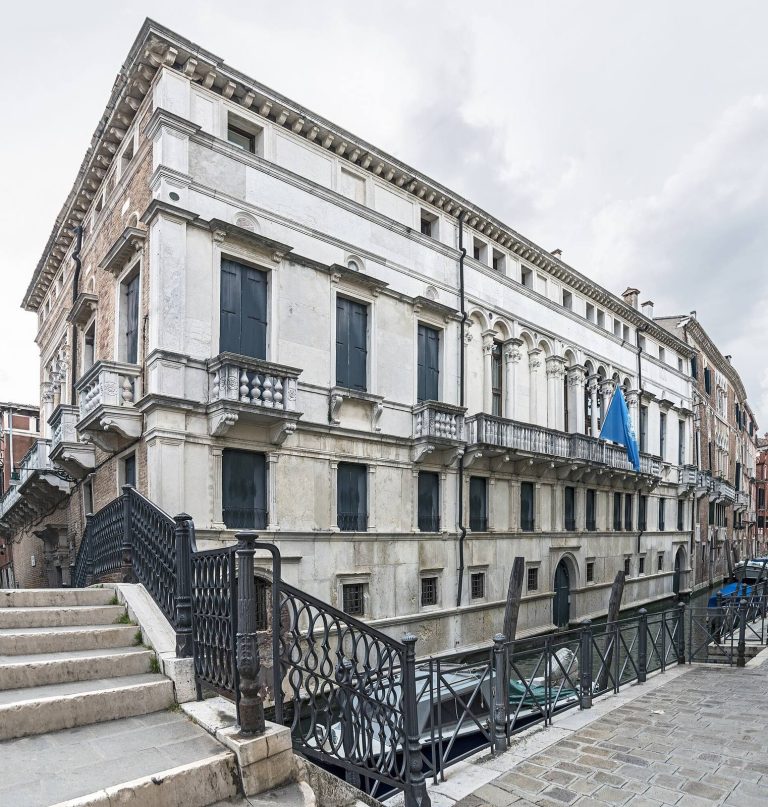
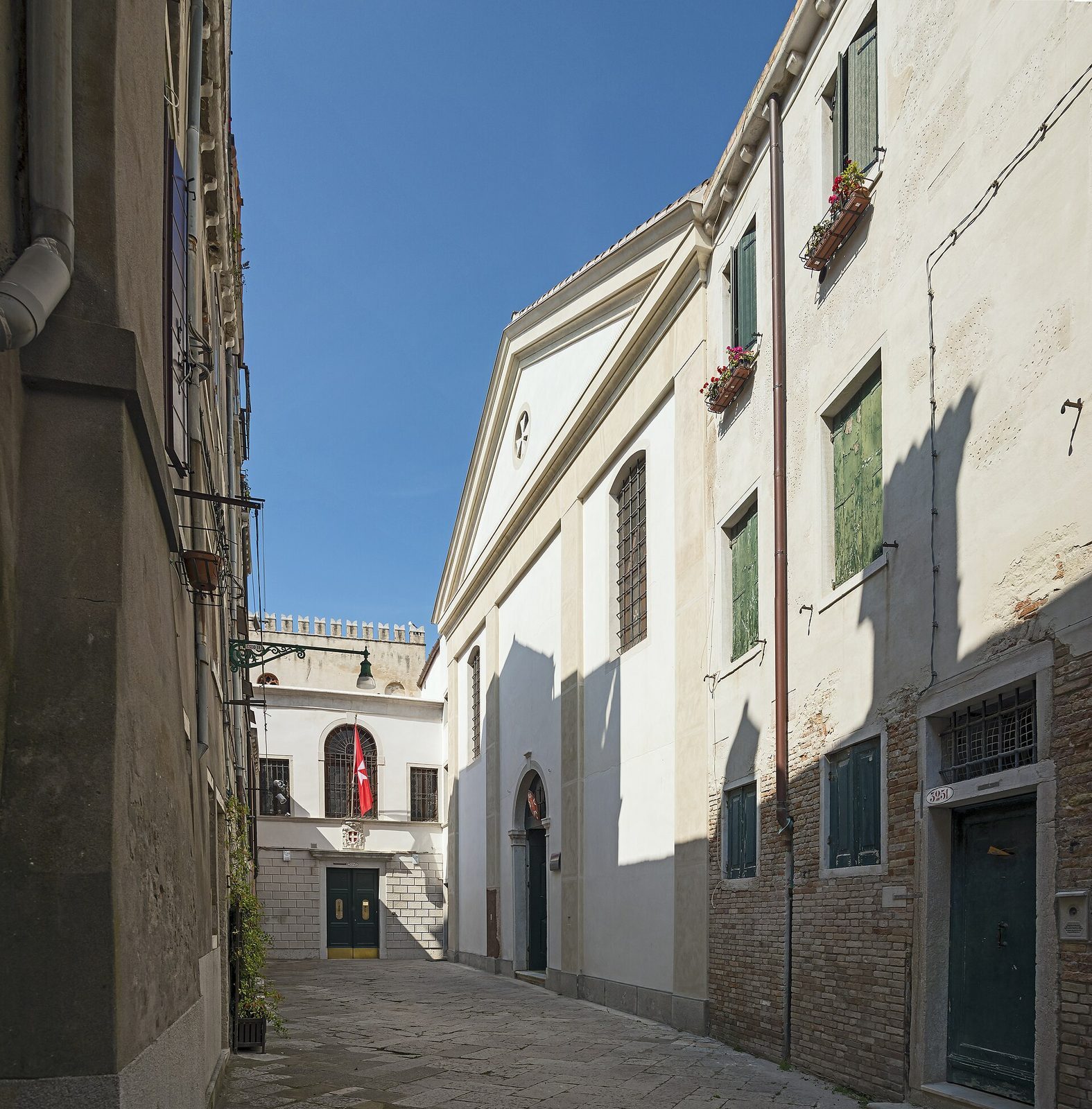
The Renaissance complex includes the church and an adjacent priory, with a large garden behind the palazzo. The church stands in Venice’s Castello district near Sant’Antonin and the Scuola di San Giorgio degli Schiavoni. A hospital associated with Saint Catherine of Alexandria was also nearby. The church has a long, single nave and a ceiling made of timber and brick.
Church interior and memorials
Nave and altars
Several side altars line the church and hold 18th-century paintings of saints. The main altar, made in the early 16th century, was transferred from San Geminiano after that church was demolished in 1807. Cristoforo da Legname designed it, and Bartolomeo Bergamasco sculpted its saints. Statues standing before the altar are also said to have come from San Geminiano.
Paintings
Near the main altar, on the right side of the apse, hangs a Baptism of Christ from Giovanni Bellini’s studio. The church also contains a copy of Titian’s Saint John the Baptist and a group of paintings on Saint Anthony donated by American painter Frank Mason.
Chapter house
Medieval frescoes in the chapter house portray episodes from the life of Saint Catherine of Alexandria, an early Christian saint and martyr.
Cloister and order memorials
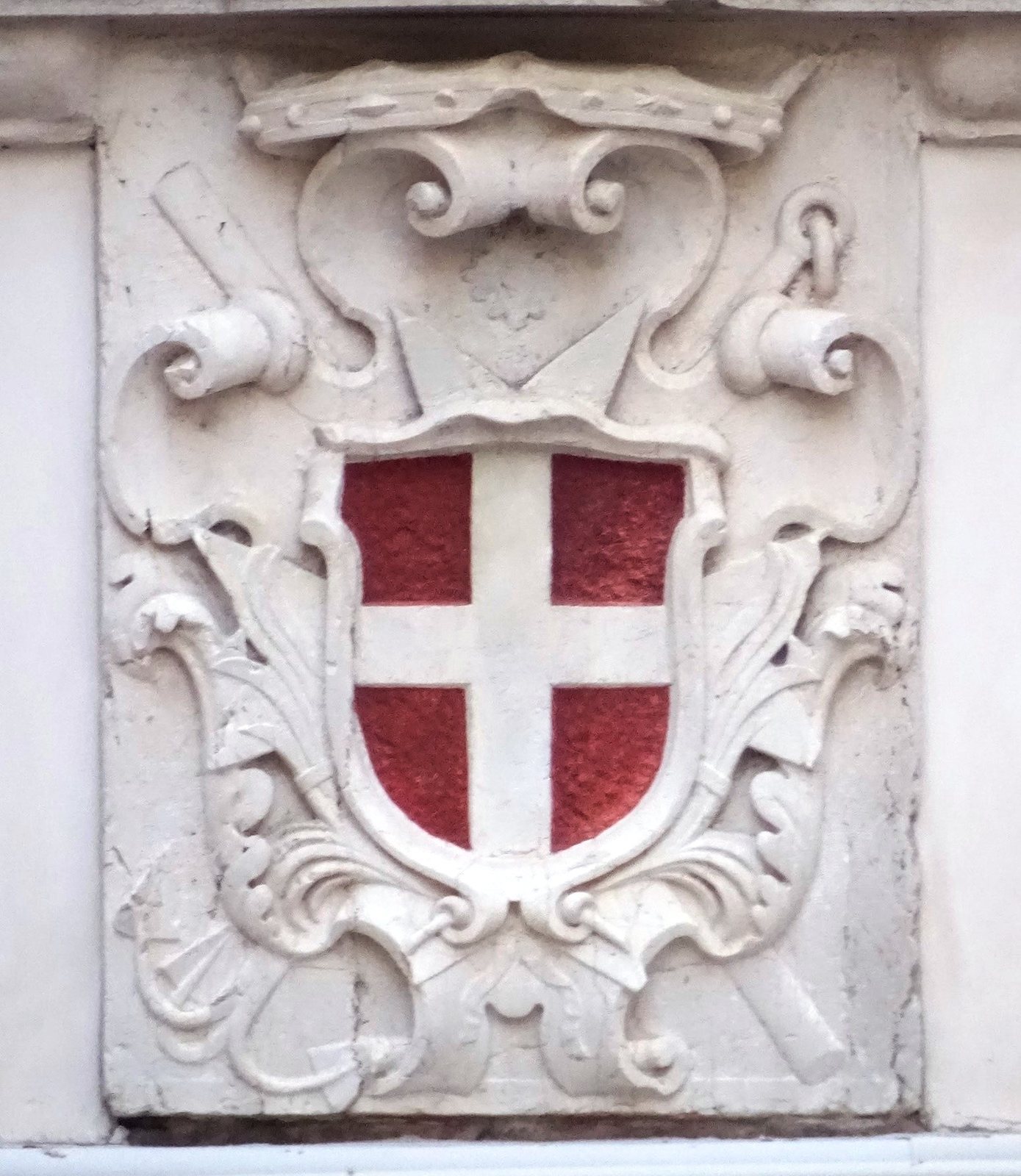
The annexed cloister contains tomb slabs commemorating many knights associated with the orders that administered the church. The church also holds the remains of knights and displays the orders’ coats of arms. The presbytery shows the Knights’ arms alongside a list of serving priors.