San Francesco Church, Udine: A Medieval Franciscan Church
Site at a Glance
- Popularity
- Medium
- Country
- Italy
- Primary era
- Medieval
- Eras represented
- Medieval, Early Modern
- Civilizations
- Holy Roman Empire, Venetian
- Site type
- Religious
- Remains
- Church
On this page9 sections
History
Franciscan foundation
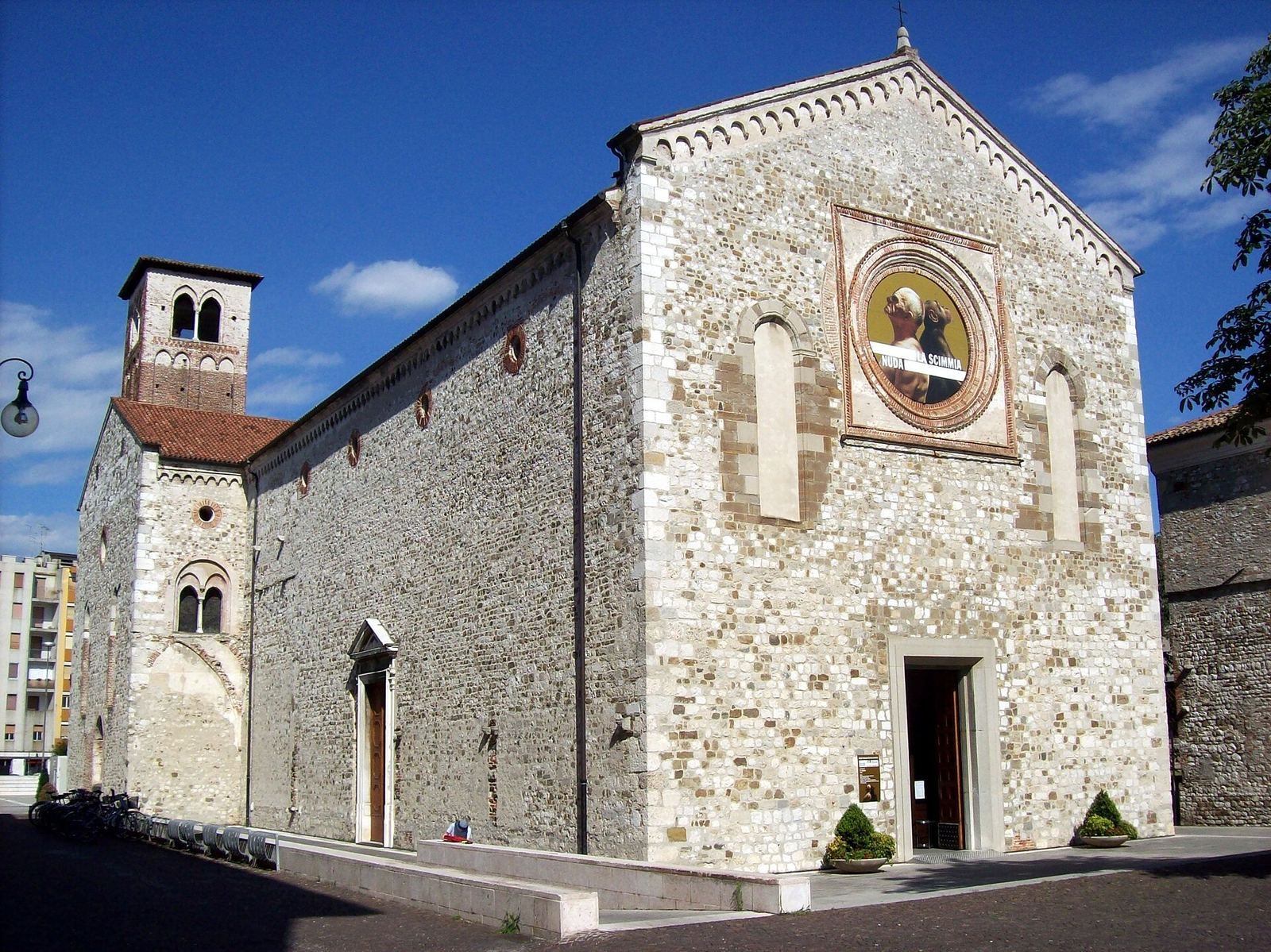
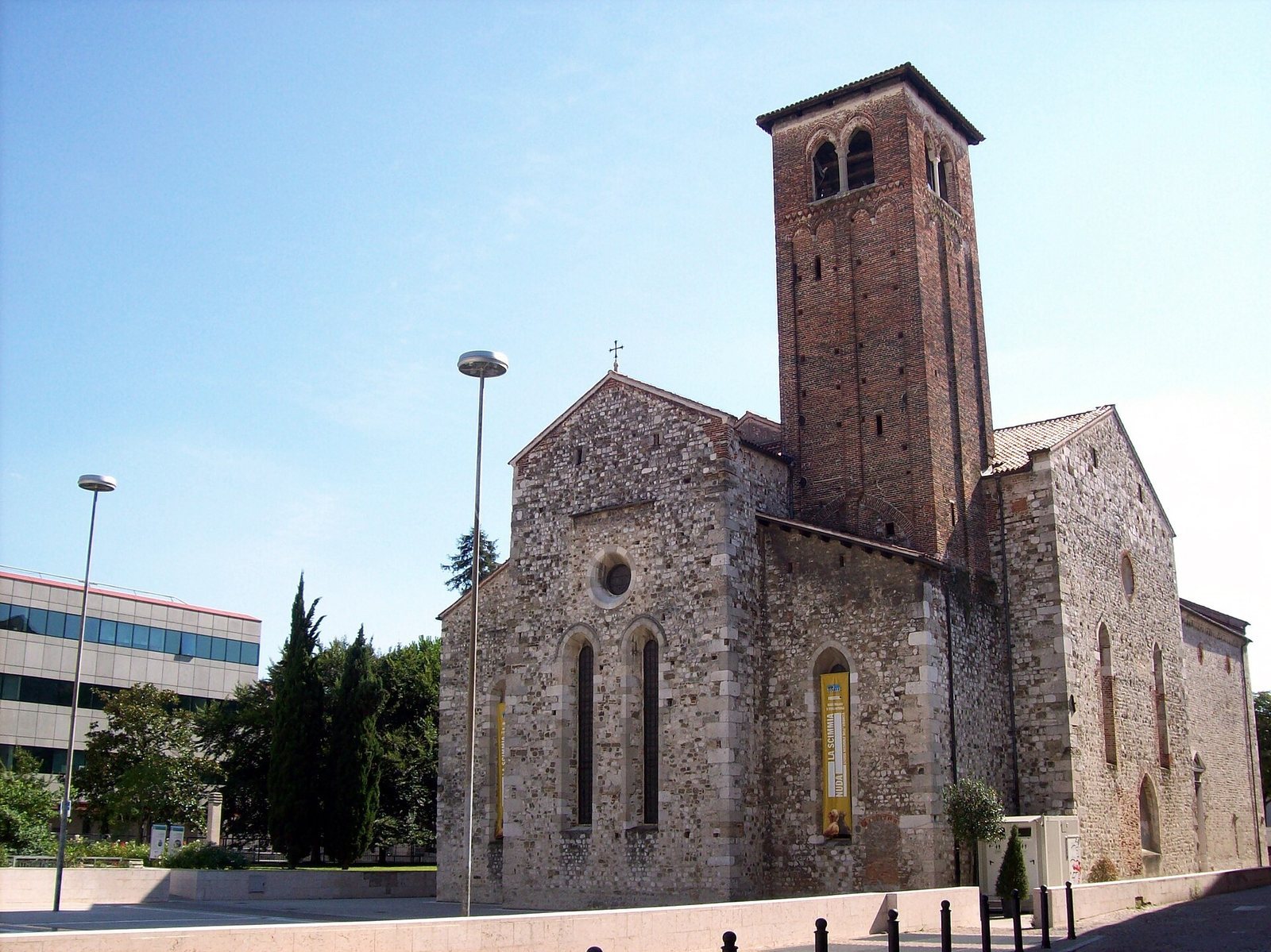
San Francesco Church in Udine, Italy, is a medieval Romanesque church dedicated to Francis of Assisi, begun by the Franciscans in 1260. It became the principal seat of the Friars Minor, or Franciscans, in Udine and throughout Friuli. Franciscanism reached the Patriarchate of Aquileia, a medieval ecclesiastical territory in northeastern Italy, later than other parts of northern Italy. The patriarchs later supported both the Franciscans and the Friars Preachers, or Dominicans, with generous donations.
Udine’s first Franciscan convent was established by 1259. The church was completed and consecrated on the first Sunday of July 1266 by Alberto da Colle, bishop of Concordia and administrative deputy of the patriarch.
Odoric of Pordenone and pilgrimage
In the early fourteenth century, the Franciscan friar and traveler Odoric of Pordenone trained at the convent. After traveling to China, he dictated an account of his journey and died there on 14 January 1331, with a reputation for holiness. His body was placed in a reliquary chest commissioned from the craftsman Filippo De Sanctis.
In May 1332, Patriarch Pagano della Torre formally elevated Odoric’s relics, publicly recognizing and encouraging their veneration. The church then attracted pilgrims from across the patriarchal territory. Guido de Guisis, bishop of Concordia and a close collaborator of the patriarch, was buried in the church in 1347. During the fifteenth century, the chapel of St Louis of Toulouse was renovated and dedicated to Blessed Odoric.
Remodelling and closure
As preparations were made for formal recognition of Odoric’s sanctity, the church was remodelled in the Rococo style and a new chapel for him was planned. On 27 February 1735, his body was transferred during a Mass celebrated by Cardinal Daniele Dolfin, attended by civic and religious authorities and a large crowd.
In 1769, the Venetian Senate ordered the suppression of convents with fewer than ten religious. Udine’s government had acquired a former Carmelite convent for use as a hospital, but found the building too small. It arranged an exchange with the Franciscans, who moved to the Carmine, while their former convent was assigned for hospital use. The Senate ratified the exchange on 29 December 1770. The church was desacralized that year, and the friars took its relics, including Odoric’s reliquary chest.
Hospital use and later history
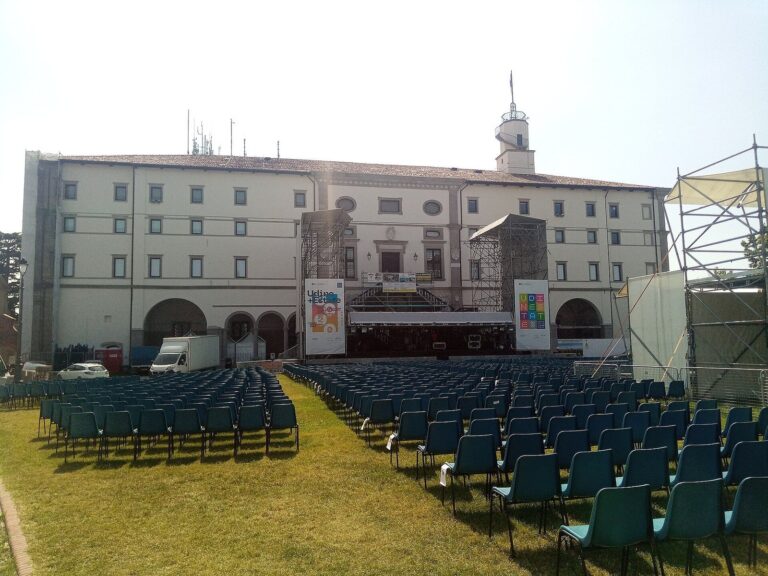
The former convent complex served as the city hospital into the 1920s. A hospital built on the convent site in 1782 remained in operation until 1938. The former convent later housed a museum and, after extensive restoration, became Udine’s courthouse.
The desacralized church was used as a storehouse and was badly damaged by bombing during the Second World War. It was restored after the war, with efforts to recover its original structure. In recent decades, it has hosted temporary exhibitions, particularly those devoted to local artists.
Remains
Plan and interior
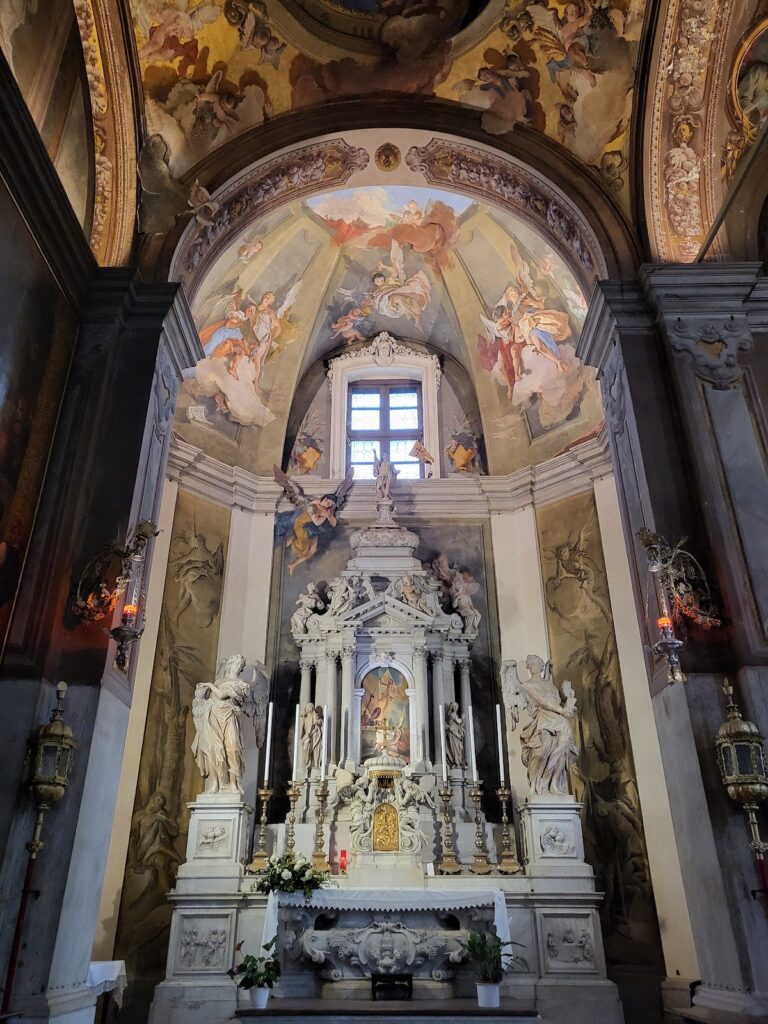
The church has a gabled front, a single nave beneath a timber truss roof, and a Latin-cross plan. At its east end are three apsidal chapels, with the central chapel larger than the two others and containing the main altar. The interior was comprehensively remodelled in the eighteenth century. Its windows, including the large rose window, use mouth-blown Venetian glass cylinders joined with lead.
Wall paintings
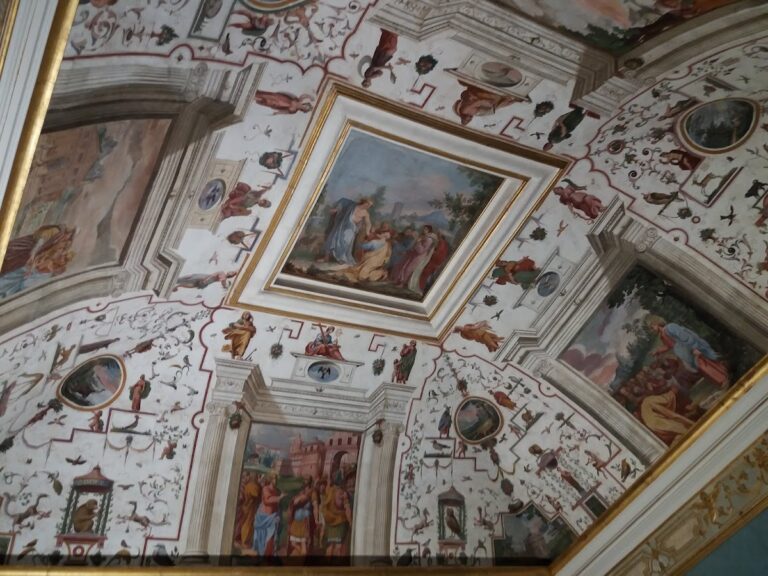
Most of the surviving frescoes are in poor condition. Paintings from the fourteenth and fifteenth centuries run along the interior walls and are attributed to artists of the Umbrian-Tuscan and Emilian traditions. An Annunciation on the arch opening into the sanctuary is attributed to a follower of Pietro da Rimini. On the apse’s right side, a large Tree of Life, a Christian image associated with life and salvation, is attributed to a painter active in Venice in the second quarter of the fourteenth century, though its surface has a Tuscan-style appearance. Other paintings show Giotto’s influence and may be connected with artists who worked first at the Scrovegni Chapel and later at the Abbey of Santa Maria in Silvis at Sesto al Reghena.
Odoric’s chapel and memorials
The chapel of Blessed Odoric, which held his remains, survived until the late eighteenth century. The reliquary chest commissioned from Filippo De Sanctis was first kept in the chapel of St Louis of Toulouse. After the chest was moved to the Carmine, its front was removed and it was converted into an altar; a slab showing Odoric reclining was detached and placed above it like an altarpiece. Frescoes depicting episodes from his life, dated to 1440, were detached and repositioned near the church entrance on the left-hand wall.