San Domenico Church, Teramo: A Dominican Monastery Church
Site at a Glance
- Country
- Italy
- Primary era
- Medieval
- Eras represented
- Medieval, Early Modern
- Civilizations
- Kingdom of Naples
- Site type
- Religious
- Remains
- Monastery
On this page10 sections
History
Foundation and construction
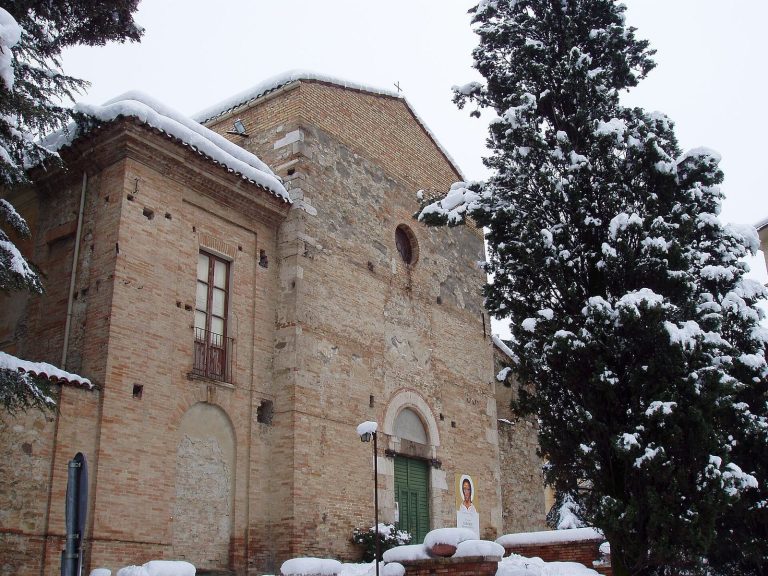
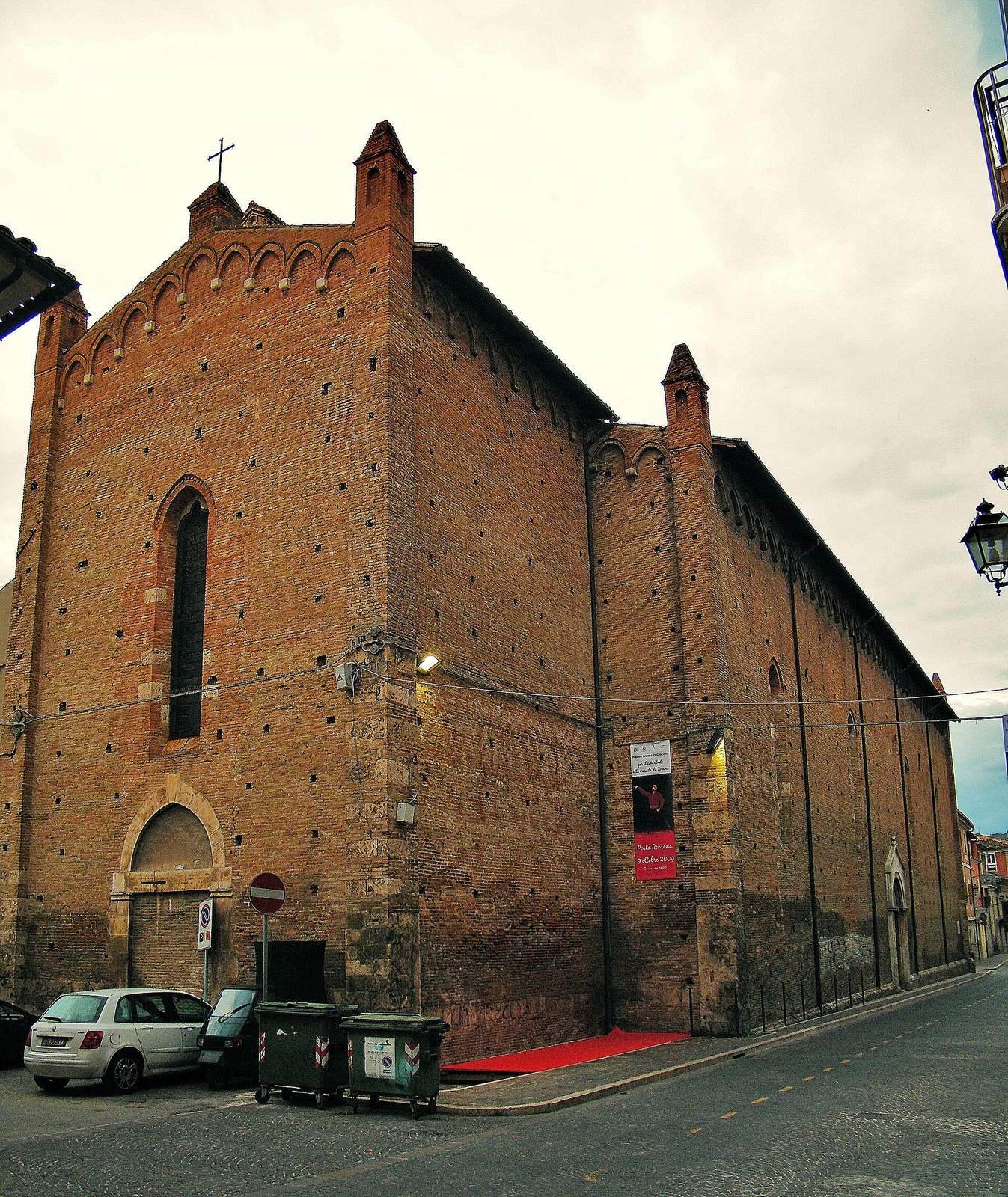
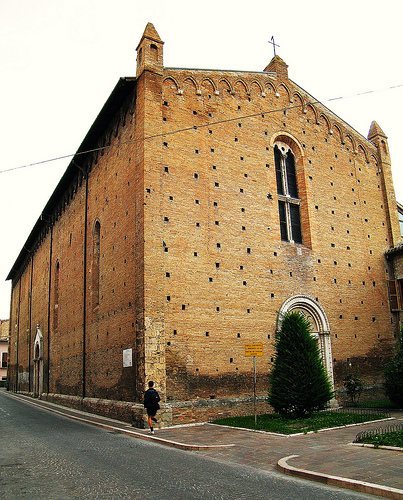
San Domenico Church is a Dominican basilica in Teramo, Italy, established as a monastery church for the Order of Preachers, commonly known as the Dominicans. The monastery was founded in 1287 by a decision of the Dominican Provincial Chapter in Rome, a regional assembly responsible for governing the order’s affairs. Construction of the church and adjoining convent began around 1300, and the complex was completed in 1407. Dedicated to Saint Dominic, the church is a Roman Catholic parish in the Diocese of Teramo-Atri.
Suppression and renewed role
The monastery was suppressed under a decree issued during the Napoleonic era, the political period shaped by Napoleon Bonaparte and governments under his rule. The Dominicans returned in 1931. Teramo historian Francesco Savini promoted restoration of the church and the resumption of worship there. Part of the convent is occupied by Dominican monks, while a larger portion houses the State Archive.
In the 1930s, while Teramo Cathedral was closed for restoration, San Domenico was given the delegated status of cathedral vicariate and served as the diocese’s principal church because of its size. The cathedral’s restoration removed Baroque additions commissioned by Bishop De Rossi.
Remains
Church interior
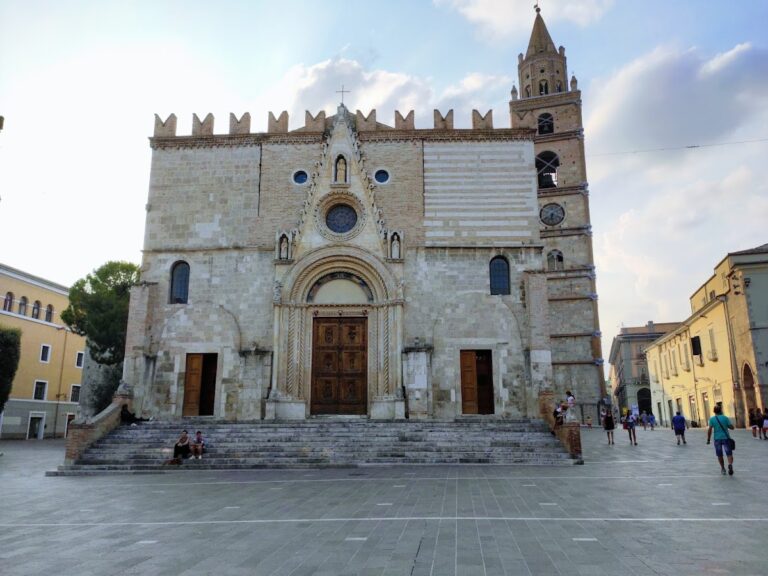
The basilica’s façade faces Corso Porta Romana. Inside, a single elongated nave lies beneath a double-pitched roof and leads to a square-based choir, the liturgical area at the end of the church, covered by a vault.
Wall paintings
The walls are richly decorated with frescoes, paintings made on wet plaster. Paintings uncovered during recent work and dated to 1400 show episodes from the life of Saint Dominic.
Shrine niches
Two ornamental shrine niches from the Renaissance period flank the main altar. The left niche holds a painted and gilded terracotta Madonna and Child, dated to the first half of the sixteenth century and attributed to Giovanni Antonio da Lucoli. In the right niche, an eighteenth-century polychrome stucco group by Michele Clerici depicts the family of Saint Anne and Saint Joachim.
Other furnishings and Savini’s tomb
The church also contains other works of art and a notable organ. A tomb-mausoleum for Francesco Savini stands in the right-hand side of the nave.
Chapel of the Holy Rosary
The adjoining Chapel of the Holy Rosary dates to the eighteenth century. Its frescoes were painted by Gilberto Todini, and its stucco decoration was made by Michele Clerici.
Convent and cloister
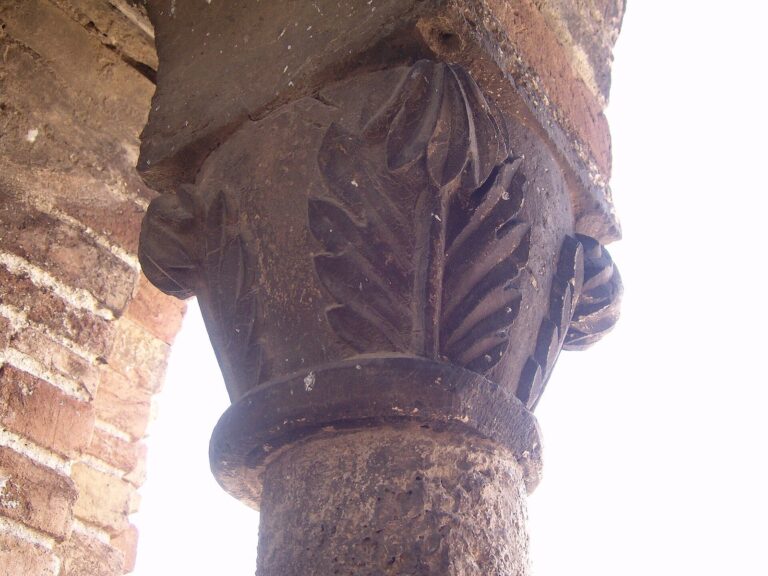
The adjoining convent retains arches from its cloister. Some of the curved wall panels above the arches are painted with scenes from Saint Dominic’s life by Sebastiano Majewski.