Church of the Assumption of the Blessed Virgin Mary in Racławice Śląskie: A Baroque Parish Church
Site at a Glance
- Popularity
- Very Low
- Country
- Poland
- Primary era
- Early Modern
- Eras represented
- Early Modern, Modern
- Civilizations
- German, Kingdom of Prussia
- Site type
- Religious
- Remains
- Church
On this page8 sections
History
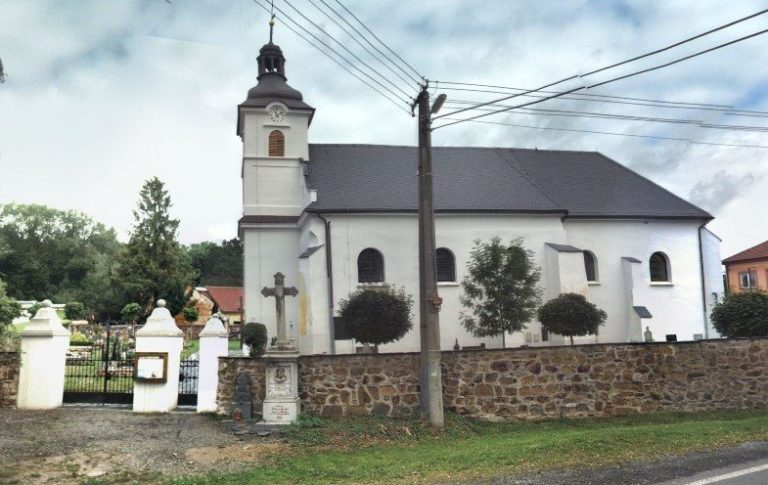
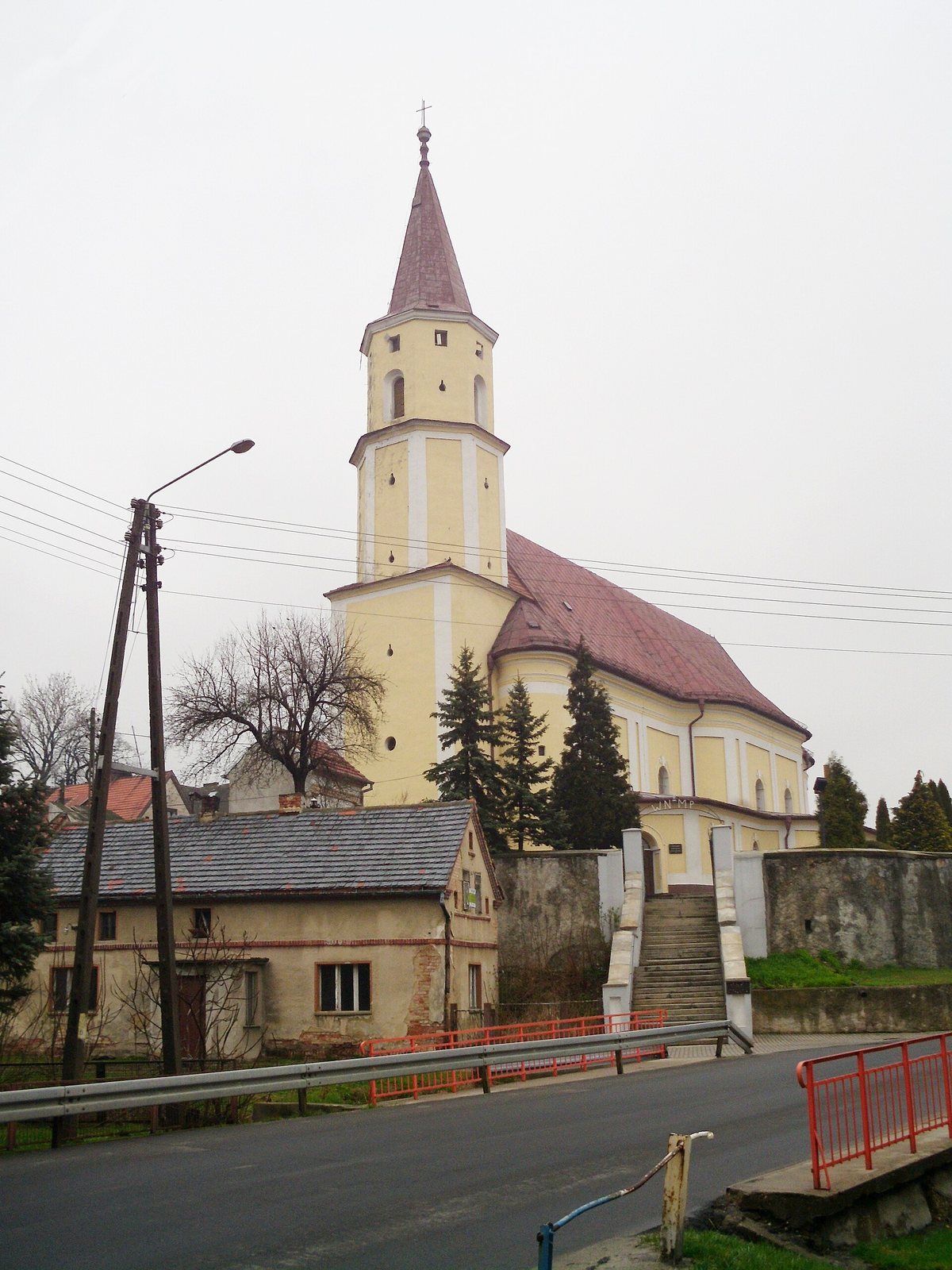
The Church of the Assumption of the Blessed Virgin Mary in Racławice Śląskie, Poland, is a Roman Catholic parish church whose present Baroque building, in an elaborate European architectural style, was built from 1787 to 1789 to replace a church founded in the second half of the fourteenth century. Its dedication refers to the Catholic belief that Mary was taken into heaven at the end of her earthly life. The church became a destination for pilgrims devoted to an image of the Virgin and Child.
Early church and pilgrimage
The first church was dedicated to Saints Catherine and Barbara and was built during the rule of Władysław Opolczyk, a regional ruler in Silesia. It is mentioned in 1371. In the early eighteenth century, people began to venerate a painting of the Virgin and Child as miraculous. Known as Mary the Consoler and now called Our Lady of Racławice, the image drew pilgrims in large processions.
In 1758, parish priest Scharke began rebuilding the church. After the enlarged building was consecrated, its roof and vaulted ceiling collapsed overnight following a pilgrimage day. The main altar and the Virgin’s image survived. Funds were gathered over the next several years to build a replacement.
Rebuilding and the bell tower
Construction of the replacement church began in 1787 to a design by architect and builder Michał Clement of Karniów. The work was completed in 1789, and senior cleric Franz Richter of Głogówek consecrated the church on 8 December that year.
A bell tower was added in 1805. On 14 February 1846, lightning struck it during a snowstorm, setting its wooden interior alight. The bells fell and partly melted. The tower was fitted with a pyramidal spire and new bells the following year, and a clock was installed in 1858.
Alterations and a new dedication
The church was renovated in 1889 and 1908, then enlarged in 1930 with a low side aisle and a chapel. In 1945, Polish people displaced from the eastern borderlands brought the image of Our Lady of Buszcze from the Church of the Assumption in Buszcze. Parish priest Zygmunt Mikluszka led the change of the church’s dedication to the Assumption of the Blessed Virgin Mary. Its liturgical feast is celebrated on 15 August.
A new altar modelled on the one in Buszcze was consecrated on 15 August 1974. In 2000, Bishop Alfons Nossol designated the parish church a sanctuary, a church with a particular role as a place of devotion, for the Jubilee Year, a period of special Catholic observances. A funeral house was built beside the church in 2008. The church belongs to the Parish of the Assumption of the Blessed Virgin Mary, within the Głogówek deanery, a grouping of parishes, and the Diocese of Opole, an area under a bishop’s jurisdiction.
Remains
Setting and plan
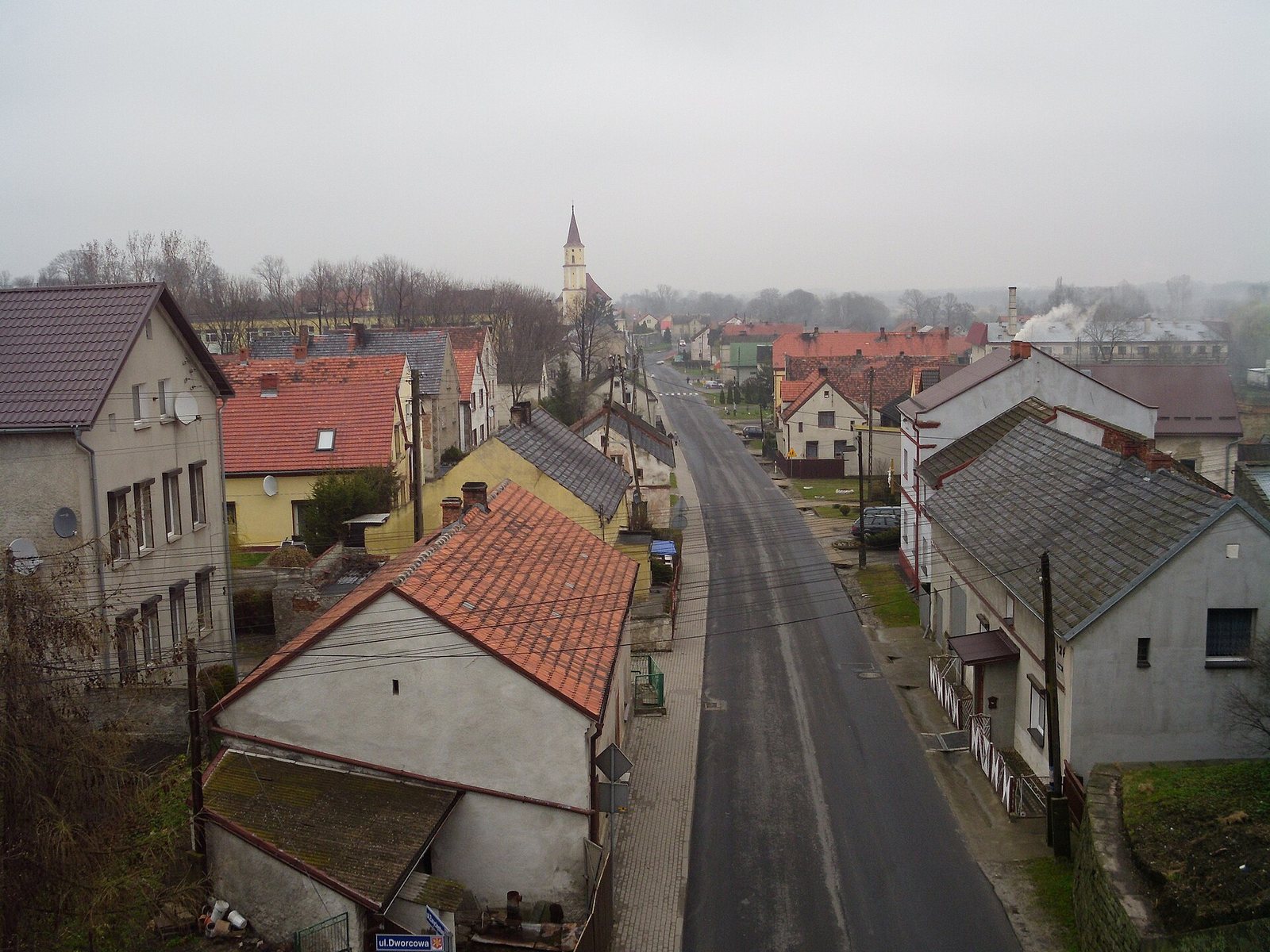
The stone church stands on School Hill in the centre of the village. Its exterior walls are plastered, and its corners are rounded. The nave has an elliptical floor plan and a sail vault, a ceiling formed by curved surfaces rising from a supporting base. A low side aisle and a chapel are also part of the building.
Bell tower
At the west end of the church stands a three-storey bell tower. Its upper stage is octagonal and carries a short spire.
Altars, paintings, and devotional images
The interior contains three marble altars dating from the church’s construction period, as well as an altar modelled on the one in Buszcze and consecrated in 1974. Two paintings are from the Late Renaissance, the later phase of Renaissance art that preceded the Baroque. The church also holds the images of Our Lady of Racławice and Our Lady of Buszcze.