Saint Michael Archangel Church in Cieszyn: A Baroque Parish Church
Site at a Glance
- Popularity
- Very Low
- Country
- Poland
- Primary era
- Early Modern
- Eras represented
- Medieval, Early Modern
- Civilizations
- Unclassified
- Site type
- Religious
- Remains
- Church
On this page9 sections
History
Foundation and consecration
Saint Michael Archangel Church in Cieszyn is a Roman Catholic parish church in Poland, completed before 1699 and designed in the Baroque style. The parish was probably established around the same time. In 1696, the bishop of Wrocław consecrated the church on the second Sunday after the feast of Saint Michael.
The church belongs to the parish of Saint Michael Archangel in Cieszyn, within the Twardogóra deanery, a grouping of nearby parishes, and the Diocese of Kalisz, a territorial church district under a bishop. Its liturgical feast is observed on September 21.
Altars and later history
The main altar and two side altars were brought from the Church of the Holy Cross in Wrocław. Kasper Henryk V, a senior cathedral canon and dean of that church, paid for the main altar.
Remains
Exterior and plan
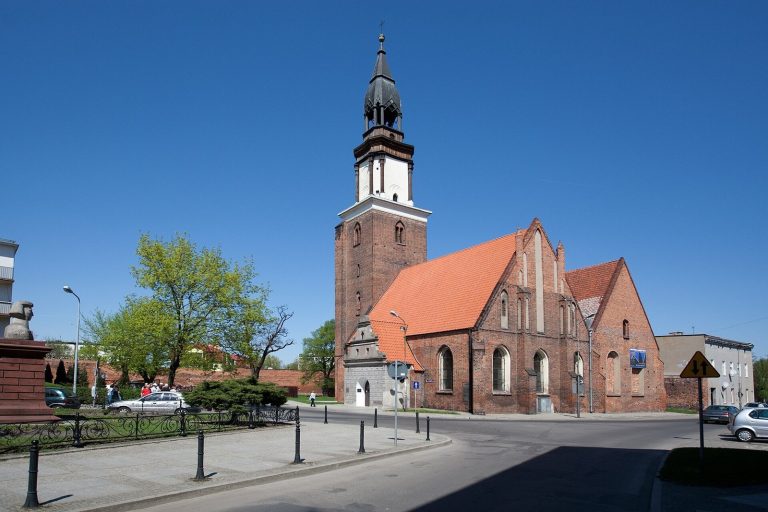
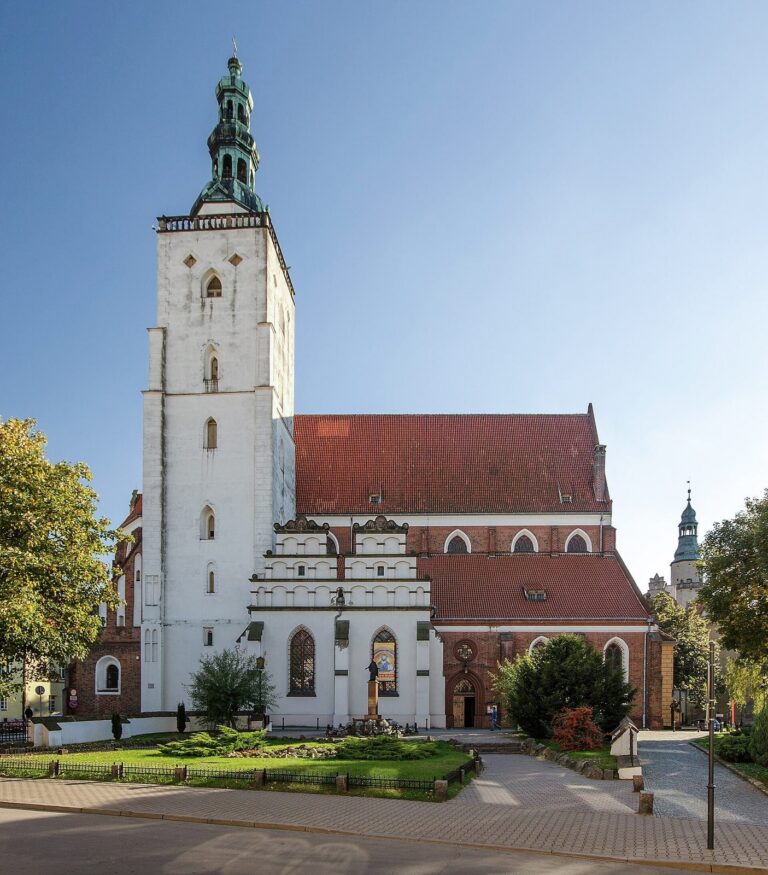
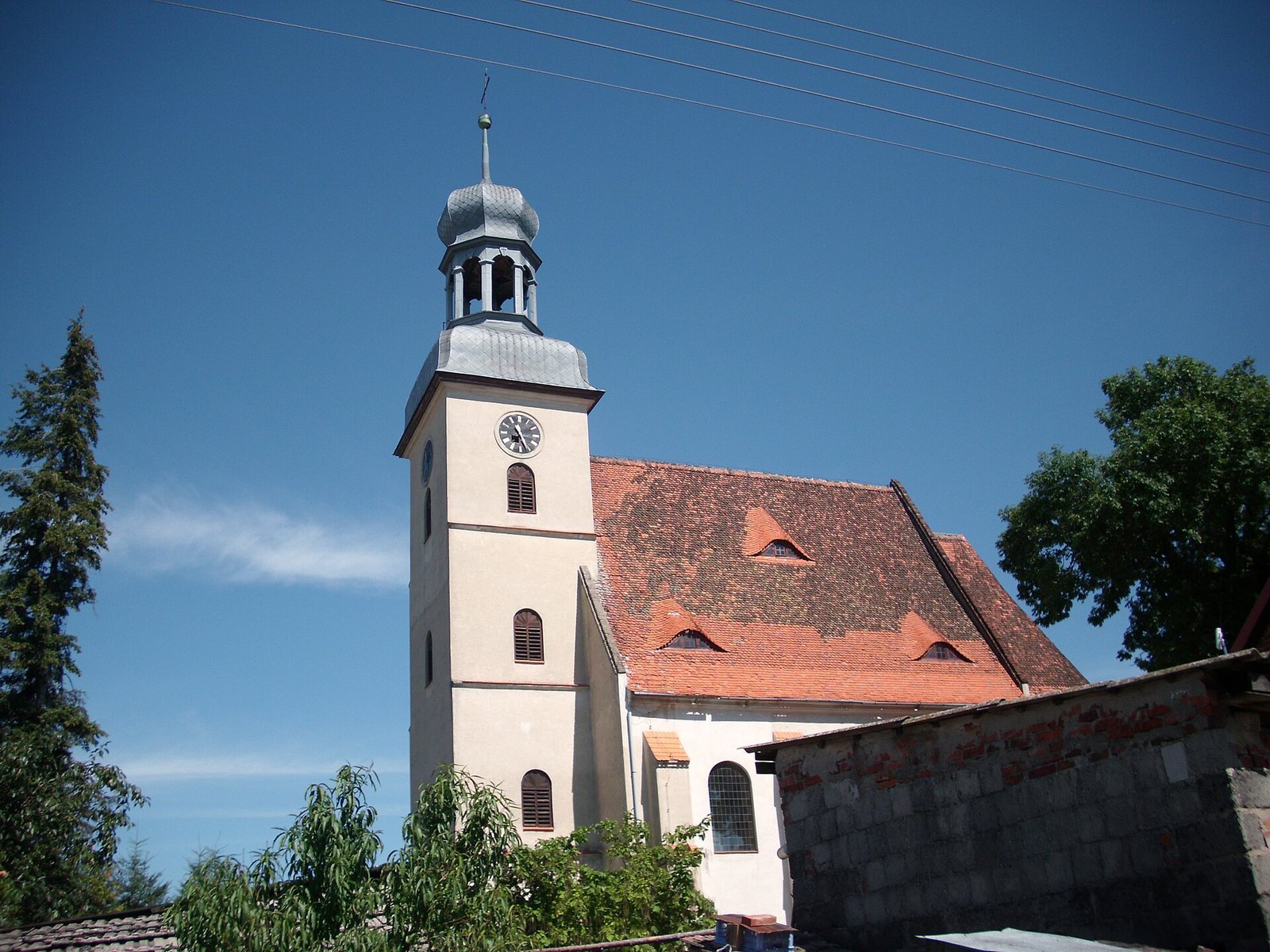
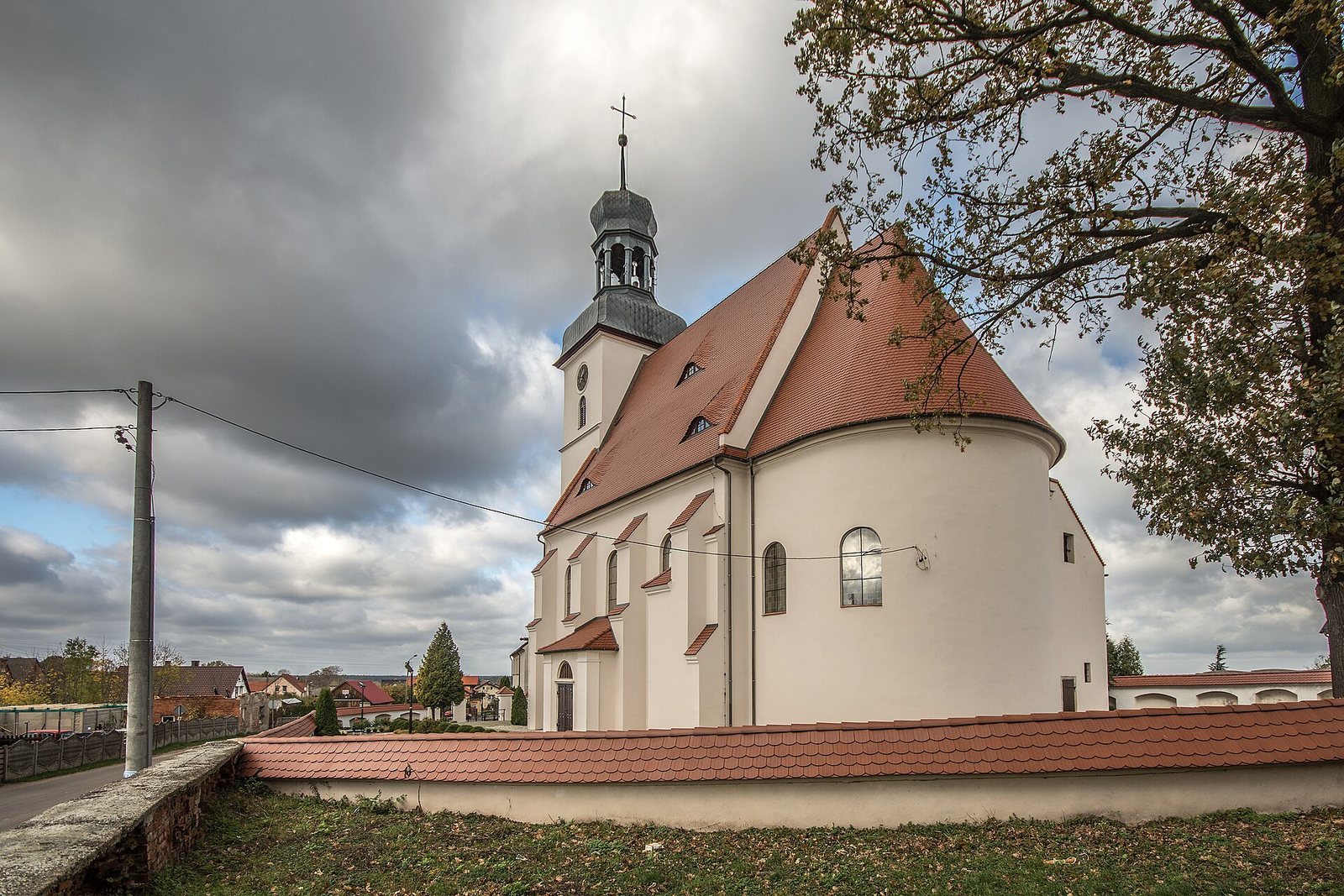
The church is built of brick covered with plaster. Its rectangular nave, the main body of the church, has a tiled gabled roof and adjoins a narrower, lower chancel, the area around the altar, which ends in a semicircular apse, or rounded end. A square, four-storey tower rises against the front façade. Its metal-covered, helmet-shaped roof supports an openwork lantern, a small perforated structure, and a spire topped by a sphere and cross. A bell cast in 1460 hangs in the tower.
Interior fittings and images
Four altars furnish the church, with the high altar at the center of the chancel. The chancel has a barrel vault, a continuous arch-shaped ceiling, with lunettes, curved sections formed where smaller vaults meet it.
Sacristy and gallery
A sacristy, a room for preparing services and keeping religious objects, adjoins the chancel. A patron’s gallery, a raised space associated with a church patron, stands above it and opens into the church through an arch with a decorative frame from the late seventeenth century. A painting of the Ascension is placed on the wall above the gallery. In the sacristy, a Latin prayer inscription appears above two medallion paintings showing a soldier piercing Christ’s side during the Crucifixion, with a cross between them. On the opposite side, a saint holds a small child; beneath that figure, a Holy Family scene shows the infant Jesus raising a wreath of flowers above Mary’s head.
Main altar
The main altar’s columns support an entablature, a horizontal structure resting on columns. Sculptures of saints and angels stand between the columns, while reliefs of the four Evangelists occupy the side panels. The central painting, dated 1661, shows Saint Michael fighting Satan, the adversary of God in Christian tradition. Above it is a painting of Saint Joseph holding the infant Jesus. Fire damaged the altar’s left side in 1942, after which it was restored and partly reconstructed.
Side altars
The left side altar contains a sculpture of the Immaculate Virgin dated 1700. Mary wears a dark-blue mantle edged in gold and a starry crown, and clasps her hands. Two small angels appear above her head, with two more flanking the image. The right side altar, in the south nave, contains a 1499 late-Gothic relief, a carved image in a later medieval style, of Saint John the Baptist preaching in the wilderness. The relief is in the Dutch style.