Saint Clement of Rome Church (Torzhok): A Russian Orthodox Church
Site at a Glance
- Popularity
- Low
- Country
- Russia
- Primary era
- Early Modern
- Eras represented
- Early Modern, Modern
- Civilizations
- Russian
- Site type
- Religious
- Remains
- Church
On this page7 sections
History
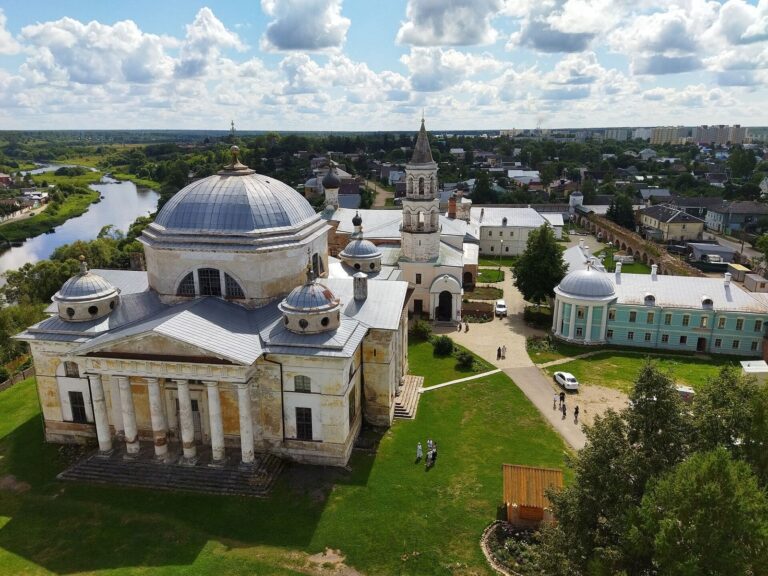
Saint Clement of Rome Church is a Russian Orthodox church in Torzhok, Russia. In 1372, it was one of three stone churches to survive the city’s devastation by Mikhail, Prince of Tver, ruler of a medieval Russian polity centered on Tver. Its surviving stone building was constructed in 1685 with funds from the merchant Mishurin and follows Russian Classicism, an architectural style drawing on classical Greek and Roman forms.
Nineteenth-century renewal
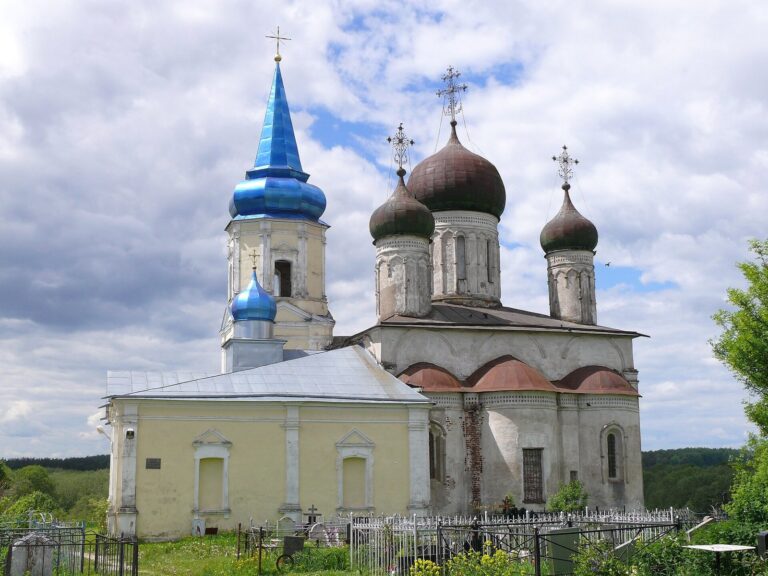
The church was renewed in 1835. This work included the construction of a new bell tower.
Revolution and return to worship
Before the 1917 October Revolution in Russia, the street now called Lunacharsky Street was named Clement Street after the church. The church closed in 1931. It was designated a Russian cultural heritage property of federal significance in 1995 and returned to worship in 1999. It is active and affiliated with the men’s Boris and Gleb Monastery, named for early Rus’ princes venerated as Christian saints, within the Diocese of Tver, an ecclesiastical jurisdiction of the Russian Orthodox Church.
Remains
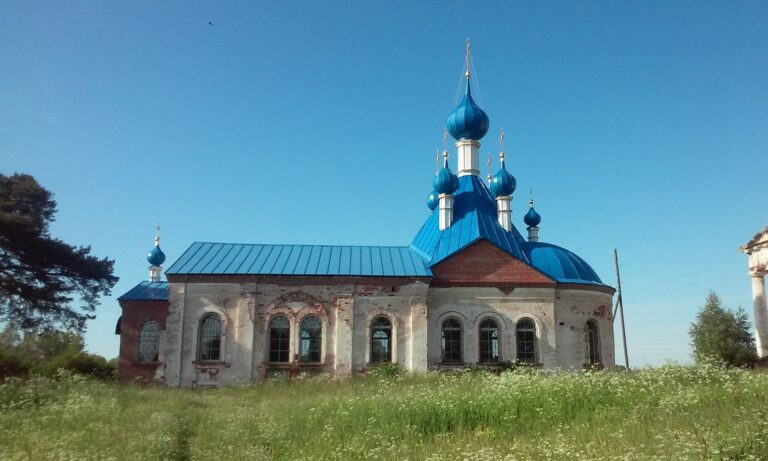
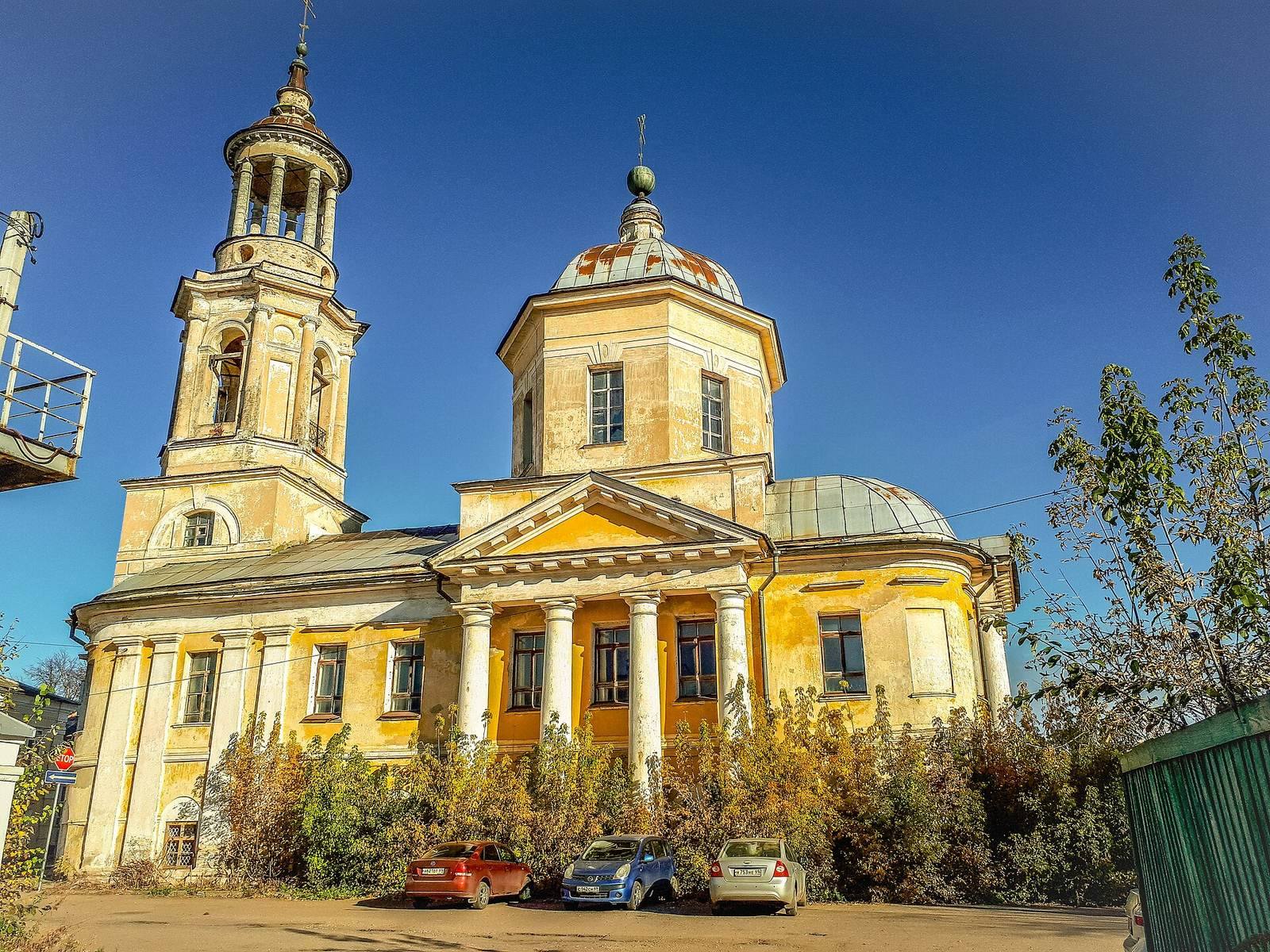
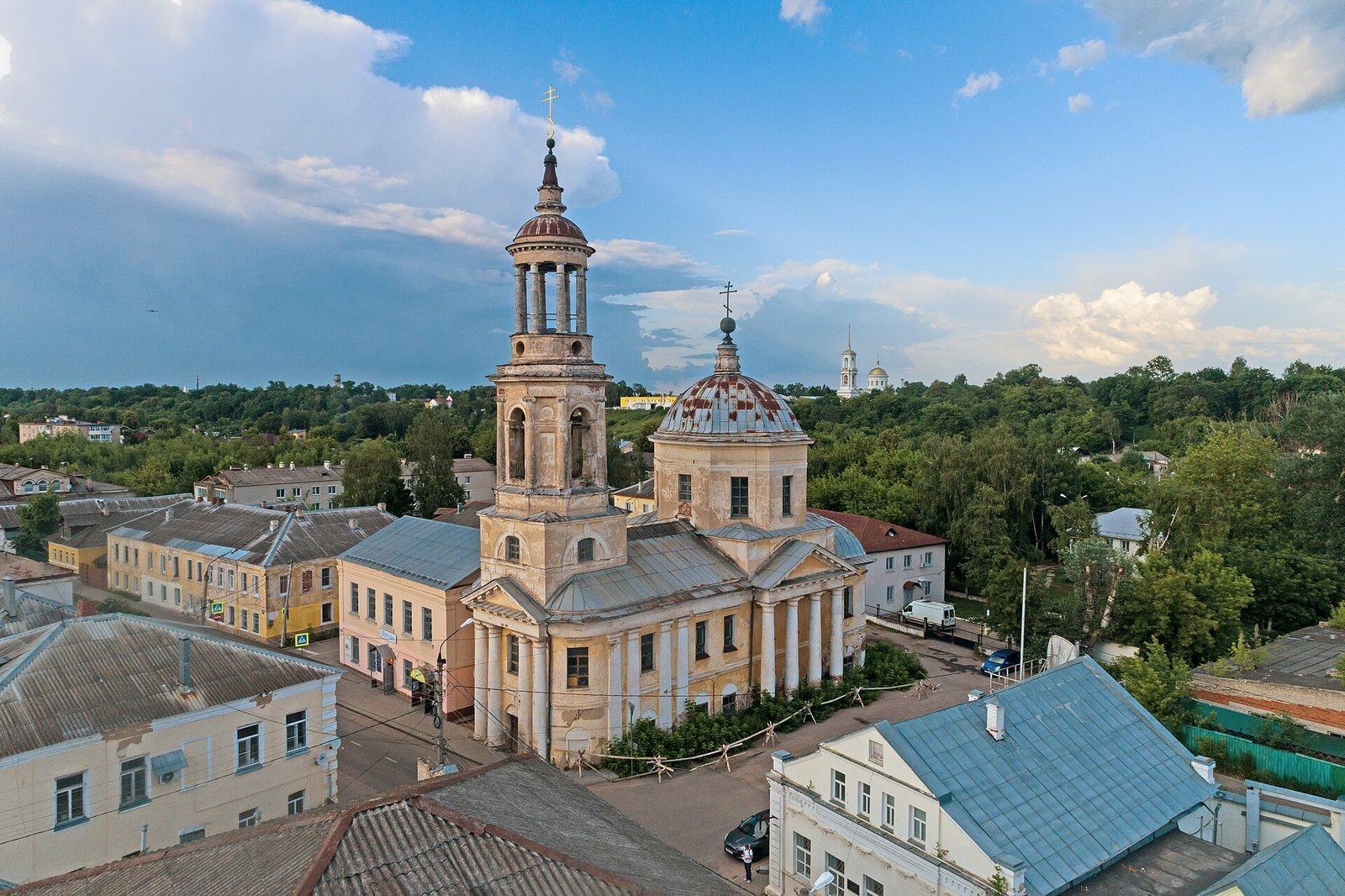
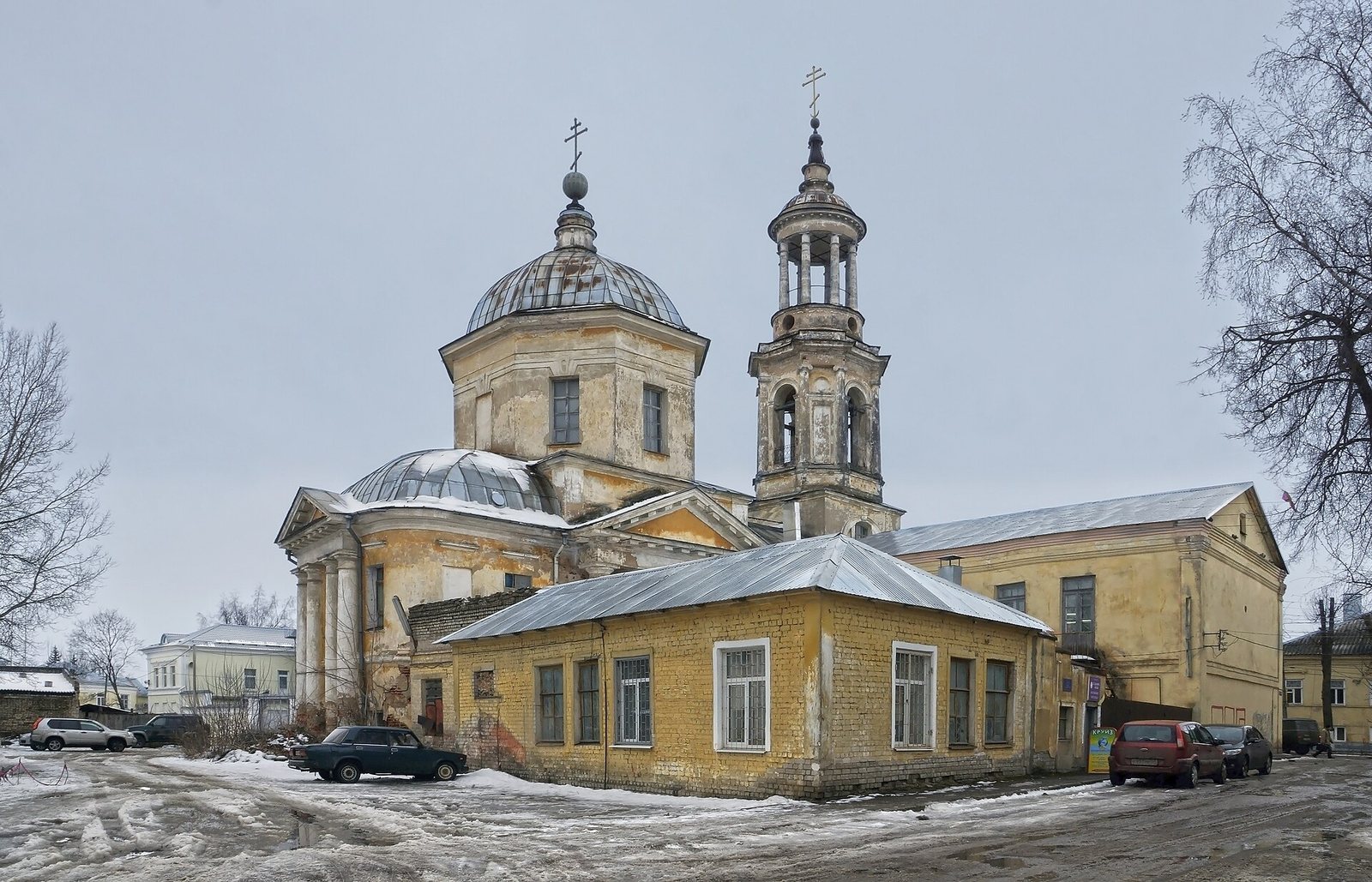
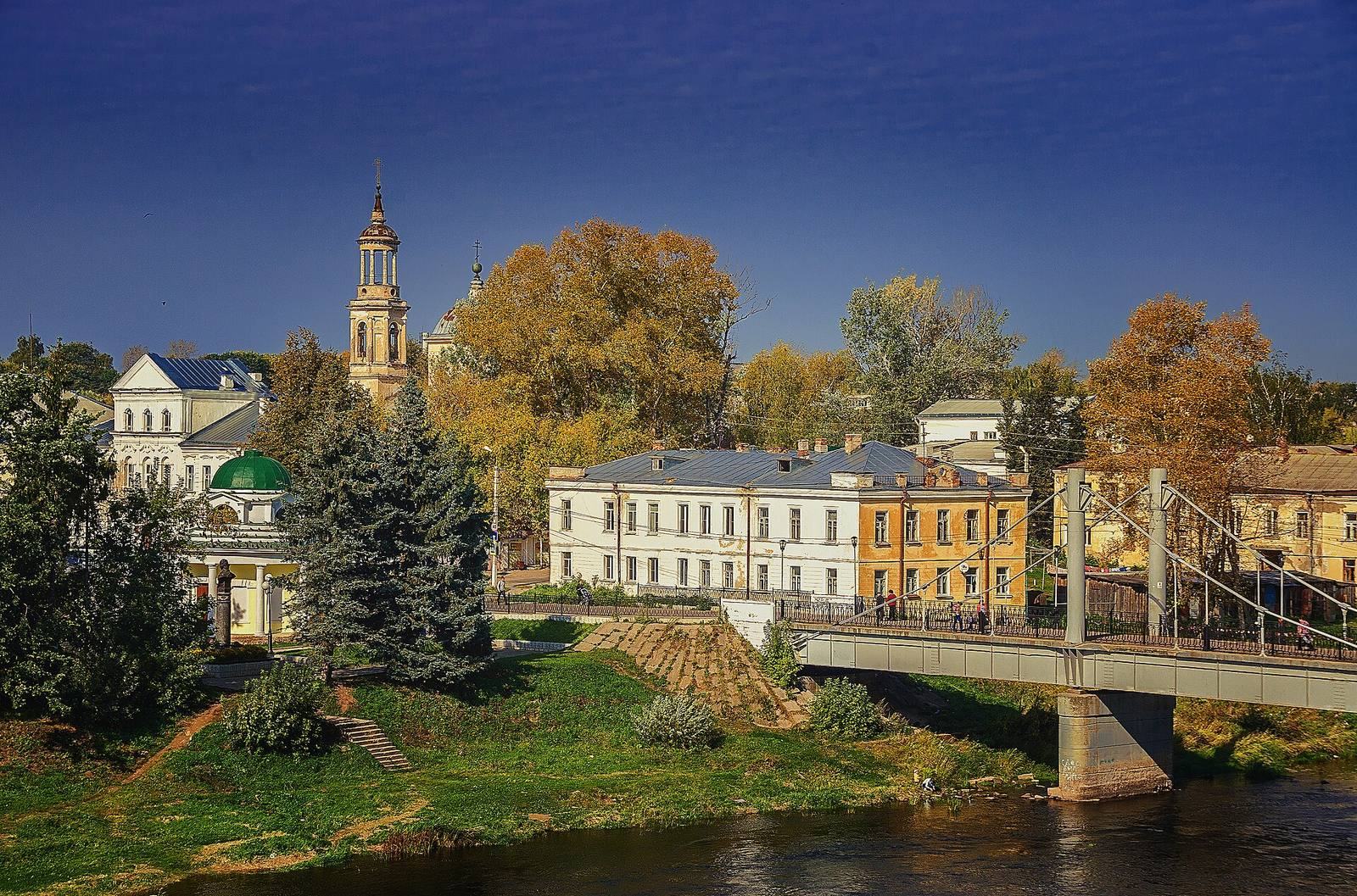
The church is a two-storey stone building with two spires, designed in the Russian Classicist style. Its two floors contain altars dedicated to different Christian figures and events.
Church features and sacred object
Altars and bell tower
The upper storey’s altar is dedicated to the Annunciation of the Blessed Virgin Mary, the Christian celebration of the angel Gabriel’s announcement that Mary would bear Jesus. The lower storey’s altar is dedicated to Clement of Rome, an early Christian leader traditionally identified as a bishop of Rome and venerated as a saint. The church’s bell tower was built in 1835.
Relic icon
An icon containing 18 fragments of saints’ relics was regarded as the church’s principal sacred object. The merchant Elizarov left it to the church in his will.