Rygge Church: A Romanesque Medieval Church in Norway
Site at a Glance
- Country
- Norway
- Primary era
- Medieval
- Eras represented
- Medieval, Early Modern, Modern
- Civilizations
- Danish, Norwegian
- Site type
- Religious
- Remains
- Church
On this page12 sections
History
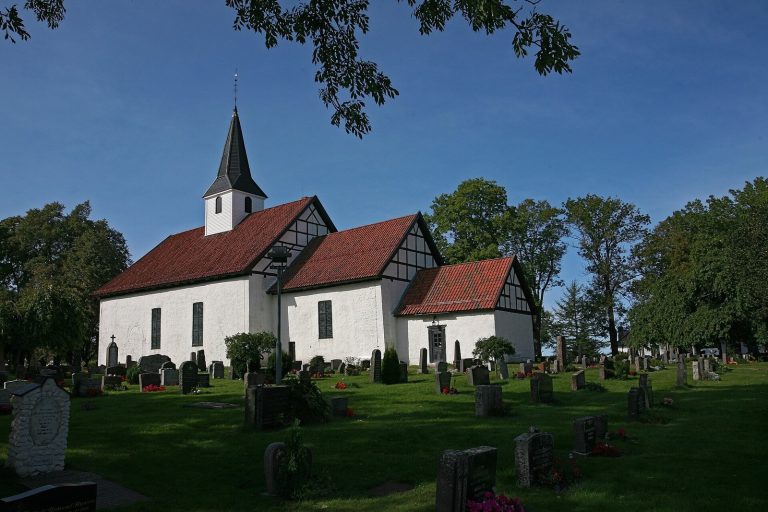
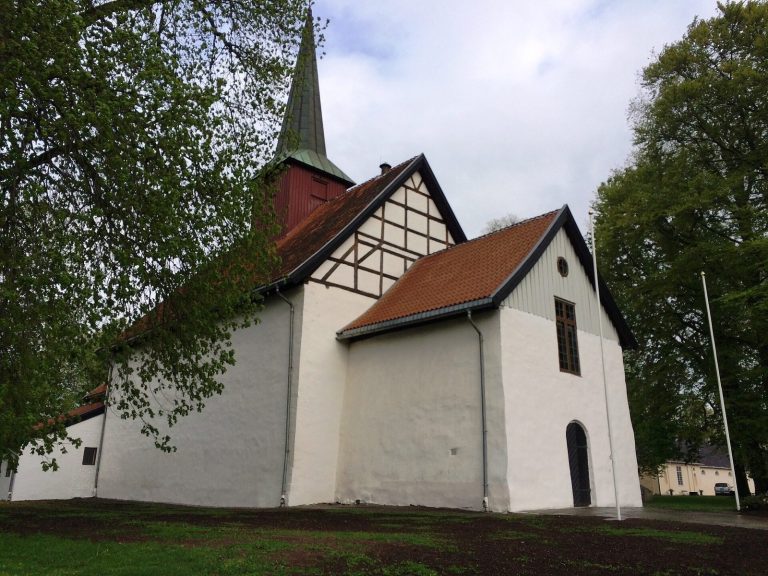
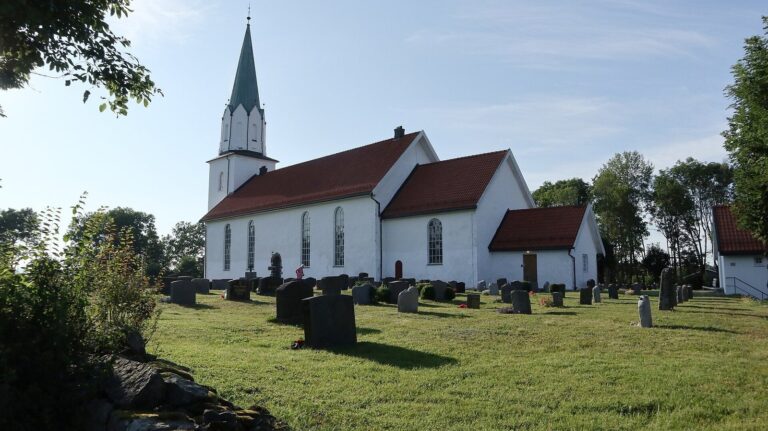
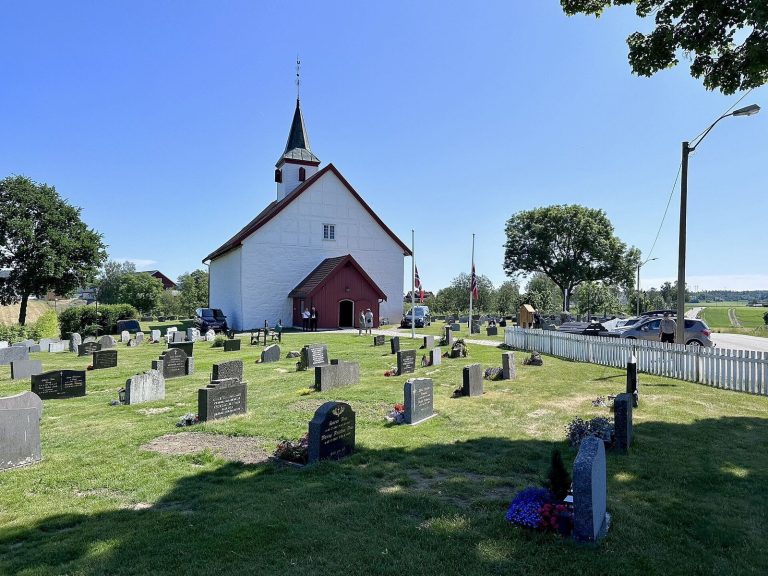
Rygge Church is a medieval stone church in Rygge, Norway, built in the Romanesque style, a medieval European tradition of substantial masonry and rounded forms. Construction may have begun around 1120, although the church is also dated to about 1170. Unlike Norway’s earliest churches, generally small wooden buildings, Rygge was an expensive and technically advanced stone-building project. It is among the largest and best-preserved medieval churches in Østfold, and is noted for its rich furnishings.
Medieval foundation and role
Rygge began as a chapter church, associated with a body of clergy serving the church. It drew income from a district larger than a single parish and served several villages.
Alterations and continuing use
The church was altered in 1724, 1856, and 1967, and restored in 1967. It belongs to the Church of Norway, the Lutheran church institution in Norway, and serves Rygge parish, a local congregation and its area. The parish is within Borg Diocese, a church district overseen by a bishop, and Vestre Borgesyssel Deanery, a smaller grouping of congregations. Rygge was part of Rygge municipality through 2019 and has been within Moss municipality since 2020.
Remains
Plan and masonry
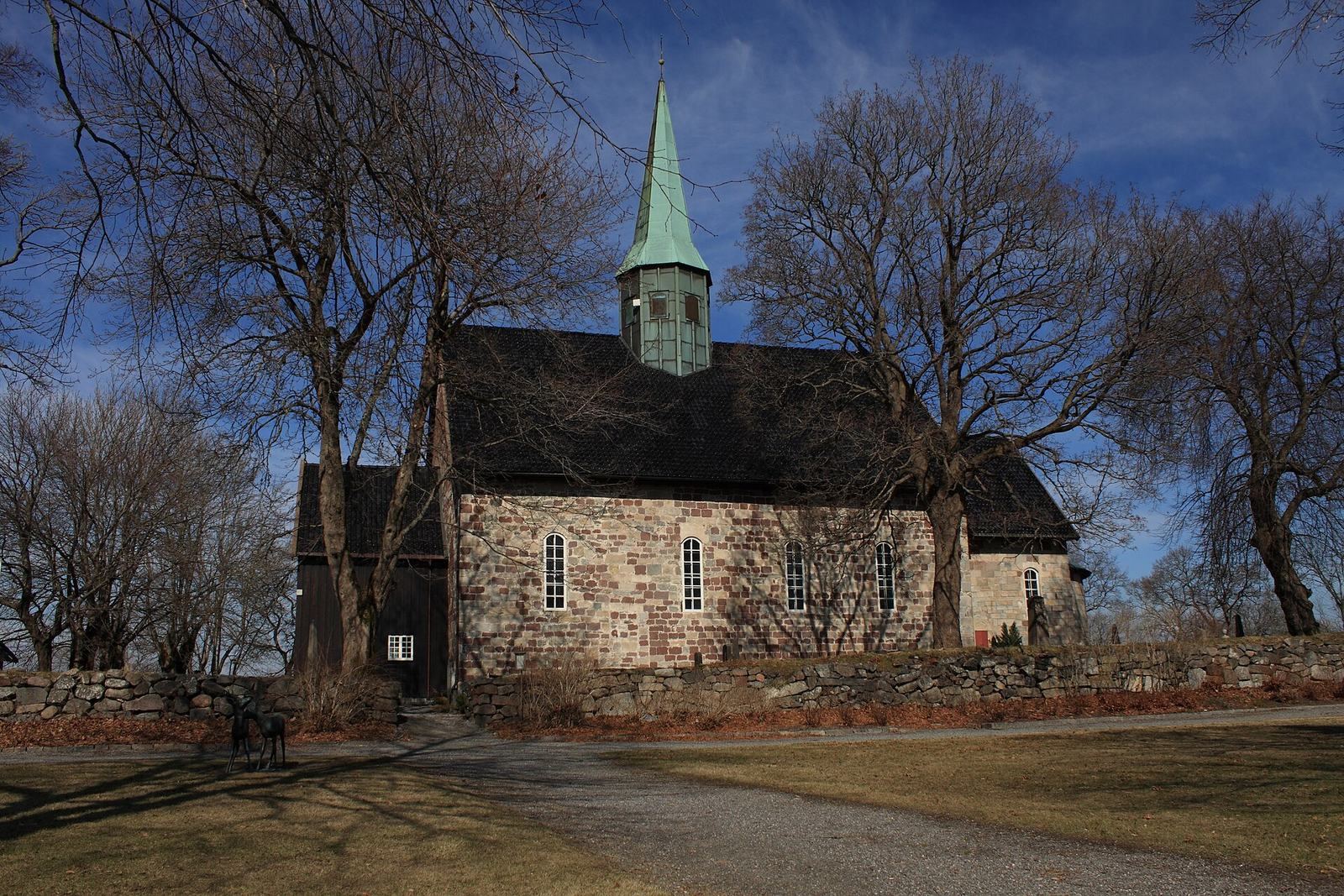
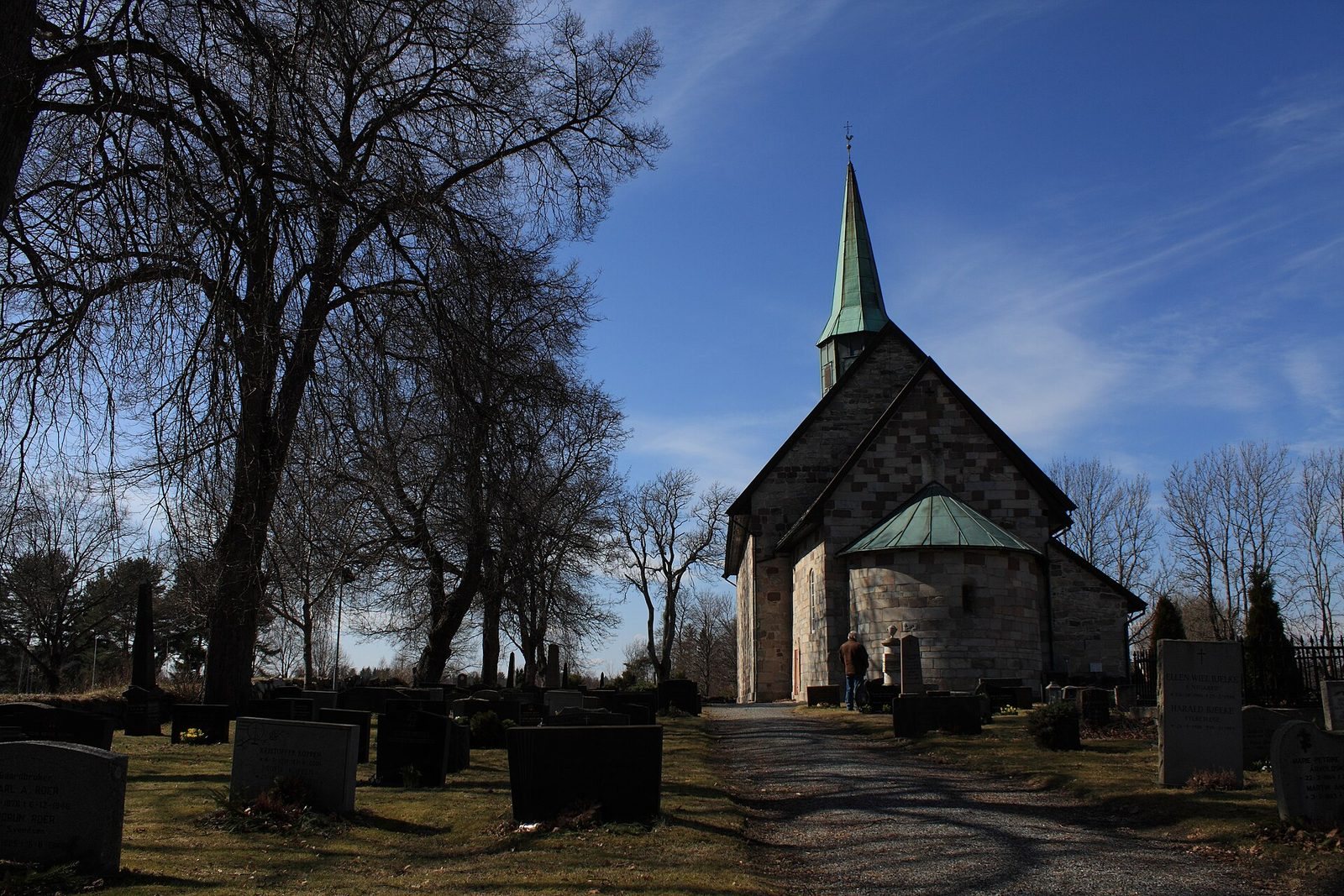
The church is a Romanesque, single-nave long church, with its nave and choir arranged along one axis. A roof turret rises above the nave. The building measures 31.5 metres from end to end; the nave is 21 metres long, the church is 14 metres wide, and the choir measures 7 by 9 metres. Seating is provided for 270. Its finely cut square stone blocks alternate in color, creating a distinctive pattern. The walls combine gray and blue-gray granite and gneiss with reddish-brown porphyry. Red Tønsbergite was carried by boat across the Oslofjord from Vestfold, while white Iddefjord granite occurs locally in Rygge. Rygge is described as the only church in Østfold built with this kind of square-block masonry.
Roof and doorways
The medieval timber roof structure survives beneath clay tiles. The oldest and newest surviving timbers date to 1121 and 1169 respectively, indicating separate building phases. Door surrounds frame entrances on the outside and inside of the church, including the choir and processional doorways.
Furnishings and carved decoration
Altarpiece
Given to the church in 1740, the Baroque altarpiece, in an elaborate and dramatic artistic style, is most likely the work of Norwegian painter and woodcarver Thomas Blix; a pupil completed it. It has two tiers, with a lower section and a crowning framed by side wings decorated with vines. Its original colors, applied in 1740, have not been covered by later painting. The central field shows Christ crucified, with the church and rectory pictured to either side. Other scenes show the Communion and the risen Christ. Figures represent temperance, justice, love, faith, and hope; Moses, a biblical leader, and John the Baptist, a biblical preacher associated with Jesus, also appear.
Font, cross, and pulpit
The soapstone Romanesque baptismal font dates to the 13th century, about 1225, and remains in use for baptisms. A Romanesque triumphal cross, a large crucifix at the boundary between nave and choir, dates to about 1200. A 14th-century wall painting survives in the church. The pulpit dates from the 1670s and carries images of the four Evangelists, figures associated with the canonical Gospels.
Catechism panel and stone reliefs
A catechism panel, presenting a summary of Christian doctrine and dating to about 1600, now hangs in a bricked-up opening in the choir’s north wall. A stone relief is positioned above the south doorway. On the apse, the recess at the church’s end, a granite relief depicts a lion attacking a person.
Memorials and organ
The church also contains several old crucifixes and epitaphs, memorial inscriptions or monuments to the dead. An angel is identified among its pictured objects. A Danish organ builder, Bruno Christensen, made the organ installed in 1980.
Churchyard and funeral chapel
The churchyard lies on both sides of County Road 332 and is the municipality’s only cemetery. A funeral chapel dating to 1962 stands on the south side of the road.