Fort São Sebastião de Xama: A Portuguese and Dutch Fort in Ghana
Site at a Glance
- Country
- Ghana
- Primary era
- Early Modern
- Eras represented
- Early Modern
- Civilizations
- Dutch, Portuguese
- Site type
- Military
- Remains
- Fort
On this page10 sections
History
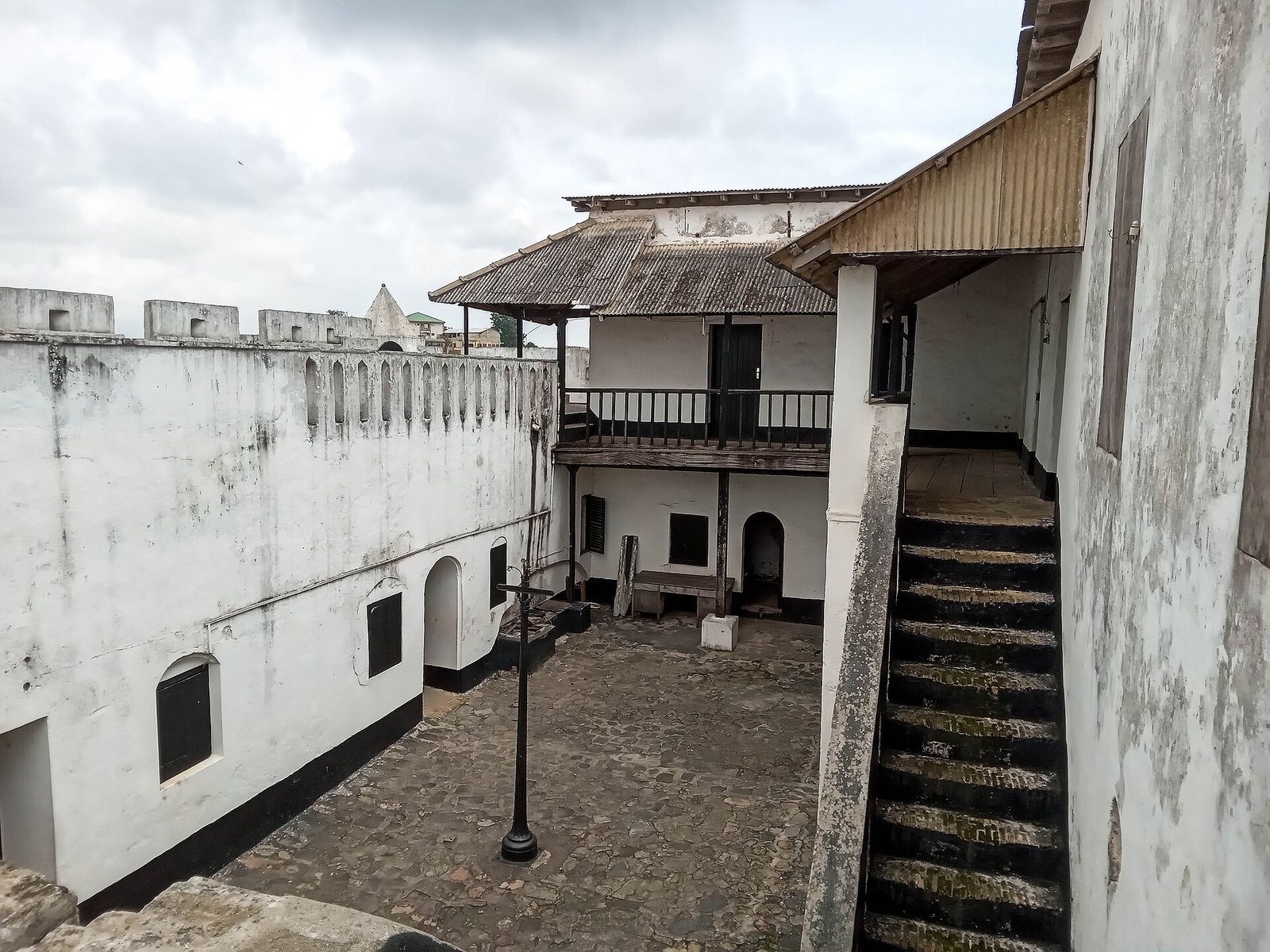
Fort São Sebastião de Xama is a coastal fort in Shama, Ghana. The Portuguese established a temporary post there between 1520 and 1526 to trade in gold and deter English sailors from interfering in local commerce. It is described as Ghana’s third-oldest fortification and the third-oldest colonial fortification on the Gold Coast, the historical name for the coastal region that includes present-day Ghana.
Portuguese trading post
The Portuguese began building a permanent fortification in 1546. A Venetian map dated 1564 depicts a fort at the site, and a predecessor to the present fort was constructed during the 1620s.
Dutch rebuilding and military use
The Portuguese abandoned the fort in 1637. Dutch forces occupied it the following year, when it was largely ruined. The Dutch West India Company, a Dutch chartered trading and colonial company, rebuilt and substantially expanded it between 1640 and 1643. Portugal formally ceded the fort to the Dutch on 9 January 1642.
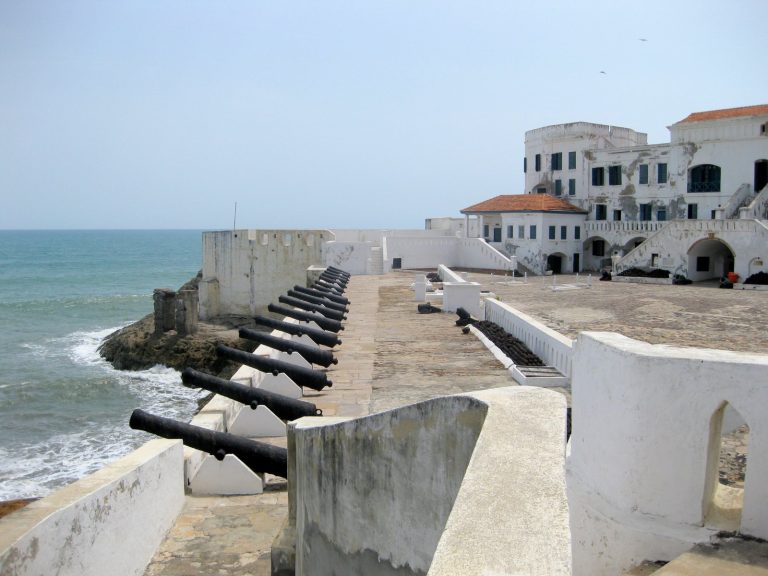
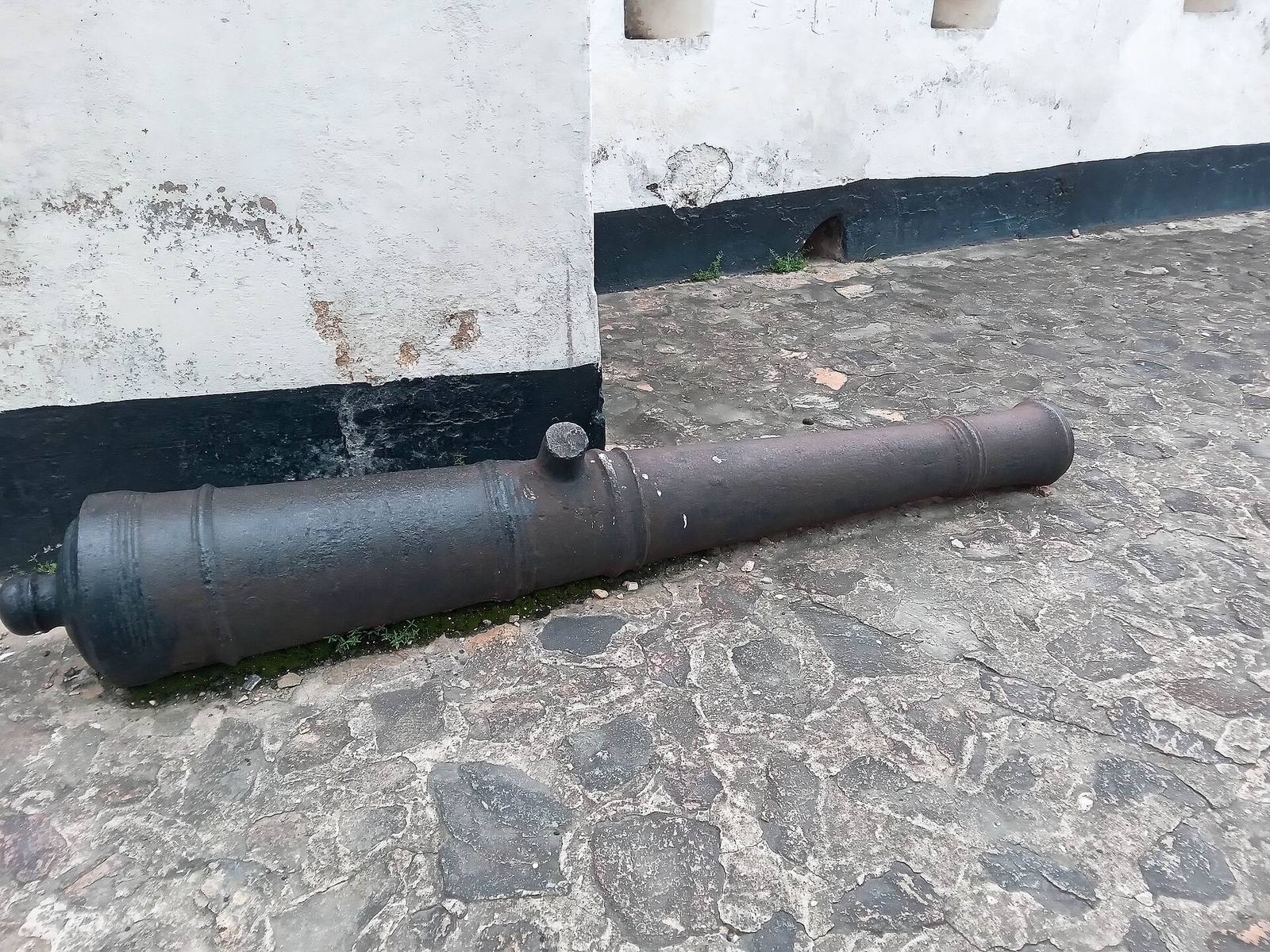
During the Second Anglo-Dutch War, a mid-17th-century conflict between England and the Dutch Republic, English forces attacked the fort around 1664–65 and may have captured it briefly. The Dutch had regained control by 1665 and enlarged the fort. An inventory from 1679 lists 12 cannons.
Trade and changing uses
The Dutch West India Company officially described the fort as a station supplying water and firewood, but it was also used in the trade in gold and enslaved people. Enslaved Africans were imprisoned there while awaiting transport to North America. By 1705, the fort appears to have served as a water and firewood supply station rather than a trading post.
Anton Wilhelm Amo, an 18th-century philosopher and scholar described as the first Black professor at a European university, lived at the fort in the 1750s. Whether the Dutch held him captive there is uncertain. A cotton plantation operated nearby from 1765 to 1783.
British transfer and modern preservation
Abandoned by the Dutch, the fort passed to Britain in 1872 with the Dutch Gold Coast under the Sumatra Treaty, which provided for an exchange of colonial possessions between Britain and the Netherlands. The fort was restored between 1954 and 1957, the year Ghana became independent. It was declared a national monument in 1972 and joined the UNESCO World Heritage property Forts and Castles, Volta, Greater Accra, Central and Western Regions in 1979, alongside 27 other forts. World Heritage status recognizes places considered to have outstanding value to humanity.
In 2013, the Zamani Project, a heritage research initiative, used ground-based 3D laser scanning to record the fort’s surfaces for research, education, restoration, and conservation. The fort now houses a post office, a civil court, and offices of Ghana’s Electoral Commission.
Remains
Fortifications and site features
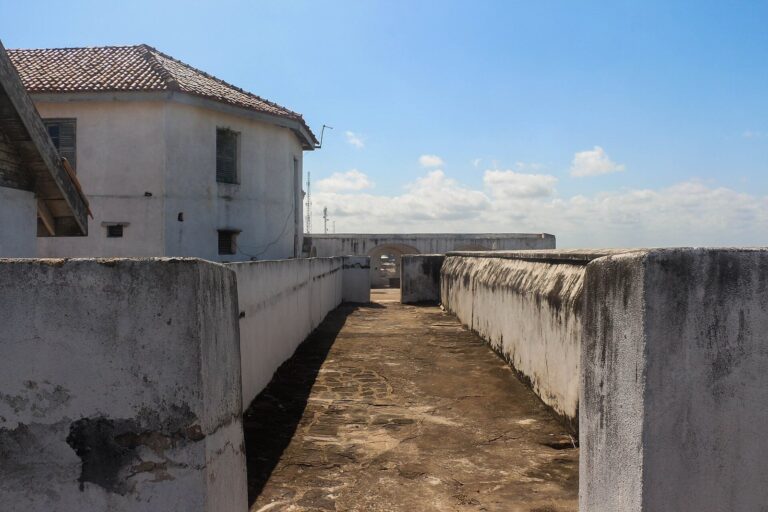
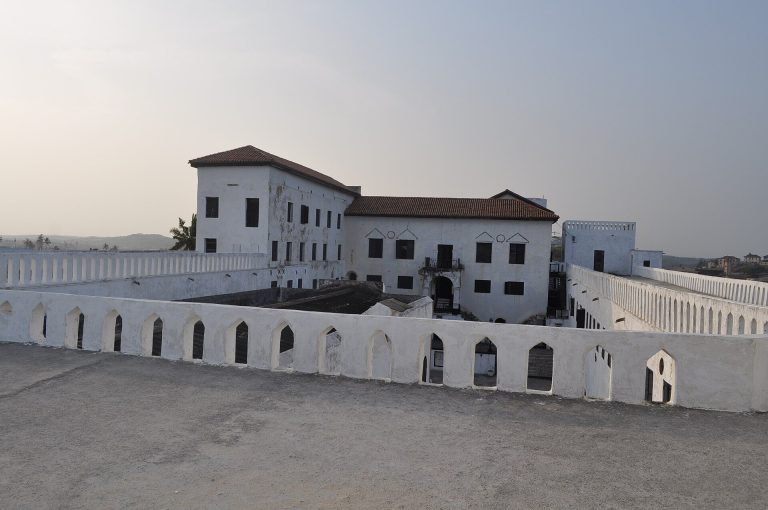
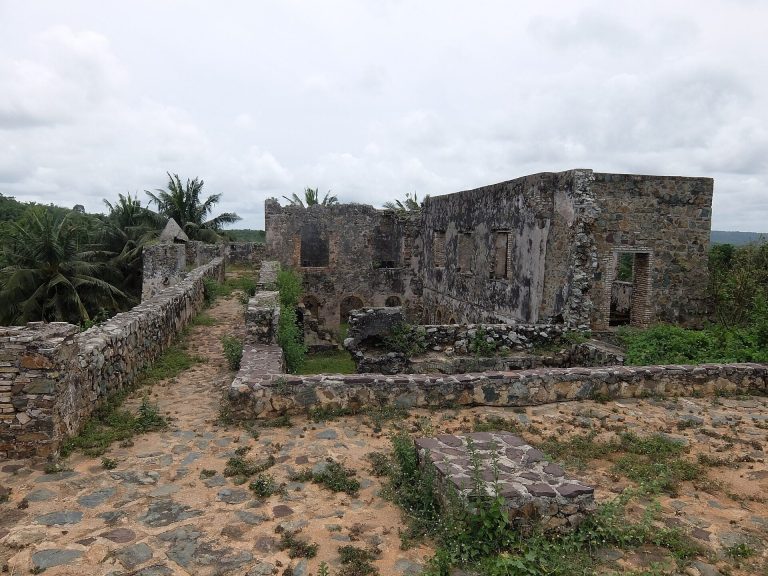
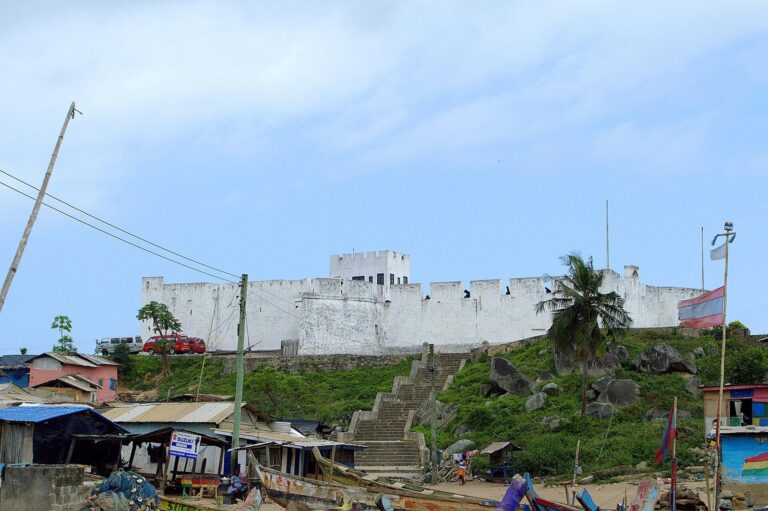
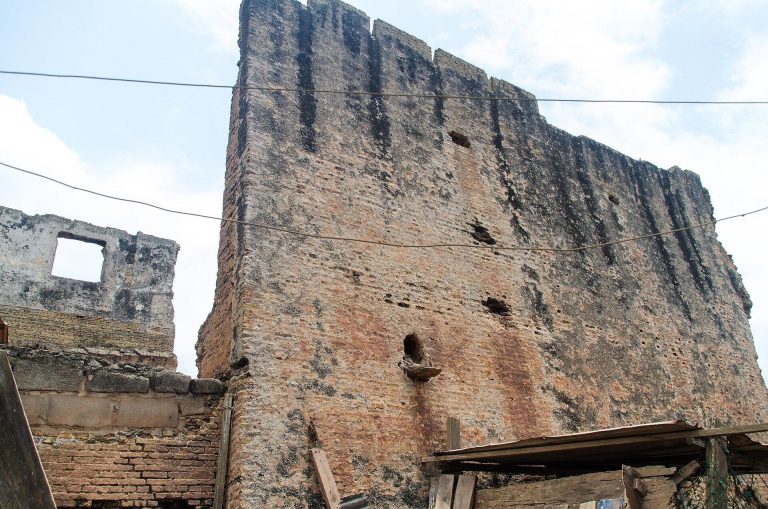
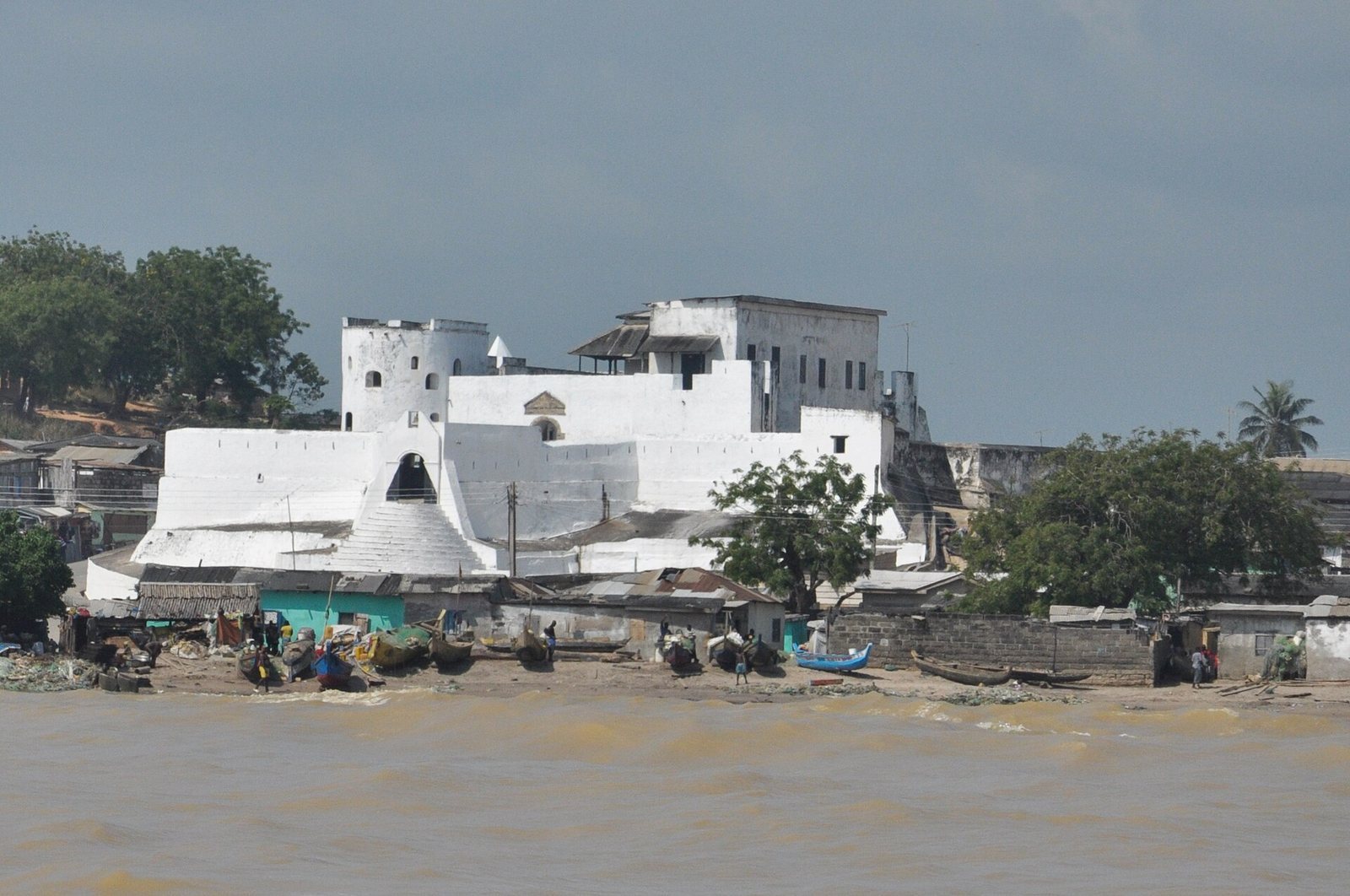
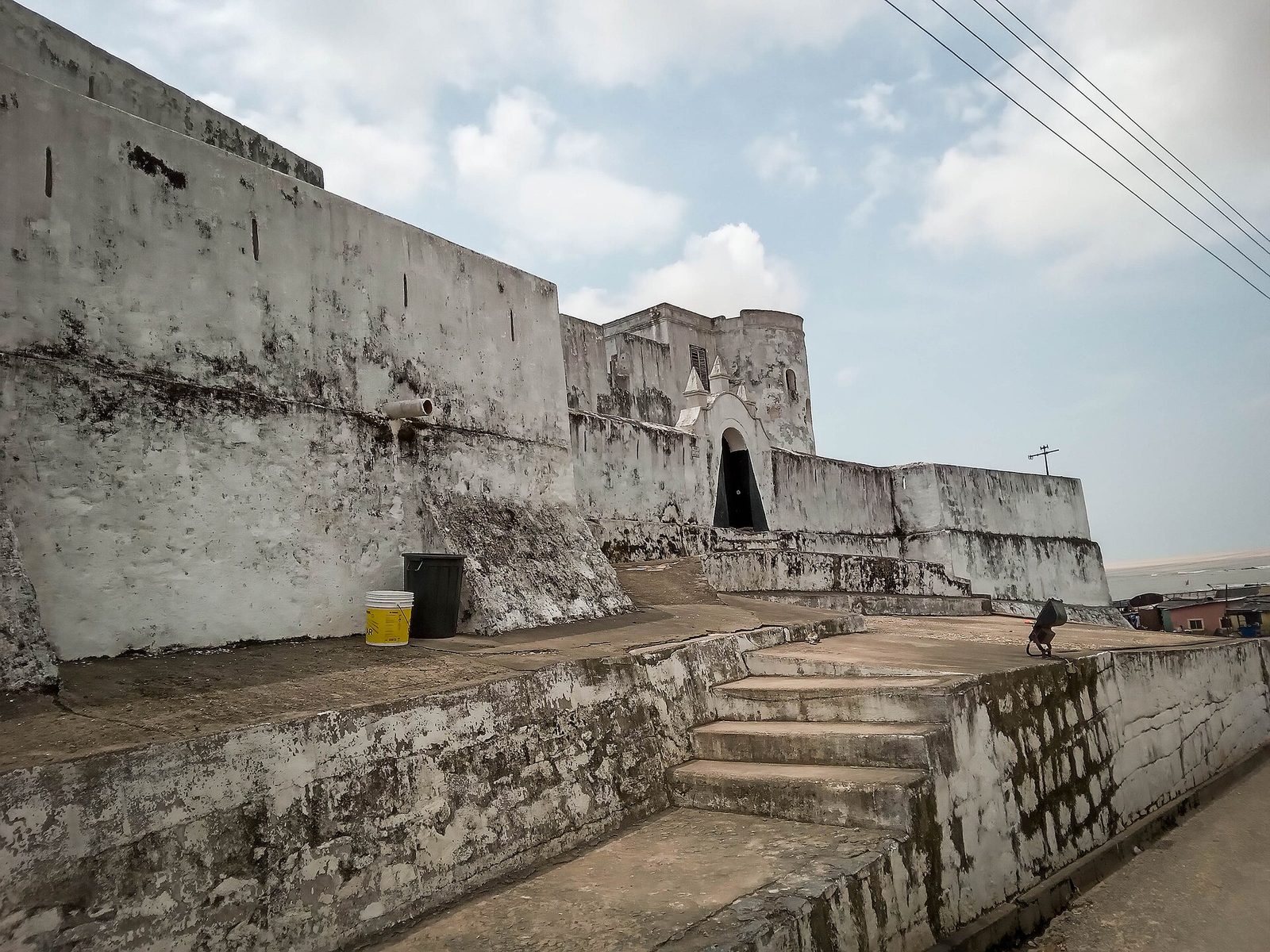
The fort stands on a hill of soft laterite at the mouth of the Pra River. Its surviving form is predominantly the result of Dutch work, while the original Portuguese fortification survives only in small part. The outer walls and main entrance form the principal features described at the site.
Walls and defensive design
The Portuguese fortification took the form of a stone palisade and a tower. The fort’s design has been compared to smaller versions of Fort São Jorge at Elmina and the Castle of São Jorge in Lisbon, and incorporated elements from Mazagão, a Portuguese fortress in Morocco. Heavy rainfall erodes the laterite hill and has damaged the masonry; supporting structures were added to the outer walls.
Main entrance
A broad staircase rises from the direction of Shama to the main entrance gate. It is thought to have been intended to conceal damage to the masonry.
Cemetery
The cemetery within the fort contains the grave of Anton Wilhelm Amo.