Våle Church: A Romanesque Parish Church in Norway
Site at a Glance
- Country
- Norway
- Primary era
- Medieval
- Eras represented
- Medieval, Early Modern, Modern
- Civilizations
- Denmark–Norway, Norwegian
- Site type
- Religious
- Remains
- Church
On this page9 sections
History
Christianization and medieval construction
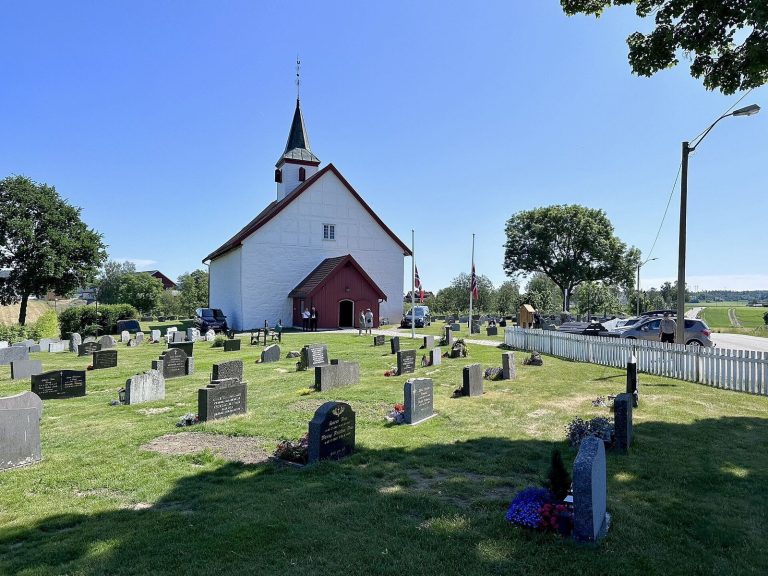
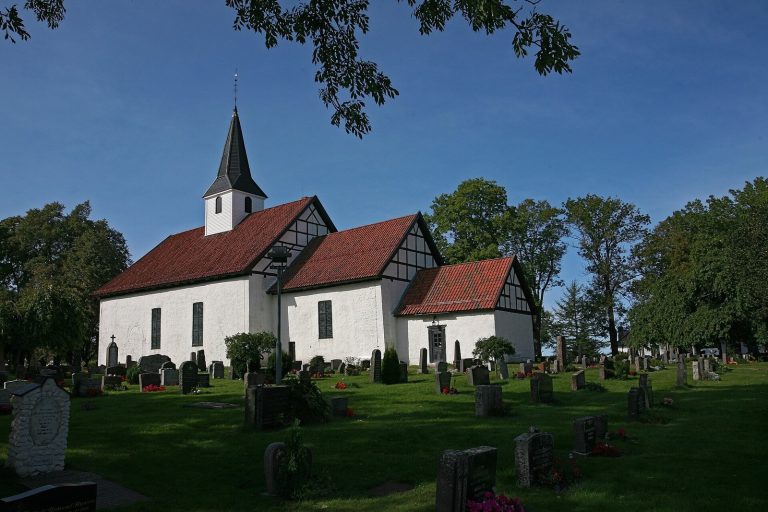
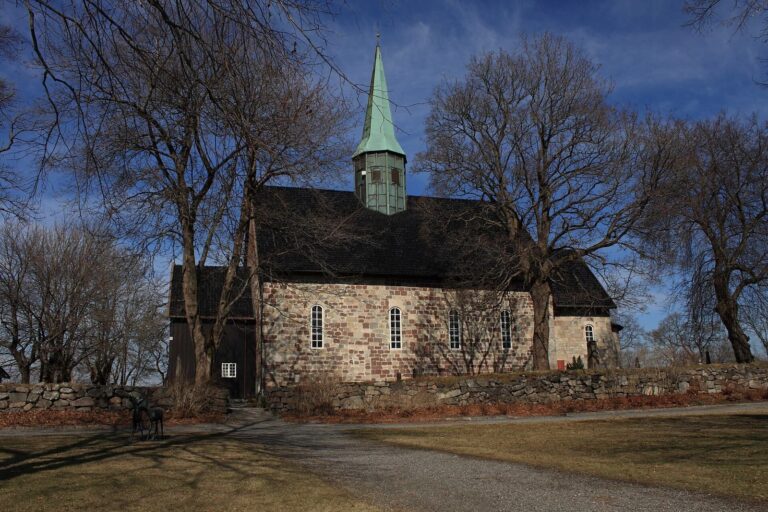
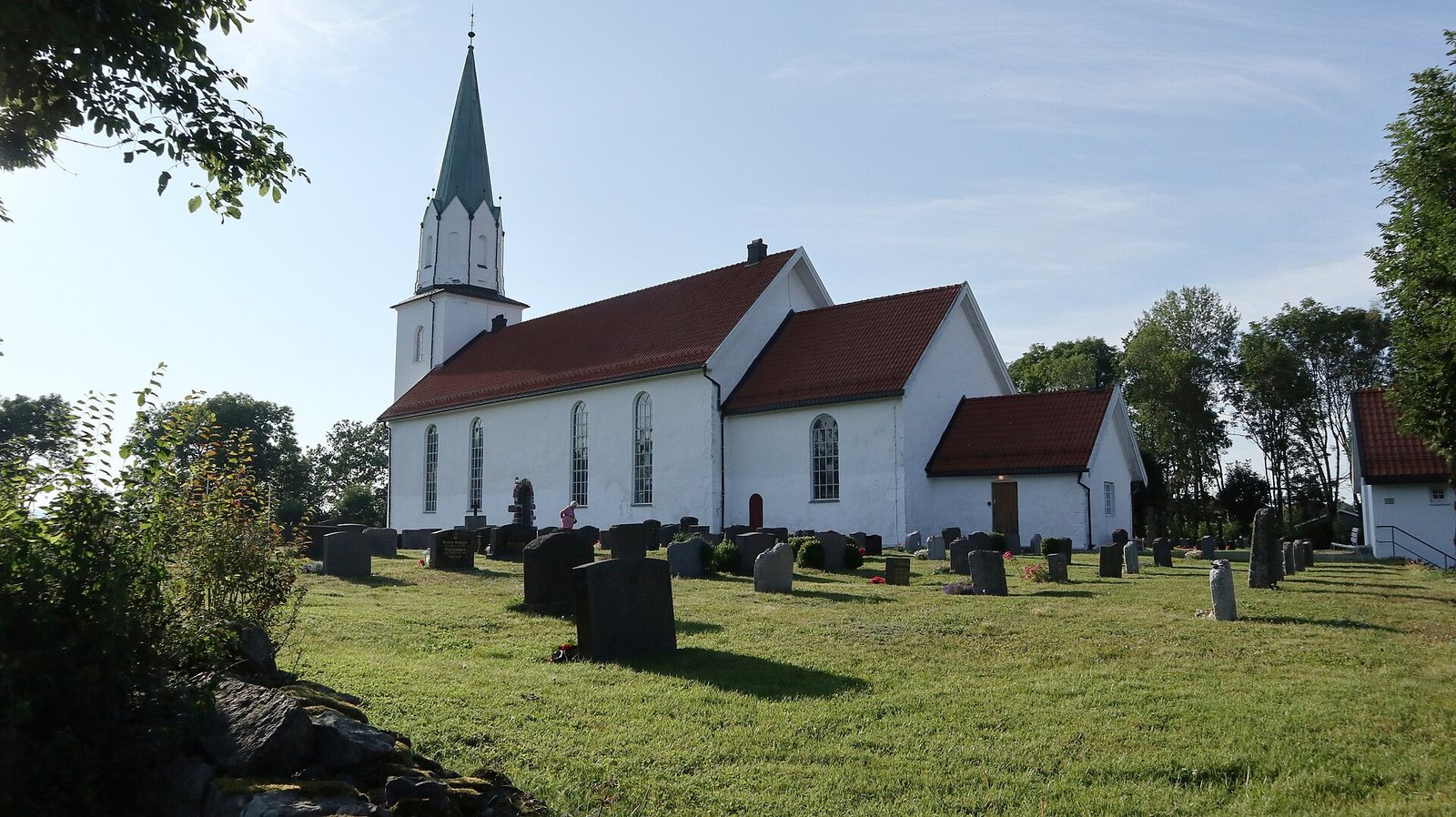
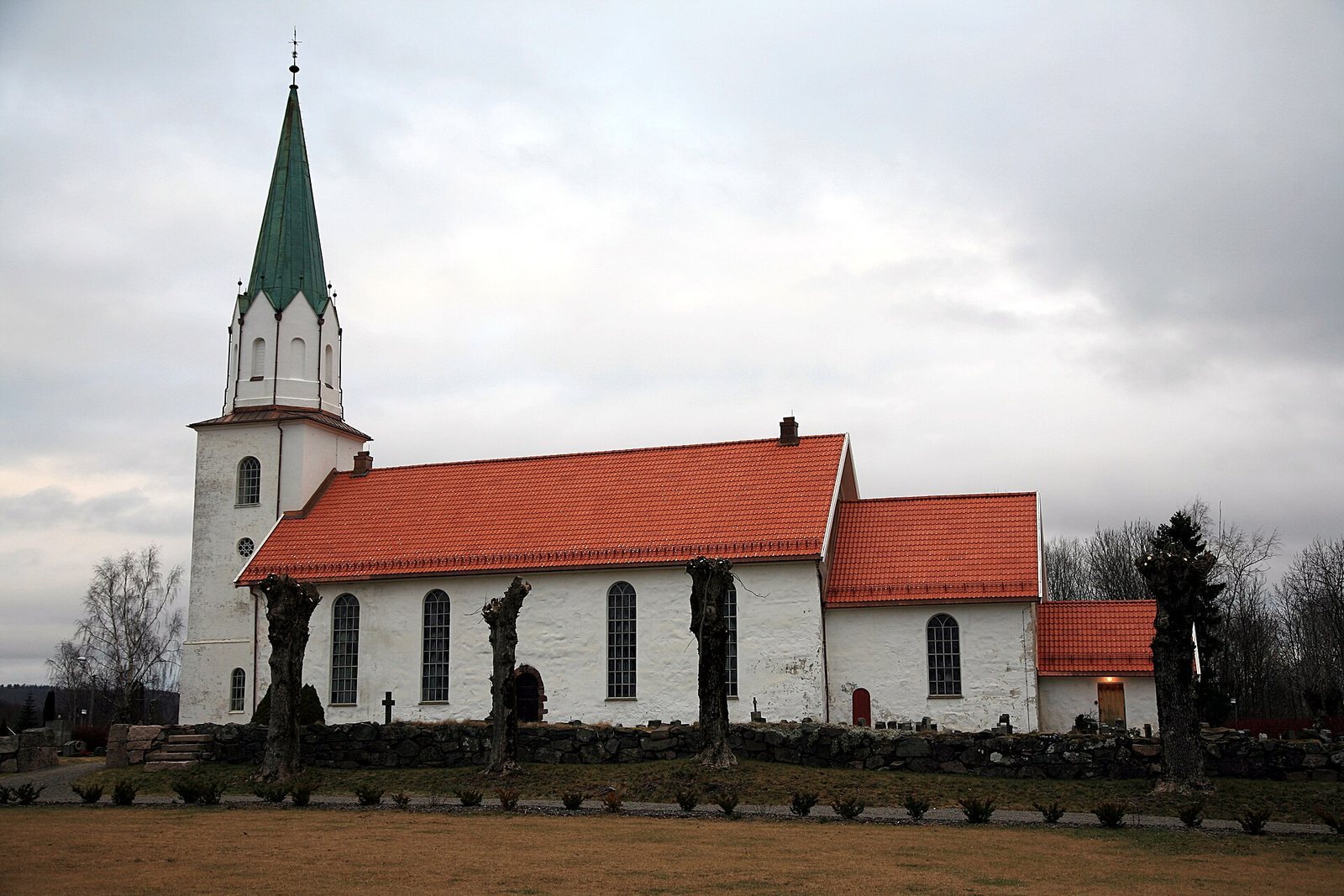
Våle Church is a stone parish church in Våle, Tønsberg Municipality, Norway, built around 1190 in the Romanesque style, a medieval form known for rounded arches. Danish and German craftsmen are believed to have built it, though its architect is unknown.
The area was Christianized under Norwegian King Olaf Tryggvason in the late 10th century. Numerous pre-Christian burial mounds indicate that Våle was important before this change. A wooden church probably followed in the 11th century. The earliest surviving written reference to the church, from 1346, does not establish when it was built. The stone church replaced the wooden one and was consecrated around 1190. It was dedicated to Saint Olav, the name commonly used for King Olaf II Haraldsson, a Christian king venerated as a saint. The dedication took place on Saint Sunniva’s Day, July 8, but its year is unknown.
Ownership and rebuilding
Before becoming part of the Evangelical Lutheran Church of Norway, the church belonged to the Catholic Church. In 1673, ownership passed from the King of Denmark-Norway to the Count of Jarlsberg, who soon began a major renovation. Further repairs and renewals followed over the ensuing decades.
Count Gustav Wilhelm Wedel sold the church in 1770 to Holmestrand merchant Hegaard amid financial difficulties. After Hegaard went bankrupt, it passed as collateral to his son-in-law Jens Flor, a senior official who audited public accounts. Flor sold it in 1804 to Rasmus Alsing, a Holmestrand shipowner and merchant. Alsing died in 1808, and his son inherited the church. After the son’s death in 1858, the parish purchased it in 1859.
Parish church in modern times
In 1871, the interior was altered with new ceilings and windows. The tower was reinforced several times, including in 1951. Electric heating installed that year made the air too dry for the organ. Interior renovation followed in 1956–1957, and extensive restoration took place in 2004–2006. In 2010, the interior was returned to its 1870 appearance. The church serves Våle parish in the Diocese of Tunsberg, a church district overseen by a bishop, and the Tønsberg deanery, a group of parishes within the diocese. It is protected under Norway’s cultural-heritage system.
Remains
Plan and construction
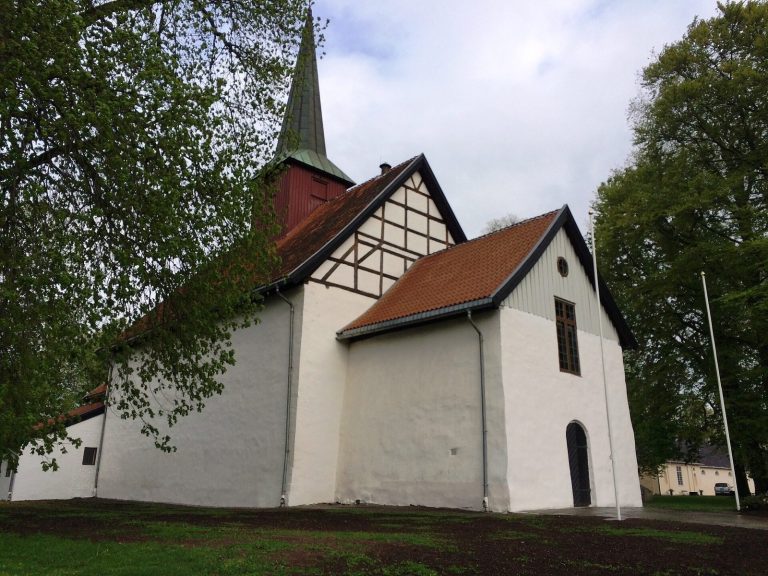
The white stone building is a long church, with its main spaces arranged along one axis, and has seating for about 244 people. Its nave, the main body of the church, and chancel, the area around the altar, were originally rectangular; a small roof turret may have stood above the nave. The original chancel ended in an apse, a rounded termination to a church space. Alterations replaced it with a straight-ended chancel and added a sacristy, a room for clergy and liturgical furnishings, at the east end. Between 1683 and 1747, the nave was lengthened 8 metres to the east. The original windows were narrow and set high in the walls, while the windows and portals have rounded arches. A porch and tower were added at the west end in 1871.
Altarpiece and furnishings
The altarpiece, a decorated structure behind the altar, dates to about 1650. Its seven painted panels depict Christ’s suffering and death, the Resurrection, and the Ascension, his ascent to heaven after the Resurrection. Four lower panels carry the words associated with Jesus’ institution of communion at the Last Supper, in Latin and Danish. The tiered composition includes columns, carved column tops, arches, and rich ornament. Its carving and paintings show Renaissance influence, while acanthus-leaf decoration, a classical plant motif, was added in 1778. This style of carving and imagery is known as the Jarlsberg Renaissance.
A baptismal font and pulpit installed in 1871 replaced medieval furnishings. An earlier baptismal font made of Gotland limestone, once positioned near the main entrance, is now at the Historical Museum in Oslo.
Bells and organ
The oldest bell, kept in the porch, is considered to be about 800 years old. The church had three bells in 1673; two were recast together into one bell in 1707. A bell dated 1797 is attributed to bell founder Borger Riise. The only bell now in use was cast in 1977 by the Olsen Nauen foundry. The first organ, acquired in 1872, was small and did not meet expectations. A replacement followed in 1909, and in 1983 that instrument was replaced by a new organ made by Eystein Gangfløt.
Artworks and churchyard
The church has stained-glass work by Frøydis Haavardsholm, dated 1917, and by Carsten Lien. Its other artworks include a Calvary group depicting Christ’s crucifixion with accompanying figures, by Stinius Fredriksen; a tapestry by Torvald Moseid; and a carpet collage by Else Marie Jakobsen.
A medieval cemetery surrounds the church. A funerary chapel designed by Ragnar Nilsen was built within the cemetery in 1958.