Rukn al-Din Mausoleum: A Fourteenth-Century Shrine and Burial Place in Yazd
Site at a Glance
- Rating
- 4.7
- Popularity
- Very Low
- Country
- Iran
- Primary era
- Medieval
- Eras represented
- Medieval
- Civilizations
- Ilkhanate
- Site type
- Religious
- Remains
- Tomb
On this page4 sections
History
Rukn ad-Din’s Career
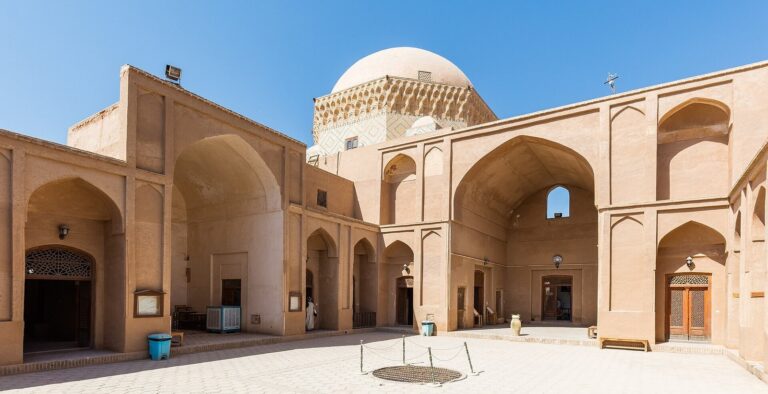
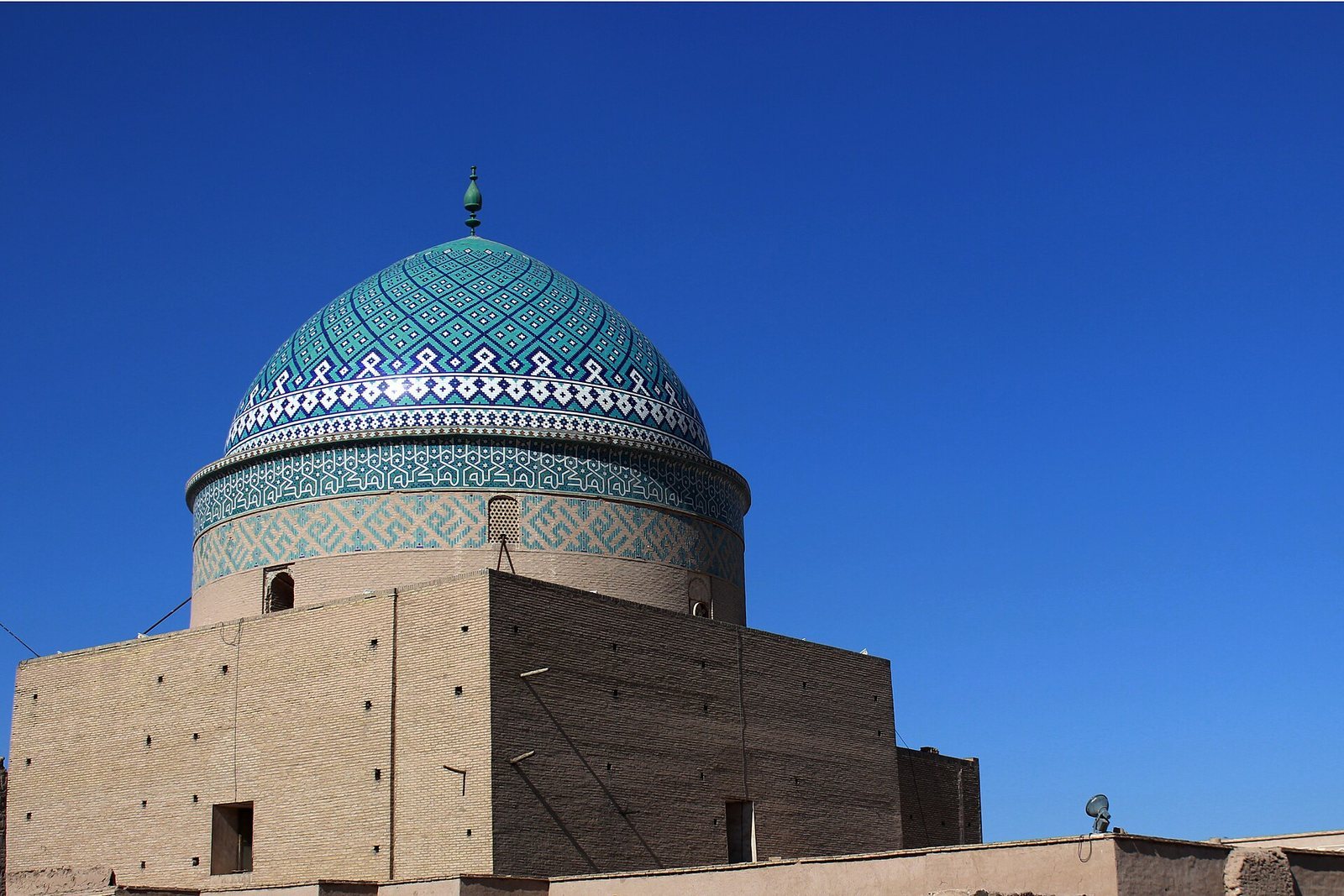
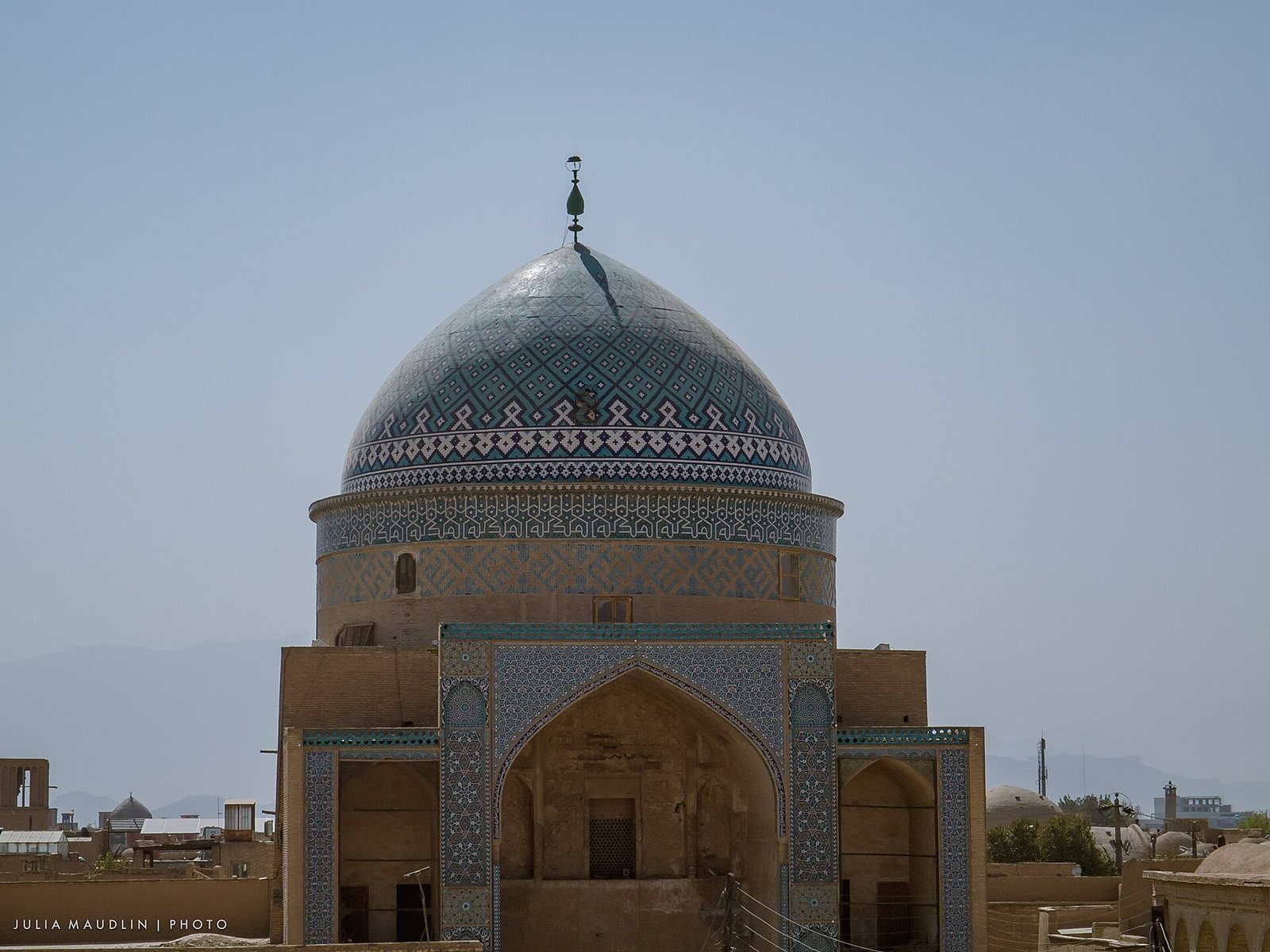
Rukn al-Din Mausoleum is a fourteenth-century Ilkhanid mausoleum and pilgrimage shrine in Yazd, Iran. Built at the request of Sayyed Rukn ad-Din Muhammad Qazi Hosseini Yazdi, it was formally opened in 1325. The building first served as a madrasa, an Islamic school, and became Rukn ad-Din’s burial place.
Rukn ad-Din was a prominent scholar and chief qadi, or senior Islamic judge, in Yazd. His father taught him religious sciences and mathematics, and was himself a mathematician and a community representative. Rukn ad-Din inherited his father’s estate and set aside his own properties as an endowment to support charitable work.
Atabeg Yusof Shah, a regional ruler of Yazd, arrested and imprisoned Rukn ad-Din for reasons that remain uncertain. He was given 1,000 lashes, chained, and held at Khormiz near Mehriz. While officials pursued Rukn ad-Din, his son Mir Shams ad-Din Muhammad fled to Azerbaijan and settled in Tabriz. With the help of Rashid al-Din Hamadani, a statesman and historian, he obtained a release order from Abu Sa’id Bahadur Khan, ruler of the Mongol-ruled Ilkhanate, centered in Iran.
After his release, Rukn ad-Din returned to Yazd, where he received a public welcome and resumed his judicial work at the madrasa. Following a pilgrimage to Hijaz, he devoted himself to development projects in the city. He continued teaching at the school for the rest of his life and was buried there after his death.
Foundation and Charitable Work
Rukn ad-Din’s charitable projects in Yazd included underground water channels, schools, mosques, bazaars, bathhouses, water reservoirs, and religious lodges. In the Vaqt-o-Sa’at neighborhood, where he lived, he also founded a library and a school.
The mausoleum was registered as an Iranian national heritage site in 1935.
Remains
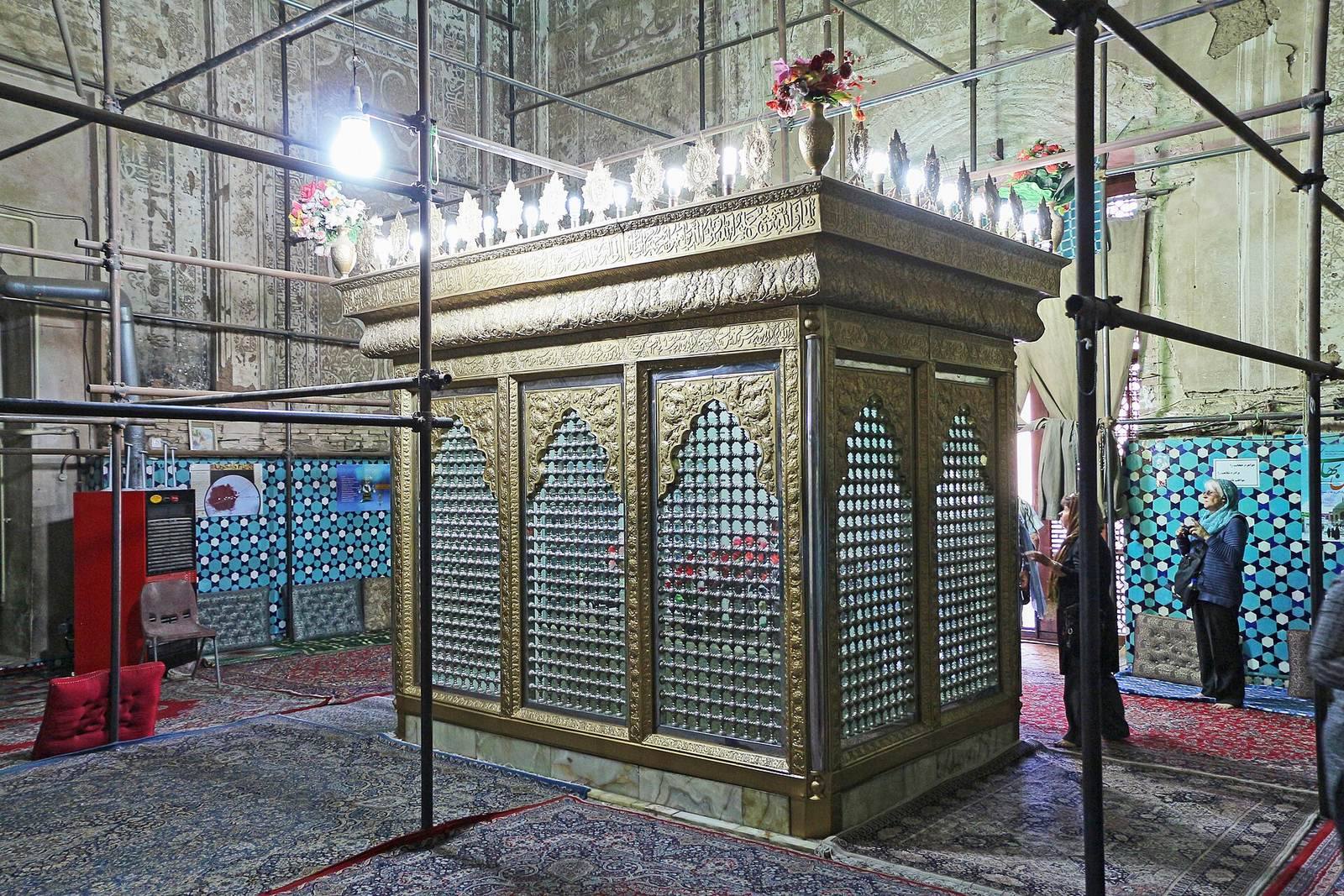
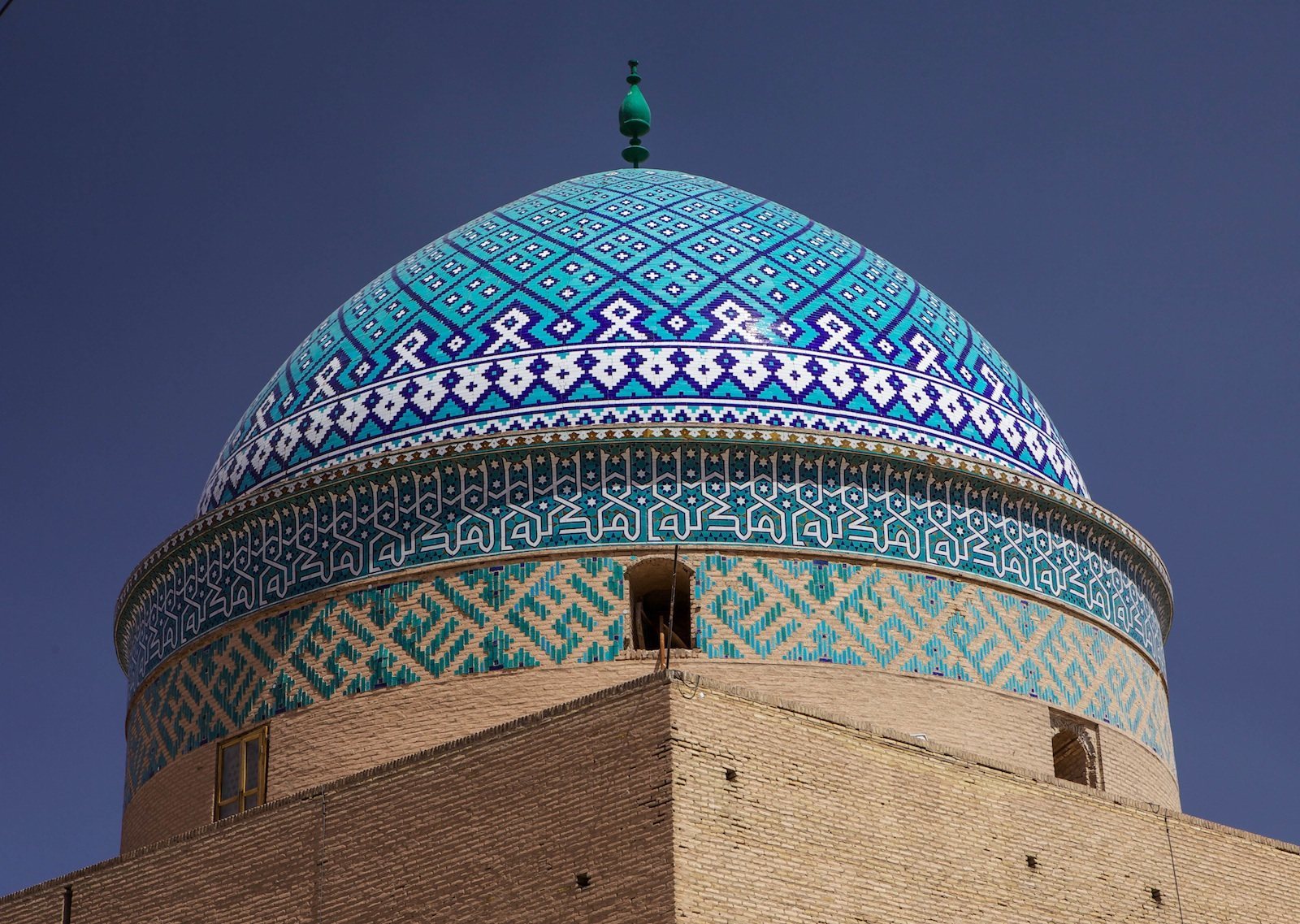
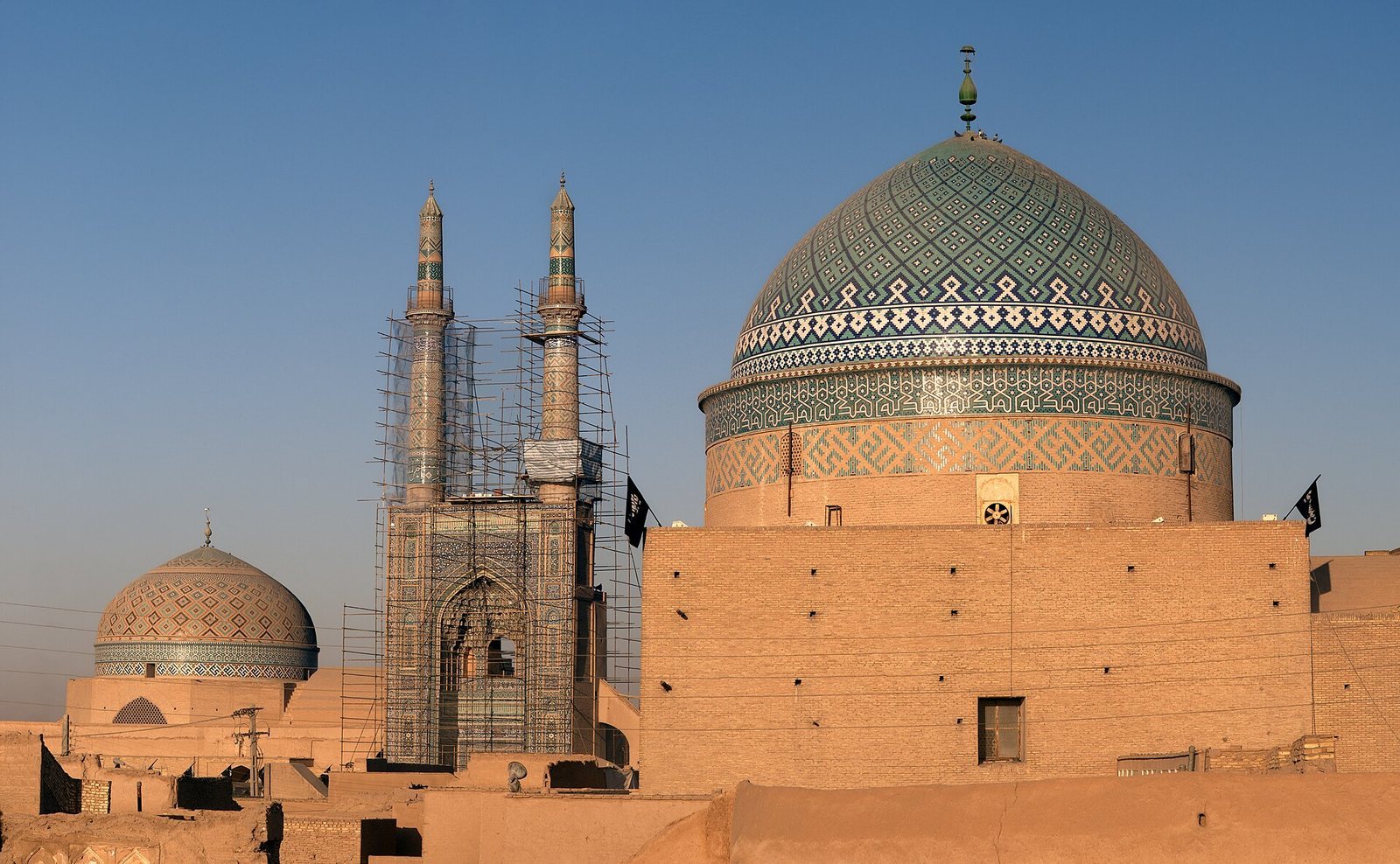
The complex once comprised a madrasa, a religious lodge called a khanqah, the mausoleum, a library, an observatory, and a mill. The khanqah served as a gathering place for Shiites. Only the mausoleum survives. Its interior is square, measuring 11.82 metres on each side, and its walls are 1.4 metres thick. Tile, plaster, and slabs are among its listed materials.