Mehr Padin Castle: A Fortified Refuge in Iran
Site at a Glance
- Rating
- 3.7
- Popularity
- Very Low
- Country
- Iran
- Primary era
- Medieval
- Eras represented
- Medieval, Early Modern
- Civilizations
- Afsharid, Safavid
- Site type
- Military
- Remains
- Castle
On this page4 sections
History
Mehr Padin Castle is a fortified refuge in Mehriz County, Yazd Province, Iran, generally dated to the 14th century. Its construction date is disputed: proposed attributions link it to the Mozaffarids, a medieval Iranian dynasty, the Safavids, who ruled Iran in the early modern period, or the Afsharids, an Iranian dynasty of the 18th century.
Local tradition connects the castle’s origin with the Mongol invasions, the expansion of Mongol forces across much of Eurasia beginning in the 13th century. It tells that Mongol forces massacred the inhabitants of Mehrijerd but spared an infant boy, giving him to people in nearby Saryazd. When he grew up, he returned to his homeland and built the castle to protect people from future raids and wars. The castle was not a permanent residence; people used it as a temporary refuge during raids and sent smoke signals to seek help from other castles. Iran added Mehr Padin Castle to its national heritage register on 29 September 2002, as entry 6,143.
Remains
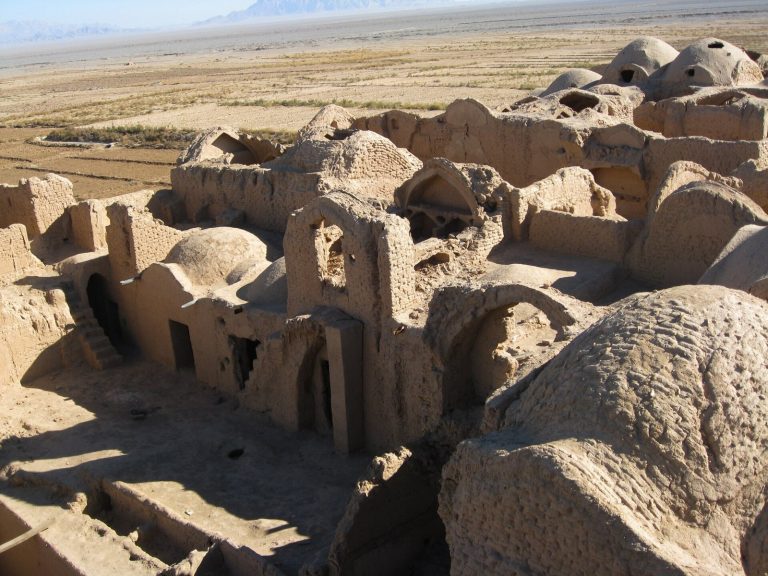
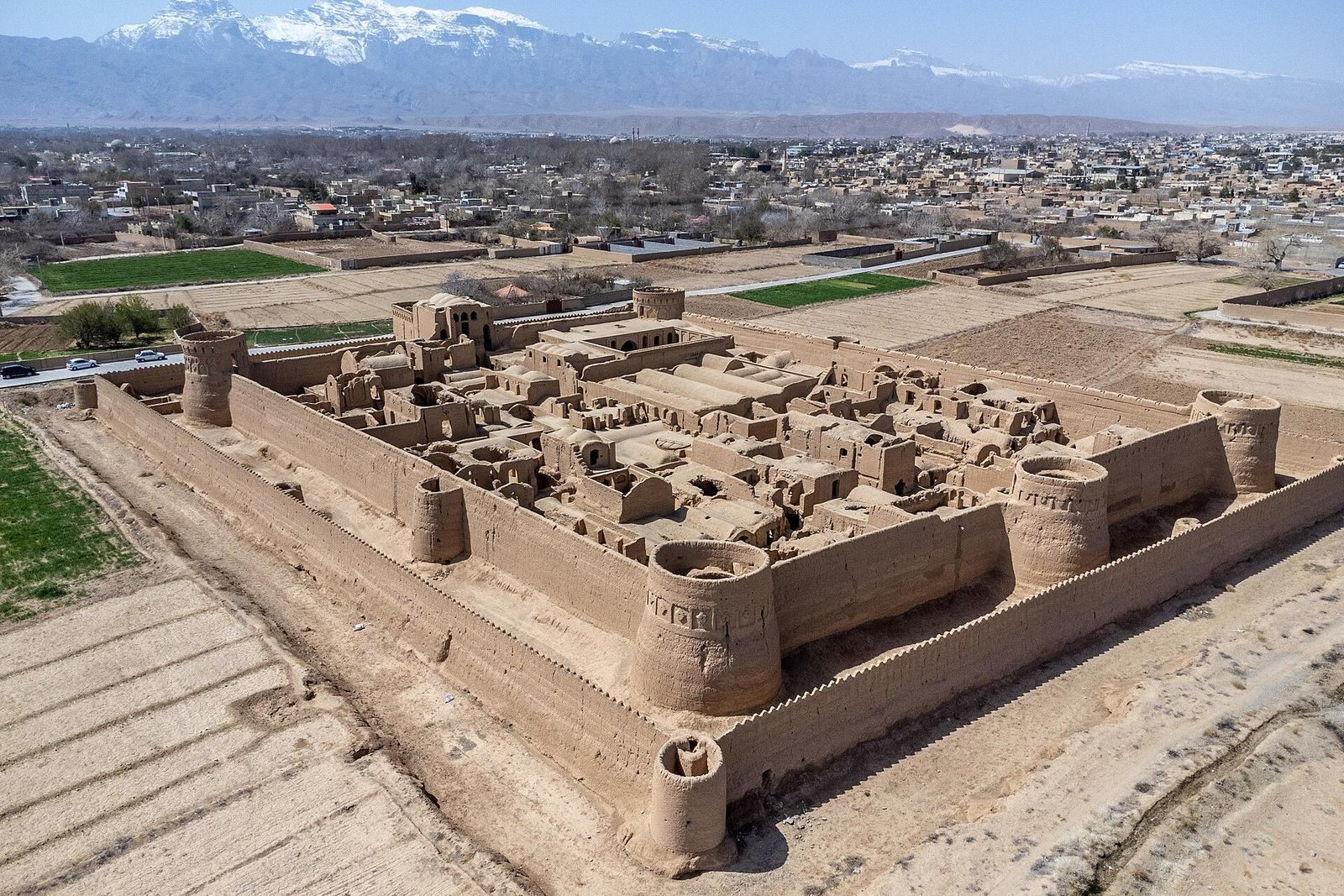
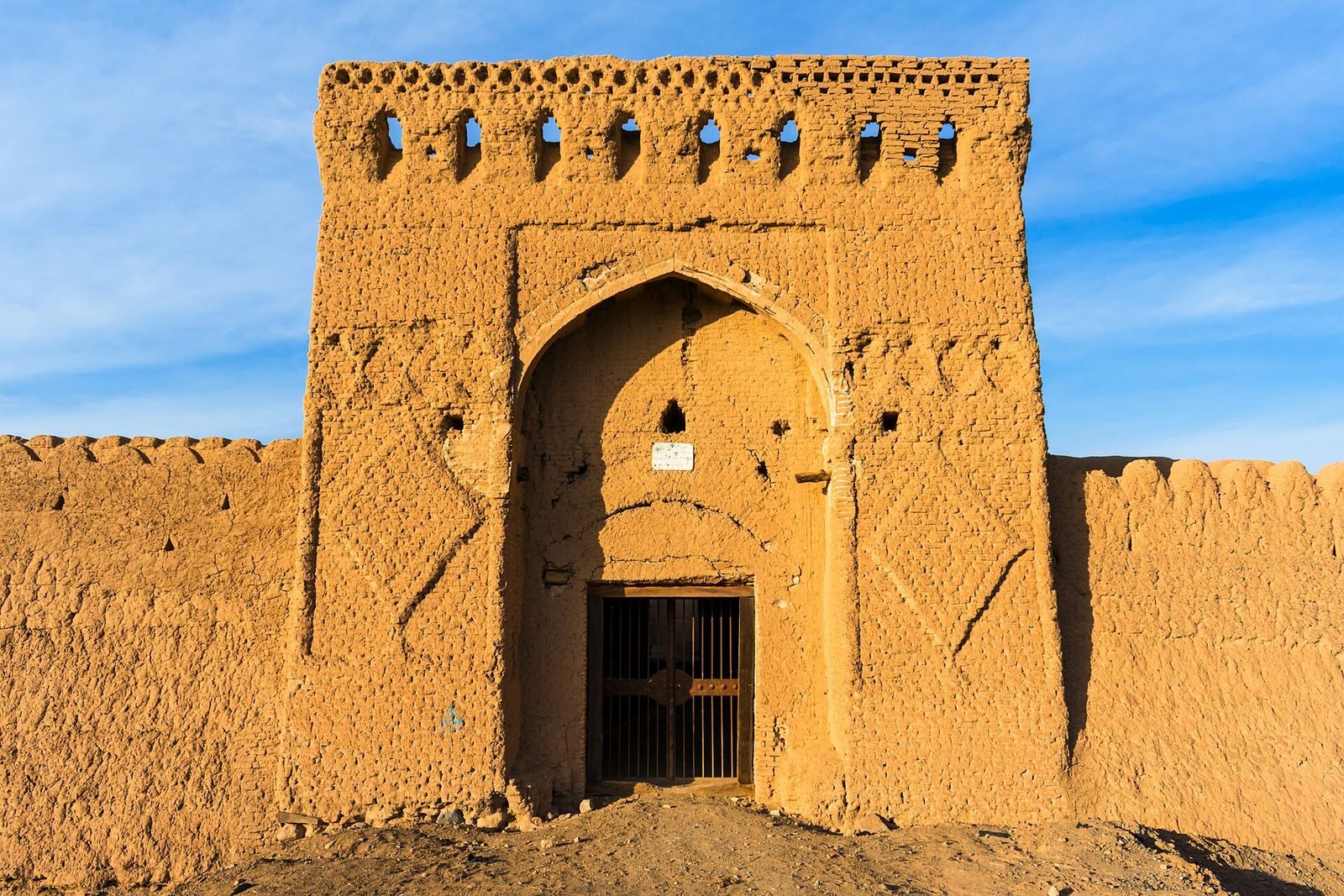
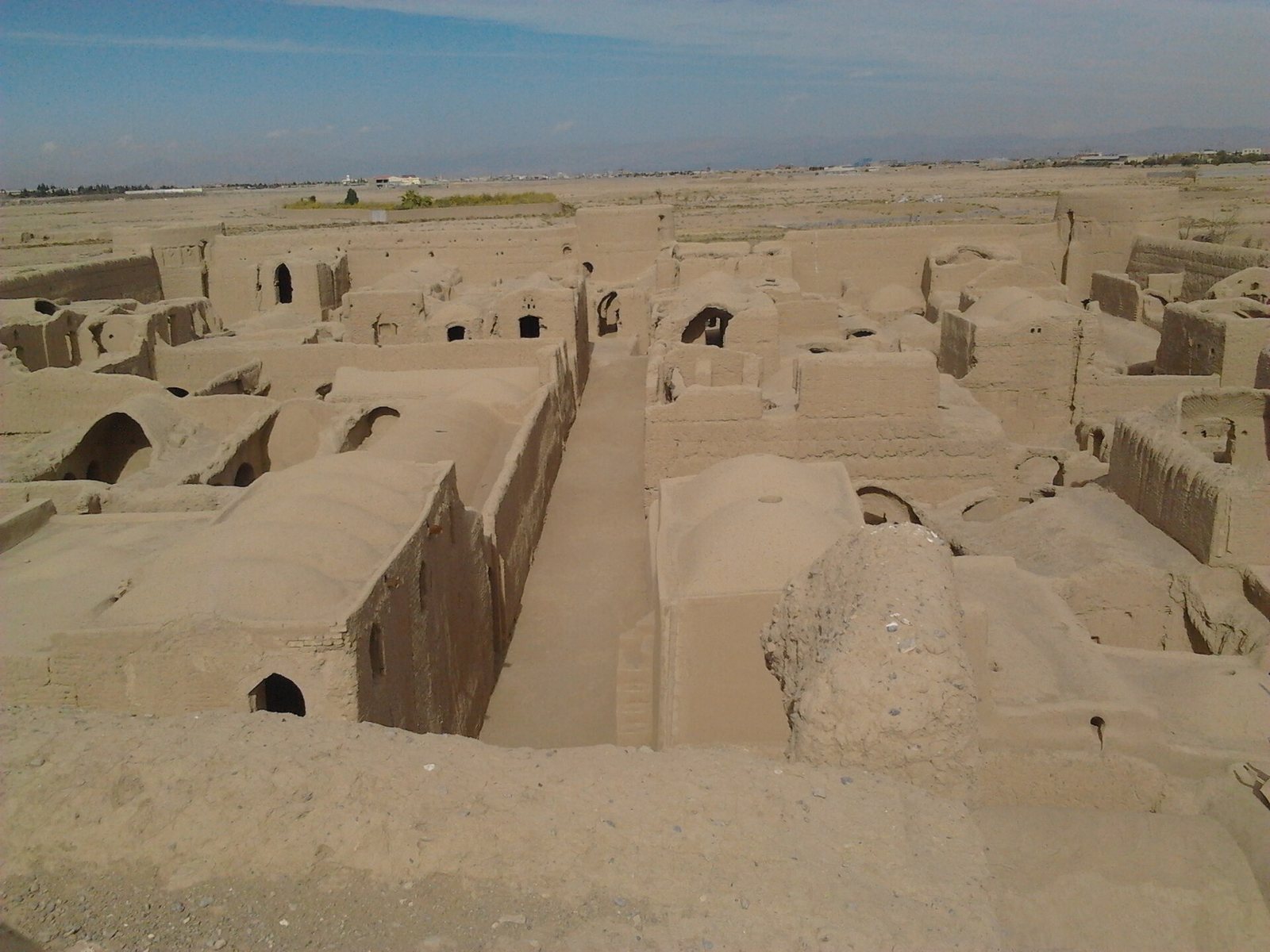
The castle covers approximately 160 by 148 metres. Its layout places an interior group of buildings within two layers of defensive walls and a large surrounding moat.
Defensive enclosure
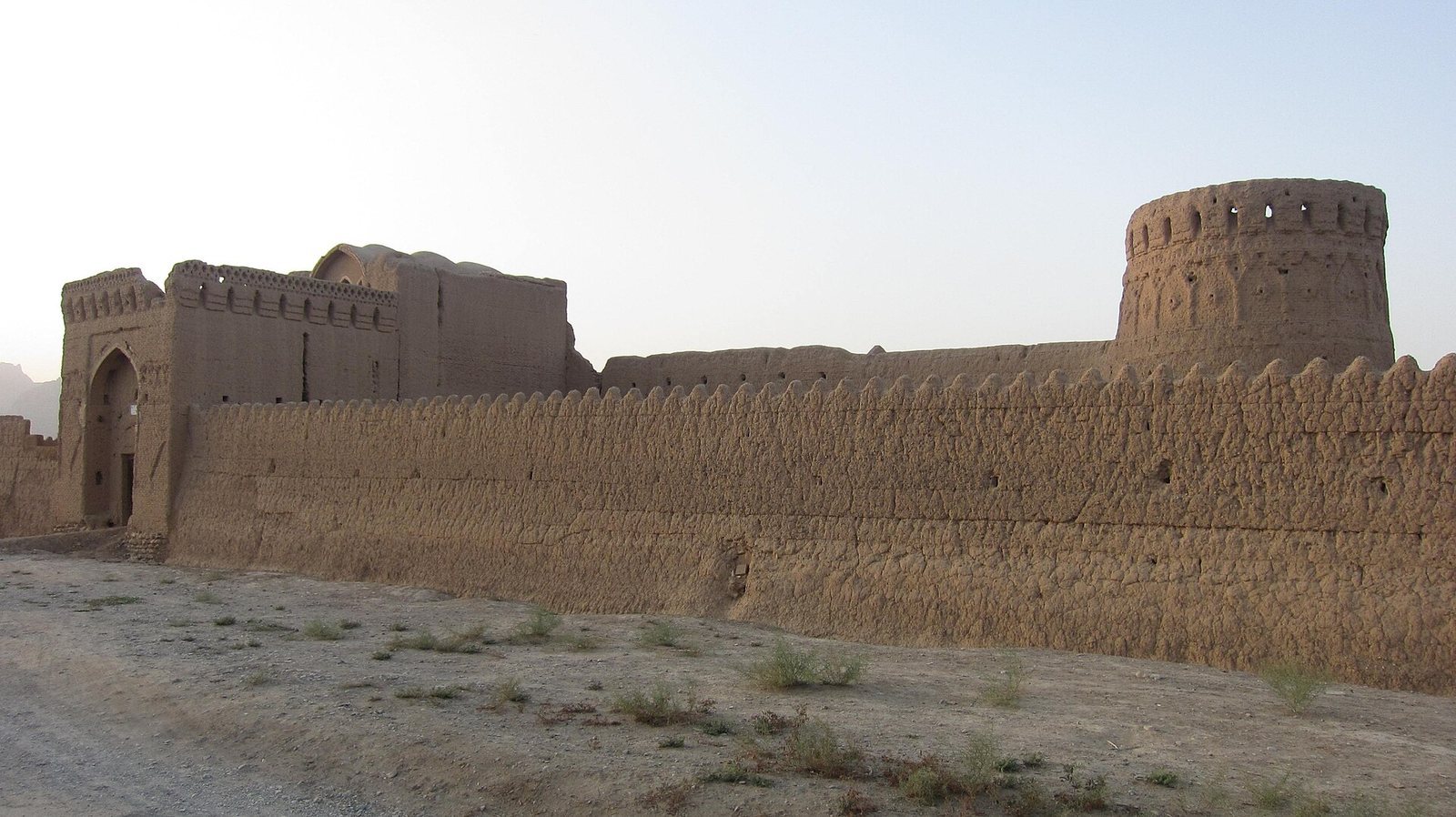
Nine round towers form part of the defenses. The walls are about 6.5 metres high, while the towers in the inner wall reach approximately 8.5 metres.
Interior buildings
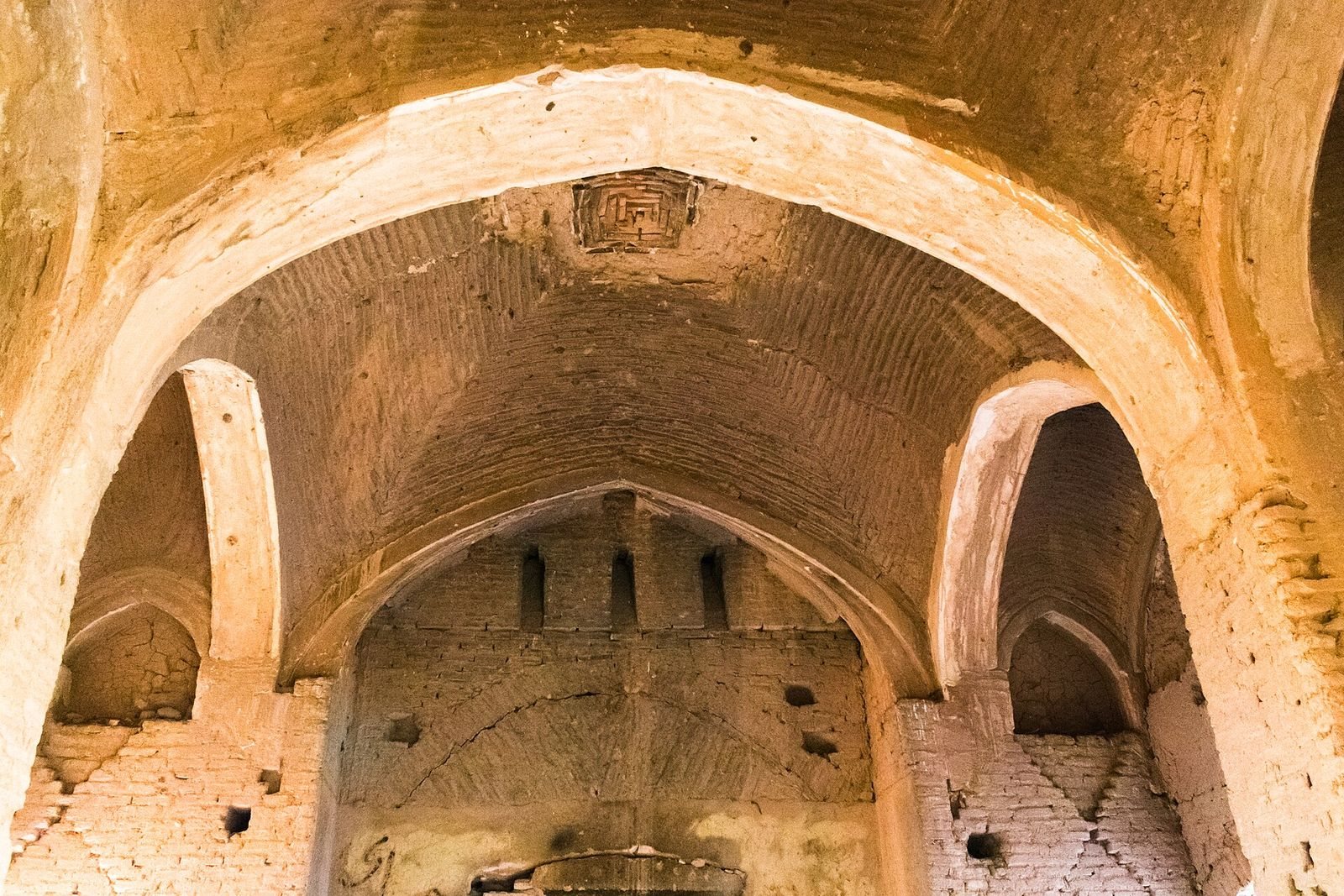
Structures within the enclosure include houses, a governor’s seat, religious buildings, stables, and storehouses.