Alt-Kienberg Castle Ruin: An 11th-Century Medieval Site in Switzerland
Site at a Glance
- Popularity
- Very Low
- Country
- Switzerland
- Primary era
- Medieval
- Eras represented
- Medieval
- Civilizations
- Holy Roman Empire
- Site type
- Military
- Remains
- Castle
On this page7 sections
History
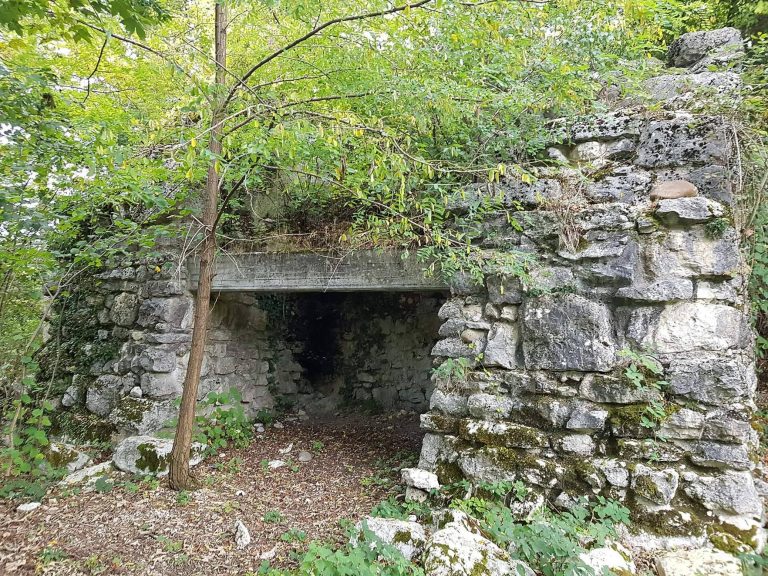
Alt-Kienberg Castle Ruin lies on a ridge southwest of Kienberg, Switzerland, and dates to the 11th century. Finds from later fieldwork indicate that the castle was used from that century until about 1200. It may have been an early center of the Lords of Kienberg, a medieval noble family first mentioned in 1173. The site may have been abandoned around 1200 as the family shifted to nearby Kienberg-Heidegg.
Before exploratory and preservation work in 1963–1964, the ruin was identified as Heidegg Castle, reflecting an earlier belief that it belonged to the Lords of Heidegg. That family governed the territory of Kienberg from 1391 to 1523. The name Alt-Kienberg was adopted after the 1960s work, rather than inherited from the medieval period.
Remains
Ridge plan and defenses
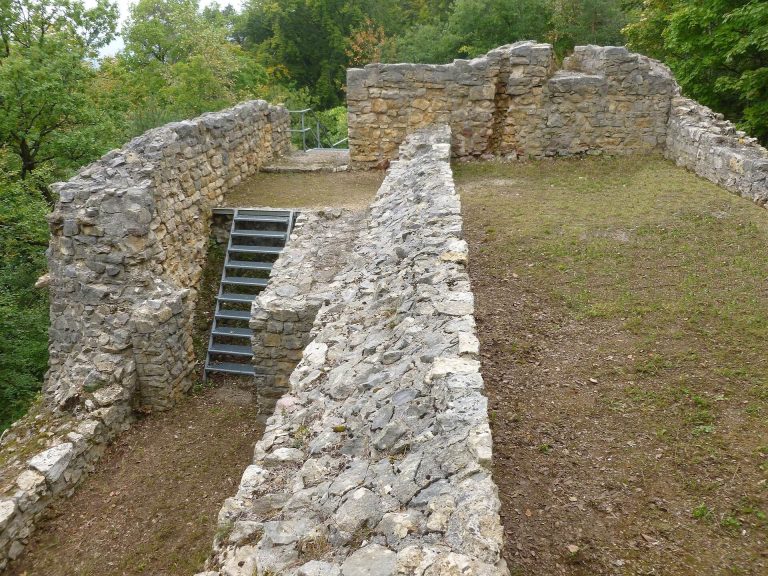
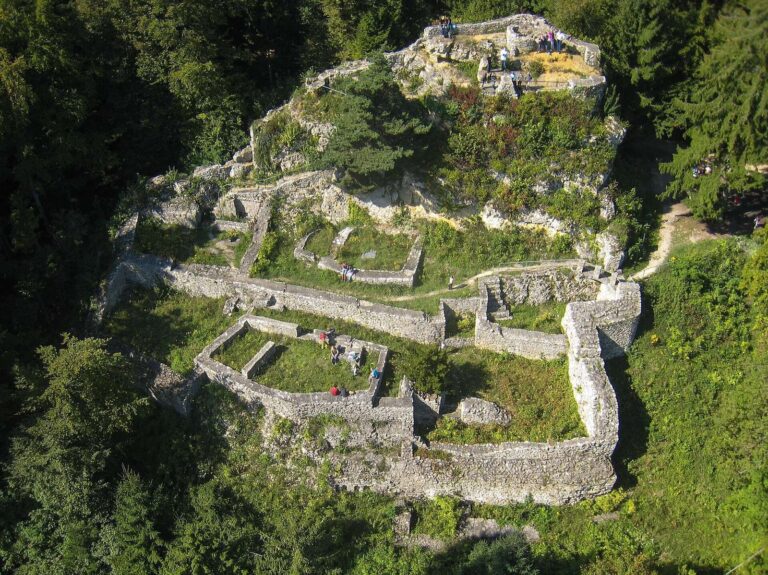
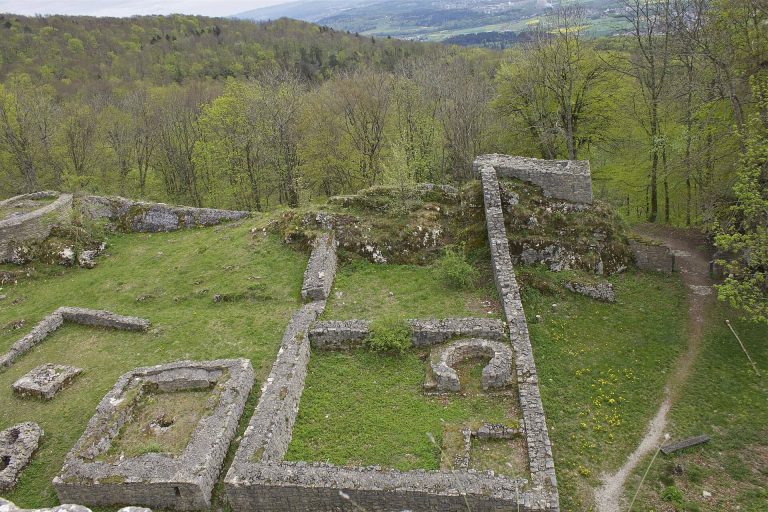
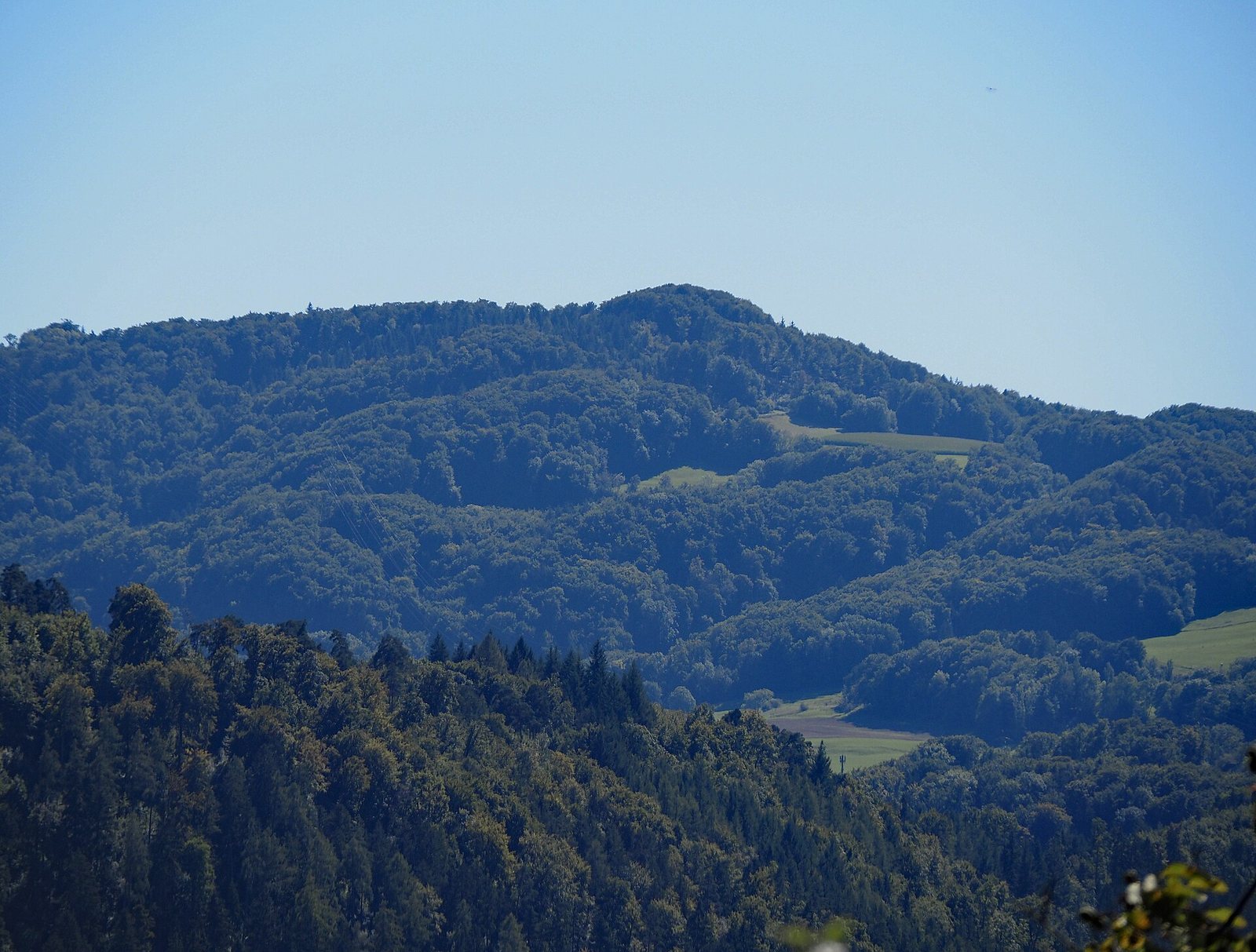
The elongated ruin occupies an exposed ridge of the Folded Jura, at 772 metres above sea level, along the boundary between Kienberg and Oltingen in the canton of Solothurn. Its plateau measures about 30 by 12 metres and extends southwest along the ridge. Ditches cut across both ends of the ridge to defend the approaches. Traces on either side suggest that a curtain wall, the defensive wall enclosing a castle, surrounded the site.
Surviving structures and finds
Round tower and terraces
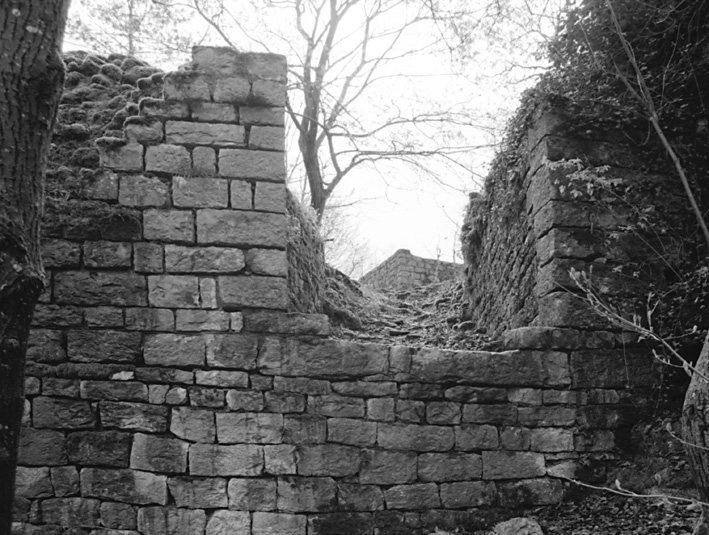
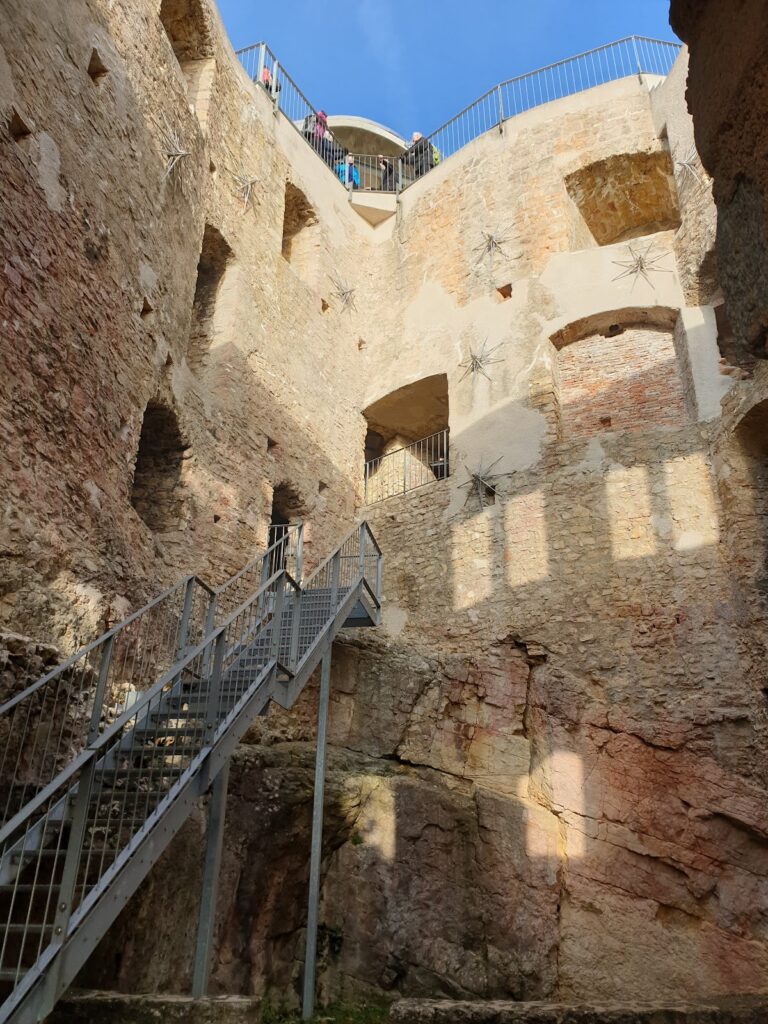
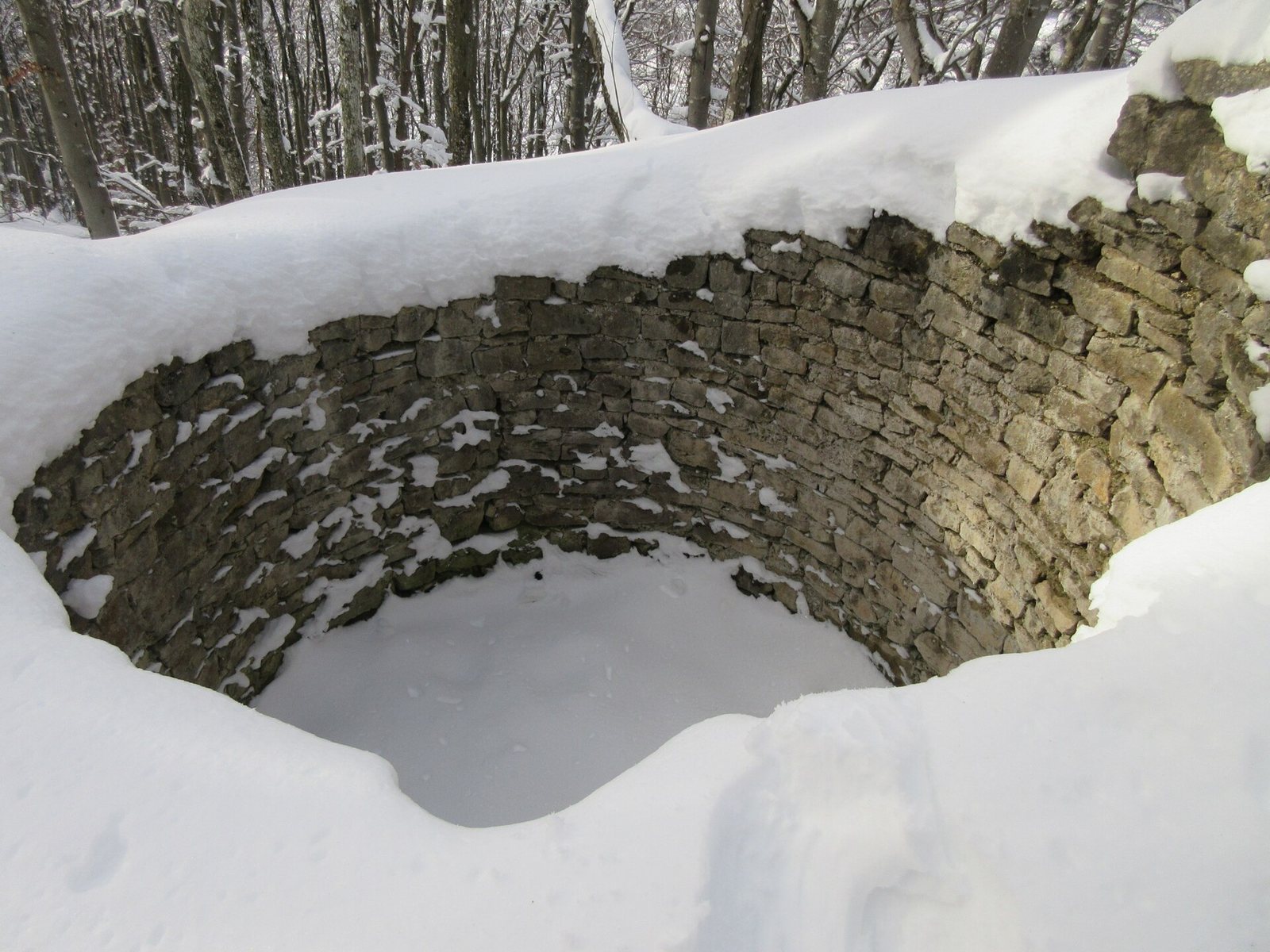
At the southwestern end, the ridge’s highest point, part of a round tower still stands several metres high. Terraces on the slope side level the ridge around the tower.
Principal residential building
Northeast of the tower, lower down and slightly away from the ridge, are remains of a long building thought to have been the castle’s principal residence. It was joined to the northeastern defensive wall, and part of a doorway threshold survives.
Excavated finds
Finds from the 1963–1964 work included pottery fragments, arrowheads, a horseshoe nail and a scallop shell pierced with a hole.