Rocchetta: Medieval Fortified Complex in Castellarano, Italy
Site at a Glance
- Rating
- 4.6
- Popularity
- Low
- Country
- Italy
- Primary era
- Medieval
- External website
- Open
- Eras represented
- Medieval
- Civilizations
- Holy Roman Empire, Lombard
- Site type
- Military
- Remains
- Castle
On this page7 sections
History
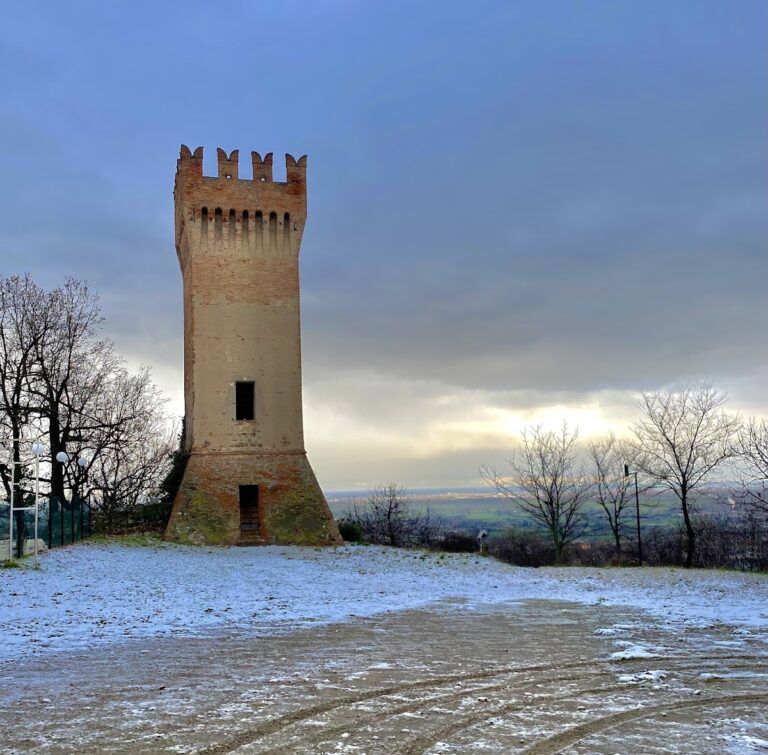
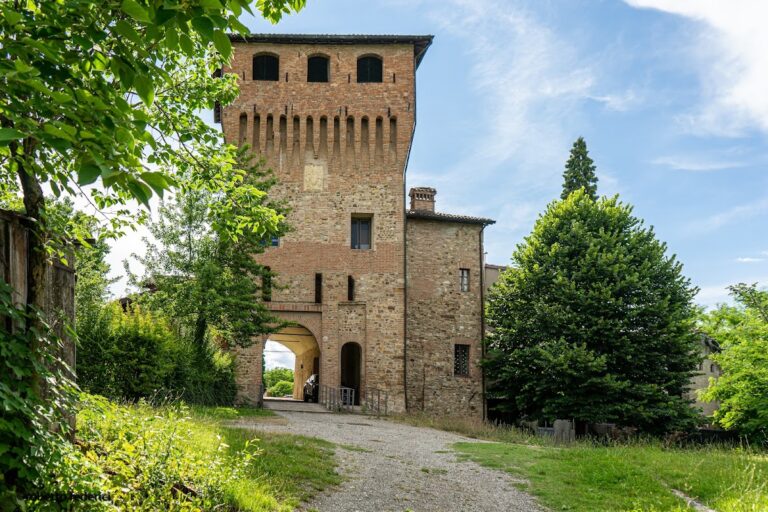
Rocchetta is a medieval fortified complex in Castellarano, Italy, in the lower Secchia Valley. Its construction date is uncertain, but it served as the sole entrance to the fortified settlement and as its first defensive outpost. The complex is regarded as Castellarano’s symbolic monument.
Medieval origins and feudal rule
Matilda of Canossa, a powerful eleventh- and early-twelfth-century noblewoman whose territories shaped political struggles in northern Italy, maintained a residence on the site of the present Rocchetta. After her death in 1115, the Rocchetta and its fief passed to Count Raniero and then to successive feudal lords. Rebuilding and transformation continued through the following centuries.
From fortress to noble residence
Under Marquis Carlo Filiberto II, the fortified complex was converted into a noble palace with gardens, fountains, and statues. Records preserved in the municipal archive document this change. In 1777, the feudal lord Gaudenzio Valotti restored and altered the Rocchetta. Following his death, ownership passed to Duke Ercole III of Modena.
War damage and rebuilding
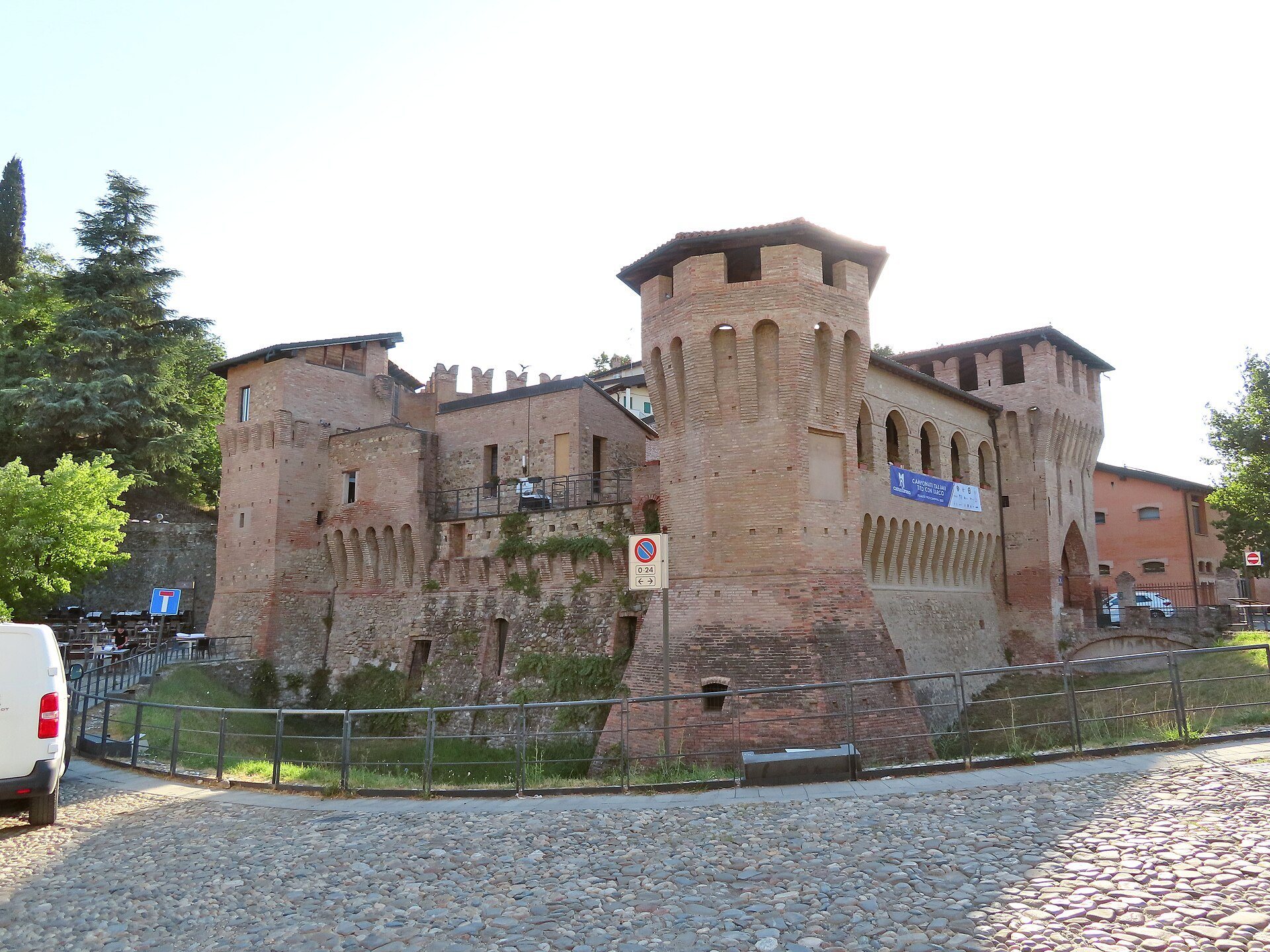
During the Napoleonic period, the Rocchetta was sold first to the Canevazzi family and later to the Casali family, whose heirs remain its owners. German forces burned the complex in retaliation on 20 July 1944, reducing it to a ruin. The owners rebuilt it in 1974, creating its present appearance. Today, Rocchetta is designated Italian national heritage and hosts temporary exhibitions and cultural initiatives.
Remains
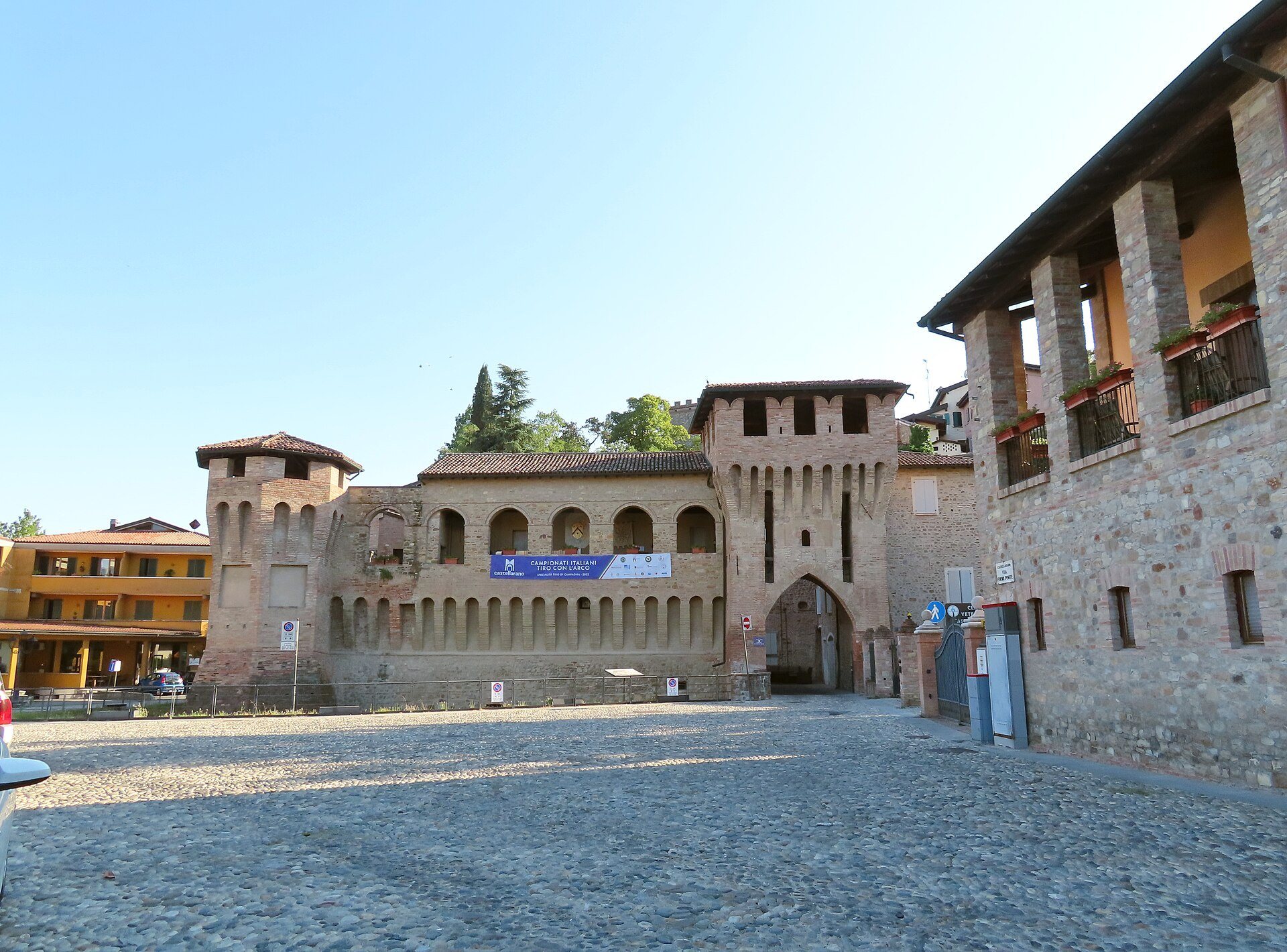
Rocchetta forms an articulated fortified complex surrounded by a moat, a defensive ditch, on three sides. Three gates controlled access, and the outer entrance was protected by a drawbridge, a movable bridge that could be raised to restrict passage. The waters of the Rio di Castellarano flowed through the moat, which had to be crossed before entering the former fortified settlement. The circuit of walls around the hilltop village began at Rocchetta.
Entrances and defensive structures
Above the entrance to the village is a carved Este coat of arms with a smaller Strozzi coat of arms. The Este were a ruling dynasty of Ferrara, Modena, and Reggio, while the Strozzi were a prominent Florentine family. Named towers associated with the Rocchetta include the Levatoia Tower, the Cappellana Tower, and the Rosa Tower.
Religious and civic buildings
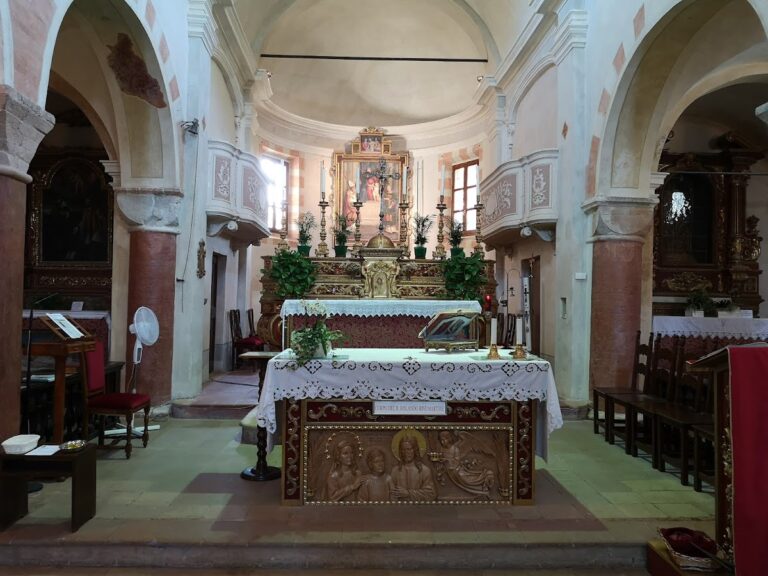
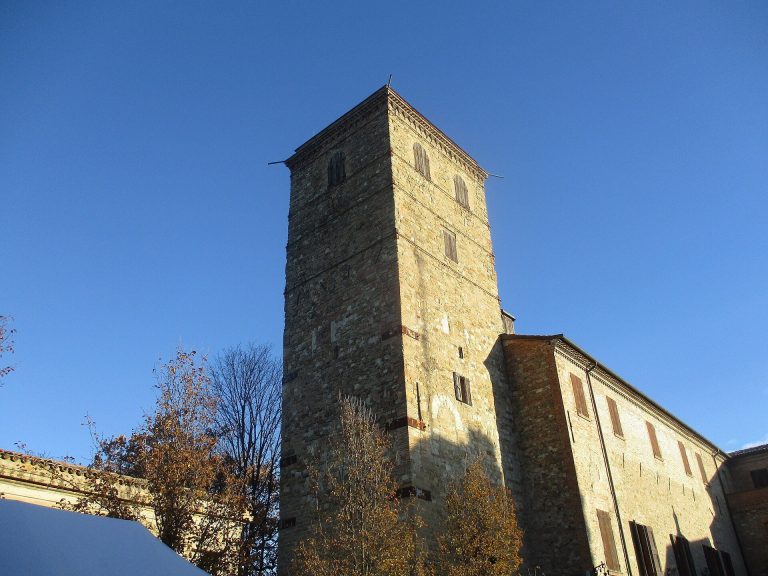
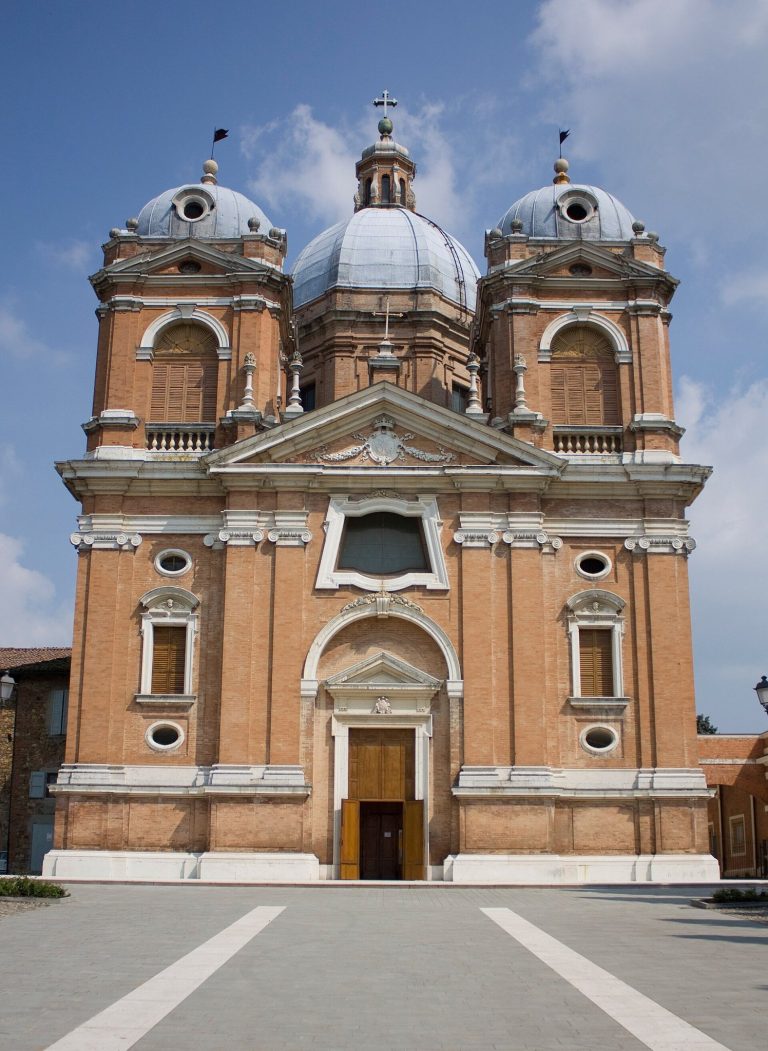
Rocchetta stands beside the Church of Santa Maria Assunta, an ancient pre-Romanesque parish church. Pre-Romanesque architecture refers to European building produced before the fully developed Romanesque style, generally before the eleventh century. Beside the church is the castle, or Rocca, a structure associated with the Matildine period. An ancient tower forms part of the settlement; it dates to the tenth century and is probably of Lombard origin, linking it possibly to the early medieval period when the Lombards ruled much of Italy. The fifteenth-century Clock Tower stands in the square before the Rocca and was erected by the Este family. The former settlement also includes the Church of Santa Croce, associated with a confraternity, a religious brotherhood organized around shared devotional or charitable activities.