Roccella Ionica Castle: A Medieval Coastal Fortress in Calabria
Site at a Glance
- Popularity
- Medium
- Country
- Italy
- Primary era
- Medieval
- Eras represented
- Medieval
- Civilizations
- Kingdom of Sicily, Norman
- Site type
- Military
- Remains
- Castle
On this page7 sections
History
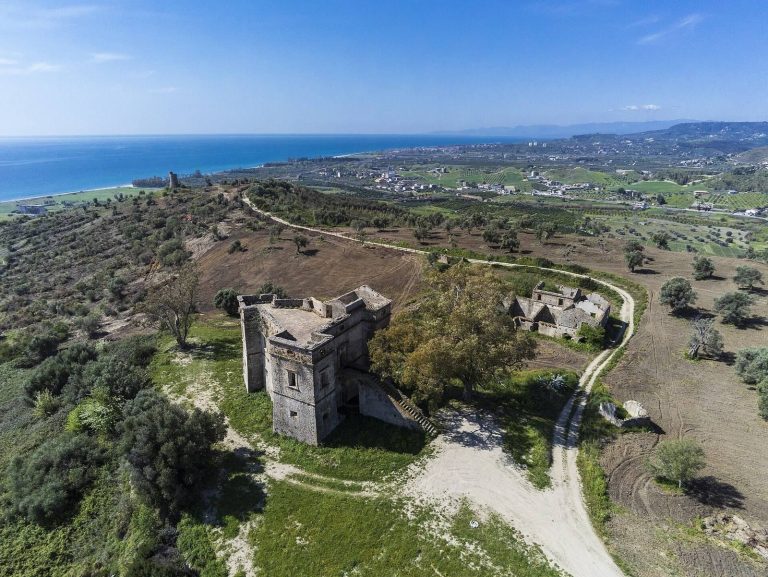
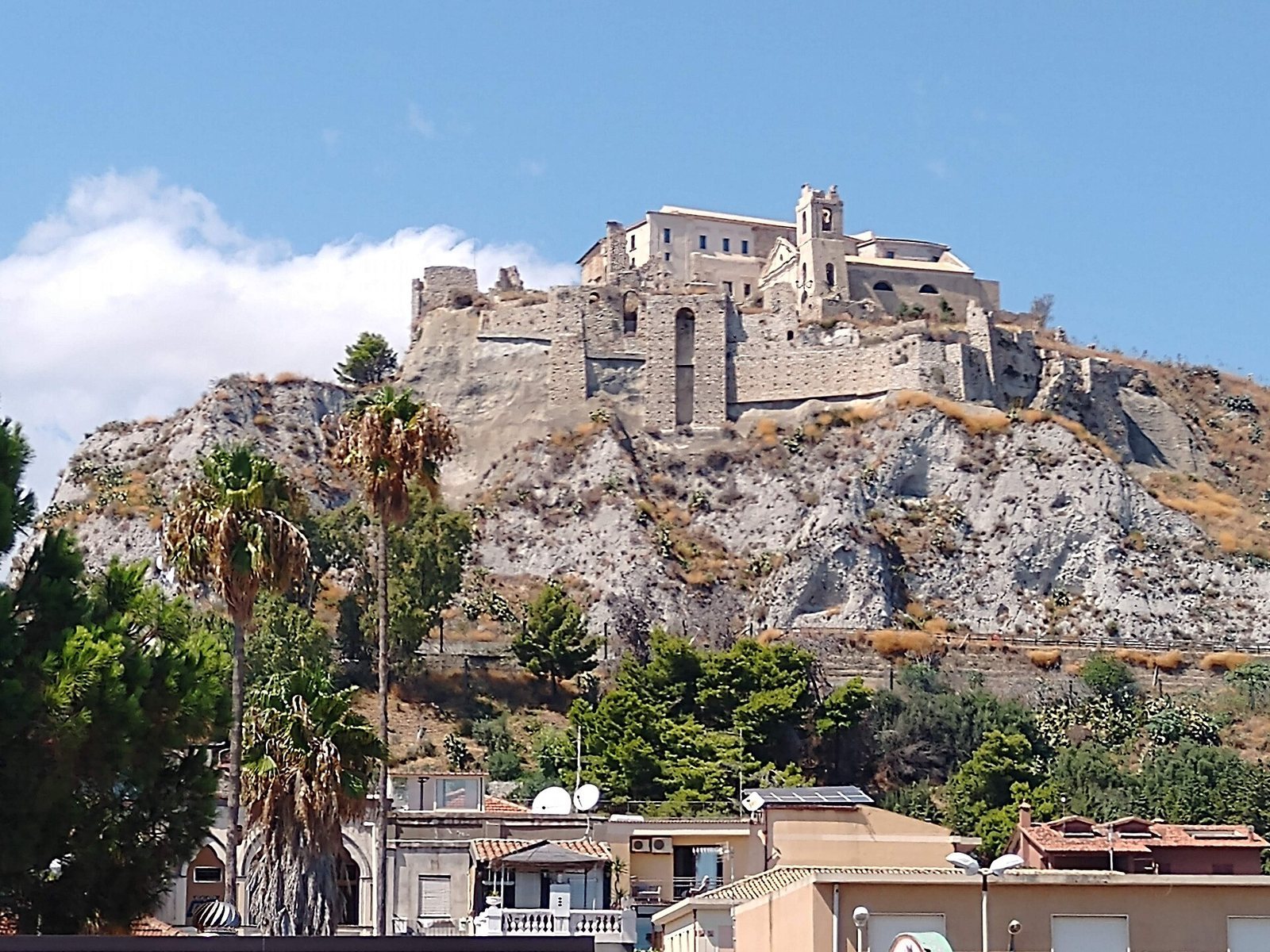
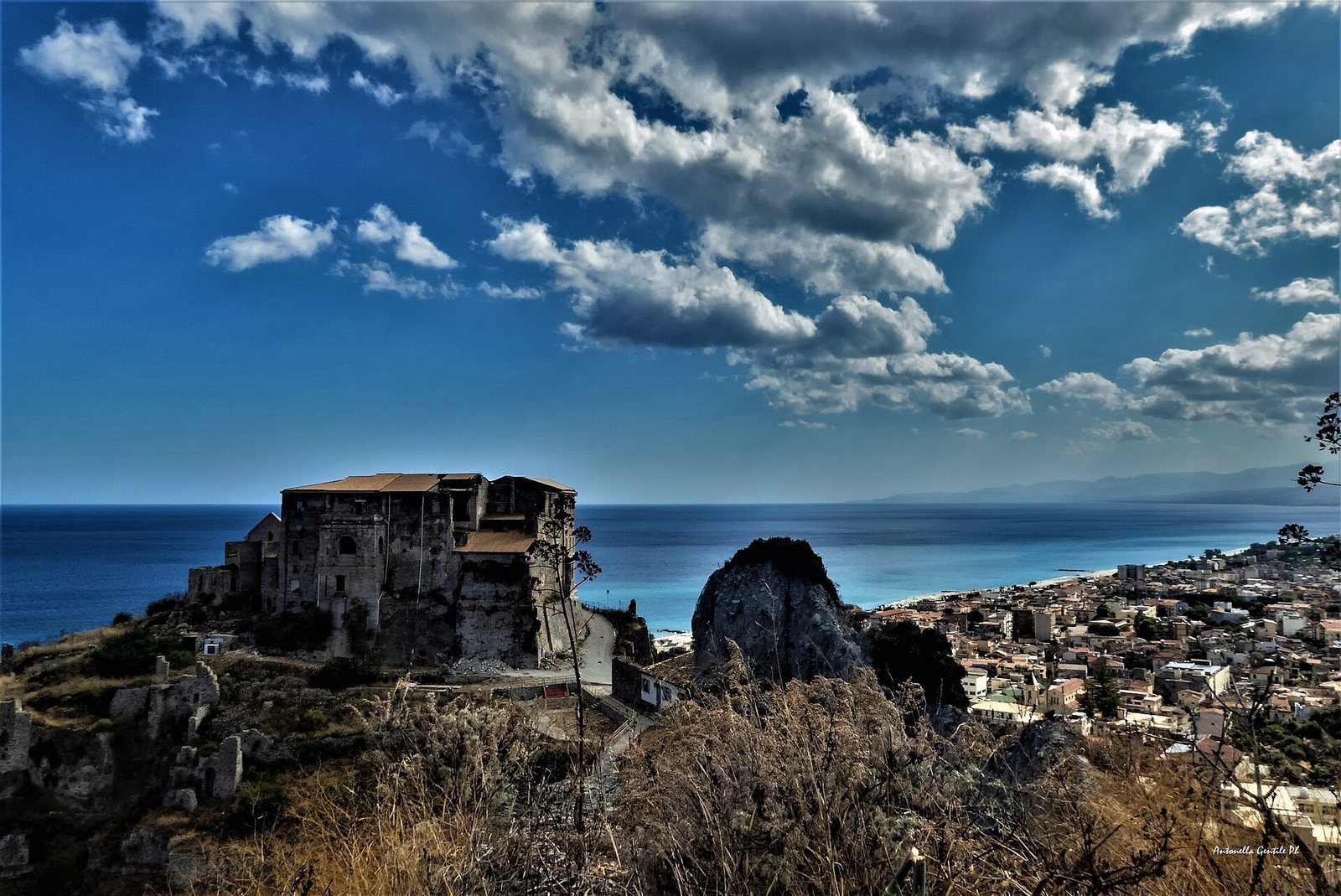
Roccella Ionica Castle is a medieval fortress on the Ionian coast of Calabria, Italy. Its foundation is assigned to the Norman period, when people from Normandy established power in southern Italy, while construction is also dated to around 1270. Its precise construction chronology remains uncertain. The castle served as an important fief, land held under feudal obligations, and a coastal defensive stronghold.
Ancient origins and the name Roccella
Roccella’s origins are considered very ancient, with a proposed connection to Magna Graecia, the Greek settlements of southern Italy. The settlement has also been identified with Amfissa, an ancient locality mentioned in poems by the Roman poet Ovid. In the tenth century it was called Rupella, then Arocella, before taking the name Roccella, attributed to its position on a rocky height.
Castle foundation and ownership
The castle’s foundation is attributed to an order by Gualtieri de Collepietro, lord of Roccella. A document from 1270 records a sale of the castle and describes it as having been granted by Charles I of Anjou, a thirteenth-century Angevin ruler, to Gualtieri.
Ownership passed among noble families, including the Ruffo, Centelles, and Carafa della Spina, and Galeotto Baldaxi, described as Roccella’s first marquis, a hereditary noble title. The Carafa della Spina held the castle from 1479 to 1806, and the Carafa princes restored it in 1700. The Carafa family is its current owner.
In 1553 the fortress resisted several attacks by Dragut, a sixteenth-century Ottoman admiral and corsair. Roccella’s heraldic flag shows its patron saint, Victor of Marseille, defeating a Turkish pirate.
The church of Saint Nicholas
In the early twentieth century, a new church dedicated to Saint Nicholas of Bari, a Christian bishop venerated as a saint, replaced an earlier church incorporated into the Carafa castle. Its altars and statues were transferred to the new church, and two marble altars were declared national monuments.
Remains
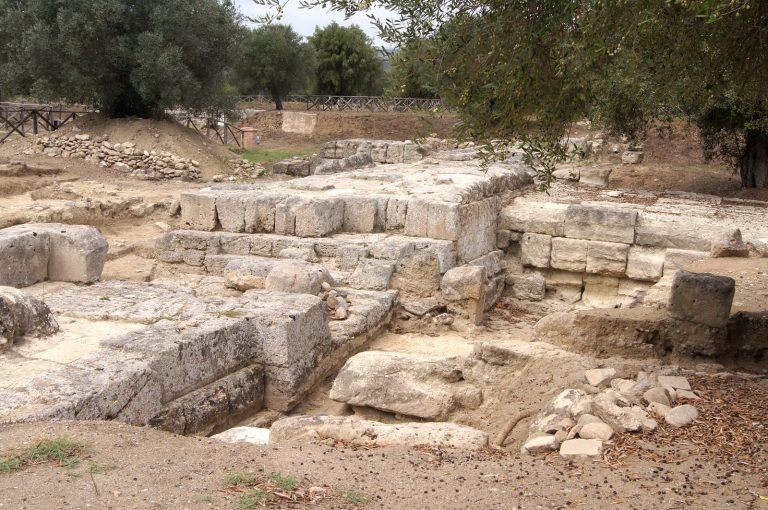
The site includes the medieval fortress and the adjoining mother church of Saint Nicholas of Bari. In the Focà district, a limestone-block structure and terracotta finds are associated with a presumed monumental tomb dating to the fourth century BC.
The castle
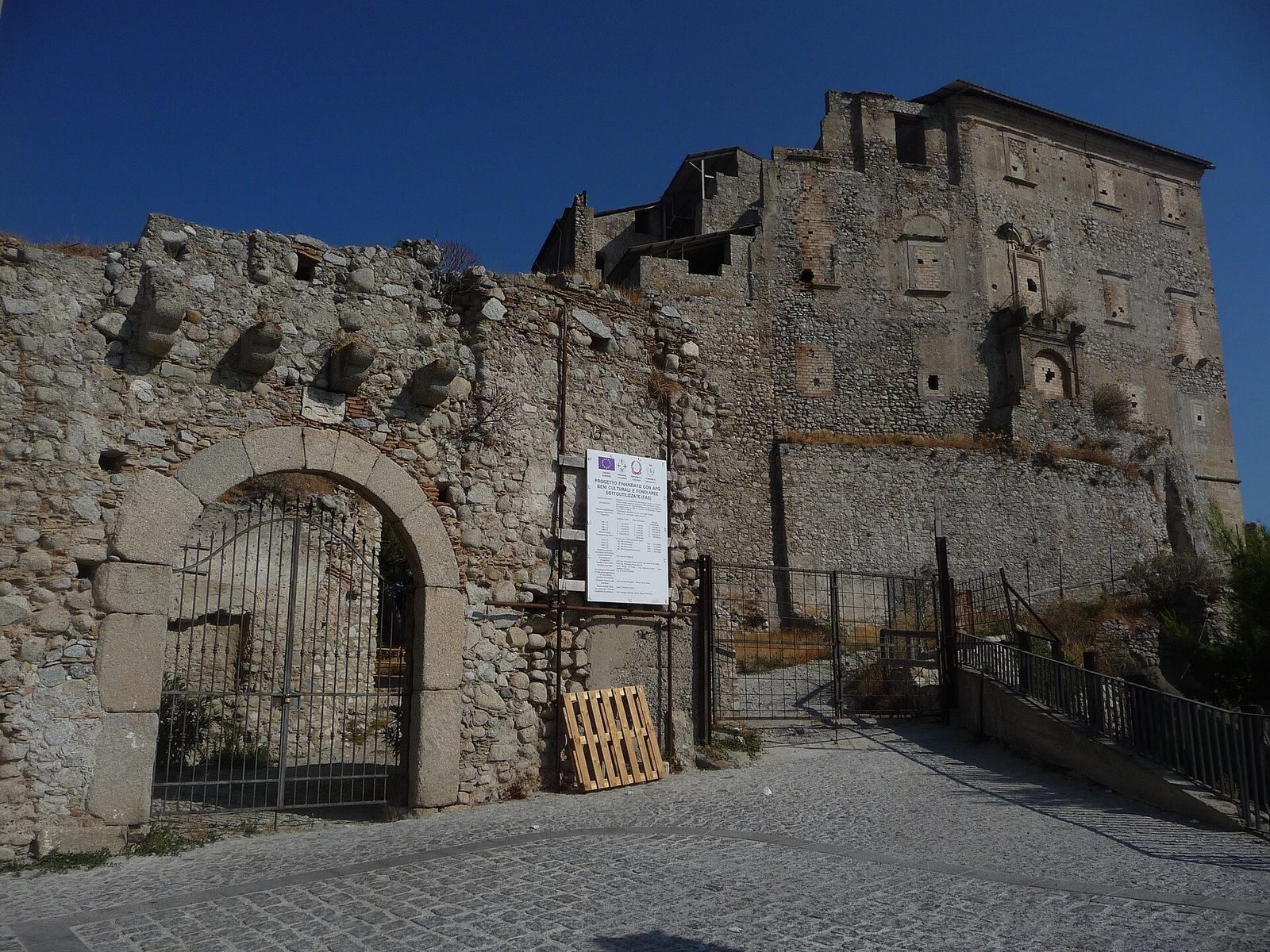
Also known as Palazzo Carafa, Roccella Ionica Castle is a medieval fortress on the Ionian coast.
The church of Saint Nicholas of Bari
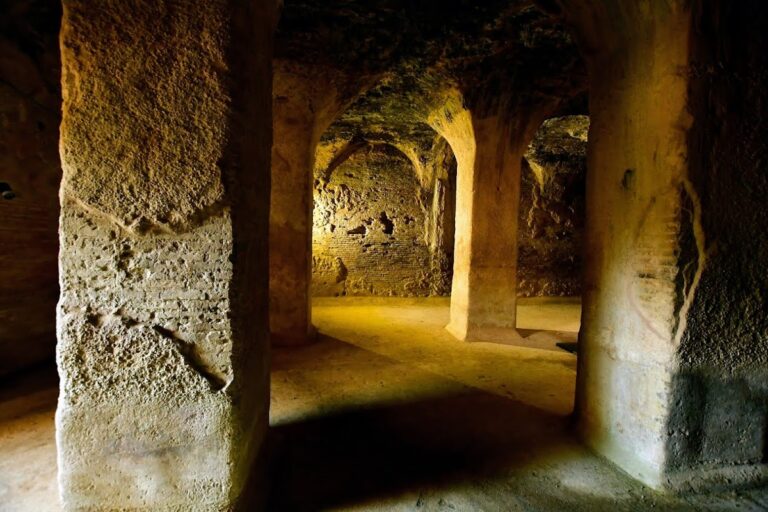
The adjoining church is in the Ionian Baroque style, a regional form of Baroque architecture. It has three naves, the main spaces for the congregation, and catacombs, underground burial places. Its presbytery, the area around the high altar, contains an altar dated to 1763. The vaulted ceiling bears paintings by Raffaele Ursini, a local painter, and the church has polychrome marble altars. A corridor once connected it to the Carafa princes’ palace, but the passage has been destroyed.