Vagen Palace: A Country Residence in Upper Bavaria
Site at a Glance
- Popularity
- Very High
- Country
- Germany
- Primary era
- Early Modern
- Eras represented
- Early Modern, Modern
- Civilizations
- Electorate of Bavaria, German, Holy Roman Empire, Kingdom of Bavaria
- Site type
- Domestic
- Remains
- Elite Residence
On this page11 sections
History
Vogt’s country house
Vagen Palace is a country residence in Vagen, in the municipality of Feldkirchen-Westerham in Upper Bavaria, Germany. Anton Vogt built it in 1768 as a simple country house and retirement home, naming it Vogtenruhe. An architect, Vogt also served as steward of Valley and was lord of the Vagen Hofmark, a Bavarian landed estate whose lord held local seigneurial rights.
Expansion into a palace
Count Heinrich von Boos-Waldeck (1828–1910) began a major renovation in 1872. The work enlarged and substantially changed the residence during the 1870s. Architect Emil Lange carried out the extension and remodeling around 1872–73, giving the country house its palace form.
Inheritance and later renovations
The estate passed by inheritance to the von Aretin family in 1910. Karl Michael von Aretin, a German nobleman with a rank broadly equivalent to baron, renovated the palace in 1989–90. The owners undertook a further extensive renovation in 1995.
Remains
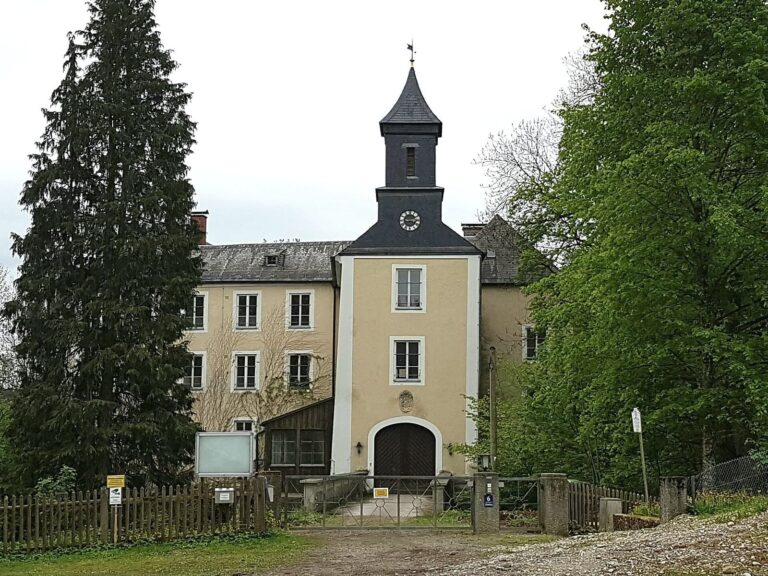
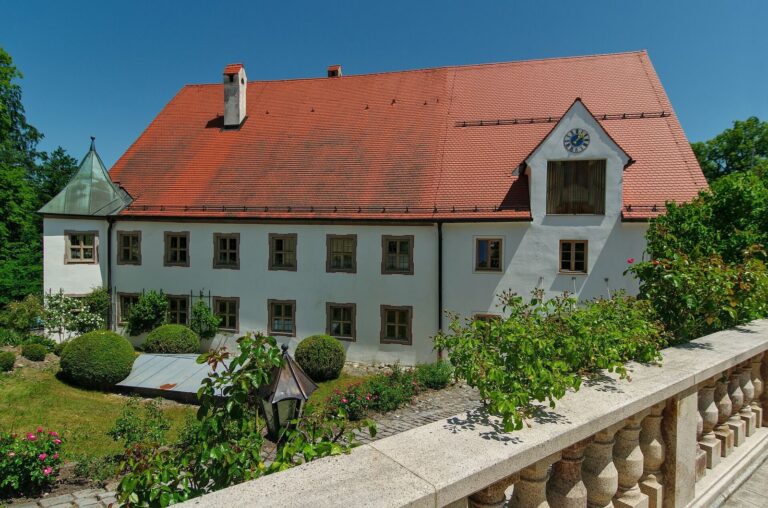
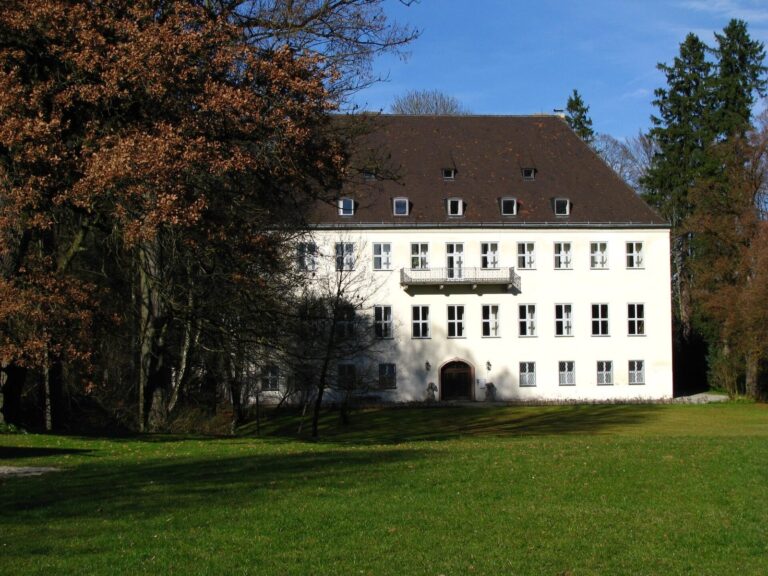
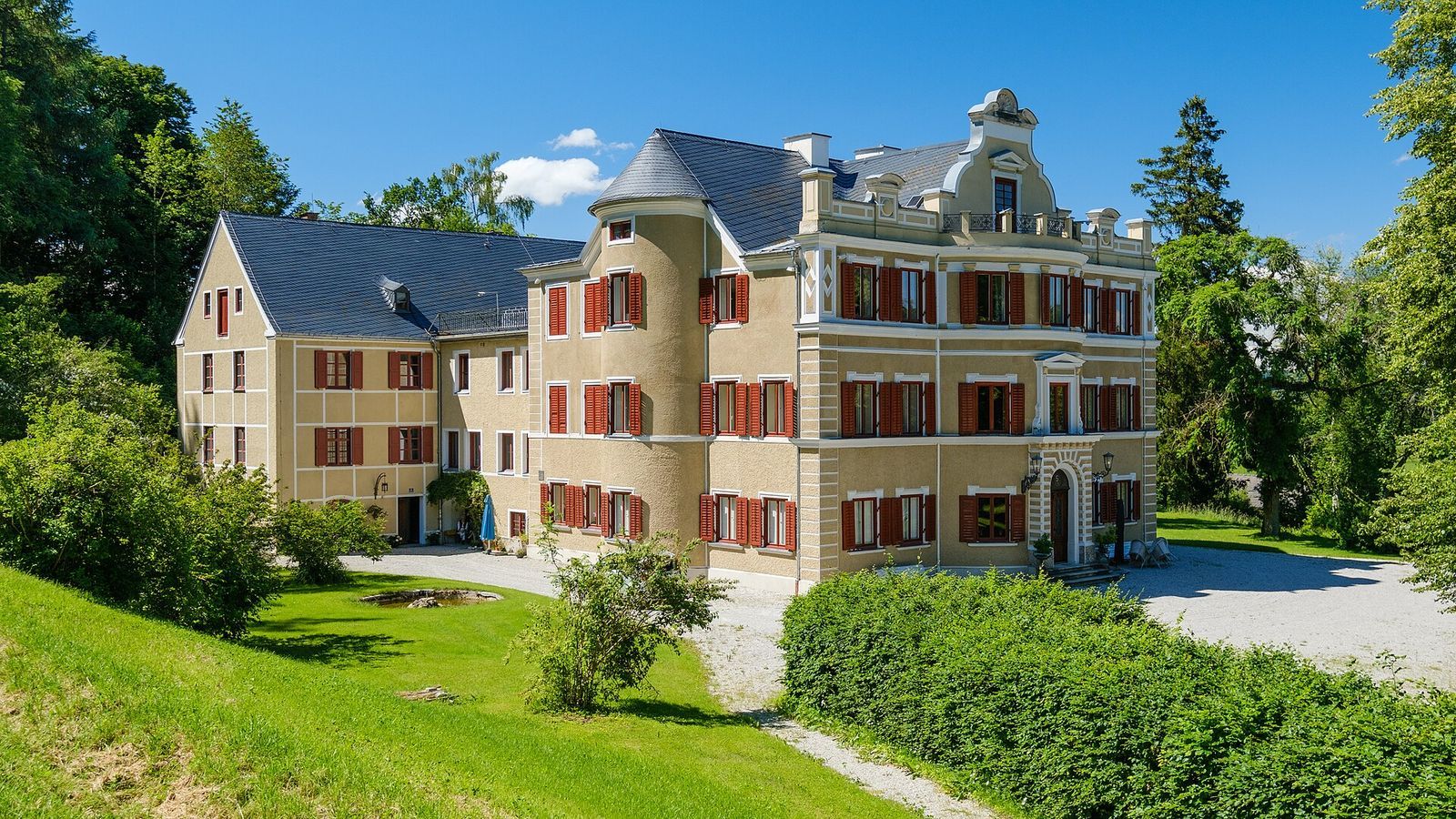
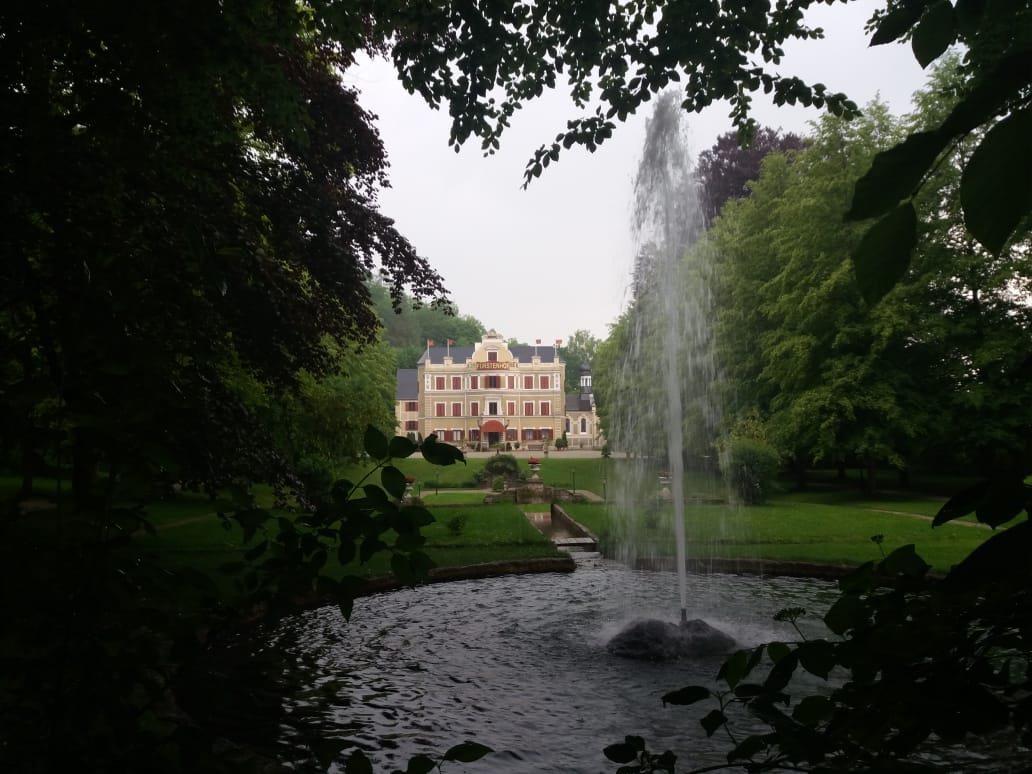
The palace is a three-wing complex with a three-storey main building. Its grounds also include a chapel, a garden and water cascades.
Palace buildings
Main building
The main building has plaster-coated walls and a gabled roof. Its exterior features semicircular projecting towers, dormer windows with curved gables and additional plaster detailing. The palace contains 25 rooms.
Chapel
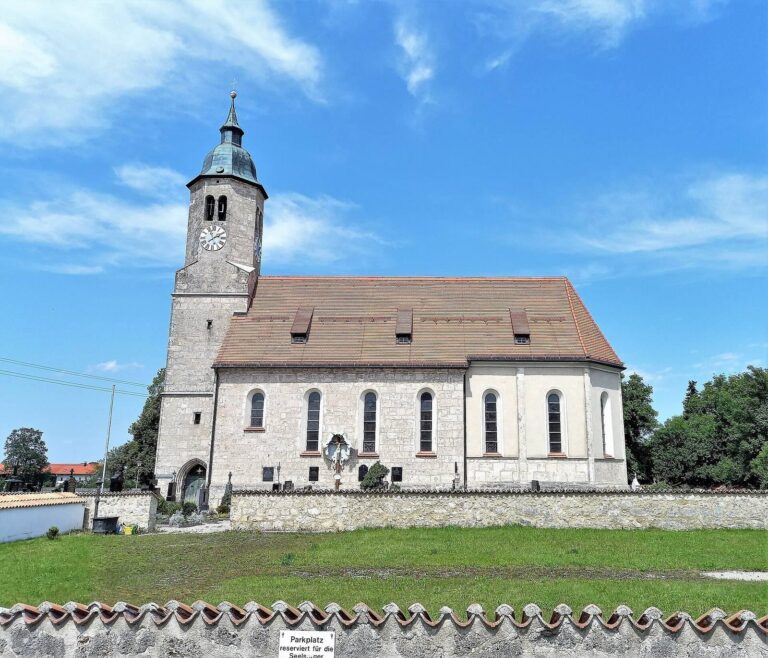
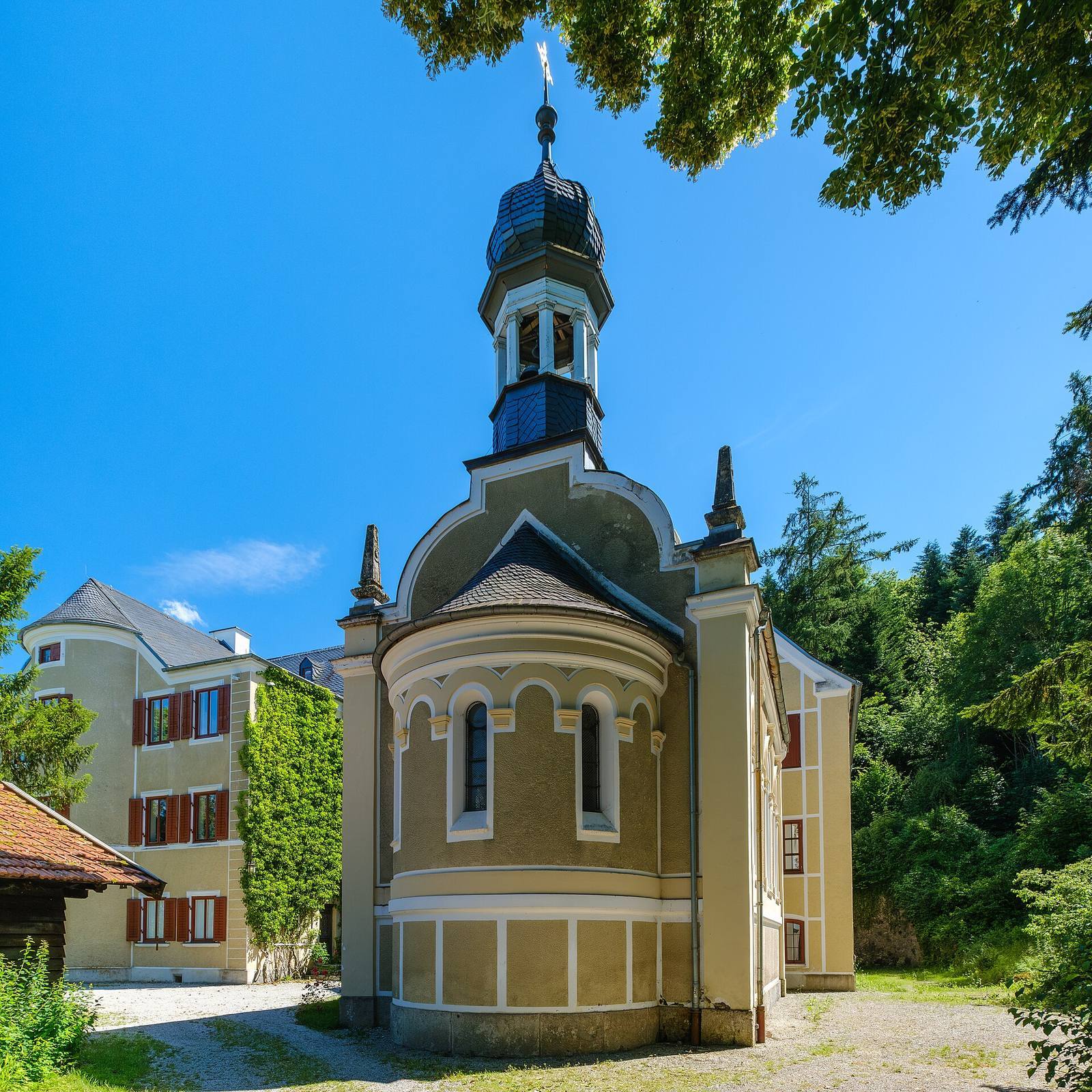
Dating to around 1900, the chapel is a plaster-coated building with a gabled roof. A small roof turret rises above it, capped by an onion-shaped dome, and the exterior has plaster detailing.
Garden and grounds
Garden and water cascades
The palace garden dates from the 18th and 19th centuries. Its water cascades are associated with Goldbach and date to work carried out by Anton Vogt.
Archaeological remains
Subsurface archaeological remains from the early modern period lie beneath the palace grounds and areas associated with the estate buildings.