Arch of Mark Antony: A Roman Honorific Monument at Aquinum
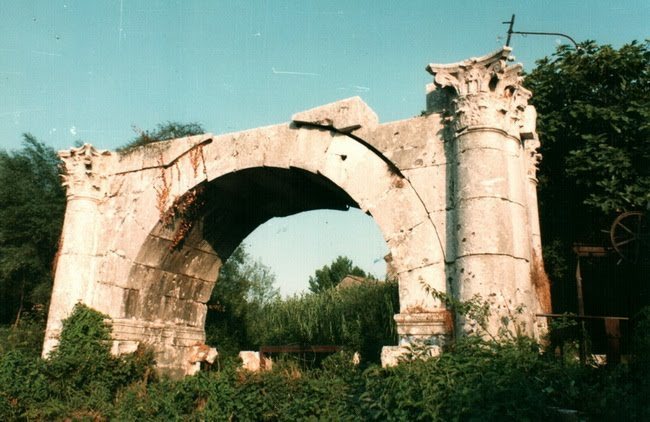
Site at a Glance
- Popularity
- Low
- Country
- Italy
- Primary era
- Classical
- Eras represented
- Classical, Early Modern
- Civilizations
- Kingdom of Naples, Roman
- Site type
- Civic
- Remains
- Arch
On this page4 sections
History
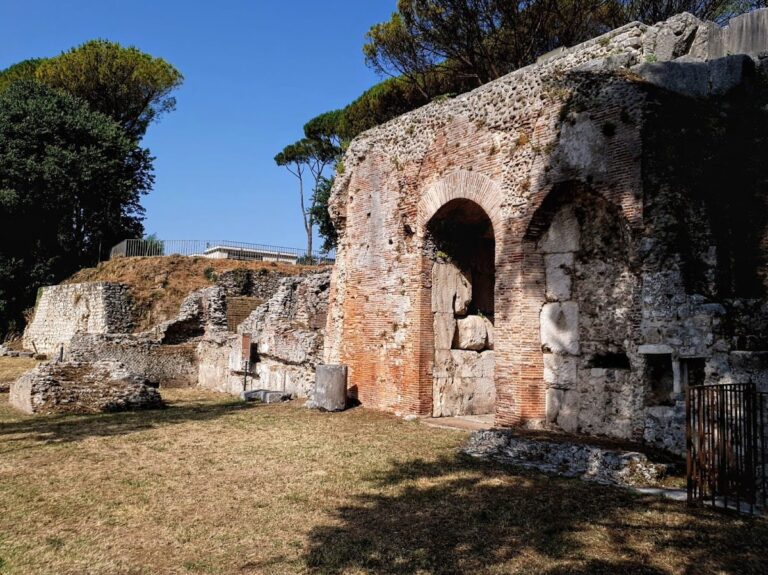
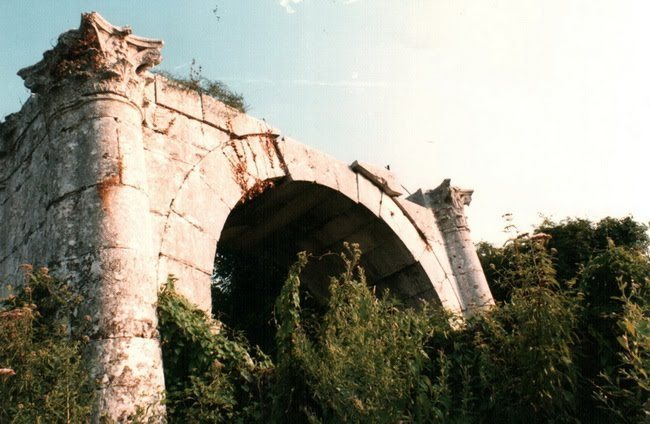
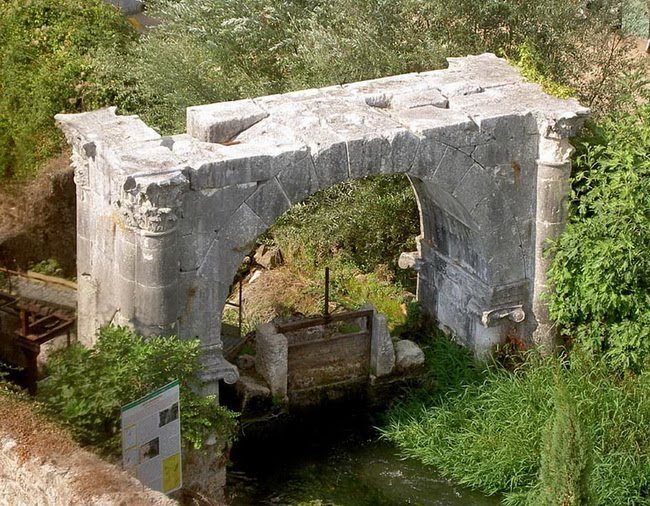
The Arch of Mark Antony is a first-century BC Roman monument in Aquino, Italy, on the site of ancient Aquinum. It stood at the city’s eastern entrance beside the Via Latina, the Roman road connecting Rome with areas to the southeast. Some scholars regard it as the earliest honorific arch in the Roman world. An honorific arch is a monument erected to commemorate a person or event.
Tradition and possible date
Local tradition says Aquinum’s citizens built the arch in a single night to honor Mark Antony, a politician and military commander of the late Roman Republic. The story links its construction to a stop he made in the city while traveling from Casinum, modern Cassino, to Rome.
The exact occasion for the arch’s construction is uncertain. It may have been built in connection with the establishment of a veteran colony, a settlement for military veterans, at Aquinum in 41 BC. Another possibility is that it followed the reorganization of the Via Latina in 27 BC by Gaius Calvisius Sabinus, a Roman senator and magistrate.
Later alterations
After the beginning of the sixteenth century, a canal built to supply mills partly submerged the arch. The canal later served a paper mill. One capital was damaged during the Second World War. Restoration in 1995-96 removed water from the canal.
Remains
The arch stands in an isolated, elevated position in relation to the ancient city, where the urban center opened out. This placement made the monument conspicuous, like a frame at the edge of the city. Built from regularly cut travertine blocks, it measures 6.10 metres across and has a single undecorated archway. A cornice supports the arch and rests on columns at the inner corners of its main supports. The inner columns have smooth shafts formed from stone drums integrated with the surrounding masonry. Attached half-columns at the outer corners extend along both sides and also have smooth shafts. Ionic capitals crown the inner columns, while the outer half-columns have Corinthian capitals, two classical column styles distinguished in part by the shape of their capitals. The monument remains partly buried.