Rio Branco Palace: A Center of Government in Salvador
Site at a Glance
- Country
- Brazil
- Primary era
- Modern
- Eras represented
- Early Modern, Modern
- Civilizations
- Portuguese
- Site type
- Civic
- Remains
- Palace
On this page5 sections
History
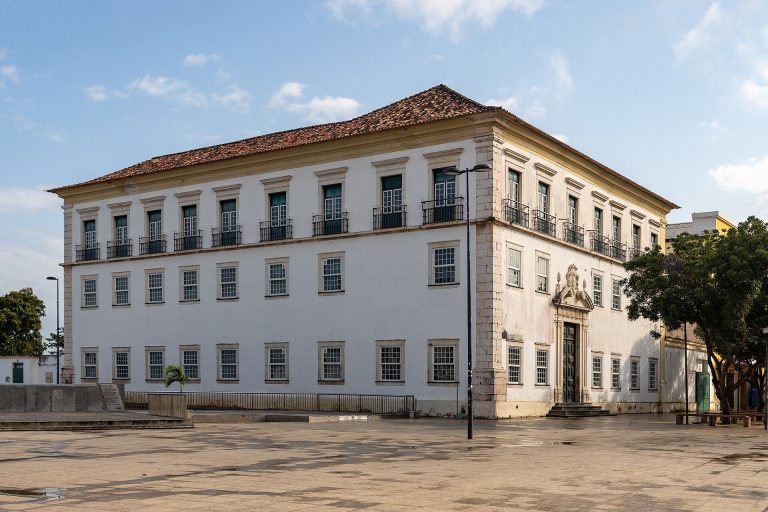
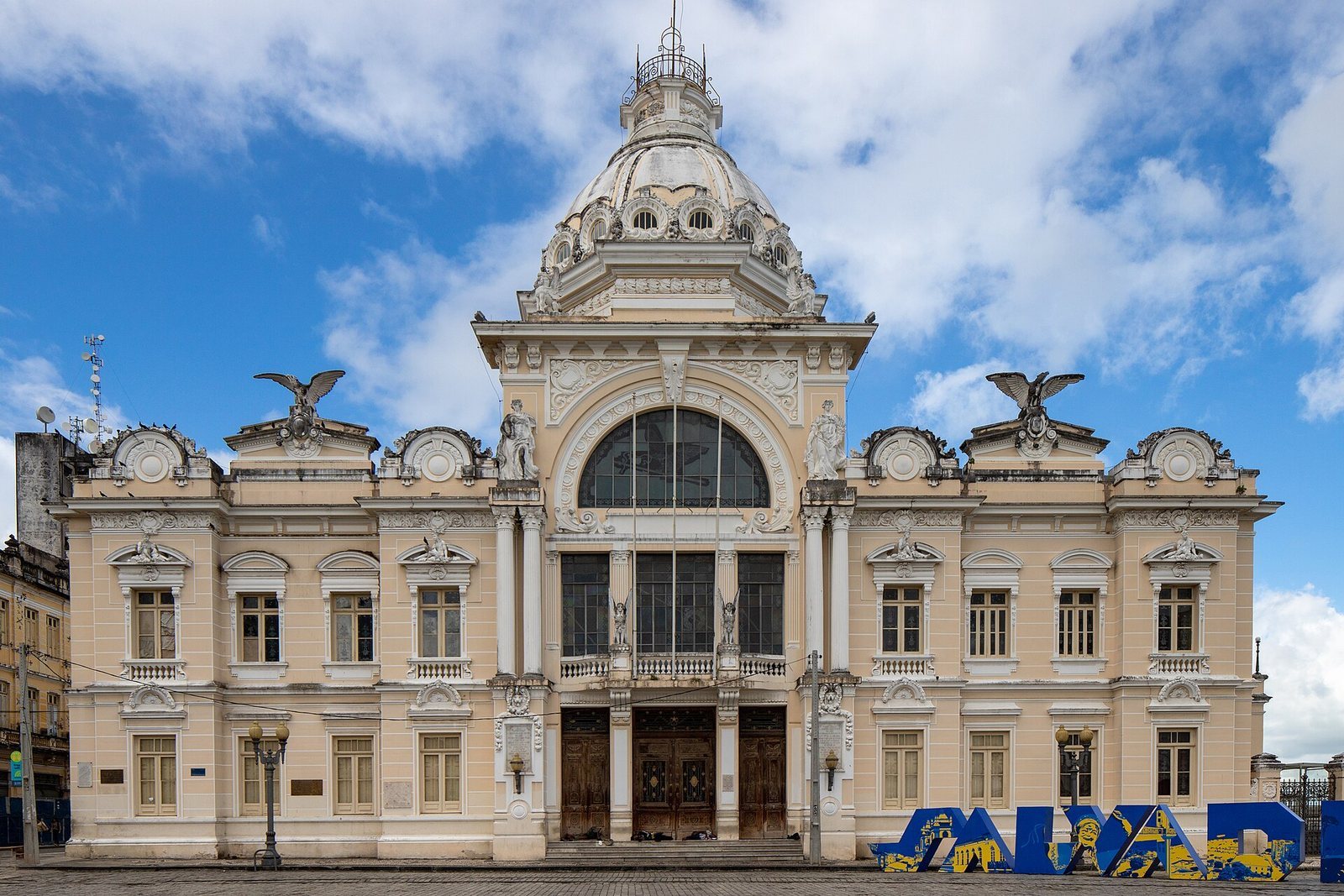
Rio Branco Palace is a historic government building in Tomé de Sousa Square in Salvador, Brazil, begun in 1549 under Tomé de Sousa as the center of Portuguese administration. It is among Brazil’s oldest palaces and later became the seat of the government of Bahia.
Colonial administration
Tomé de Sousa, Portugal’s first governor-general of Brazil, oversaw the start of construction. In later years, the palace also served as military barracks and a prison. Emperor Dom Pedro II stayed there during a tour of Bahia in 1859.
Renovation and destruction
In the late nineteenth century, the palace still had its colonial Portuguese façade, which was regarded as a sign of decline in the new republic. Governor Luís Viana oversaw a major renovation completed in 1900.
On January 10, 1912, the bombardment of Salvador, commanded by President Hermes da Fonseca, severely damaged the palace and left it nearly in ruins. The attack also destroyed a collection of rare books kept on the ground floor. Reconstruction began under Governor Antônio Ferrão Moniz de Aragão, and the palace was inaugurated in 1919. It was then named Rio Branco in honor of Brazilian diplomat and statesman José Paranhos, Baron of Rio Branco.
Restoration and present use
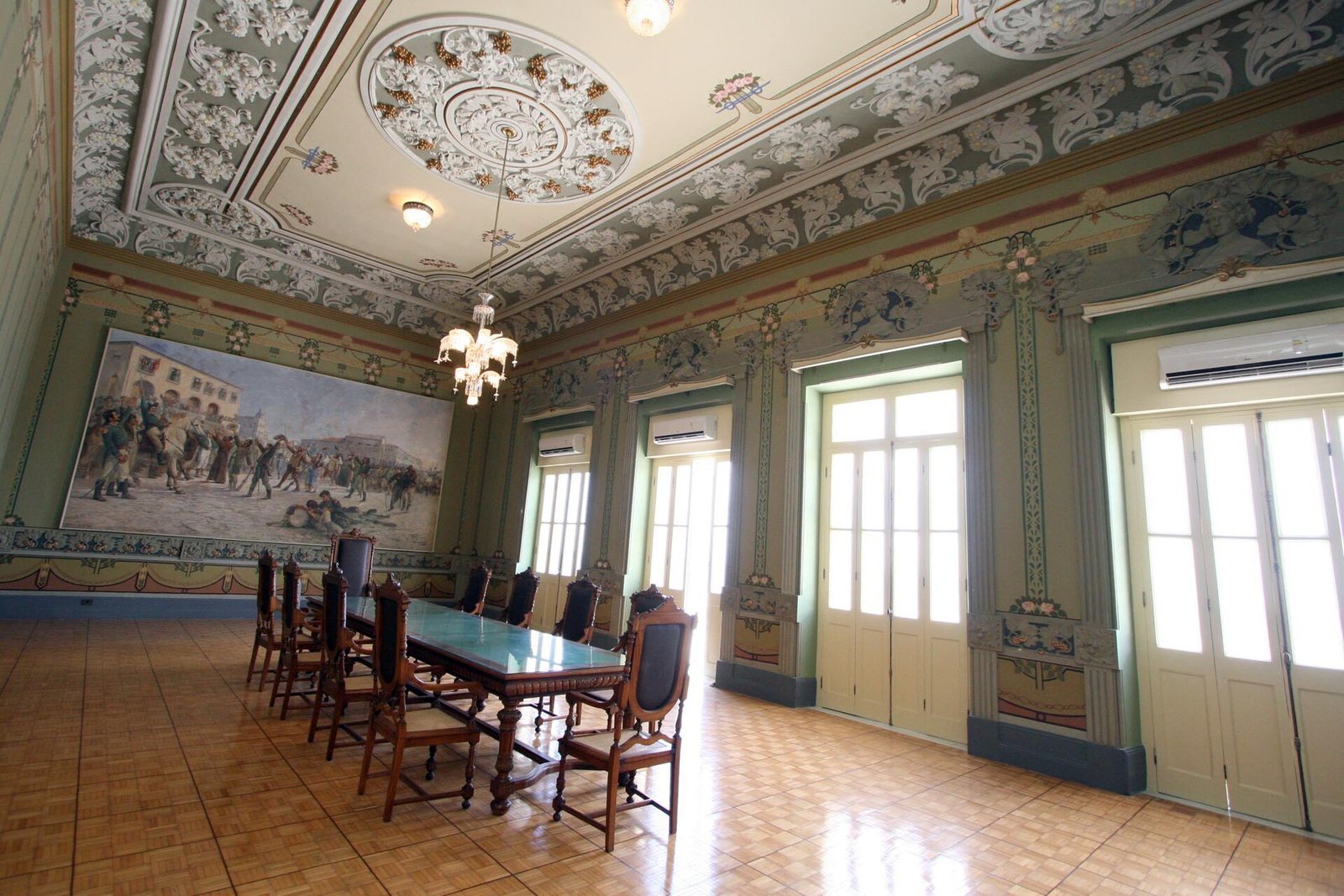
A complete restoration followed in 1984 because of the palace’s poor condition. It now houses the Pedro Calmon Foundation, the Cultural Foundation of the State of Bahia, and the Memorial of the Governors, and is identified as a museum. The palace is within the Historic Center of Salvador, a UNESCO World Heritage Site, a designation for places recognized for outstanding universal cultural or natural value.
Remains
The palace occupies 4,500 square metres in Tomé de Sousa Square, where the city hall, municipal chamber, and Elevador Lacerda are also located. Its earliest construction used rammed earth, soil compacted within forms, and the building later received small additions.
The palace’s architectural character is eclectic, with Neoclassical design influenced by French styles. Its reconstructed façade is ornate and Neoclassical, replacing the colonial Portuguese appearance it retained into the late nineteenth century.