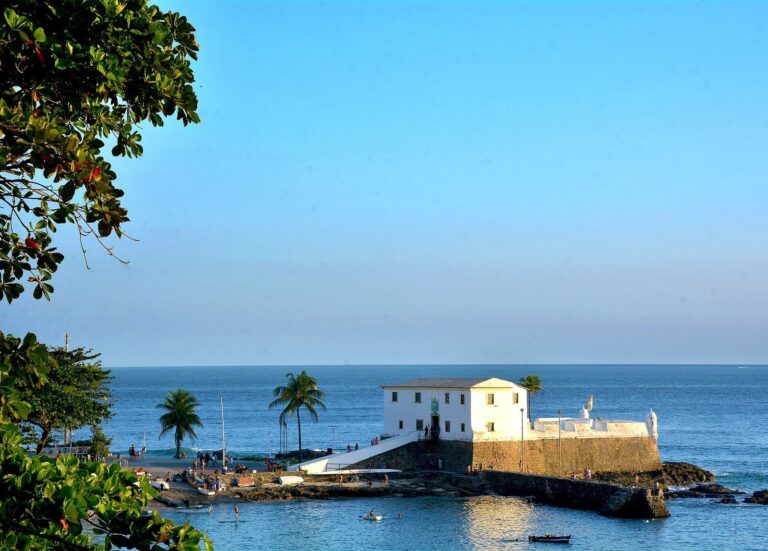
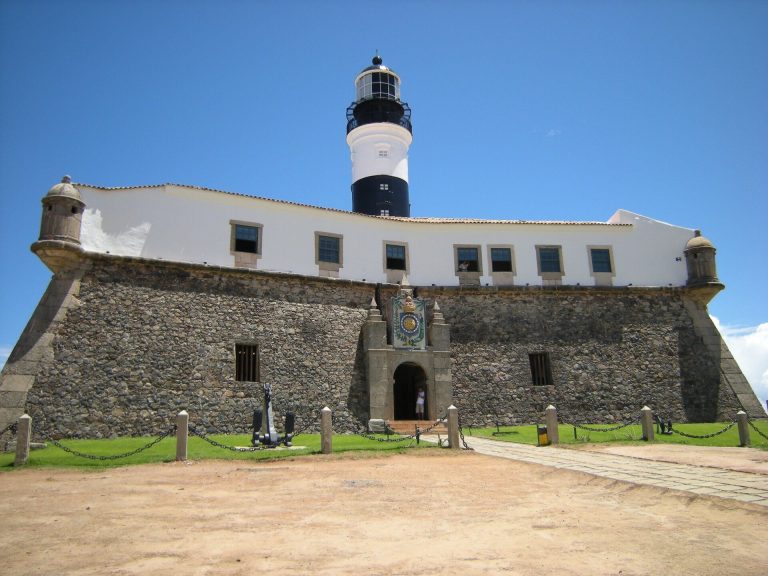
Small Fort of Santo Alberto: A Coastal Defense Fort in Brazil
Site at a Glance
- Country
- Brazil
- Primary era
- Early Modern
- Eras represented
- Early Modern
- Civilizations
- Portuguese
- Site type
- Military
- Remains
- Fort
On this page5 sections
History
Foundation and defense
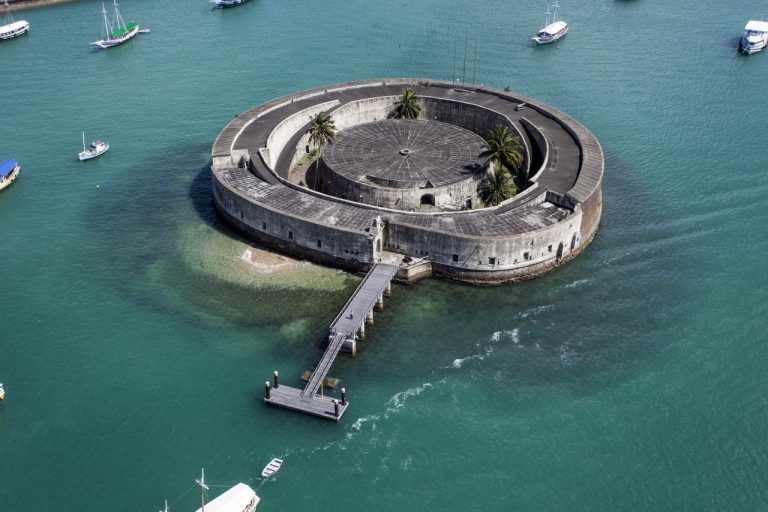
The Small Fort of Santo Alberto is a coastal fortification between Salvador’s Lower City and Itapagipe Point in Bahia, Brazil. Its construction is attributed to Philip I of Portugal, a Habsburg king also known as Philip II of Spain, and dates to before 1590. Developed around the remains of the earlier Tower of São Tiago, the fort protected the anchorage and the place where ships took on water at Água de Meninos, together with the contemporary Fort of Santo Antônio além do Carmo. A wall and earthen embankment were built around the tower’s remains in 1590; the fort was completed in 1610 and dedicated to Saint Albert.
Dutch forces occupied the fort during the first Dutch invasion of Brazil in 1624–1625, part of the Netherlands’ military campaigns against Portuguese-controlled Brazil. In 1809, a commission appointed by the Count of Ponte to examine Salvador’s defenses judged the fort strategically useless because of its small size and recommended that it be demolished.
Independence and later military use
After Brazil’s victory in its War of Independence from Portugal, the fort fired a signal on 2 July 1823 authorizing the departure for Portugal of forces commanded by Colonel Inácio Luís Madeira de Melo. It later became known as Lizard Fort, probably from a type of cannon then nicknamed a little lizard.
From 1855, the fort housed a pyrotechnics workshop attached to the War Arsenal, the military institution responsible for weapons and related supplies. The workshop produced military pyrotechnic materials. Emperor Pedro II visited in 1859. During the Christie Question, a diplomatic crisis between Brazil and Britain in the 1860s, a report dated 3 August 1863 noted that the fort had been repaired. By 1885 it had nine artillery pieces and was regarded as one of the best-preserved fortifications.
Port expansion and restoration
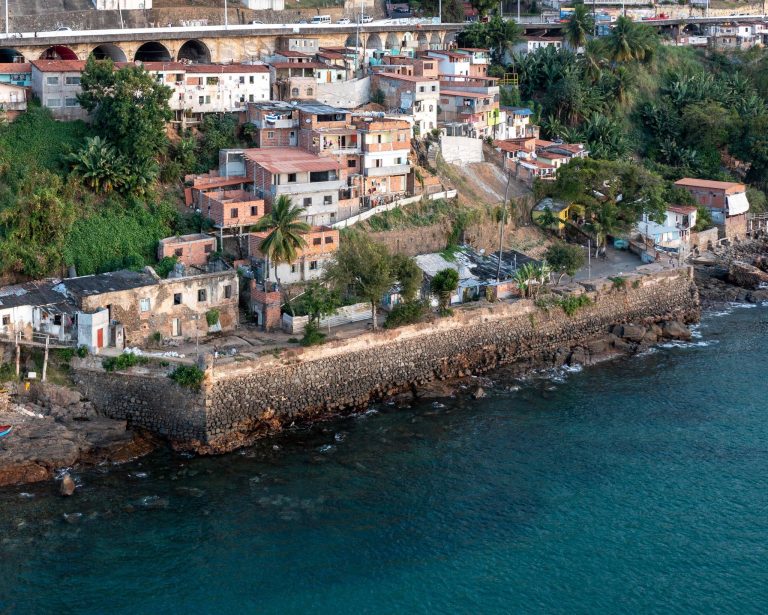
Later expansion and modernization of Salvador’s port left the fort set back from the sea. In 1958 it housed the Army Veterinary Service and was also used by the Army Warrant Officers and Sergeants Club. The Brazilian Army’s 6th Military Region later restored the fort as part of a historic-forts revitalization project carried out with the Secretariat of Culture and Tourism.
Remains
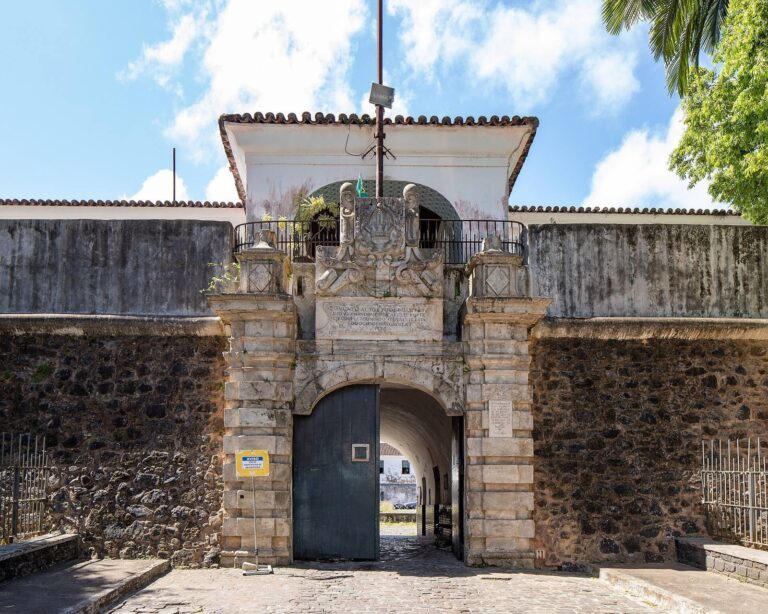
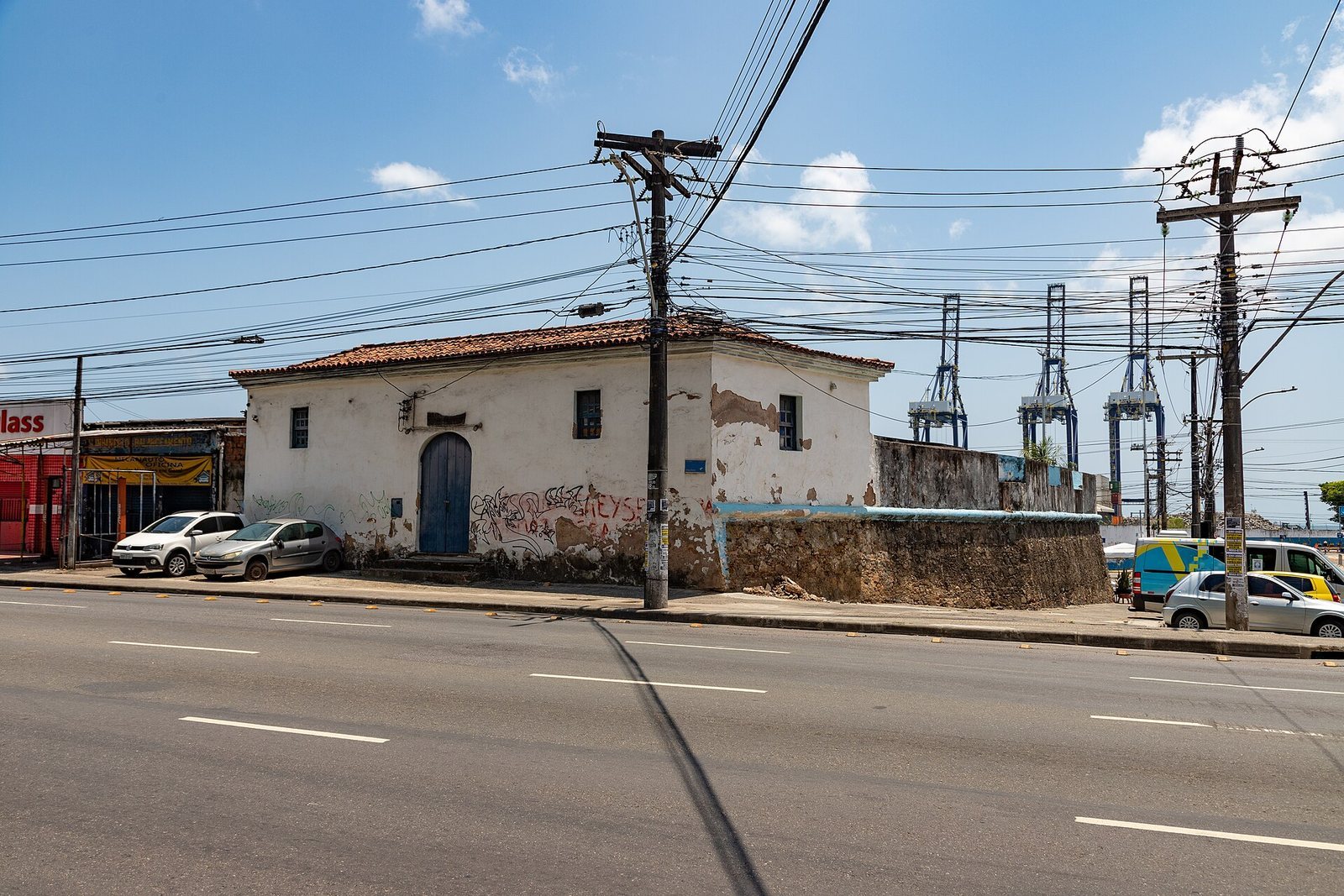
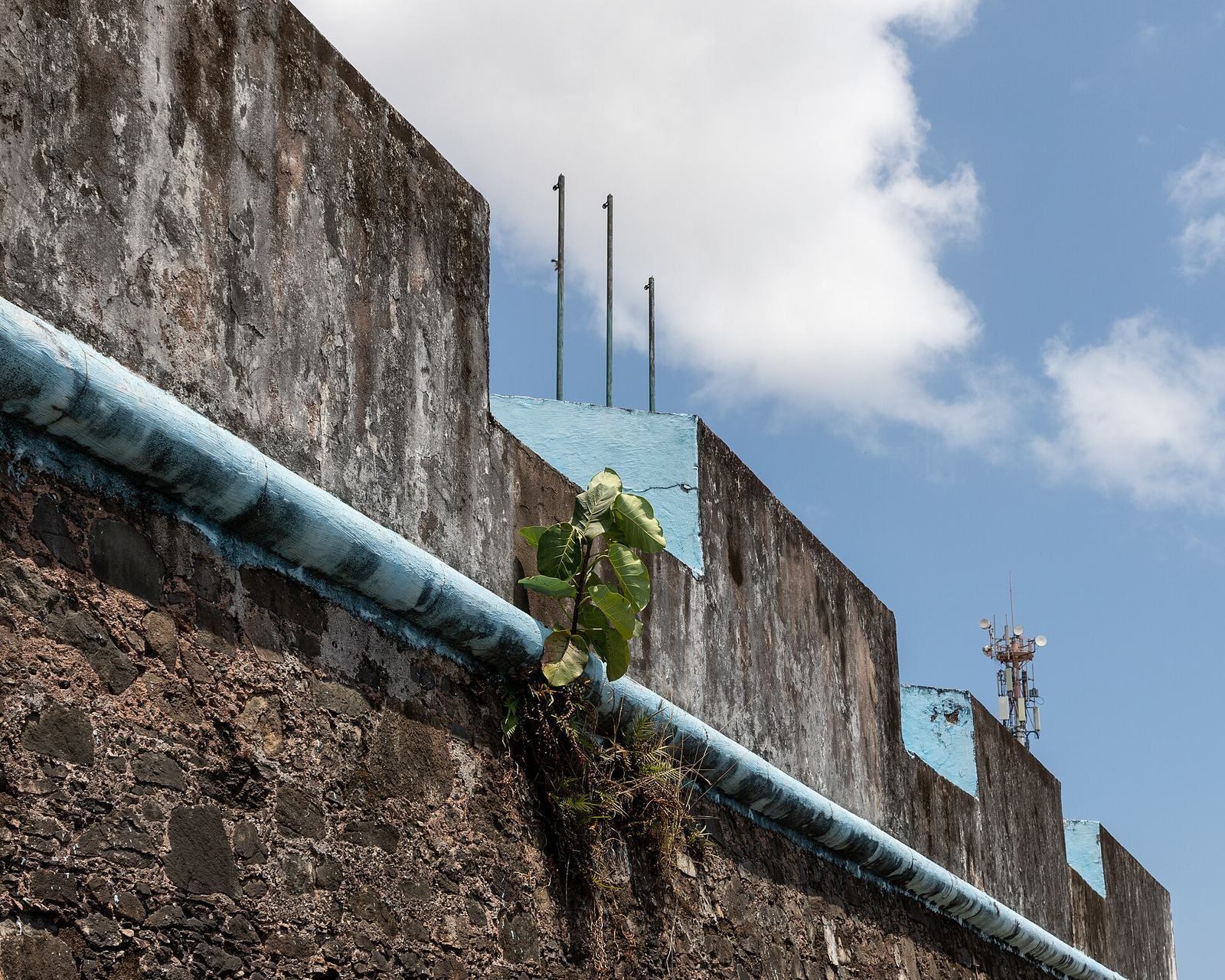
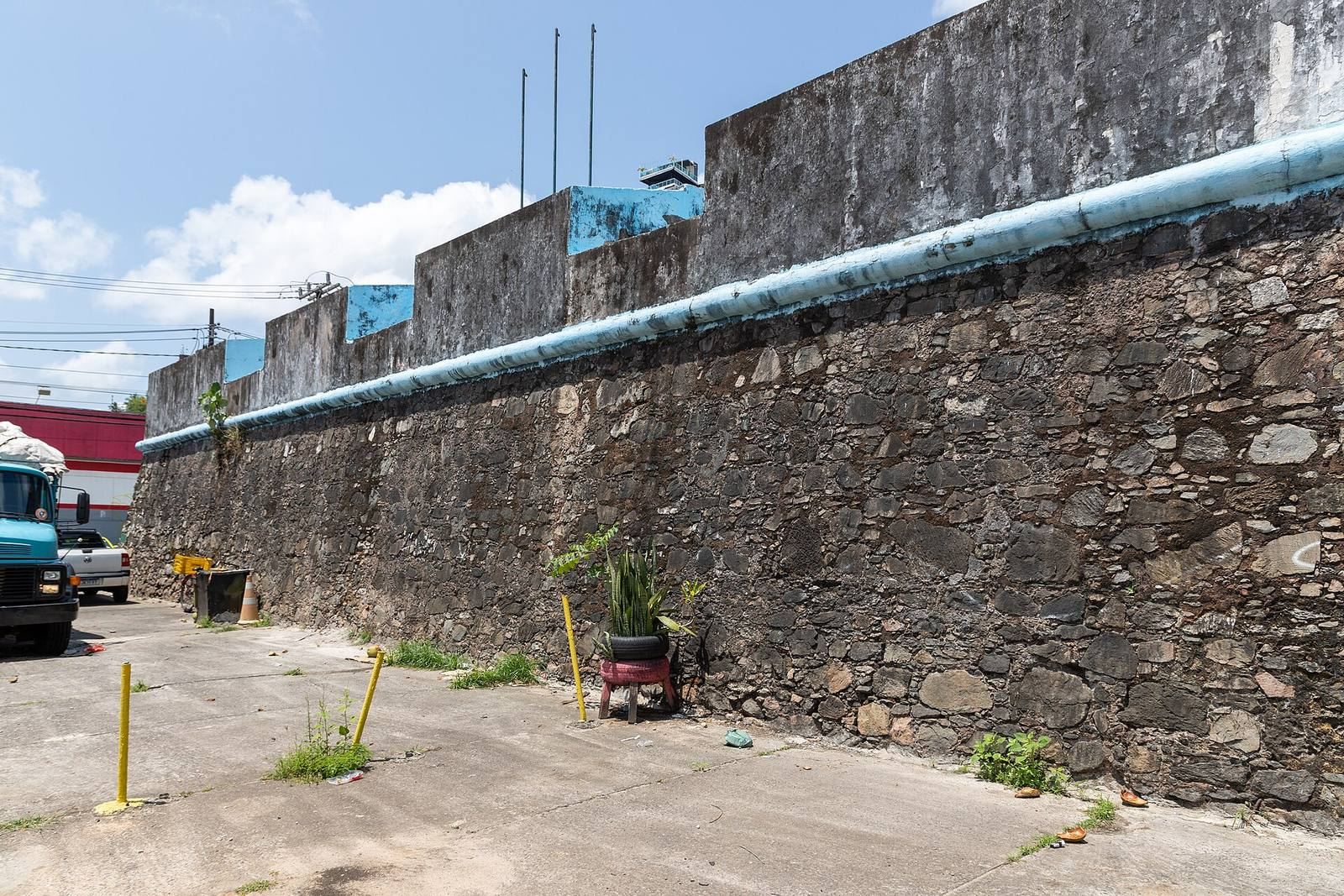
The fort’s surviving form is an irregular, seven-sided enclosure with a crenellated stone wall. A drawing from around 1764 shows parapets arranged so guns could fire over their tops. On the entrance side, it depicts a circular, single-storey tower with service rooms, set on the fort’s level interior platform. The present building dates to 1694, and its condition is described as good.
Earlier plans show different layouts. A 1616 map depicts the fort as the Redoubt or Military Post of Santo Alberto da Praia, armed with two artillery pieces. A 1631 map shows a regular four-sided plan, with sides measuring 30 palms, a traditional hand-based unit whose length varied, and two round projecting defenses at the corners facing inland. It also depicts two guns. Archaeological remains of the earlier Tower of São Tiago were discovered in the late twentieth century. A 1779 illustration identifies the fort in a view of Salvador from the sea.