Regéc Castle: A Medieval Fortress and Rákóczi Residence in Hungary
Site at a Glance
- Rating
- 4.8
- Popularity
- Medium
- Country
- Hungary
- Primary era
- Medieval
- External website
- Open
- Eras represented
- Medieval, Early Modern
- Civilizations
- Hungarian
- Site type
- Military
- Remains
- Castle
On this page10 sections
History
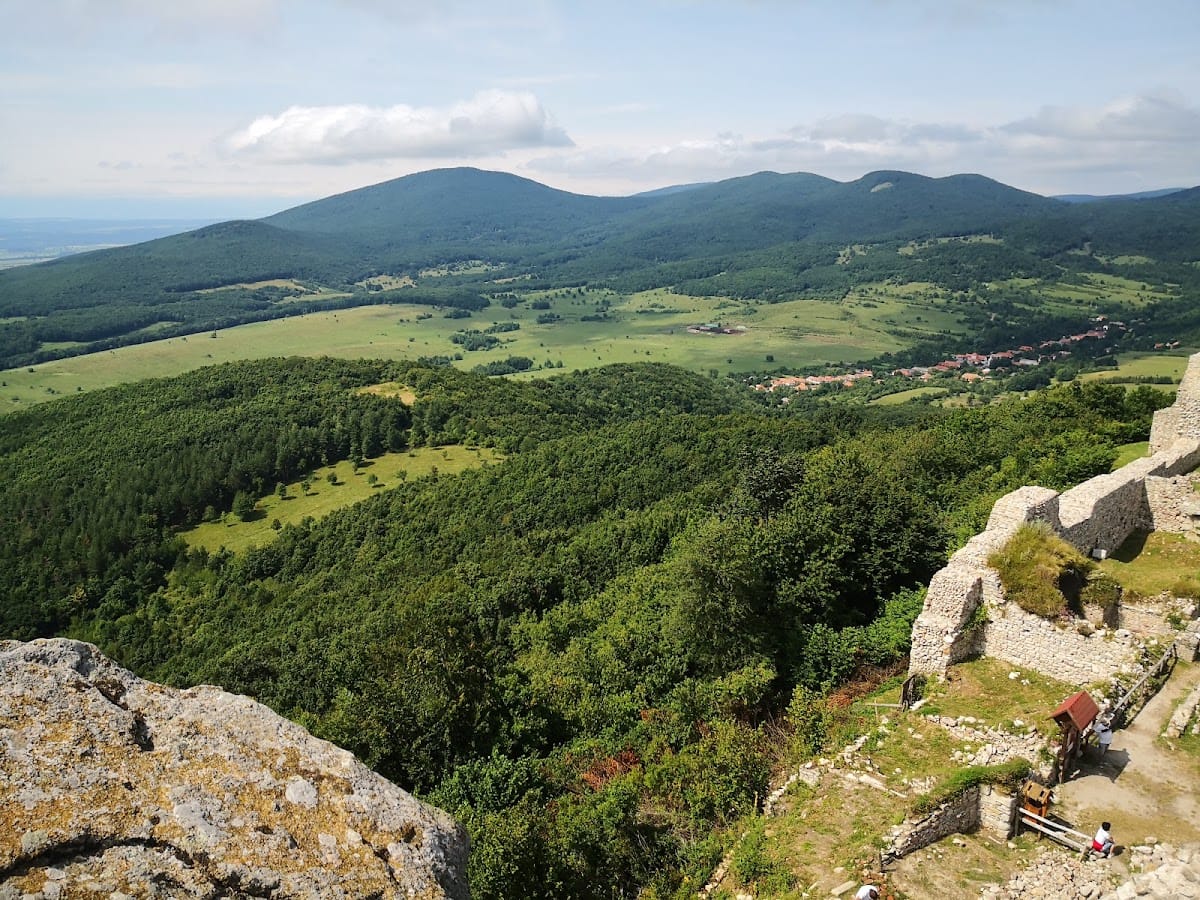
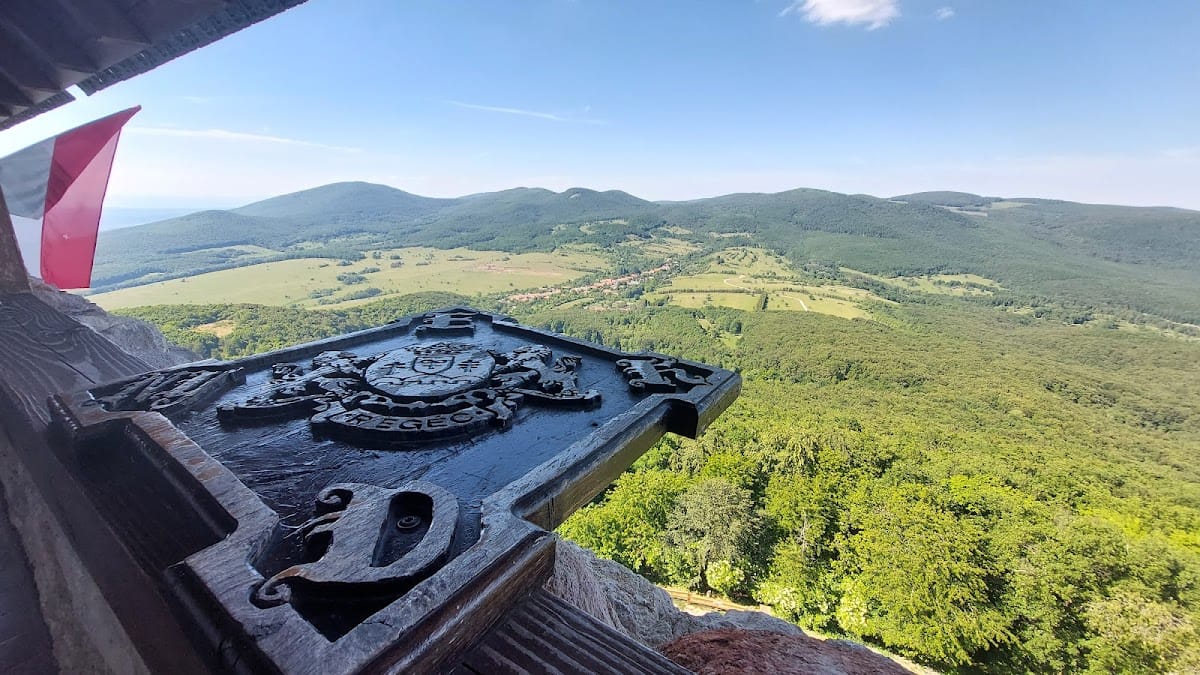
Regéc Castle is a medieval Hungarian fortress in Hungary, built on a 639-metre elevation in the central Zemplén Mountains near Regéc and Mogyoróska. Its construction is uncertain, with proposed dates of 1280 and around 1300, but the strongest evidence places its foundation around the turn of the thirteenth and fourteenth centuries, probably by members of the Aba kindred, a powerful Hungarian noble lineage.
Origins and Royal Possession
Regéc was mentioned in 1298 in connection with a battle fought beneath Regéc Mountain in 1285 during the Second Mongol Invasion, a Mongol attack on Hungary that followed the earlier invasion of 1241 to 1242. The battle probably took place below the mountain because a castle is not thought to have existed there at that time. The first certain evidence for the fortress dates from 1307, when Palatine Amadé of the Aba kindred issued a charter at Regéc. A palatine was one of the highest offices in the medieval and early-modern Kingdom of Hungary, with major judicial, military, and political responsibilities.
After the Battle of Rozgony in 1312, Regéc briefly came into the possession of Péter, son of Petenye. King Charles I, the Angevin ruler of Hungary from 1308 to 1342, captured it by siege in 1316. The castle then remained royal property for an extended period.
Fifteenth- and Sixteenth-Century Changes
In the late 1420s, King Sigismund granted Regéc first to the Serbian prince Stefan Lazarević, who had fled to Hungary from the Ottomans, and later to George Branković. Both princes maintained important political connections with the Hungarian kingdom. The fortress had returned to royal ownership by 1459, but King Matthias, also known as Matthias Corvinus, granted it to the Szapolyai family before 1464. After the death of John Szapolyai, the Serédy family acquired Regéc in 1541. János Alaghy and the Alaghy family followed as owners in 1558.
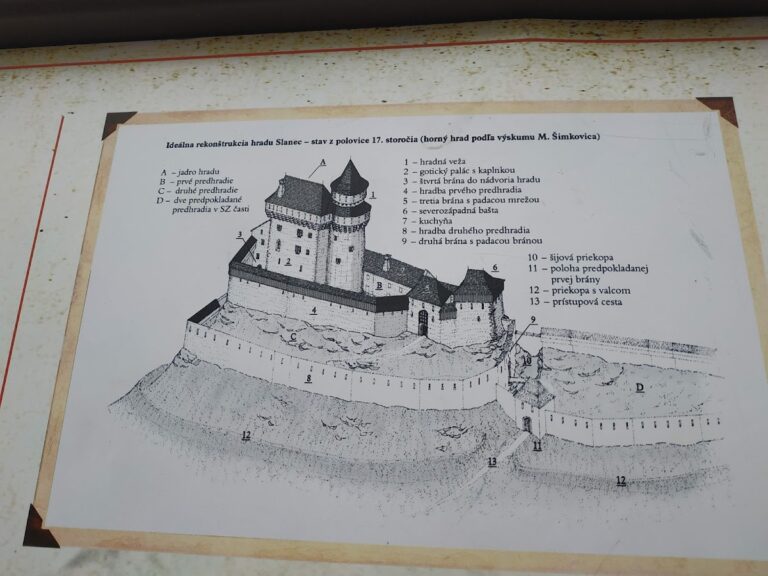
The castle was radically remodeled at the end of the fifteenth century and expanded southward from the middle of the sixteenth century. Its fullest development came during the seventeenth century, when it served not only as a fortified site but also as a residence for the Serédy, Alaghy, and Rákóczi families.
The Esterházy and Rákóczi Periods
Miklós Esterházy, who later became Palatine of Hungary, acquired Regéc in 1635. Prince George I Rákóczi of Transylvania, the ruler of a principality that often pursued an independent policy between the Habsburg and Ottoman spheres, took the castle from him by siege in 1644. Rákóczi died suddenly in autumn 1648 before he could carry out his plans to strengthen the fortress and improve the administration of its estate.
Regéc became closely associated with the Kuruc movement, an anti-Habsburg political and military force active in historical Hungary during the seventeenth and early eighteenth centuries. Francis I Rákóczi and Ilona Zrínyi were connected with the castle, and after their marriage in 1666, Thököly’s silverware was kept in its treasury.
In May 1683, Regéc served as a supply center for military operations in Upper Hungary. Captain Miklós Szirmay organized the depot, while Zrínyi Ilona supervised purchases, work at the castle, and the preparation of flags for the summer campaign. In 1685, Imre Thököly, a leading Hungarian nobleman and commander of a major anti-Habsburg Kuruc movement, supplied the castle with food and troops in preparation for an expected imperial offensive.
Destruction and Later Ownership
After Thököly was captured by the Pasha of Várad, the Kuruc garrison opened Regéc’s gates on 5 November 1685 on the condition that imperial troops would not occupy the fortress. The condition was not honored. Acting under an imperial order, the Habsburg general Antonio Caraffa had the castle demolished in 1686.
Regéc no longer had military importance by the time of the Rákóczi War of Independence. A report from 1701 judged that repairing the castle would scarcely be possible, although the estate and its assets continued to support the uprising that began in 1703. After the war ended in defeat in 1711, the Rákóczi properties were confiscated in 1715, and Regéc briefly passed to the state treasury.
In 1720, the Regéc estate was transferred to Donát Lipót Trautsohn, an Austrian prince, in return for a royal grant of 150,000 forints. The Trautsohn family later died out without heirs, and the estate returned to the treasury for about thirty years. In 1806, partly through exchange and partly through a royal grant, August Charles Bretzenheim, an Austrian imperial prince, became its owner. Tenants administered the estate until his death, while the overgrown ruins were visited mainly by excursionists. The younger Bretzenheim assumed direct control in 1823.
After Ferdinand Bretzenheim, who used the Regéc title, died in 1855, the estate passed to his wife, Carolina Schwarzenberg, and her sisters. Repeated inheritances and sales gradually divided the property. The former estate center, including Regéc Castle, eventually came into the possession of the Károlyi family.
Archaeology and Reconstruction
A Károlyi count ordered the installation of the first memorial plaque on the north tower wall in 1936. Additional plaques followed, but none survives because of vandalism. The castle was nationalized in 1949. During the next fifty years, the state carried out no substantial work there. In the latter half of the 1980s, activity focused mainly on clearing vegetation, including work organized by the Bükk National Park and Északerdő. Amateur archaeological camps, some organized by civil groups, also began around the castle.
From 1990, the Municipality of Regéc cared for the monument by removing rubbish, clearing vegetation, and repairing paths. In 1998, it decided to begin archaeological excavation and stabilization of the extensive ruins. The first excavation started on 5 July 1999 after a year of preparation, and an electrical network serving the castle was installed at the same time. Excavation continued in 2000, while stabilization began around the exposed north bastion and north tower. Financial difficulties slowed stabilization and reconstruction in 2001 and 2002, although excavation continued. A major phase began in spring 2003 with the rebuilding of the north bastion. By the beginning of the 2010s, the hilltop contained an orderly, partially restored ruin.
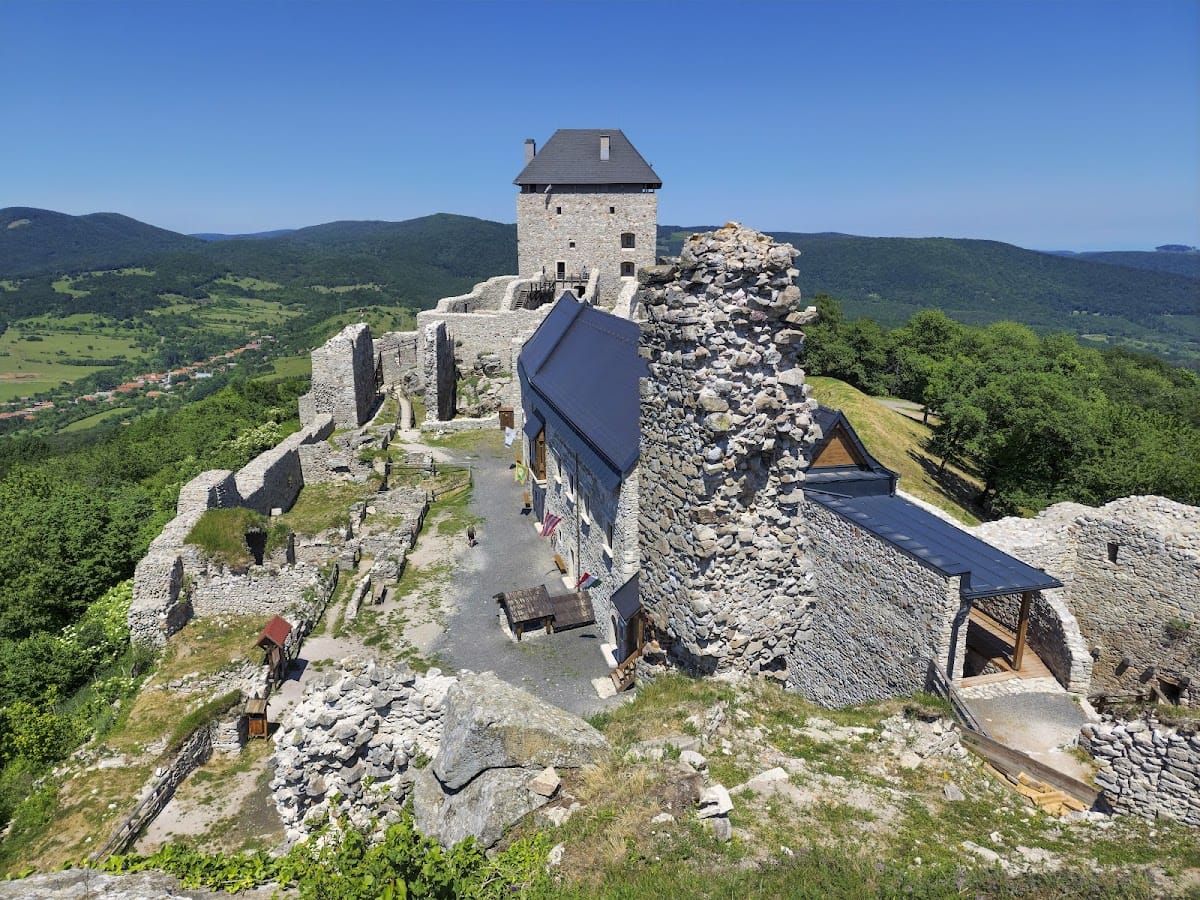
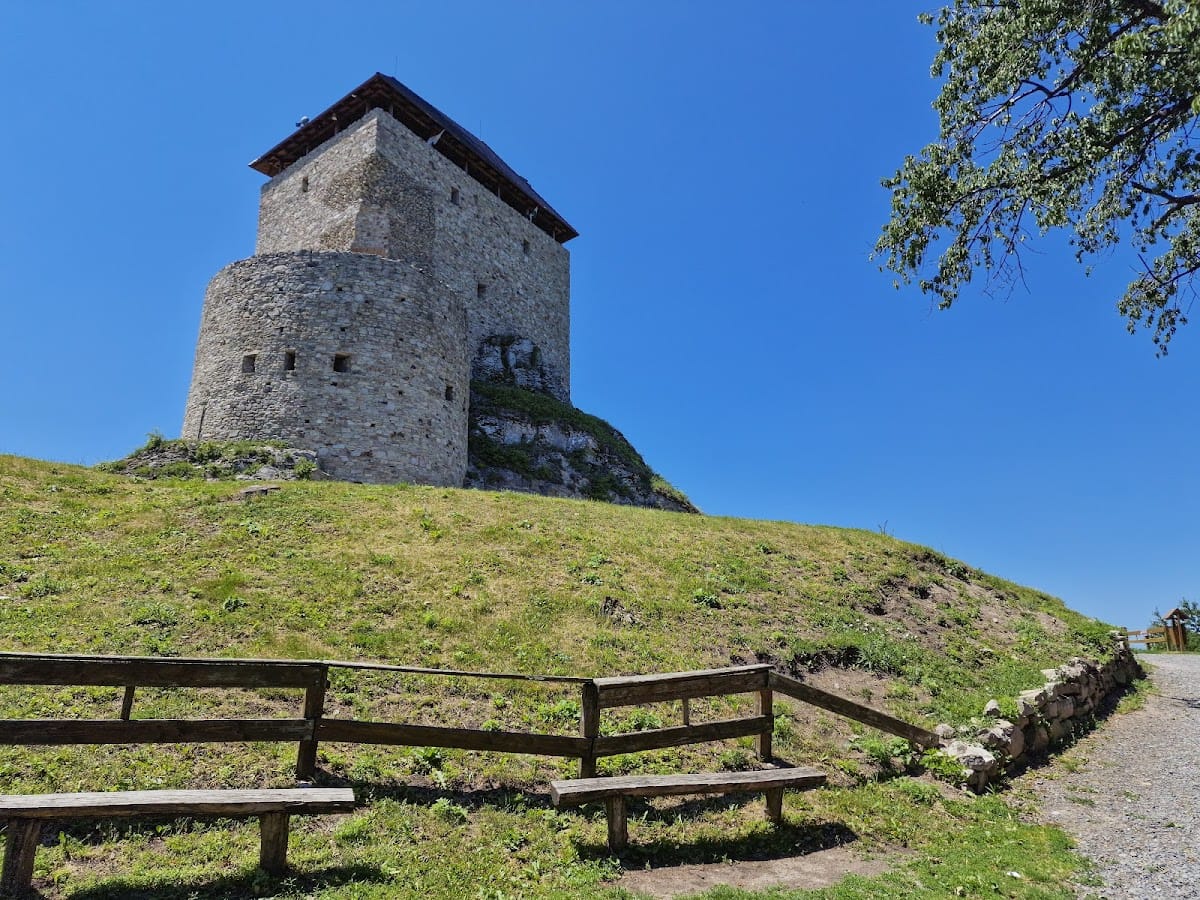
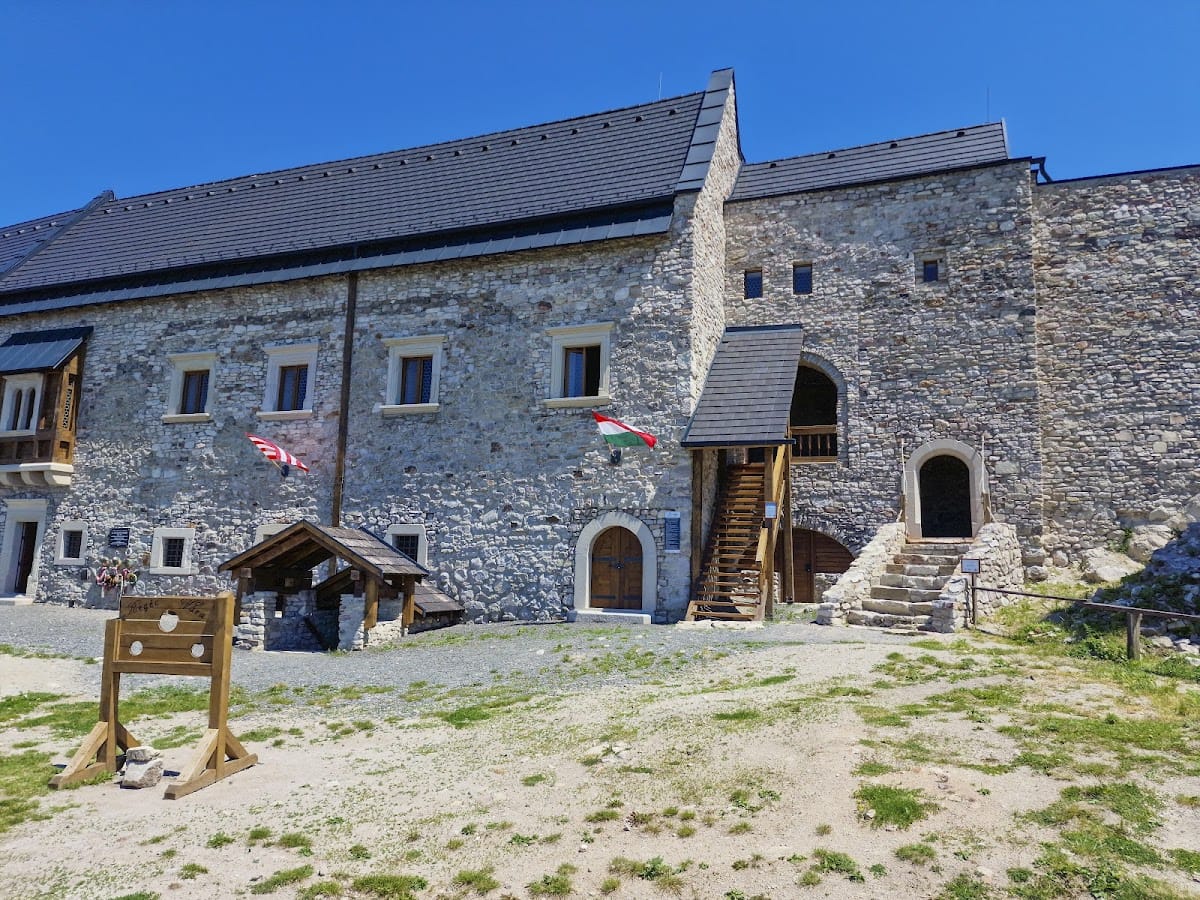
Later work supported through European Union programs reconstructed the keep with exhibition space on four levels, partly rebuilt the palace-wing walls, and replaced deteriorated wooden stairs and access structures. Regéc Castle was also included in the third phase of the National Castle Program, a Hungarian state initiative for restoring and presenting historic castles and ruins. Its estate, historical associations, and surviving masonry are treated as an important cultural and historical monument. Much of the original stone was removed by local residents and reused in their houses, while the remaining ruins continue to include collapsed masonry and vegetation-covered sections.
Remains
Early Castle Core
The earliest castle occupied only the northern rock mass at the summit area near the Regéc and Mogyoróska boundary. A tower stood beside a courtyard enclosed on the south by a curved wall. The courtyard probably contained wooden buildings, making the original fortress considerably smaller than the complex that developed later.
Expanded Palace and Defensive Complex
The later castle extended southward and contained several palace buildings, a chapel, economic and service buildings, and military installations. Its principal material was rough stone. The north tower had walls approximately 2.4 metres thick, while the complex’s defensive system included the north and south bastions. A bastion is a projecting defensive structure designed to strengthen a fortification’s perimeter.
The palace area included a central palace zone and a palace courtyard, where foundations of service rooms survive. The castle also contained a princely reception room lined with bokály, decorative glazed ceramic wall tiles influenced by Ottoman interiors. A restored replica of this room can be seen at Sárospatak.
Surviving Structures and Finds
The surviving remains include the north tower, the north and south bastions, the central palace area, the palace courtyard, and the foundations of service rooms. The north bastion was partly rebuilt during the modern restoration campaign. The keep, a principal fortified tower, was reconstructed and fitted with exhibition rooms on four levels, while sections of the palace-wing walls were also rebuilt. Other walls remain ruined, and collapsed masonry and vegetation still affect parts of the castle.
A carved fourteenth-century cross survives in the courtyard of the palace area. Together with the surviving foundations, towers, bastions, and palace walls, it helps convey the changes from the small early fortress on the northern rock mass to the much larger residential and military complex that occupied the hilltop in the seventeenth century.