Rancho Alfaro: A Sheep-Shearing and Wool-Washing Complex in Spain
Site at a Glance
- Popularity
- Very Low
- Country
- Spain
- Primary era
- Early Modern
- Eras represented
- Medieval, Early Modern
- Civilizations
- Spanish
- Site type
- Economic
- Remains
- Production Complex
On this page5 sections
History
Medieval settlement and 1750 remodelling
Rancho Alfaro, also known as the Puertas shearing-and-washing complex, is a livestock complex in Santo Domingo de Pirón, Segovia, Spain. Dated to the 12th century, it was completely remodelled in 1750 as a sheep-shearing station. A religious document records the medieval hamlet of Puertas in 1247, while by the early 18th century the settlement was declining and nearly depopulated.
José Alfaro, a royal official serving Ferdinand VI, acquired the property and promoted its transformation with the Council of the Mesta, a Castilian institution representing sheep owners and involved in regulating seasonal sheep raising. The station served transhumant flocks, meaning sheep moved between pastures with the seasons, including merino sheep, a breed valued for its wool.
Wool production and decline
The complex became one of Spain’s most important sheep-shearing establishments. Its location near the Pirón River, at the meeting of the Western Soriana Royal drove road and the road over Malangosto Pass, supported the movement of flocks and wool. Royal drove roads were recognized routes for seasonal livestock journeys. The Western Soriana route connected Soria and Badajoz, while the pass road linked the two Castilian plateaus. Wool was washed at the station first in cold water and then in hot water before being exported to parts of Europe.
The property later passed to Luis de Contreras y Thomé. By the start of the 19th century, production had dwindled to a minimum. In 1850, flocks owned by Segundo Sierra Pabley, Lucas Paredes, and the heirs of José Segundo Ruiz numbered 6,200 sheep in total. The sixth Marquis of Lozoya was among the last owners to produce wool there, doing so on a nearly token basis. During this period, the declining complex also sheltered the bandit El Tuerto de Pirón, a friend and former political ally of the marquis.
Abandonment and later history
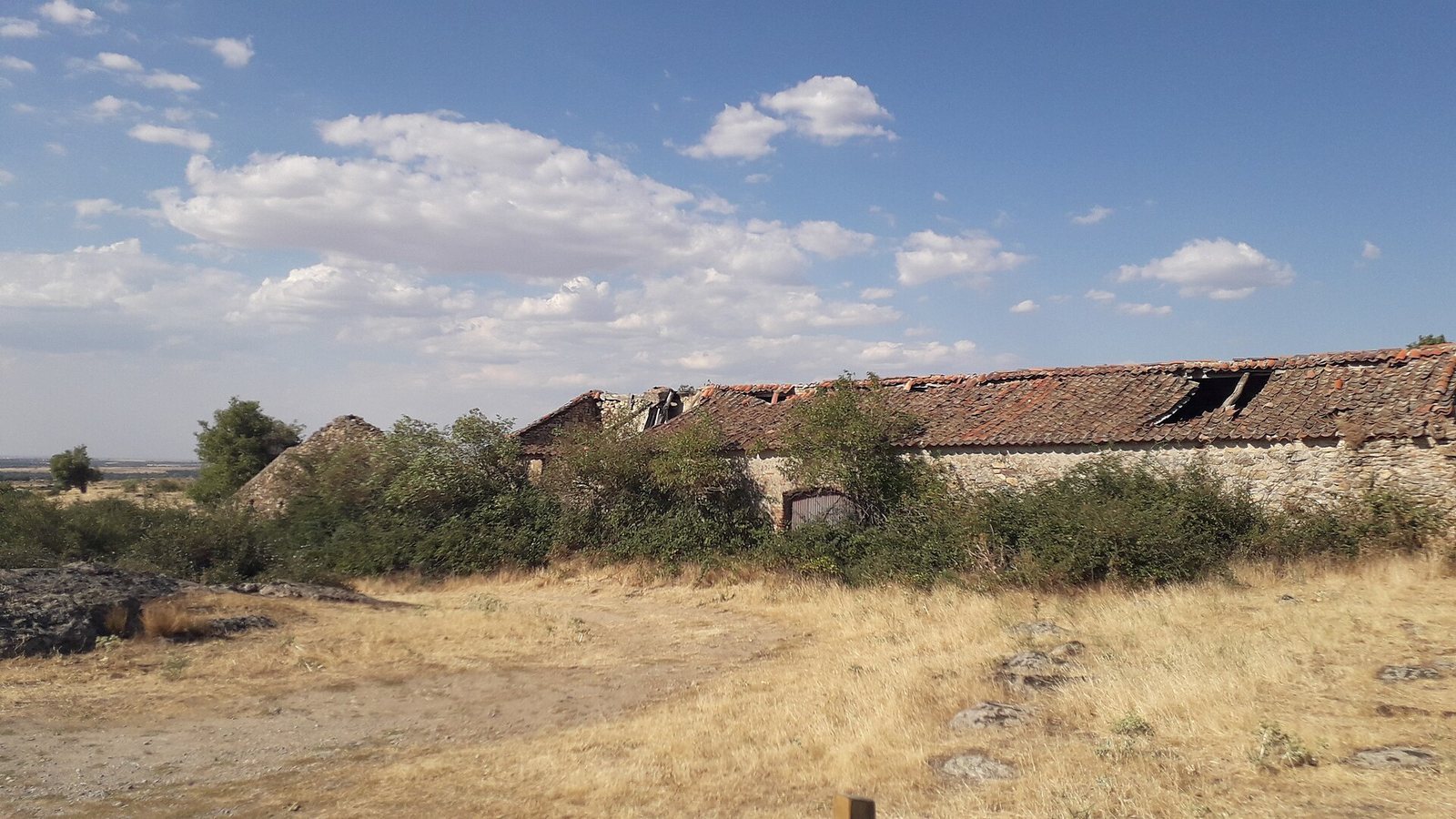
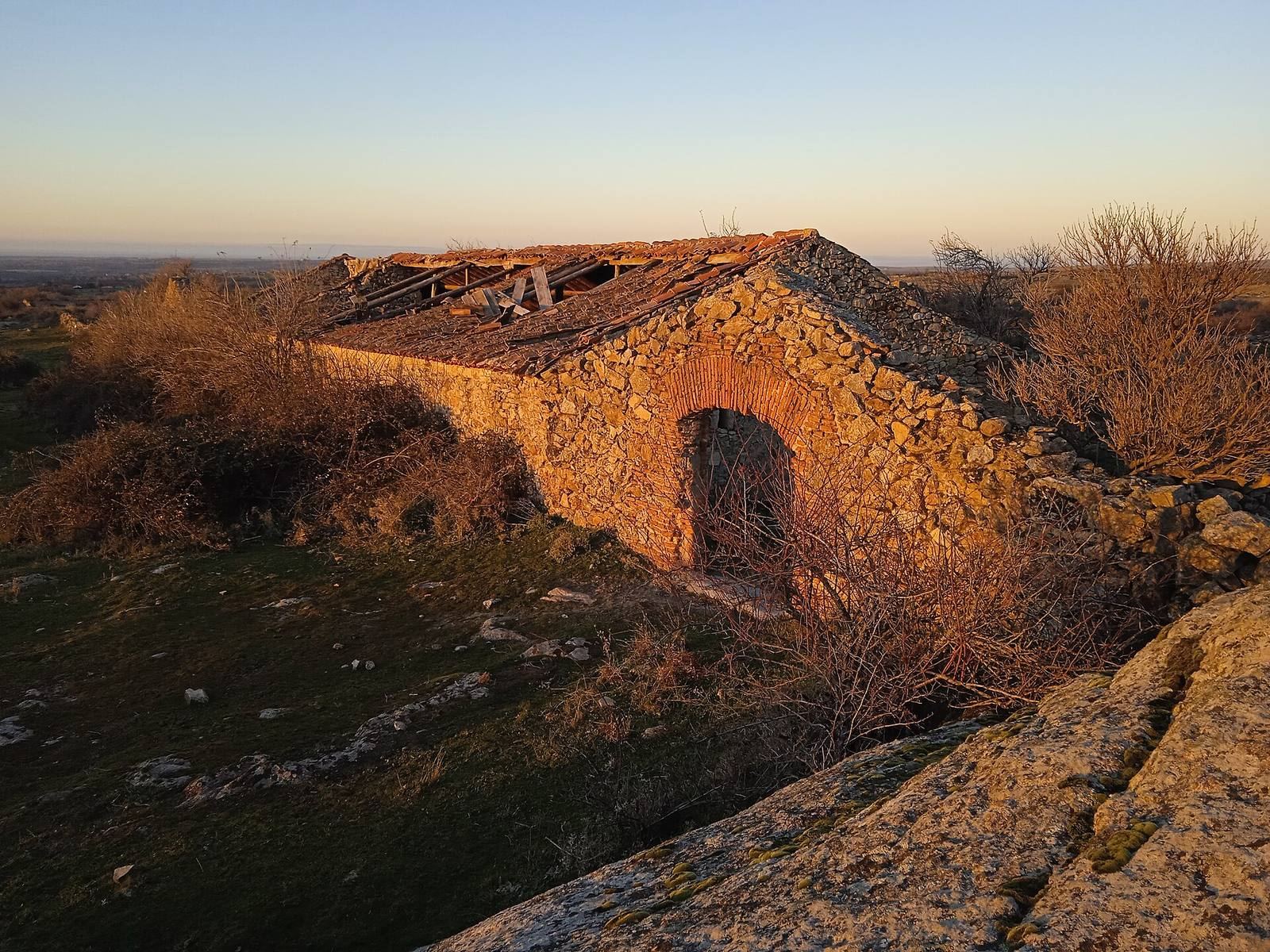
The complex was abandoned by the late 19th century and began to deteriorate. Local folklore tells of a female ghost said to haunt the ruins since ancient times and sometimes cross the path of passersby; a local verse places her among the sheep enclosures.
Rancho Alfaro remains privately owned and has no specific legal protection. The property is used for private vehicle parking and for storing materials or animals. Concern about its possible loss, neglect, and misuse led Hispania Nostra to add it to its Red List of endangered heritage on 2 July 2024.
Remains
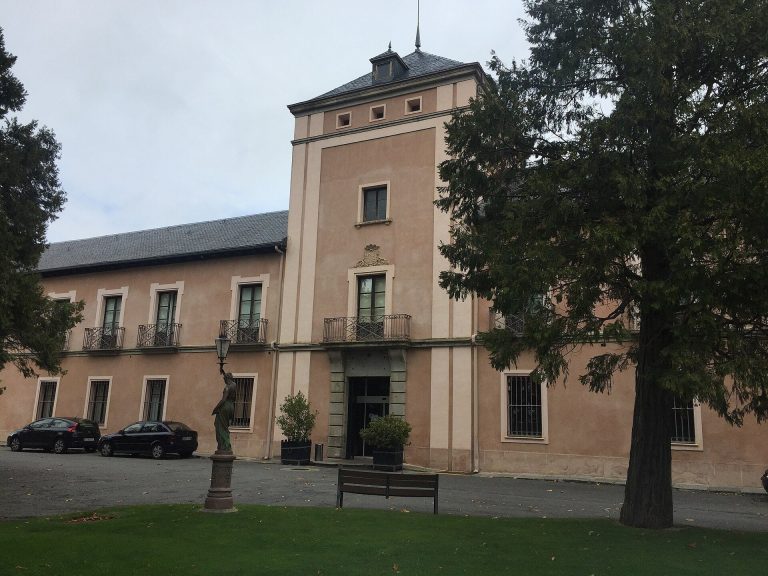
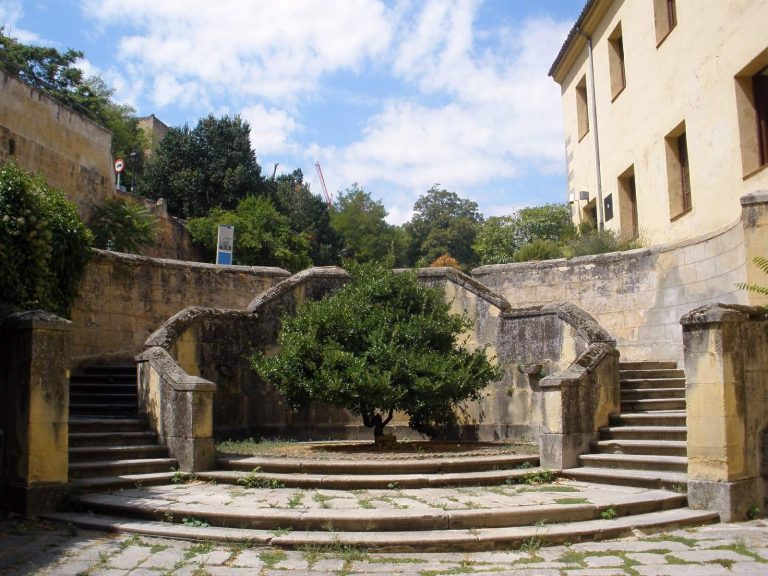
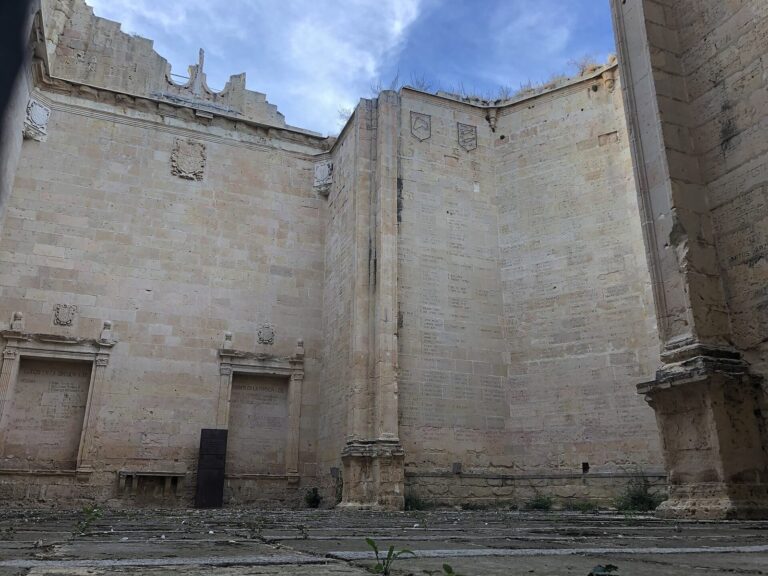
The complex comprises livestock-related buildings in the foothills of the Sierra de Guadarrama, on a parcel covering 223,017 square metres. It is in an advanced state of semi-ruin. Four pools formed part of the wool-washing operation, and a surviving chimney belonged to the oven that heated the water boiler.