Quetzalpapálotl: A Teotihuacán Architectural Complex in Mexico
Site at a Glance
- Popularity
- Medium
- Country
- Mexico
- Primary era
- Classical
- Eras represented
- Classical, Medieval
- Civilizations
- Teotihuacan
- Site type
- Domestic
- Remains
- Elite Residence
On this page8 sections
History
Building phases and use
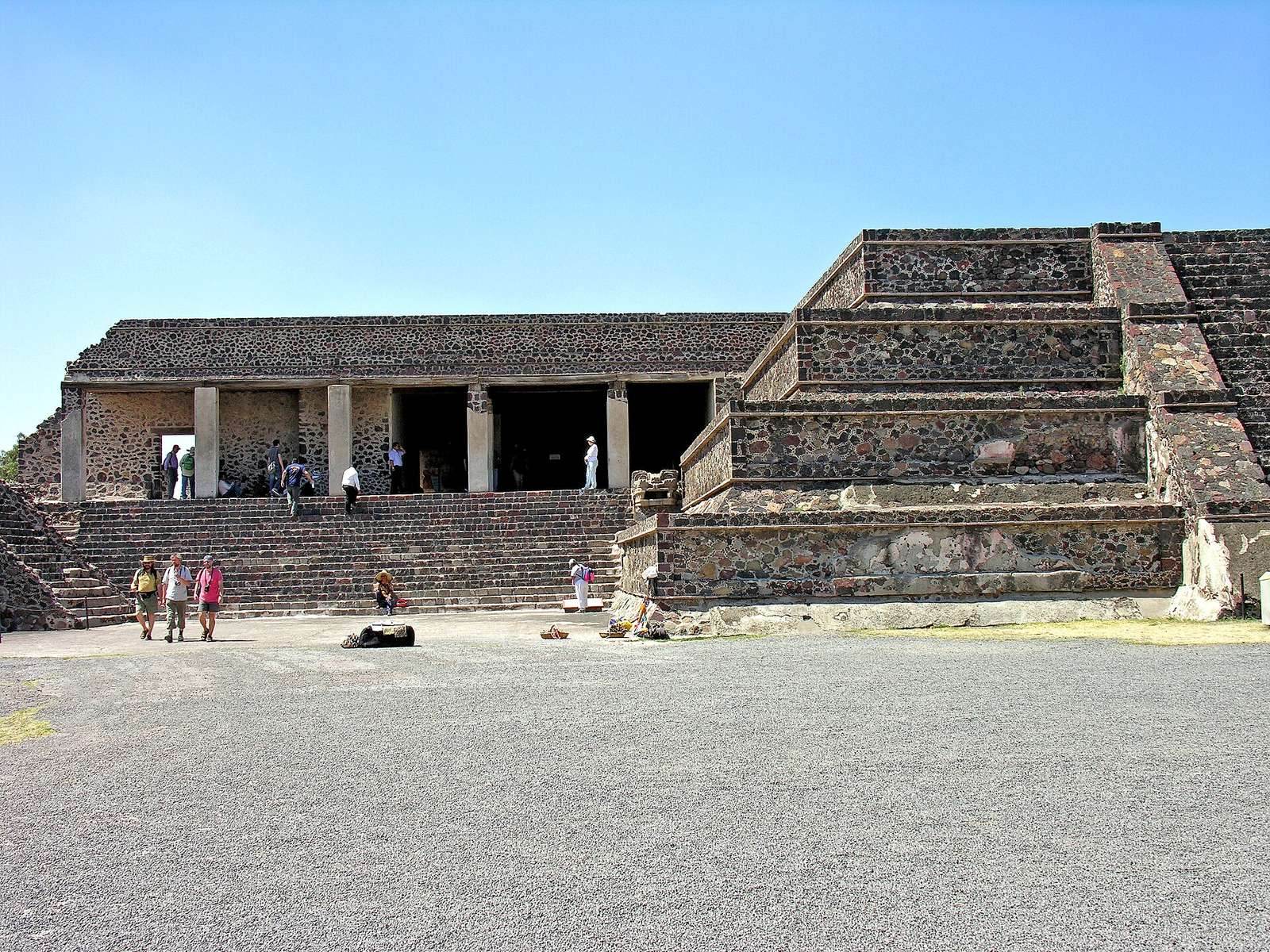
Quetzalpapálotl is a ruined architectural complex at Teotihuacán, a major ancient city in Mexico. Its surviving buildings date to about AD 450 to 500 and were built over earlier structures from around AD 250 to 300. The complex may have housed a high-ranking priest or another dignitary, an interpretation based on the palace’s location and the quality of its art. It may also have been used for ceremonies.
Rediscovery and rehabilitation
Mexican archaeologist Jorge Acosta rediscovered the complex in 1962. Mexico’s National Institute of Anthropology and History rehabilitated it between 2009 and 2011.
Remains
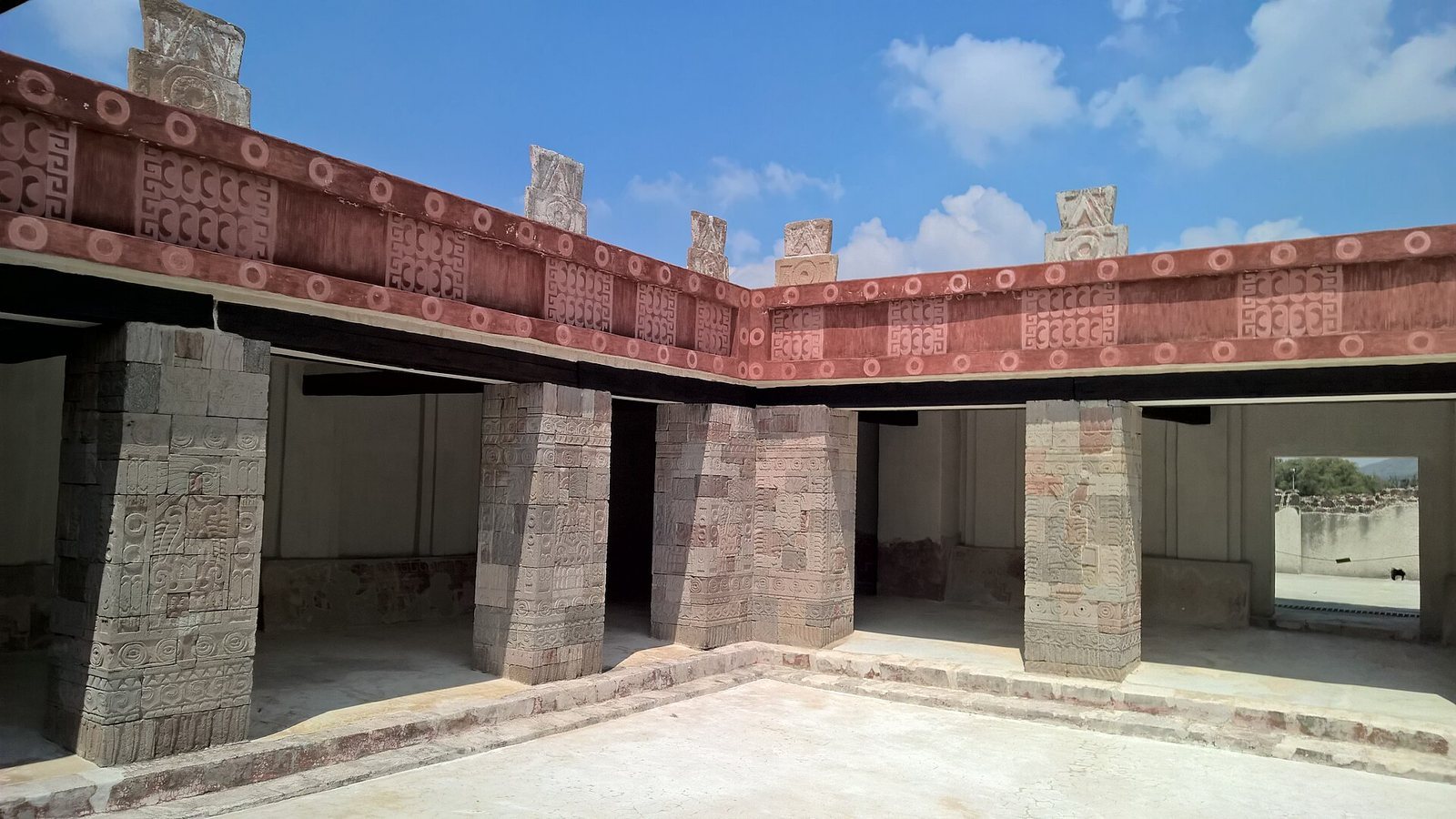
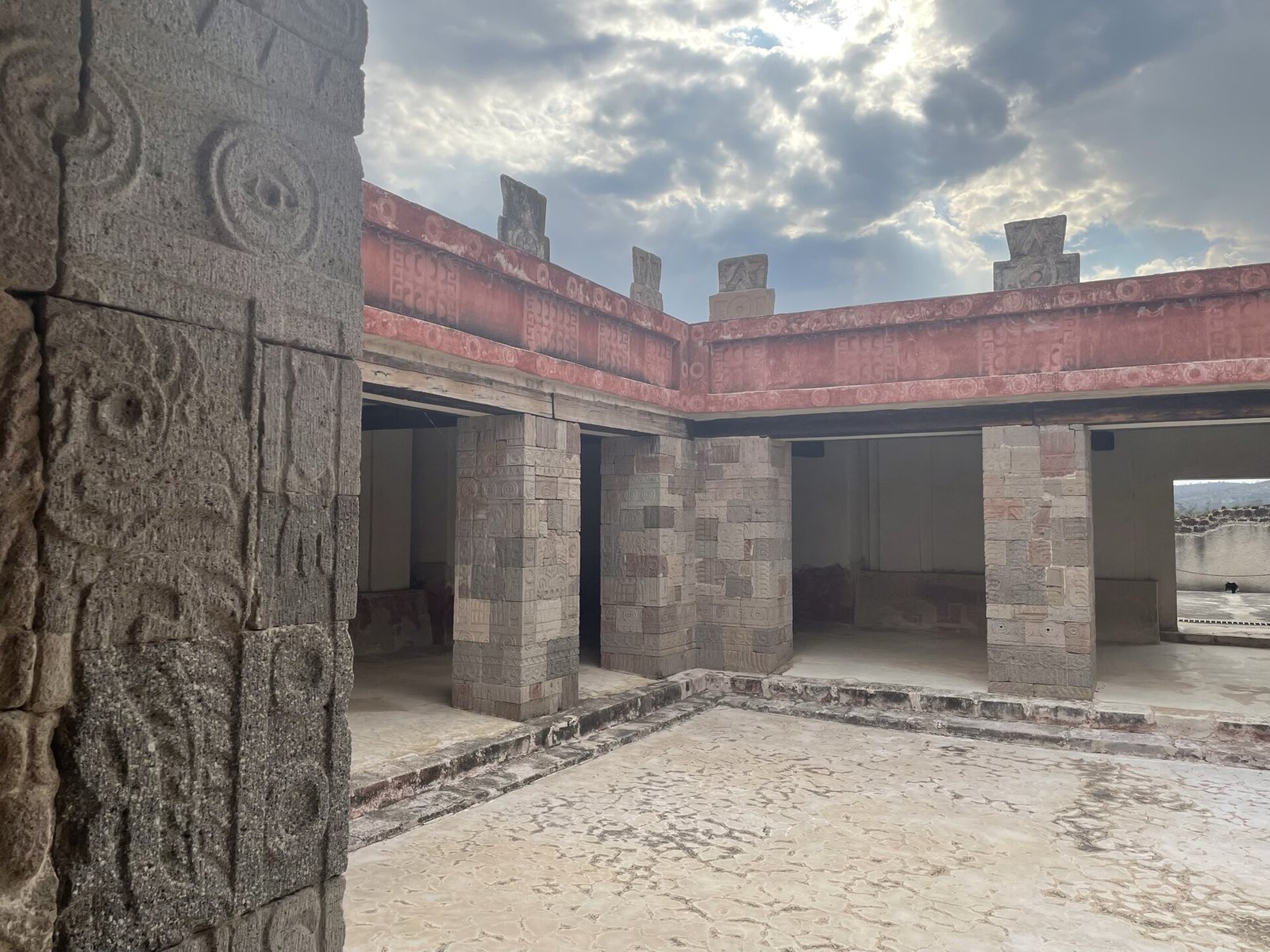
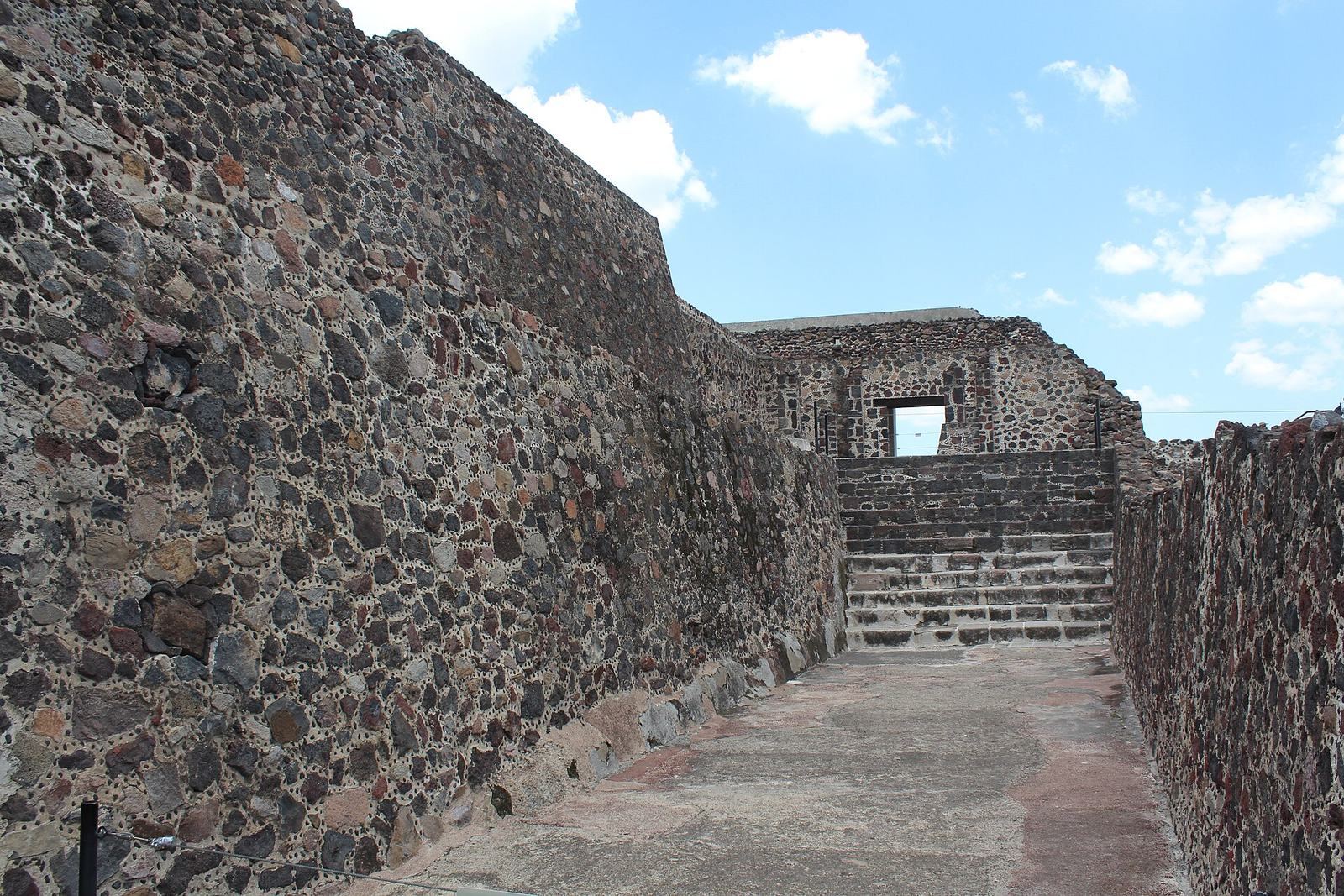
The complex has a floor area of about 4,500 square metres and was built in the architectural style of Teotihuacán. Its main entrance faces the Avenue of the Dead, and the site lies southwest of the Pyramid of the Moon. The principal palace is arranged around a central courtyard, with adjacent structures containing murals and a temple beneath the palace.
Palace of Quetzalpapálotl
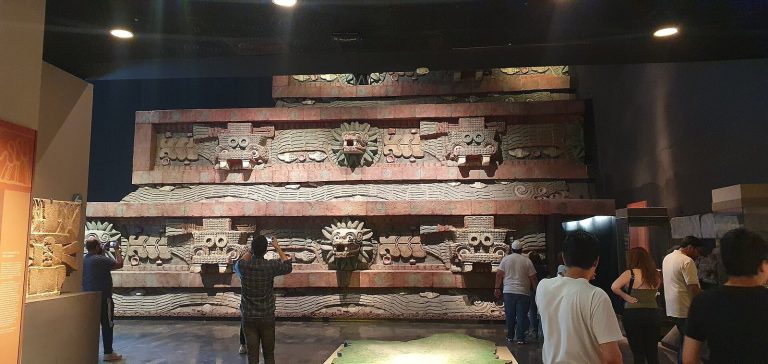
Porticoes enclose the central courtyard and frame entrances to interior chambers. Its stone columns bear detailed carvings of butterflies and quetzal feathers, which were painted in several colors while the building was in use. The name Quetzalpapálotl draws on Nahuatl, an Indigenous language of Mexico, with words meaning precious feather and butterfly, and refers to the mythological bird reliefs on the courtyard pillars.
Adjacent painted structures
Palace of the Jaguars
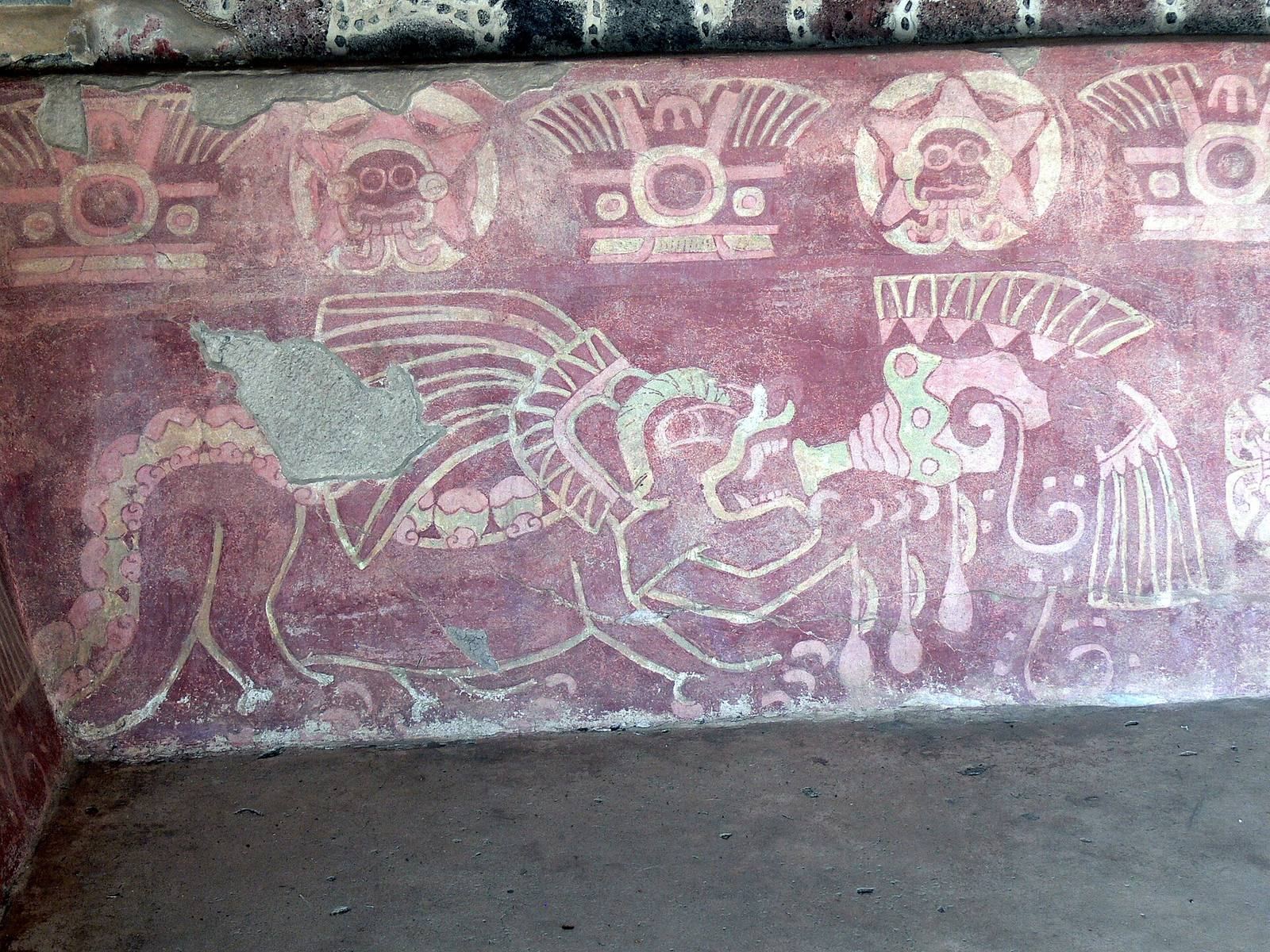
Murals in the Palace of the Jaguars depict feathered felines, including figures associated with conch shells and headdresses made of quetzal feathers. Shells and human hearts appear opposite the felines. Other images show a goggled figure associated with Tlaloc, a Mesoamerican rain deity later worshipped by the Aztecs.
Temple of the Feathered Conches
This temple lies beneath the palace. Its images include a green bird and other motifs associated with water and life.