Pharwala Fort: Capital of the Pothohar Chieftaincy
Site at a Glance
- Popularity
- Medium
- Country
- Pakistan
- Primary era
- Unclassified
- Eras represented
- Unclassified
- Civilizations
- Unclassified
- Site type
- Military
- Remains
- Fort
On this page8 sections
History
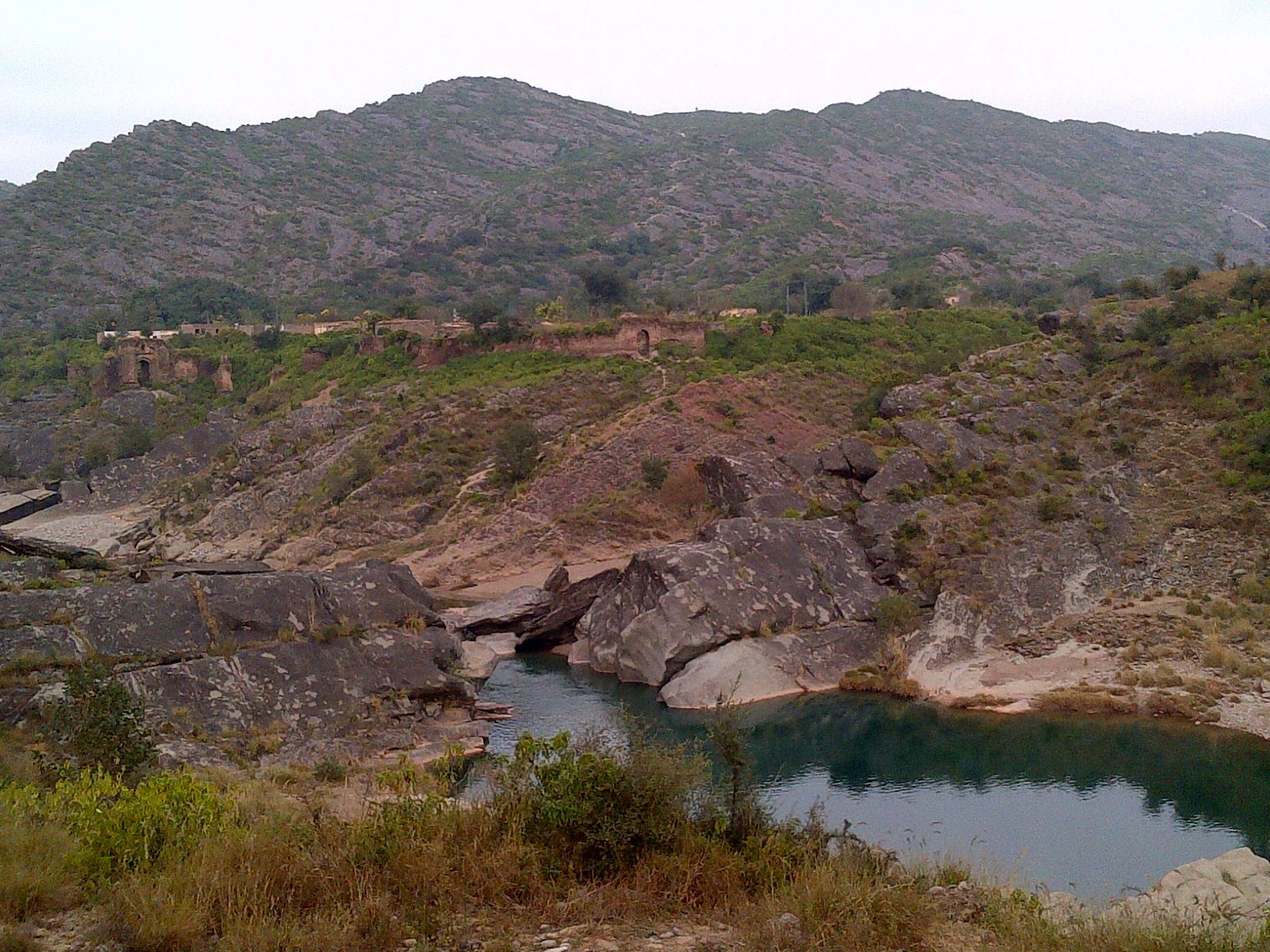
Pharwala Fort, near Kahuta in Punjab, Pakistan, served as the capital of the Pothohar Chieftaincy, a local chieftain-led domain, and as its defence headquarters. Its construction date is uncertain. The fort could accommodate 500 soldiers, 100 horses, and 50 elephants.
Early attacks and Gakhar rule
Muhammad of Ghor, a ruler of the expanding Ghurid dynasty, attacked Pharwala in 1205 during his first invasion of the area. Qutb ud-Din Aibak, a Ghurid commander who later founded the Delhi Sultanate, attacked it in 1207. In 1398, during the Central Asian conqueror Timur’s invasion, the fort was controlled by Jasrat, identified as either a Khokhar or Gakhar chieftain. Jasrat may have strengthened its defences.
Mughal and Suri conflicts
Mughal emperor Babur captured Pharwala in March 1519. The Gakhars, led by their chieftain Sarang Khan Gakhar, later reconciled with him and regained their lands. They subsequently supported Humayun after Sher Shah Suri, founder of the Sur dynasty, displaced him. To bring the Gakhars under control, Sher Shah built Rohtas Fort about 100 kilometres south of Pharwala, overlooking the Pothohar Plateau. He attacked Pharwala in 1540 after repeated Gakhar attacks on Rohtas.
Following Sher Shah’s death in 1545, his son and successor, Islam Shah Suri, continued the war with repeated assaults on Pharwala. Control changed hands several times, but the Gakhars were not fully defeated. Humayun’s army returned in February 1555 to reclaim his throne and drove the Suris from the region. The Mughals then restored the Gakhars under Sultan Adam to their former positions in recognition of their support.
Sikh, British, and Pakistani periods
Under Gakhar leader Muqarrab Khan, Gujjar Singh Bhangi, one of the Sikh rulers of Lahore, subdued the Gakhars and took their surrounding territories, while Pharwala remained under Gakhar control. That control ended in 1818, when a Sikh force led by Maharaja Ranjit Singh seized Gakhar lands. Some Gakhar property rights in Pharwala were restored in 1928.
The fort came under British rule in 1857 and remained under it until 1947, when it passed to the Government of Pakistan. In 1980, the Federal Department of Archaeology and Museums declared Pharwala a protected site. After a long period of neglect and deterioration, the department began conservation work in September 2023, including clearing dense vegetation and excavating debris to a depth of two feet.
Remains
Setting and defences
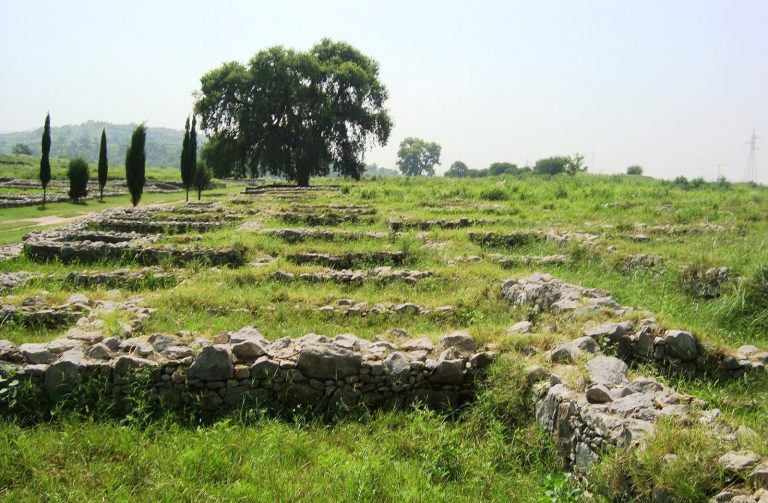
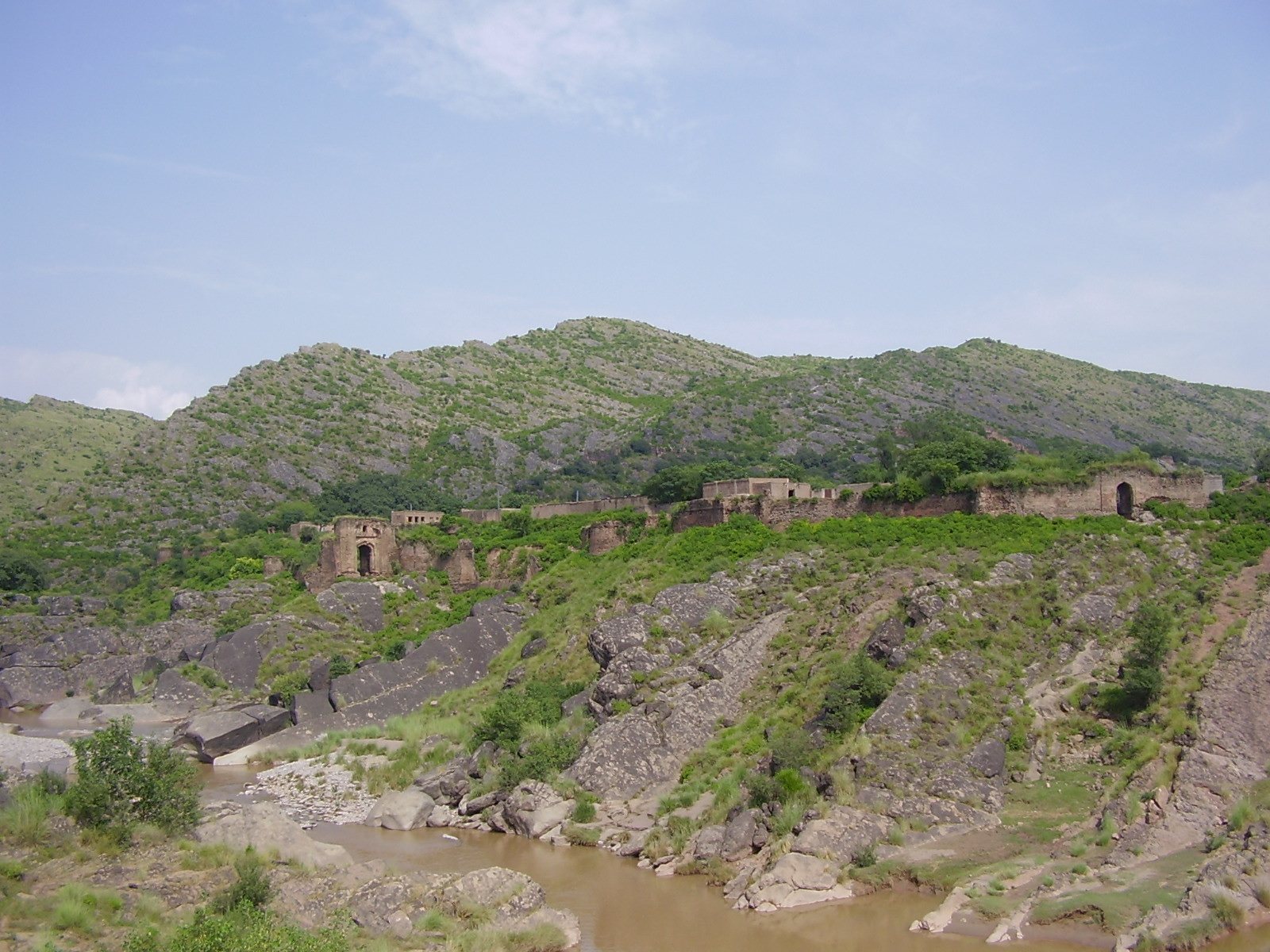
The fort covers about 1.8 square kilometres, or 450 acres. Its natural defences include the Himalayan range on one side and the Soan River on the other.
Gates
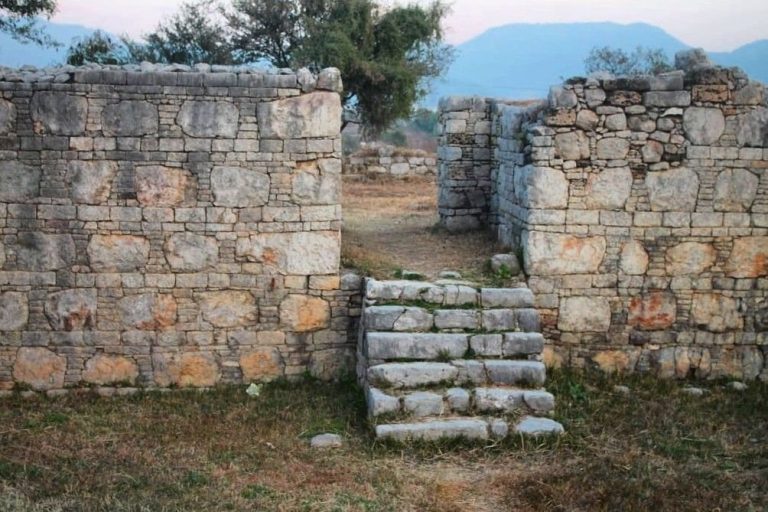
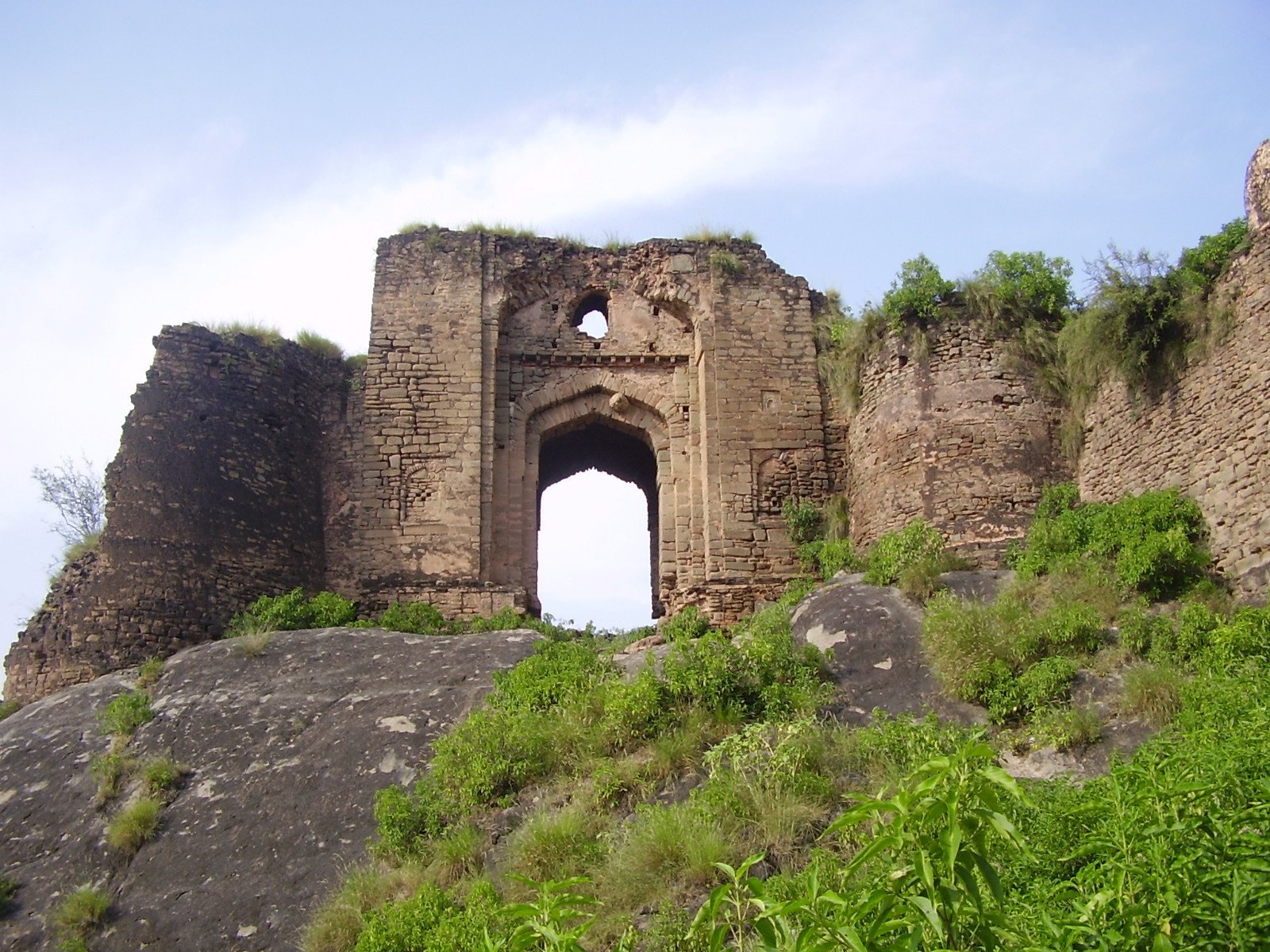
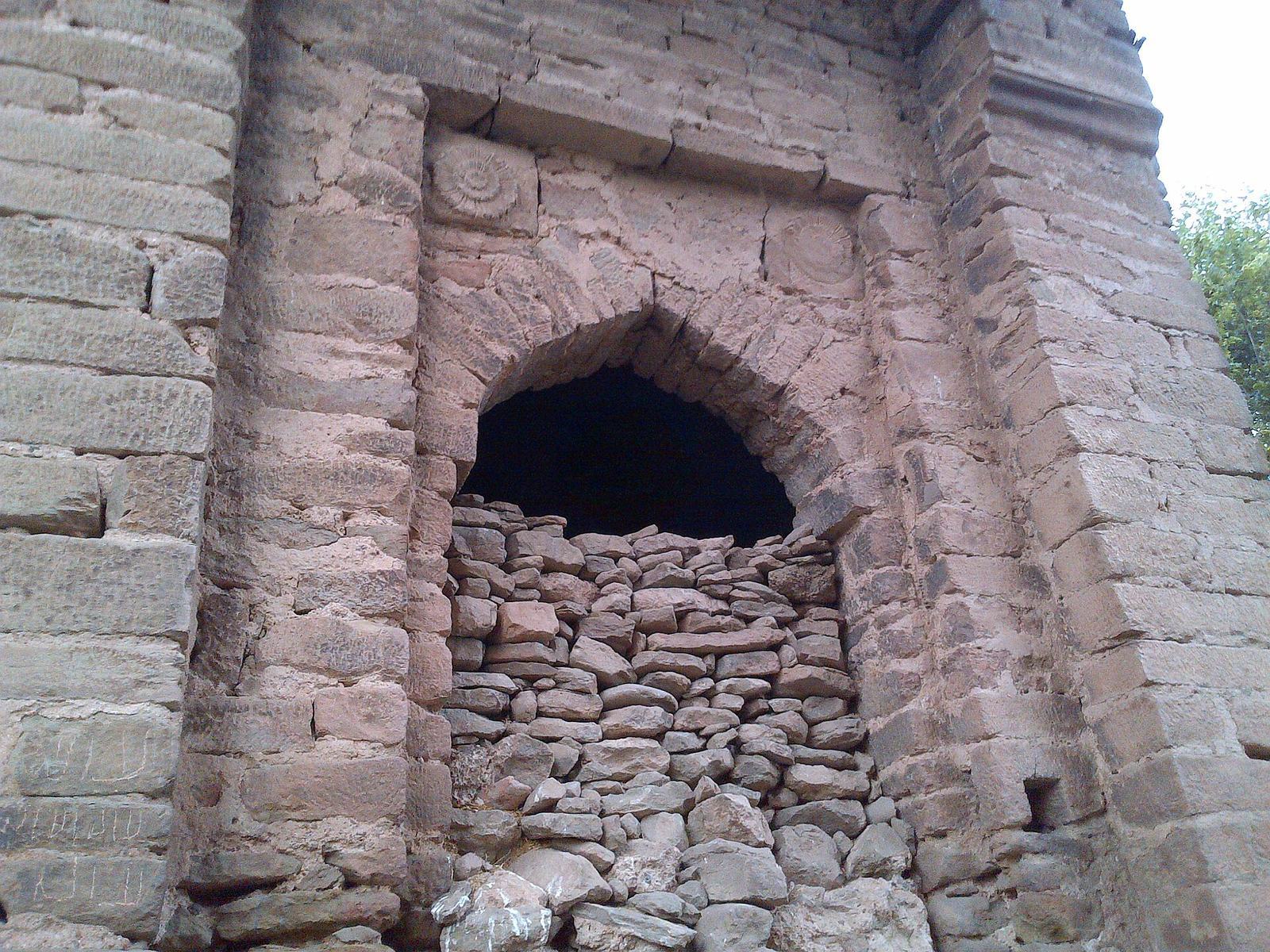
The fort originally had six gates, of which five remain. They are built from sandstone blocks. The northeastern Hathi Gate, also called Elephant Gate, and the southwestern Begum Gate are among the named entrances. The other named gates are Fort Gate, Lashkari Gate, Ziarat Gate, and Bagh Gate.
Burials and surviving fabric
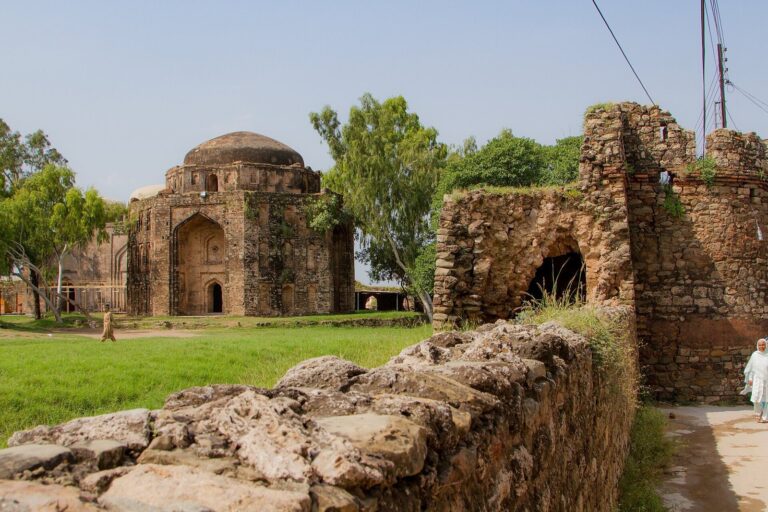
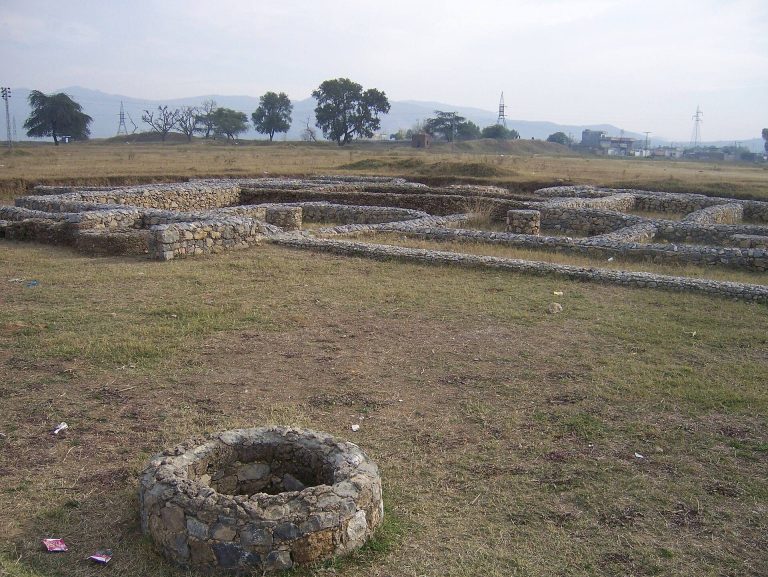
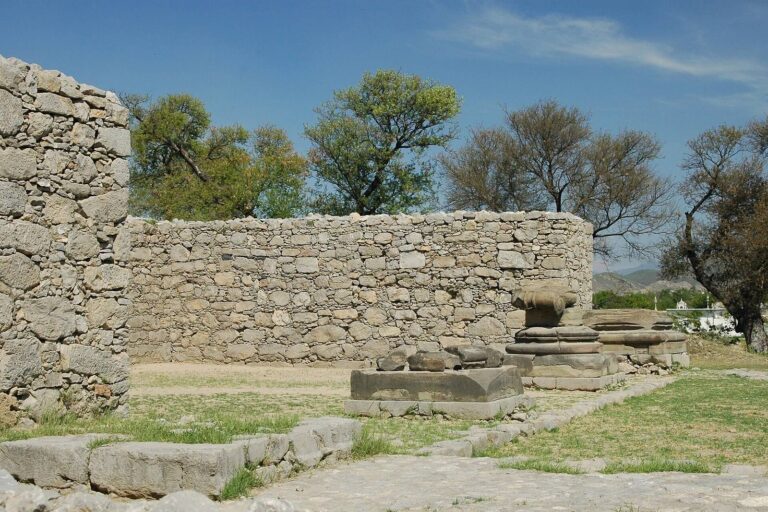
About 10 to 15 graves of Gakhar rulers lie within the fort complex. Sections of the fortification walls and other parts of the structure have collapsed over time, while encroachment by nearby houses has affected the site.