Pejačević Manor: A Historic Croatian Noble Estate in Našice
Visitor Information
Google Rating: 4.7
Popularity: Low
Official Website: www.zmn.hr
Country: Croatia
Civilization: Modern
Site type: Domestic
Remains: Palace
History
Pejačević Manor is located in the town of Našice, Croatia, and was established by the Croatian noble Pejačević family. The manor’s origins date back to the early 19th century when the first construction phase began.
Between January 1811 and January 1812, Count Vincencije Ljudevit Pejačević commissioned the building of the original manor. This structure was modest in size and followed a classicist architectural style. The foundation received a formal blessing on March 11, 1811, by Abbot Stjepan Darašević, drawing considerable local attention. The initial design featured a rectangular footprint with nine window openings facing the southern entrance. Its central section highlighted larger windows and a distinctive gazebo supported by three arches.
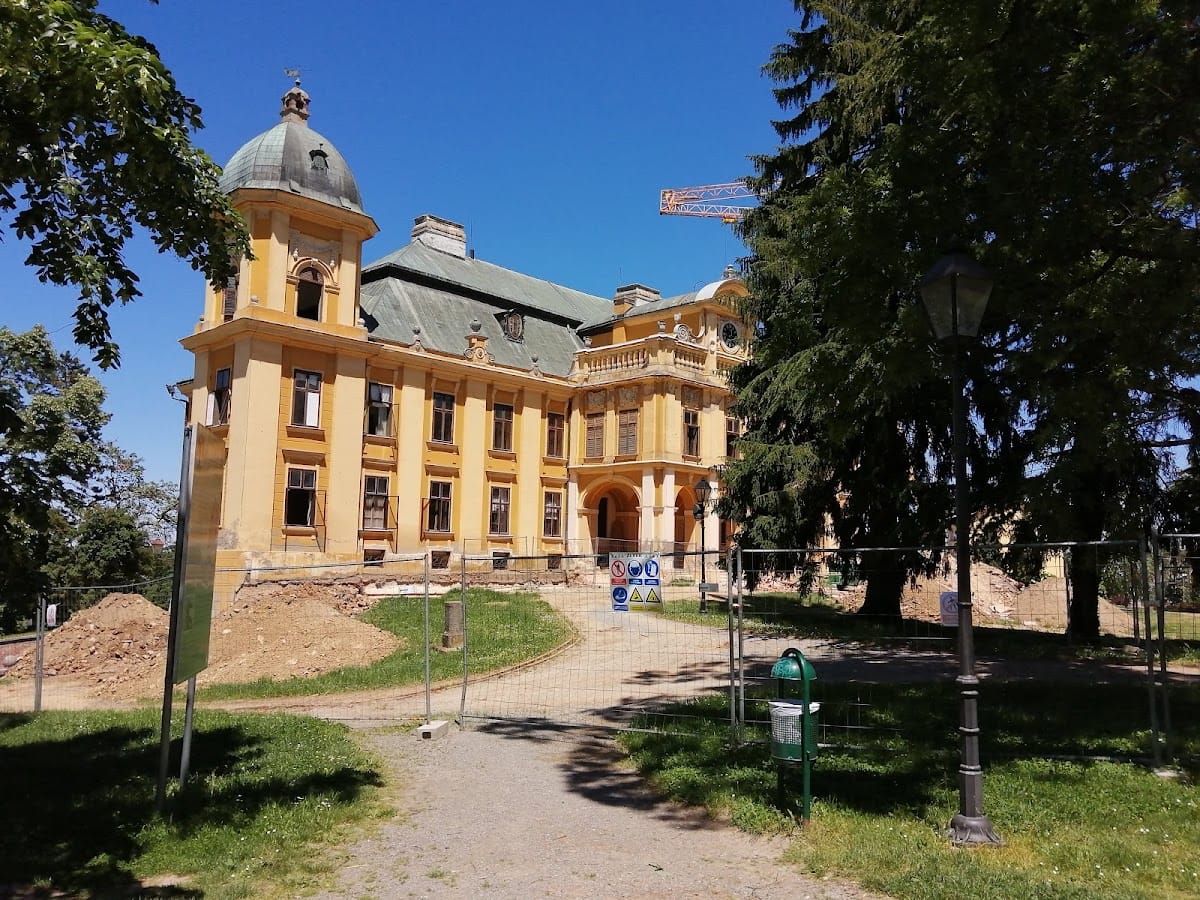
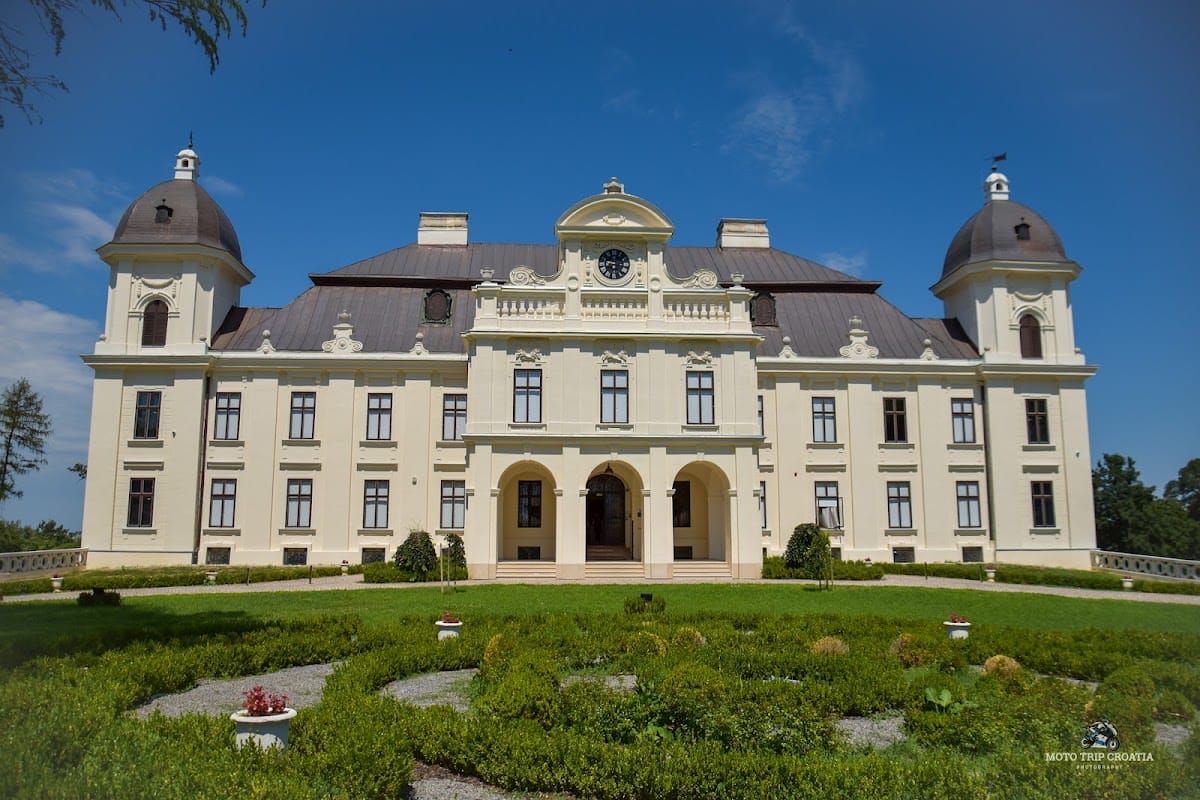
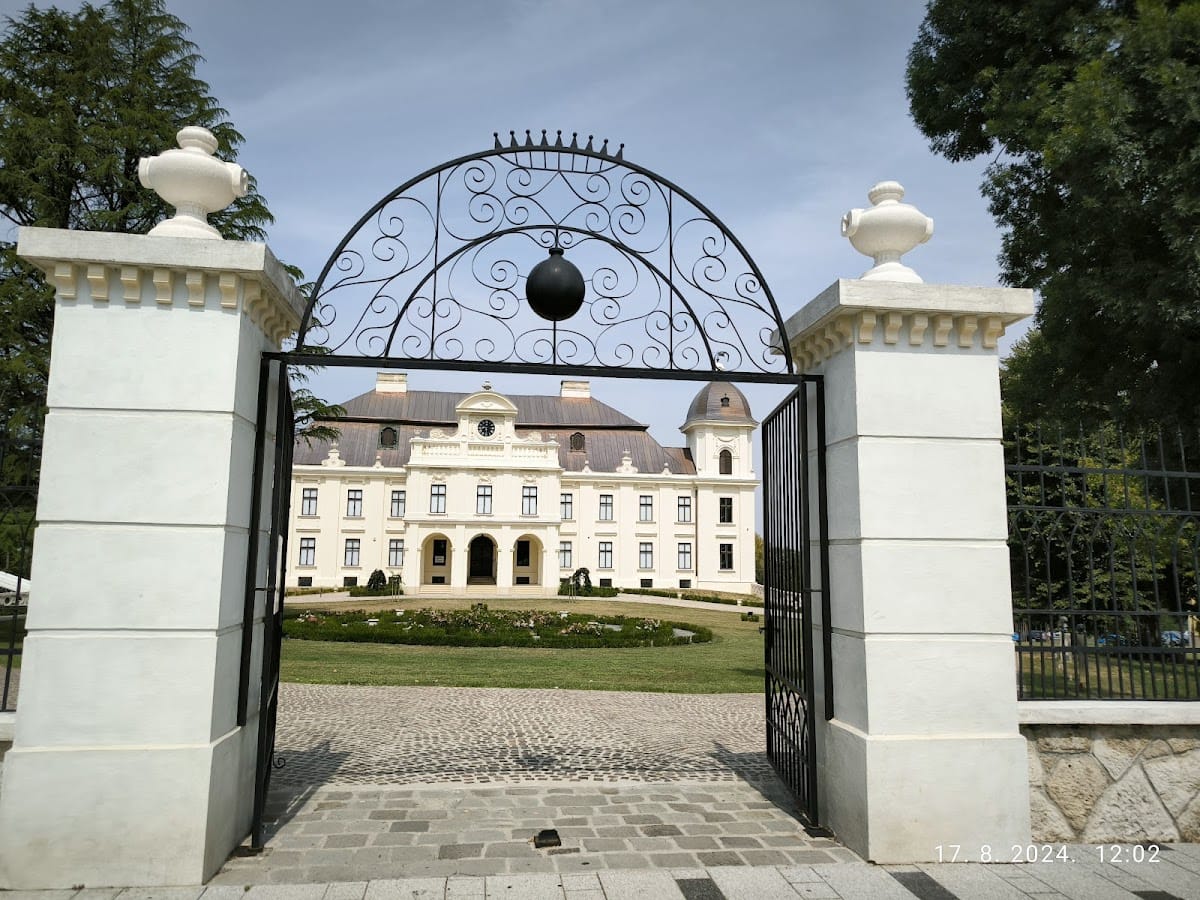
Following an earthquake in May 1817, repairs were undertaken to restore the manor. Around 1850, the manor underwent significant enlargement and enhancement under Count Ladislav Pejačević. Later, starting in January 1865, Count Ferdinand Karlo Rajner led an extensive reconstruction that transformed the building’s appearance. This project introduced a neo-Baroque style, making the manor more grand and representative. Architectural additions included thirteen extra windows on both the north and south sides, tower-like side projections crowned with domed roofs, and a decorative gable adorned with volutes, a balustrade, and a clock.
In the late 19th and early 20th centuries, the manor became the residence of Dora Pejačević, a notable Croatian composer and daughter of Croatian Ban Teodor Pejačević. During World War II between 1943 and 1945, German forces utilized the building, converting its basement into a military hospital. This period left visible damages to the roof and facade caused by wartime activity.
After the war, the manor adapted to various civic uses, functioning as military barracks, a school, a kindergarten, and offices for state administration. Later it served communal needs including hosting associations. Today the manor houses the local history museum, city music orchestra, library with a reading room, and an art gallery, continuing its role as a cultural and community center.
Remains
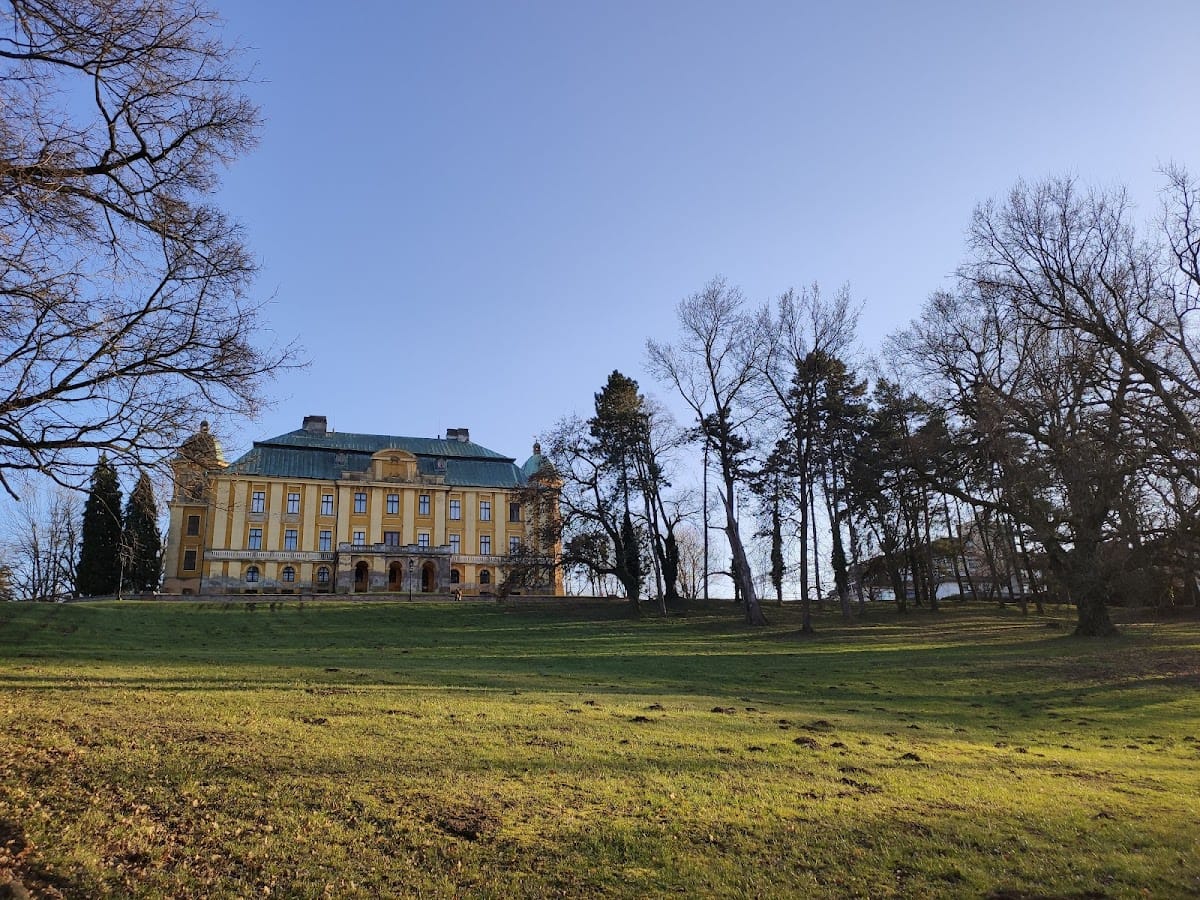
Pejačević Manor is positioned on sloped ground, which results in an entrance side appearing as a single story, while the opposite park-facing facade extends to two stories. The building showcases rich decorative elements including stucco work, wood paneling, and built-in furniture that speak to its refined interior.
The central lobby features a prominent double, semi-elliptical staircase crafted with stone railings, serving as an impressive connecting element within the manor. The original early 19th-century structure displayed a rectangular form with nine windows on the southern side and a midsection arcade supporting a small gazebo. Later expansions nearly doubled the number of window openings and introduced side risalits—projecting parts of the facade designed as tower-like forms topped with domed roofs.
A mansard roof, characterized by its dual slopes, crowns the building, along with a decorative gable enriched with curved volutes, a balustrade, and a clock that were added during its mid-19th-century transformation.
The kitchen was uniquely situated in a separate building within the surrounding park, connected to the main manor by an underground tunnel. This tunnel contained an electric railway system that transported food discreetly from the kitchen to the manor.
Adjacent to the main building stands the Small Manor, a ground-level neoclassical structure erected between 1904 and 1905 by Count Marko VI Pejačević as a hunting lodge. This building is notable for its early use of a reinforced concrete basin designed to protect against moisture and groundwater — an innovative technique at the time. Currently, the Small Manor accommodates radio broadcasting rooms, a music school, and several community clubs.
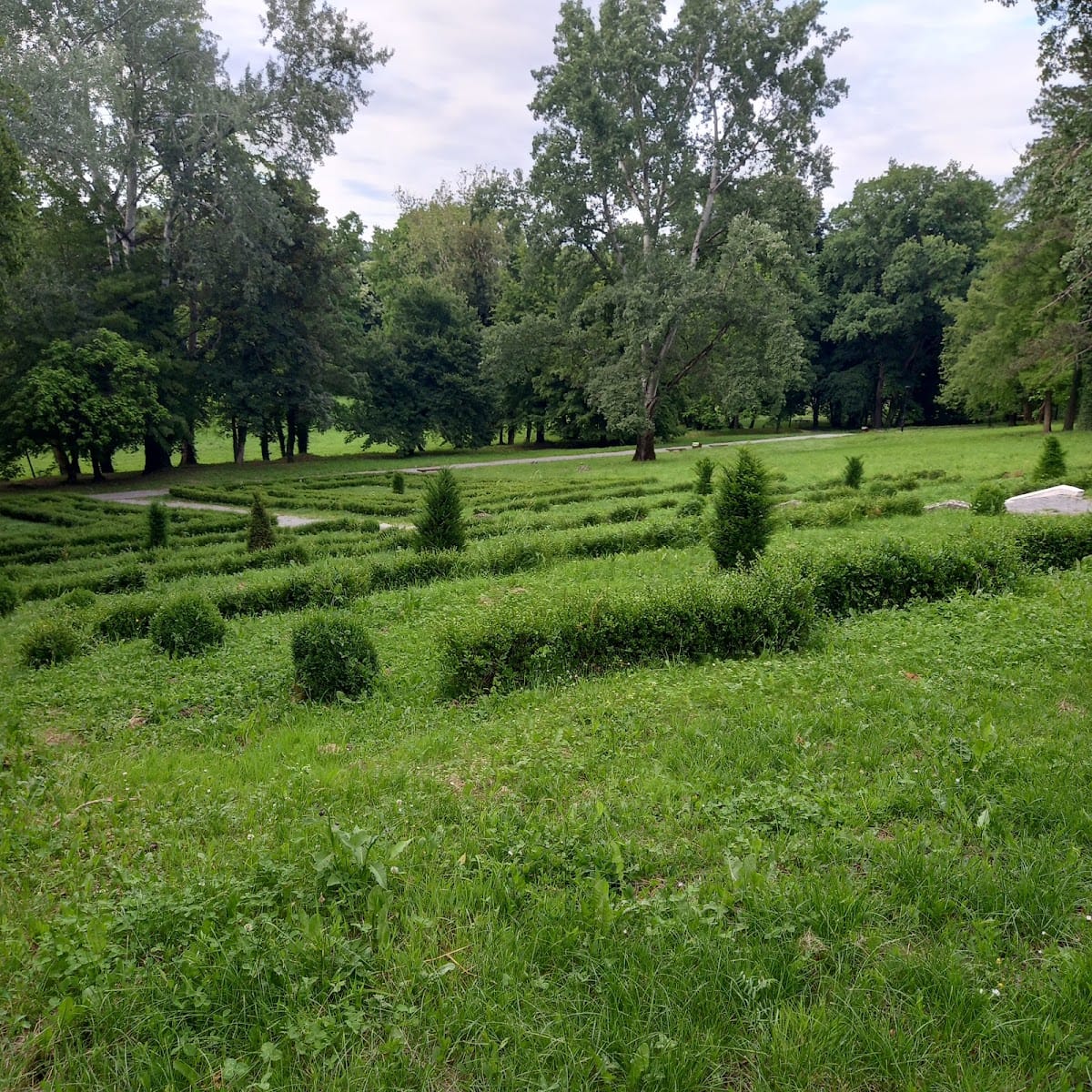
Surrounding the manor is a park established shortly after the manor’s initial construction. Originally converting natural forests into landscaped grounds around 1850, under Count Ladislav Pejačević’s direction, the park included features like a greenhouse and was later expanded northward to include a lake with a small island by the late 19th century. The park was designed as a landscape garden blending historicist flower beds with romantic natural elements and covers roughly 34.5 hectares. Over time, much of the park has returned to a forested state, with only some meadows and viewing areas maintained.
Together, the manor, Small Manor, and surrounding park form a complex estate embodying the architectural and cultural heritage of the Pejačević family through two centuries.