Palazzo Maffettone: A Neoclassical Residence in Naples
Site at a Glance
- Popularity
- Medium
- Country
- Italy
- Primary era
- Modern
- Eras represented
- Modern
- Civilizations
- Italian
- Site type
- Domestic
- Remains
- Elite Residence
On this page10 sections
History
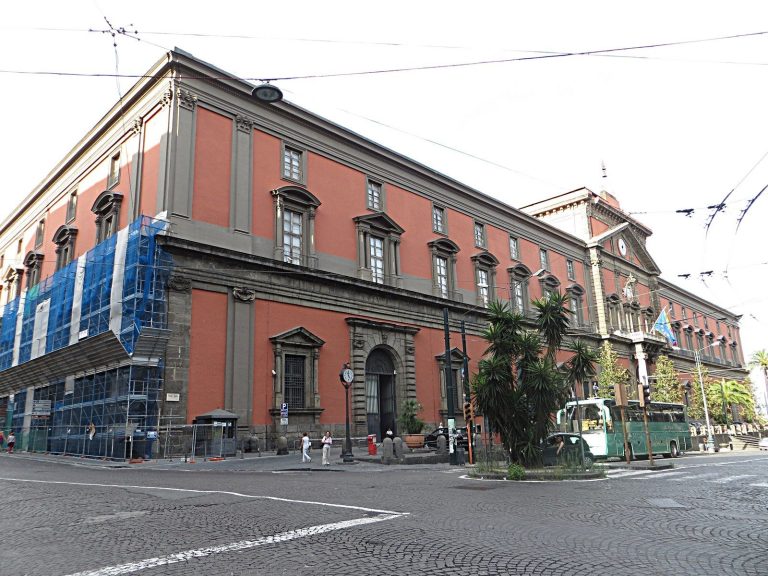
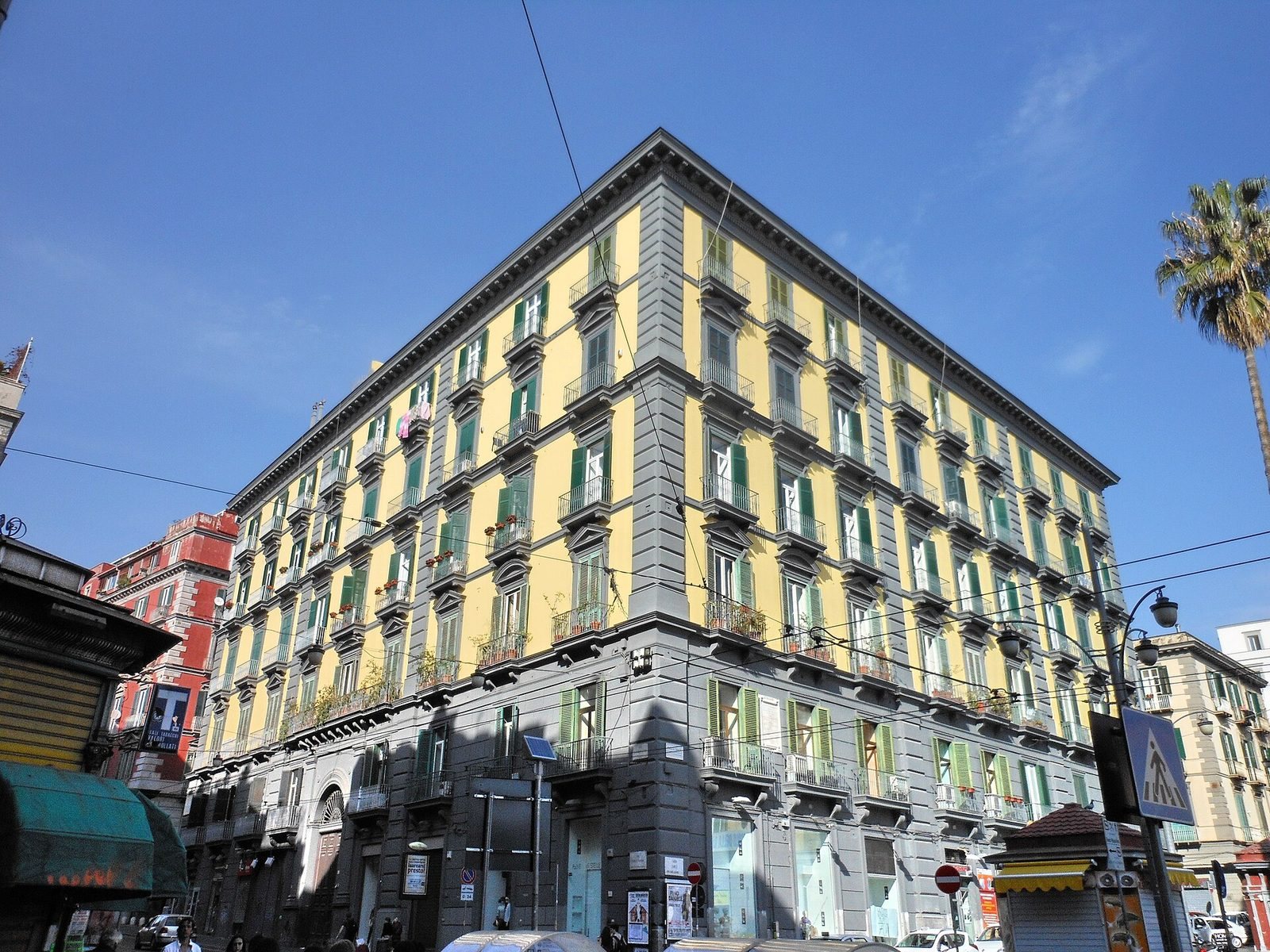
Palazzo Maffettone is a five-storey neoclassical residence in Naples, Italy, built around 1870 for the wealthy leather entrepreneur Raffaele Maffettone. Its architecture draws on Greek and Roman forms. Construction followed the leveling of the Grain Pits and took place alongside the creation of present-day Via Enrico Pessina. The palace took its name from its commissioner.
The Maffettone family and the 1921 procession
The family kept horses and carriages in the palace’s stables and carriage houses. On exceptional occasions, they lent these, along with their coachmen, as a courtesy. One such event was the royal procession through Naples on 17 July 1921. Hirohito, then crown prince of Japan, and Aimone d’Aosta, Duke of Spoleto and an Italian prince, rode in the family’s finest two-horse carriage. Ciccillo Storace drove them along Corso Umberto I.
In 1984, Raffaele’s great-grandson Alfonso Maffettone, an ANSA correspondent in Tokyo, sent rare family photographs of the procession to Hirohito through the Japanese news agency Kyodo. One image showed Hirohito as a young man in the carriage. The 83-year-old emperor invited Alfonso to a private visit at the Imperial Palace, admitting no other journalist for such a visit. He gave Alfonso an illustrated book about the palace and a letter from Grand Chamberlain Sukemasa Irie, a senior official serving the monarch.
The letter of Saint Alphonsus Maria de’ Liguori
A letter dated 3 June 1749 by Saint Alphonsus Maria de’ Liguori, an Italian bishop and theologian who founded the Redemptorists, concerned an exchange with Abbot Giuseppe Maria Muscari, the head of a monastery. They discussed a proposed decree of excommunication for people practising spiritual exercises in the congregation’s four original houses who might be guilty of stealing books.
Father Giuseppe Mautone authenticated and transcribed the letter in 1840. It later went missing and was left out of de’ Liguori’s collected correspondence, which includes more than 1,900 catalogued letters held by the Redemptorists, other institutions, and private owners. Historians and devotees searched for it for 175 years. In 2015, local historian Mario Sista argued that the letter in the Maffettone family’s possession was the original. He traced its inheritance to Alfonso through his father, Raffaele Girolamo, who had received it from his parents, Alfonso Maffettone and Laura de Angelis Effrem of Torre Ruggiero. They had been given it in 1902 by their Lucarelli relatives, an aristocratic family from Aversa.
Remains
Building and courtyard
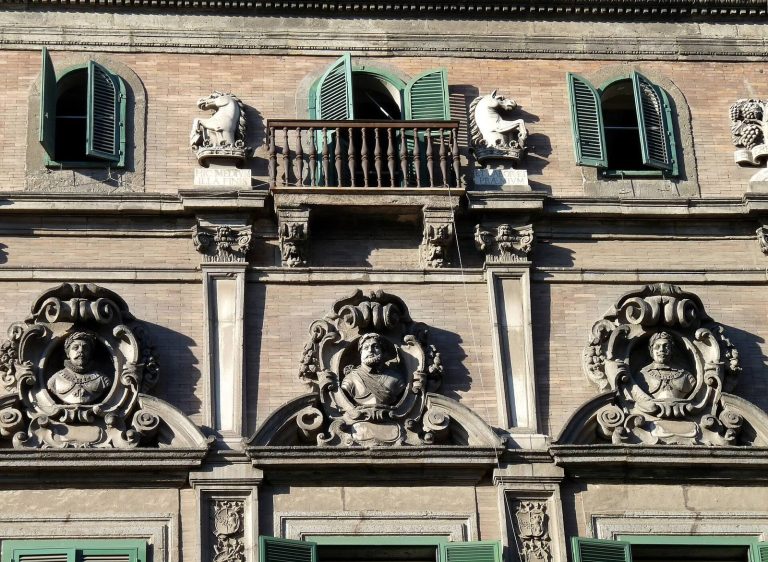
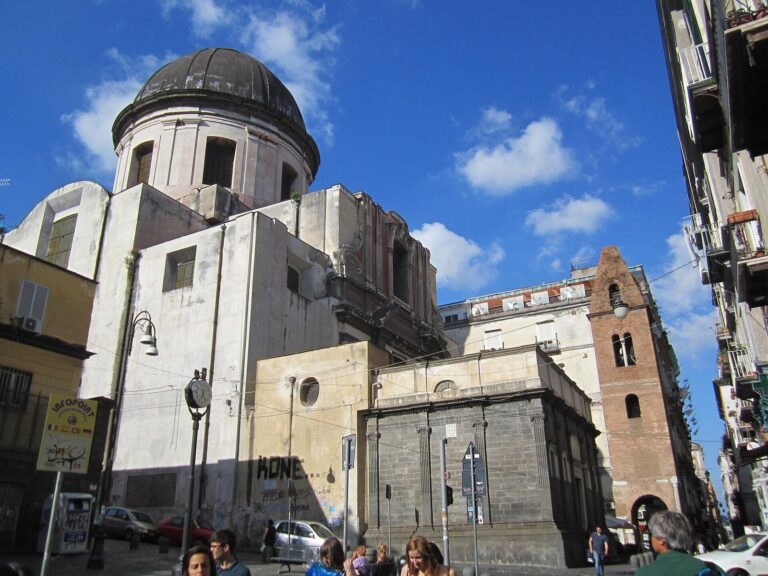
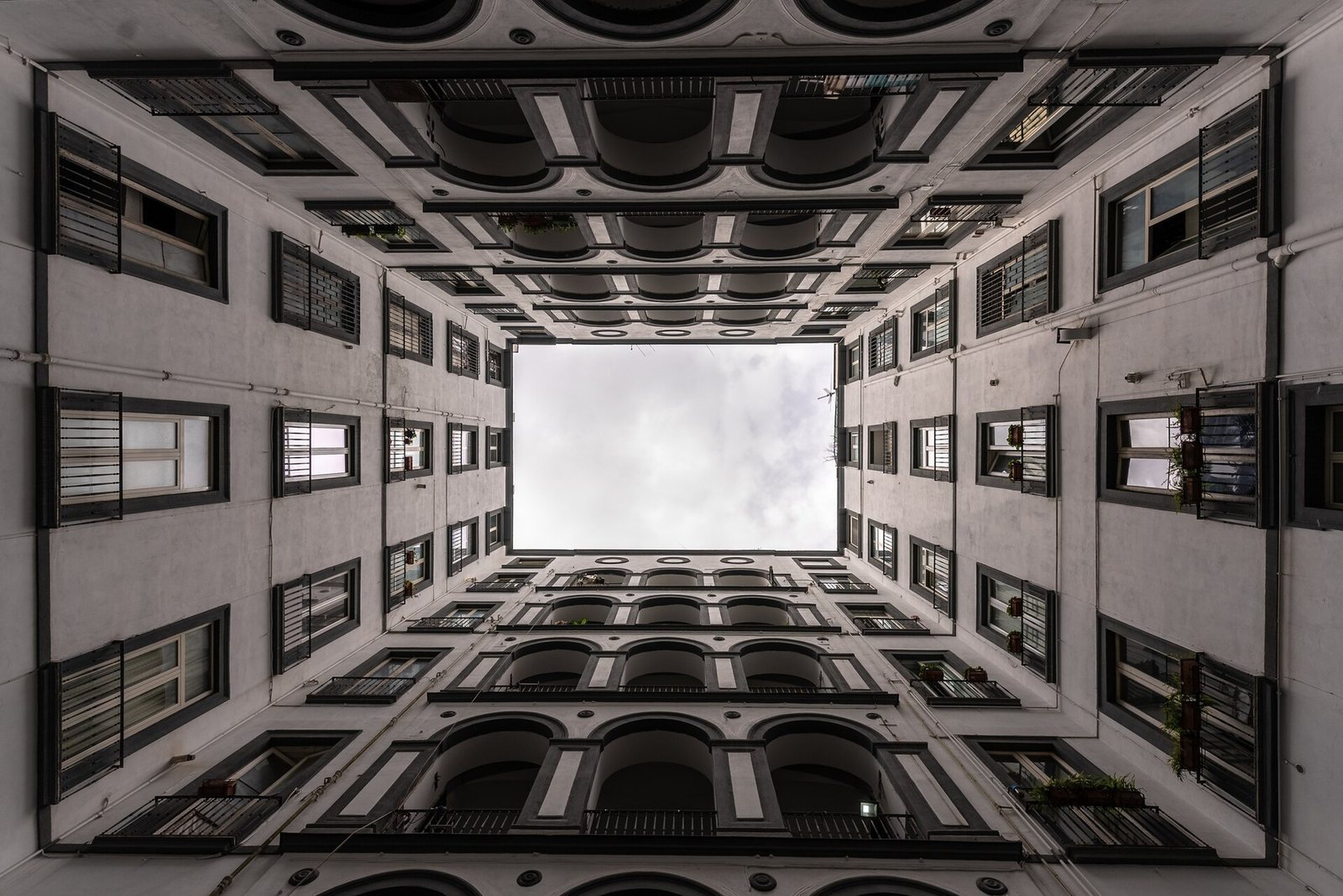
The palace stands at Via Enrico Pessina 90 in Naples’s San Lorenzo district and remains a residence. Its five storeys follow a neoclassical design. In the courtyard, two slender open staircases rise beside the side walls. Each staircase has three round-arched openings on every level.
Interiors
The Maffettone residence
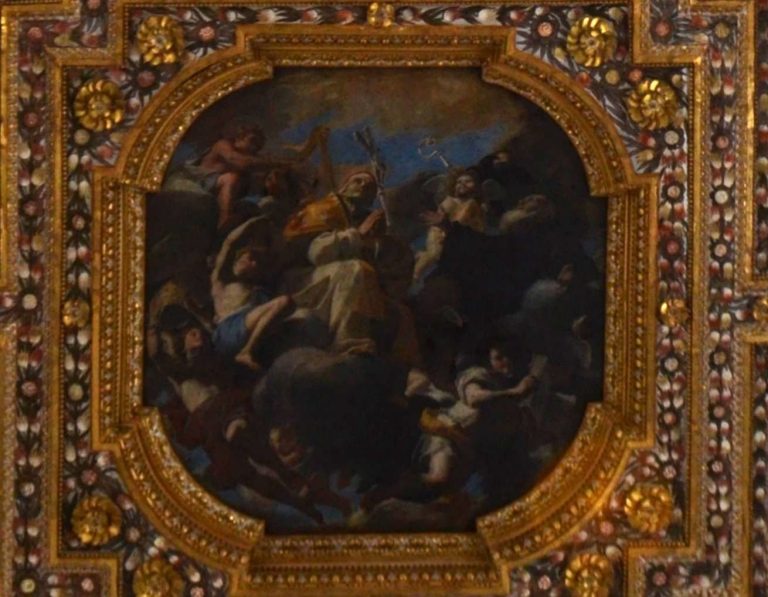
Frescoes and eclectic decoration, combining elements from different traditions, survive in at least three apartments. The Maffettone descendants’ residence occupies the first principal floor, the building’s main formal floor above ground level. Its neo-Baroque ballroom, a later revival of Baroque design, has a ceiling painted by Federico Maldarelli, a painter. San Leucio silk, from the historic silk-producing district near Caserta, covers the walls. Tall carved and gilded mirrors and a terracotta floor complete the room.
Private chapel
The family residence also contains a private chapel with sculptures by Tommaso Solari.
Façade inscriptions
Two inscriptions carved in raised relief on the façade commemorate the deaths of jurist Nicola Rocco in 1877 and Carlo De Vincentiis.
The handwritten letter
Alfonso Maffettone’s apartment preserves the handwritten letter on watermarked paper. It measures 28 by 21 centimetres.