Palazzo Lascaris di Ventimiglia: Baroque Palace and Seat of Piedmont’s Regional Council


Site at a Glance
- Rating
- 4.5
- Popularity
- Very Low
- Country
- Italy
- Primary era
- Early Modern
- External website
- Open
- Eras represented
- Early Modern
- Civilizations
- Duchy of Savoy
- Site type
- Civic
- Remains
- Palace
On this page8 sections
History
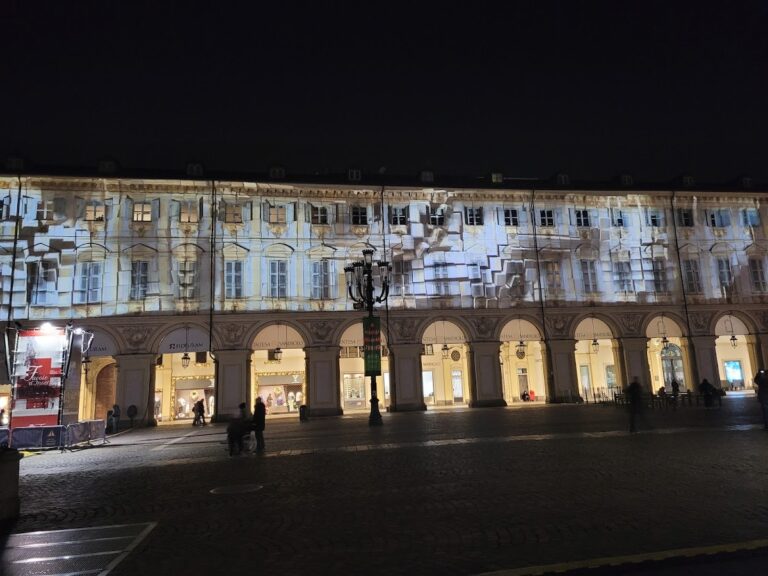
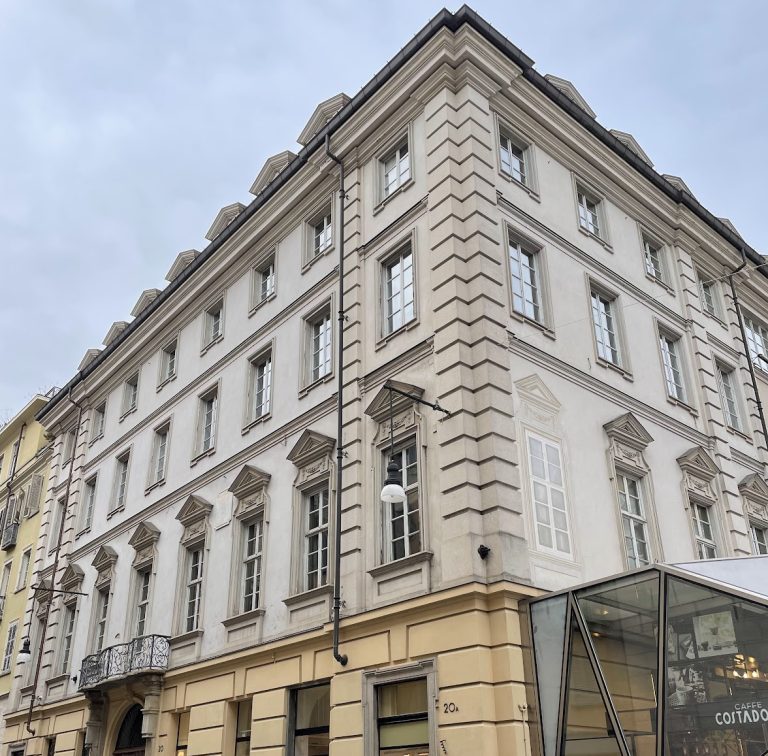
Palazzo Lascaris di Ventimiglia is a Baroque palace in Turin, Italy, built between 1663 and 1665 at the initiative of Count Giovanni Battista Beggiamo of Sant’Albano and Cervere and his brother Michele Beggiamo, Archbishop of Turin. Amedeo di Castellamonte designed the building, while Domenico Bernardi served as master builder and engineer with assistance from Gaspare Casagrande of Lugano. Baroque architecture, which developed in Europe from the late sixteenth century, is known for elaborate ornament and theatrical visual effects.
Seventeenth- and eighteenth-century owners
The palace was later sold to Count Carlo delle Lanze, who lived there with his wife, Marchioness Gabriella Caterina Mesmes de Marolles of Caluso. It subsequently passed to the Carron di San Tommaso family. During the second half of the eighteenth century, architect Francesco Valeriano Dellala di Beinasco renovated and enlarged the building, adding another phase to its architectural development.
In 1803, hereditary succession transferred the palace to the Lascaris family, whose name it still bears. The property later passed to Camillo Benso, Count of Cavour, a leading nineteenth-century Italian statesman associated with the political unification of Italy.
Twentieth-century transformation
From 1919 to 1928, the palace belonged to financier Riccardo Gualino. He established his headquarters there, along with those of SNIA, an Italian industrial corporation, and other related companies. Bombing during the Second World War partially damaged the building, and the frescoes by Stefano Maria Legnani were lost in the destruction.
After the war, Palazzo Lascaris housed the Turin Chamber of Commerce, Industry, Crafts and Agriculture. The Piedmont Region acquired it in 1975, and since 1979 it has served as the seat of the Regional Council of Piedmont, the elected legislative institution of the region. Restoration in 1979 revealed the seventeenth-century part of the palace, including two rooms with important fresco cycles and their original ceilings. That year, the chamber of the Regional Council was inaugurated on the underground level.
Remains
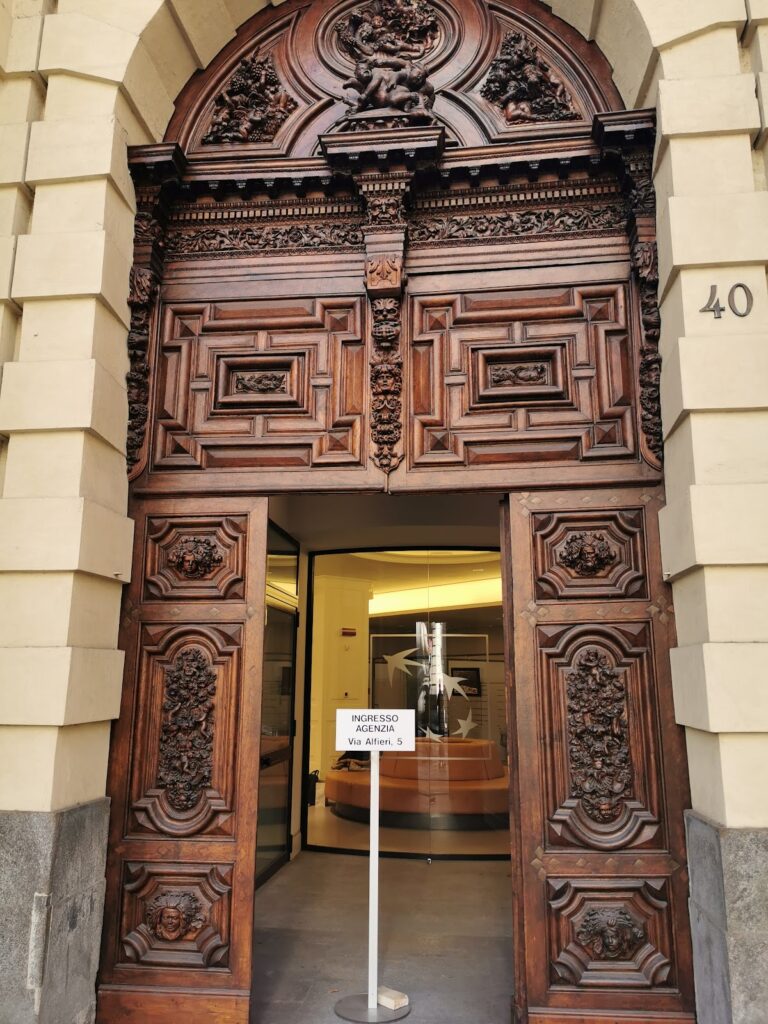
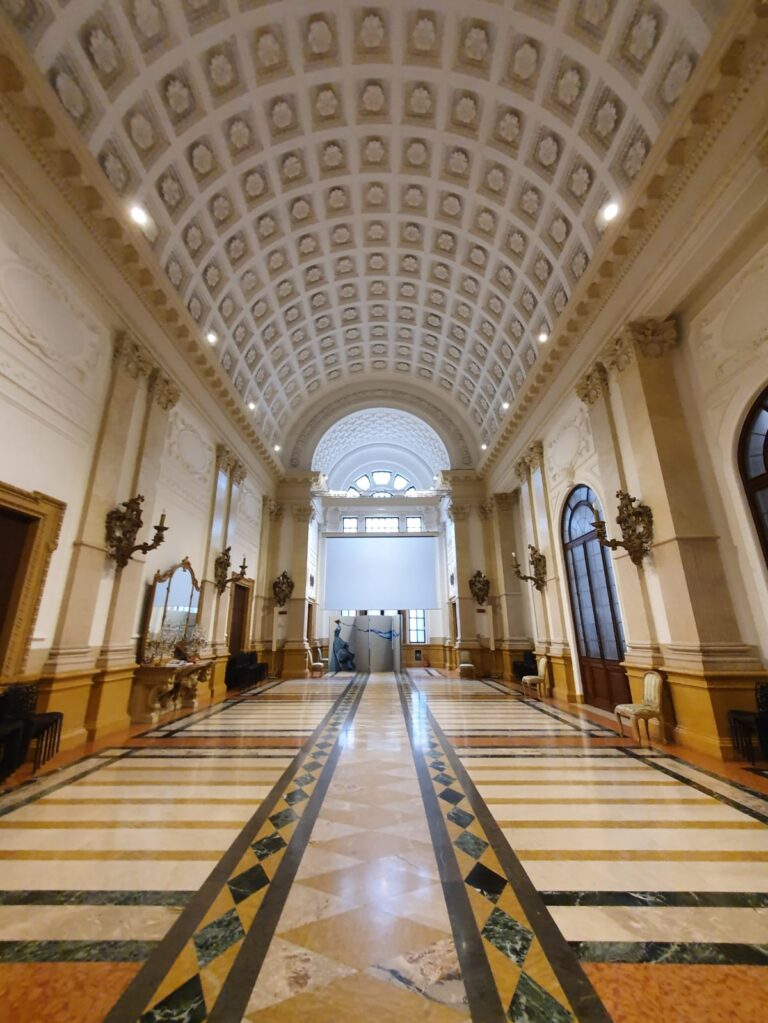
Palazzo Lascaris di Ventimiglia is a Baroque building whose present form combines work from different periods. Repeated enlargement and renovation shaped the palace, while some furnishings were transferred from other palaces. Its surviving interiors bring together stucco, a moldable plaster used for architectural decoration, painted wood, and fresco, a wall painting made on fresh plaster.
Entrance and seventeenth-century decoration
Stucco statues in the atrium
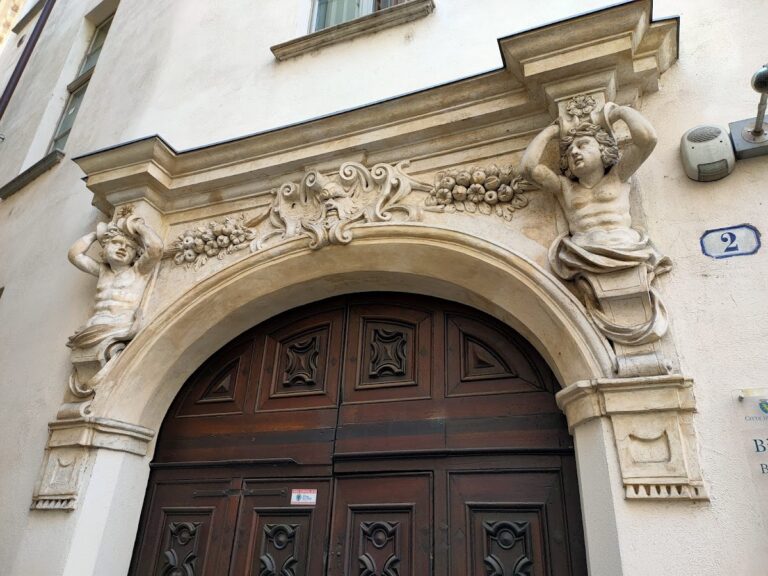
The entrance atrium contains two stucco statues from the second half of the seventeenth century. One represents Julius Caesar, while the other shows Alexander the Great with a horse. The Delle Lanze family commissioned them between 1672 and 1678, during its ownership of the palace. Giovanni Battista Barberini, a sculptor from the Intelvi Valley near Como, made the statues, and his workshop may also have produced the surrounding decorative ensemble.
Stories of Samson room
One of the two rooms retaining seventeenth-century decoration has a stucco frieze with twelve scenes from the Stories of Samson, drawn from chapters 13 to 16 of the biblical Book of Judges. The room also preserves a painted wooden ceiling. Its frescoes are attributed to Giovanni Antonio Recchi of Como or his workshop. The stucco frames incorporate scrolls, interlacing patterns, cartouches, and putti.
Hall of the Virtues and Liberal Arts
The adjacent Hall of the Virtues and Liberal Arts, also known as the Hall of Allegories, contains twelve frescoes in its frieze. They represent Logic or Dialectic, Rhetoric, Grammar, Time, possibly Love, Arithmetic and Geometry, Painting, Astronomy, Music, Faith, Hope, and Charity. The Liberal Arts traditionally describe disciplines associated with learned education. Here, the frescoes are attributed to Giovanni Antonio Recchi or his workshop, and their stucco frames use cartouches with scrolls and interlacing designs alternating with putti.
In 1744, false ceilings covered the upper portions of both decorated rooms. This alteration allowed the decorative ensembles beneath them to survive. The rooms were exposed again during the 1979 restoration, together with their original ceilings.