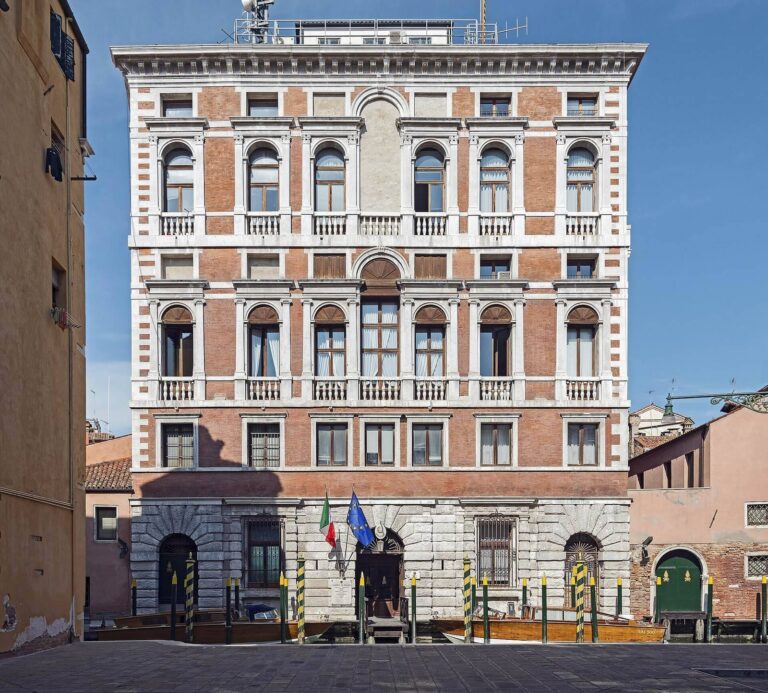
Palazzo Grioni: A Renaissance Aristocratic Residence in Italy
Site at a Glance
- Popularity
- Medium
- Country
- Italy
- Primary era
- Early Modern
- Eras represented
- Medieval, Early Modern, Modern
- Civilizations
- Venetian
- Site type
- Domestic
- Remains
- Elite Residence
On this page4 sections
History
Palazzo Grioni is a Renaissance aristocratic residence in Italy, built in the second half of the sixteenth century. Its architecture belongs to the Renaissance, a period of renewed interest in classical forms and proportions in European art and building.
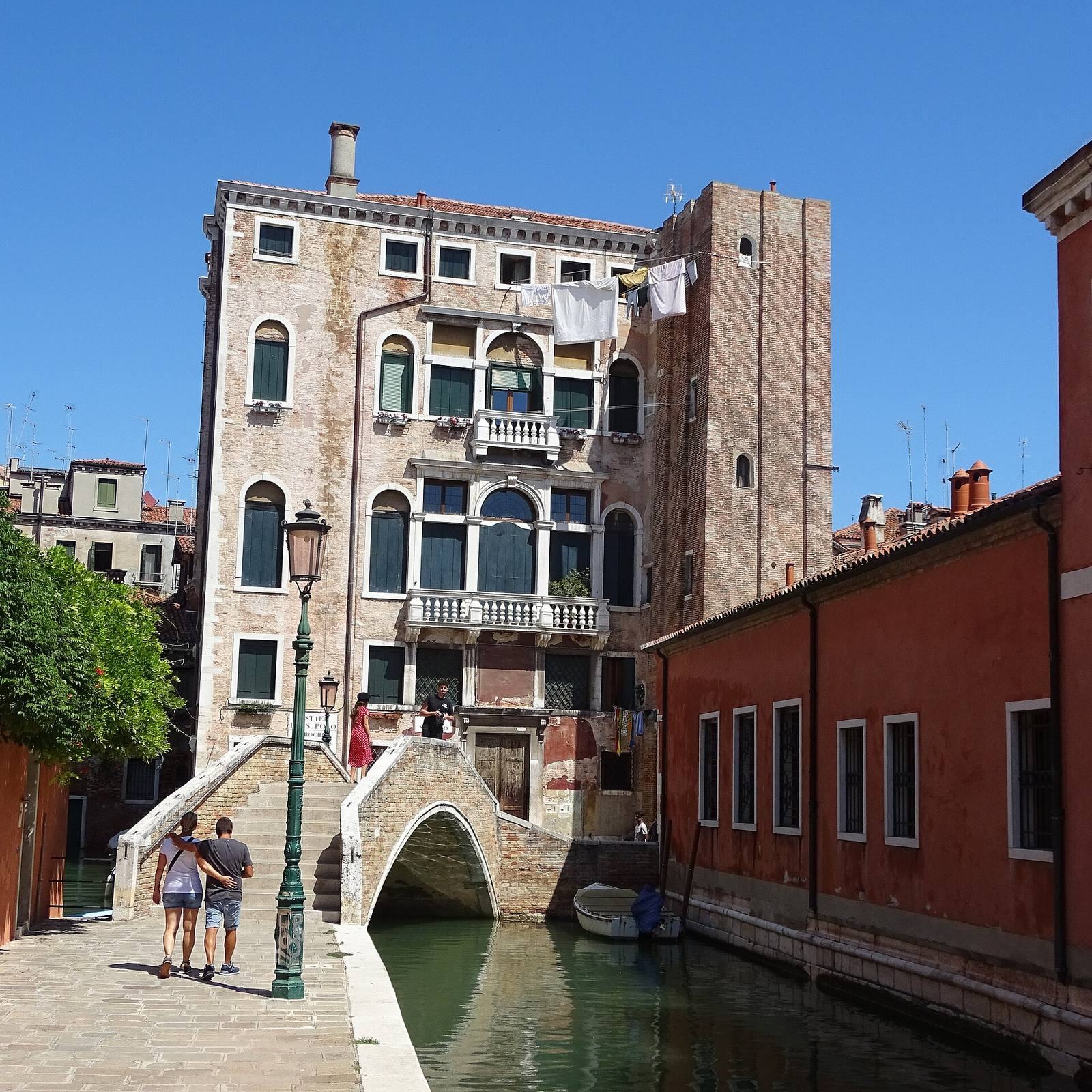
In the early nineteenth century, the Church of San Boldo was demolished, and its fourteenth-century bell tower was incorporated into the palace. During the nineteenth century, the palace was also enlarged with former church buildings that had survived the demolition and were adapted for habitation. Palazzo Grioni remains a private residence.
Remains
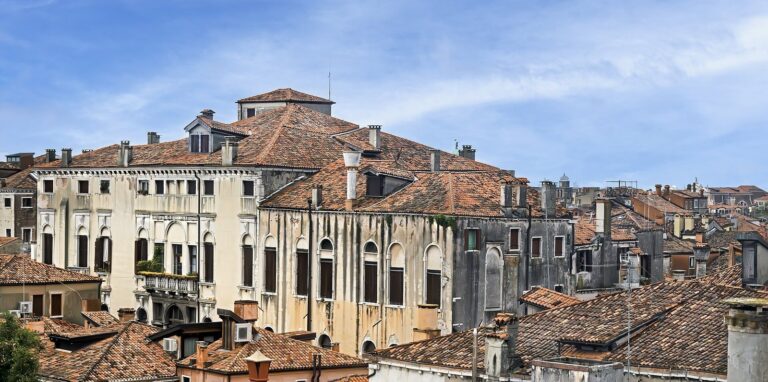
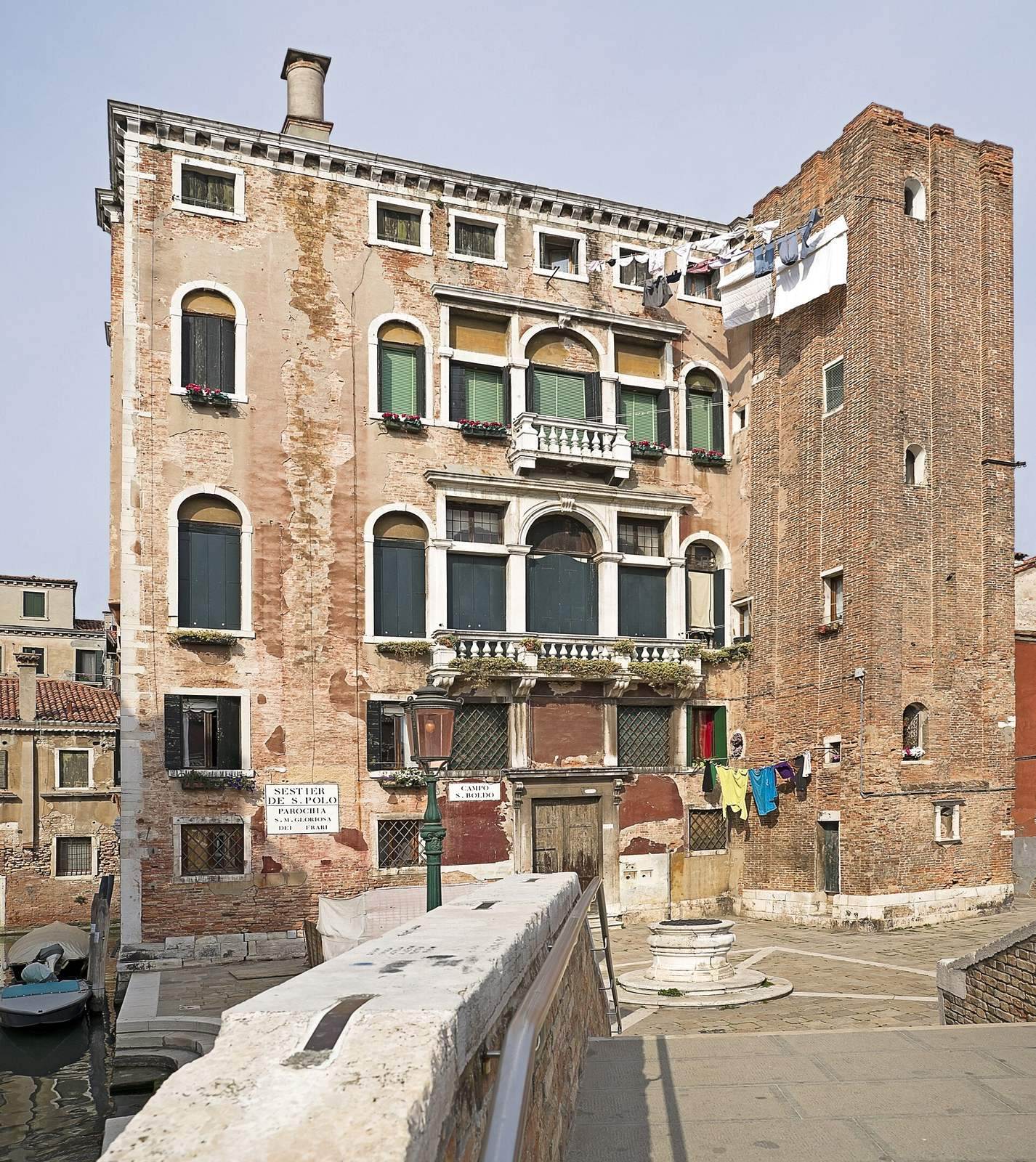
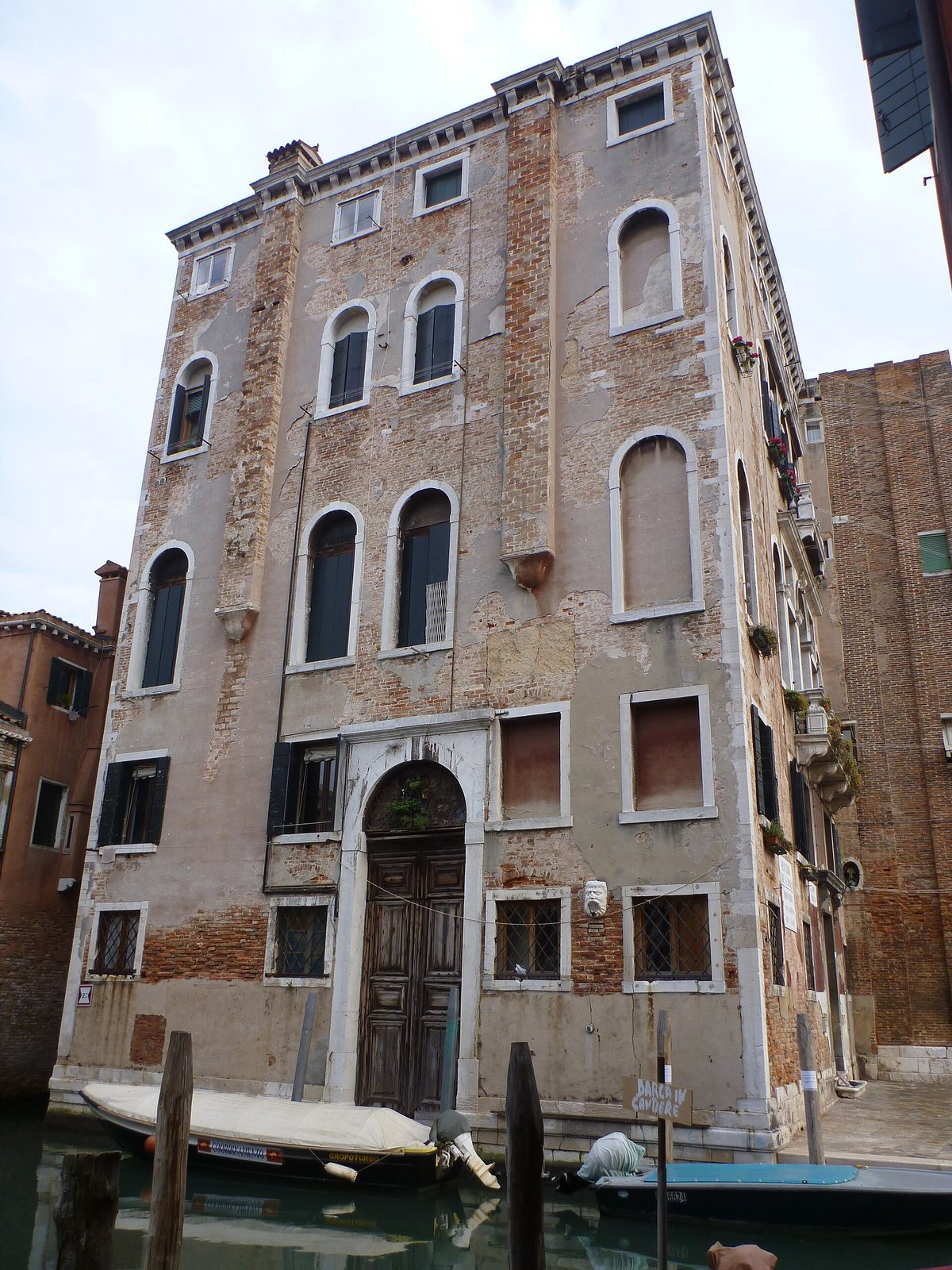
The palace has Renaissance-style architecture and two principal façades, one facing the Rio di San Boldo canal and the other Campo San Boldo square. It stands beside Ponte Storto bridge, near the former Church of San Boldo, and opposite the site of the demolished Palazzo Grimani at San Boldo.
Principal façades
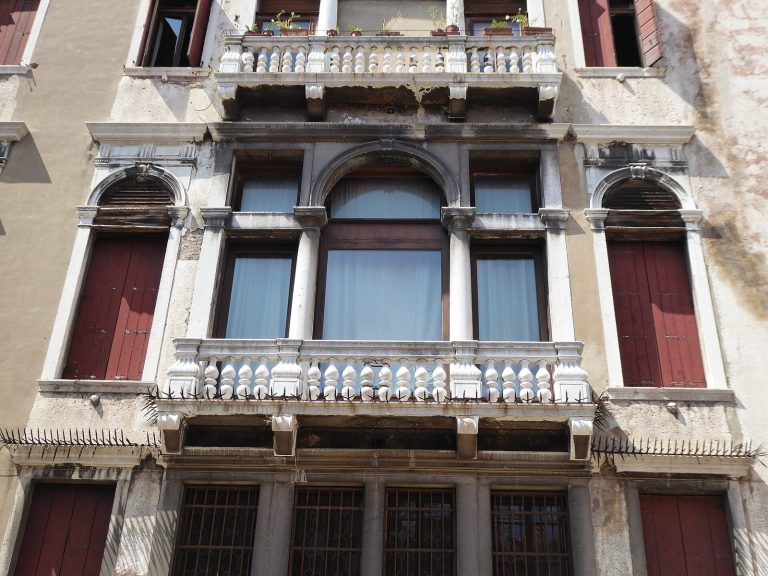
Each façade has five levels: three full storeys, a mezzanine above the ground floor, and another mezzanine below the roof. On the two principal floors, both façades feature Serlian windows, which combine a central arch with narrower openings on either side, as well as individual round-arched windows.
Bell tower
The fourteenth-century bell tower originally stood in the apse of the Church of San Boldo, beside the palace. It now forms a wing of the residence, rising to the same height as the rest of the building. Its brick walls are pierced by narrow, slit-like windows.