Palazzo Grassi, Bologna: A Medieval Gothic Palace and Army Officers’ Club
Site at a Glance
- Rating
- 4.5
- Popularity
- Medium
- Country
- Italy
- Primary era
- Medieval
- Eras represented
- Medieval, Early Modern
- Civilizations
- Papal States
- Site type
- Domestic
- Remains
- Elite Residence
On this page10 sections
History
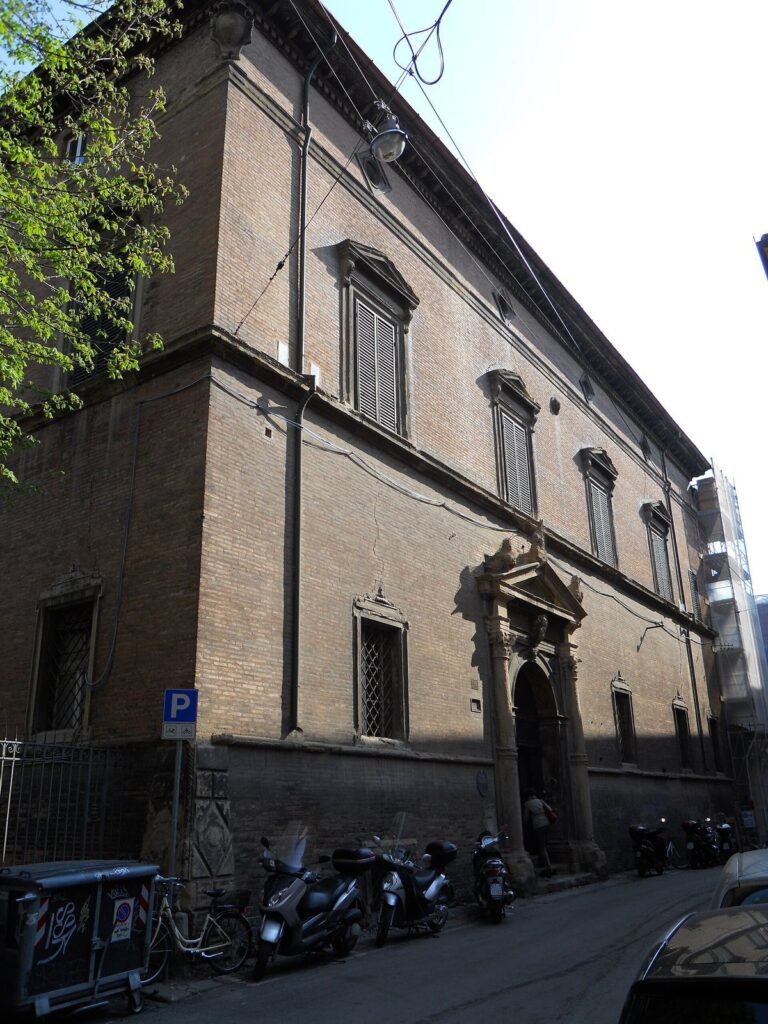
Palazzo Grassi is a Gothic palace in Bologna, Italy, built in the thirteenth century and regarded as an example of medieval urban architecture.
Medieval origins and Grassi family ownership
The palace first belonged to the Canonici family. The Grassi family acquired it in 1466, after rising in prominence over several centuries, and their descendants kept it until 1848. In 1478, Frederick III, a Habsburg ruler and Holy Roman Emperor, granted the family the title of Counts Palatine, a high-ranking title associated with the imperial court.
Military administration and later use
The palace came under military administration in 1865. Restoration work took place from 1910 to 1913, followed by renovation between 1922 and 1934. Since 1935, it has housed the Circolo Ufficiali dell’Esercito, an Italian Army officers’ club.
Remains
Exterior and courtyard
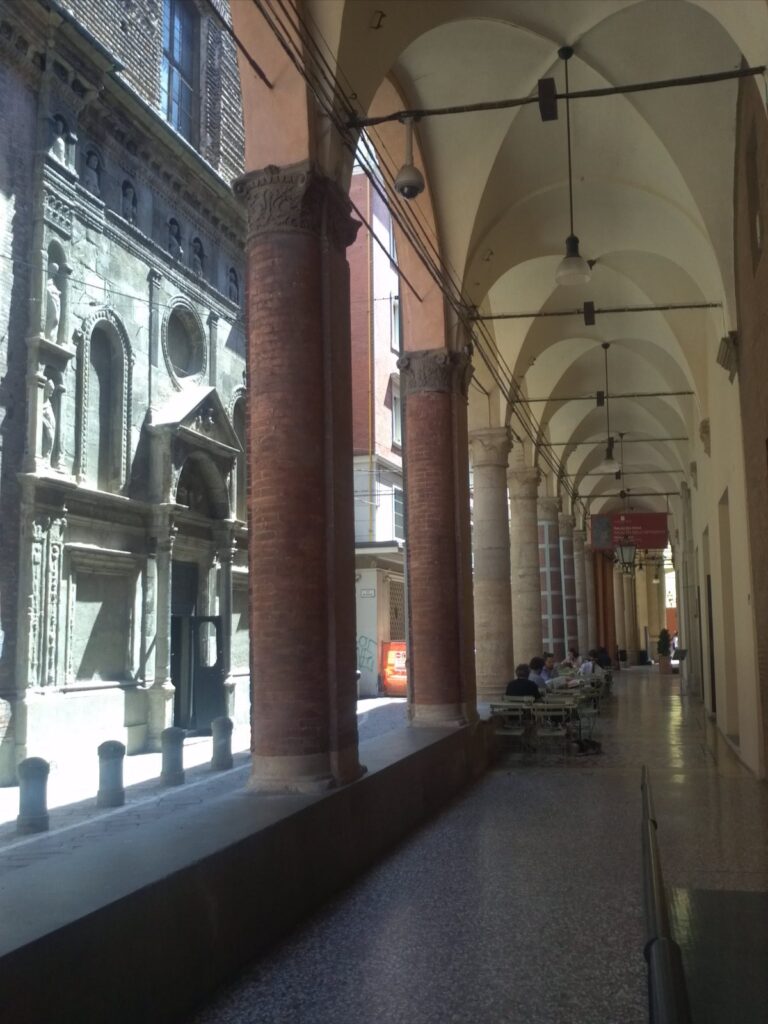
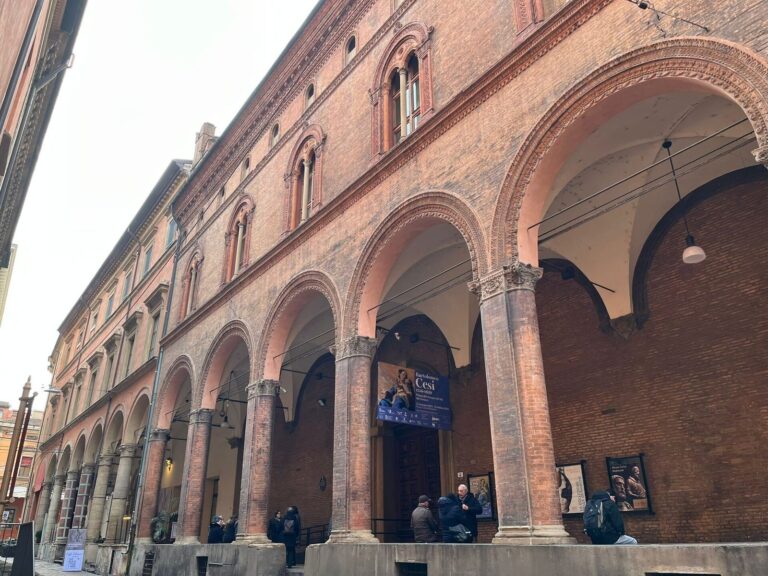
The surviving features include an old portico in front of the facade, a fifteenth-century inner courtyard, and decorated rooms within the palace.
Portico and facade
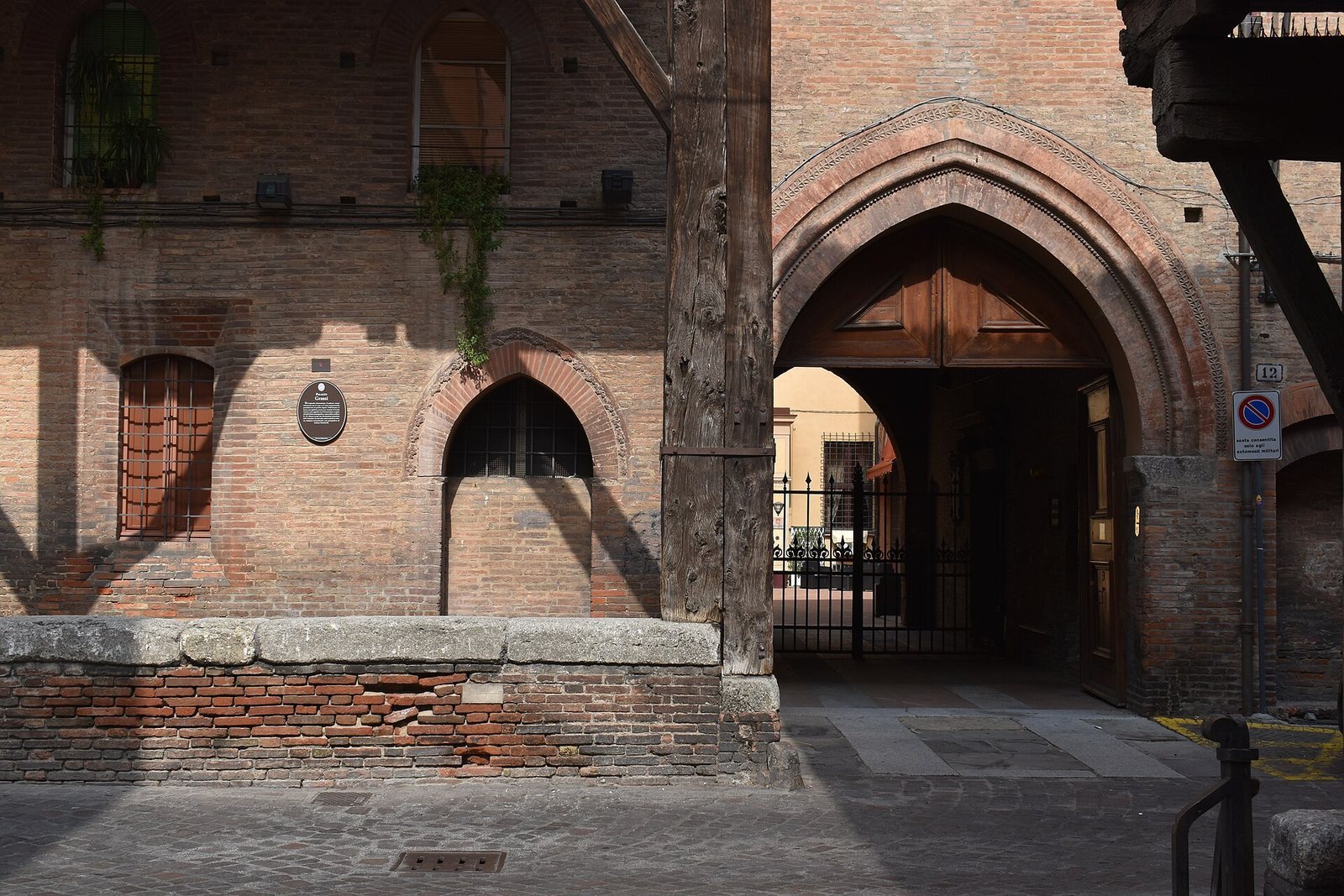
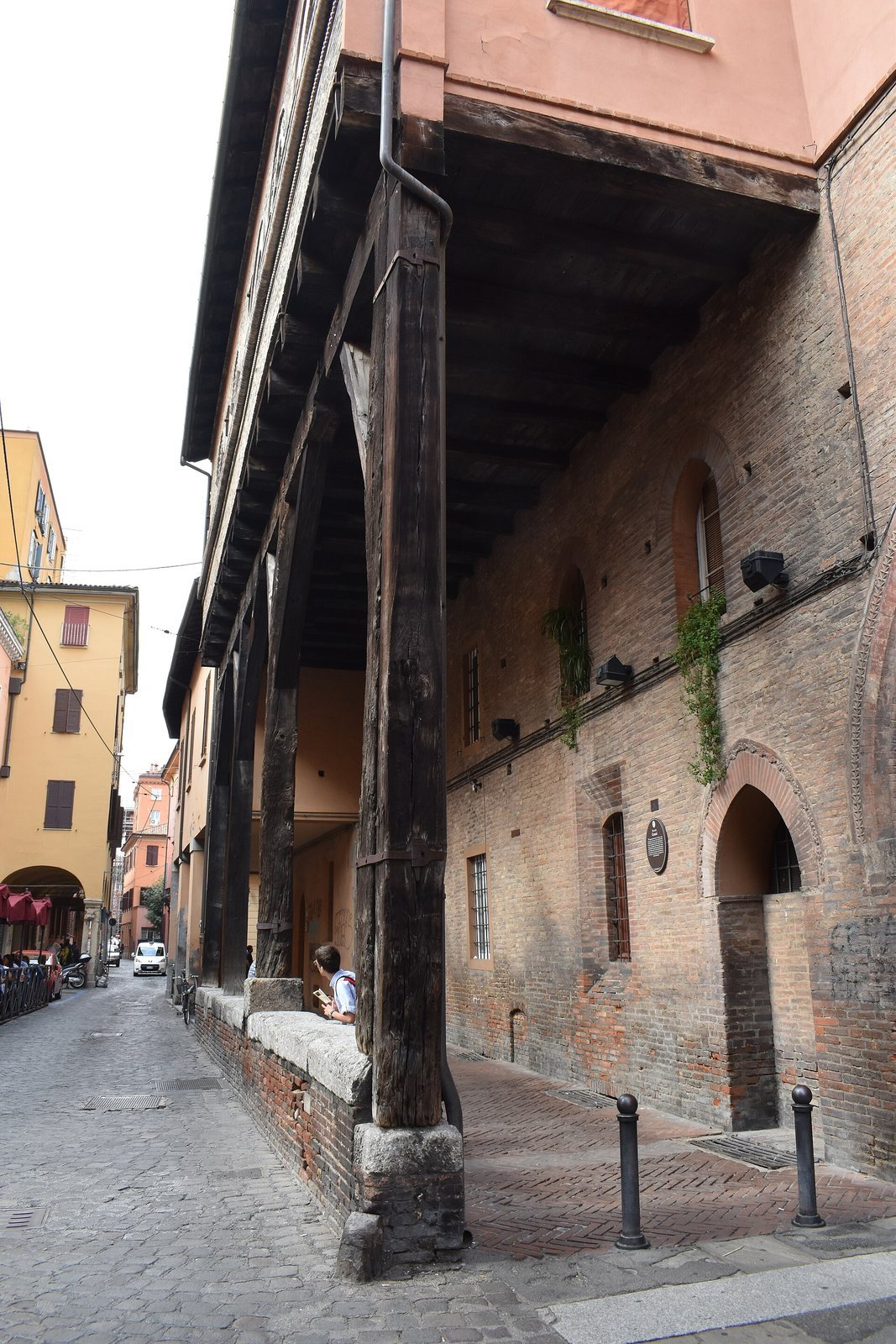
The portico has wooden columns and beams shaped like crutches. The facade’s portal is framed by a pointed arch, and several of its windows have a single opening and terracotta decoration.
Inner courtyard
The courtyard dates to the fifteenth century. It contains carved works attributed to Properzia de’ Rossi, an Italian Renaissance sculptor, as well as a terracotta Madonna and Child from the sixteenth century.
Chapel and gallery
Chapel
The chapel contains a sculpture of the Immaculate Conception with angels by Giuseppe Maria Mazza, a Bolognese Baroque sculptor. Ercole Graziani senior, an Italian painter, created the chapel’s painted decoration in 1704.
Gallery
Carlo Nessi made the gallery’s stucco decoration.