Palazzo Acerbi: A Seventeenth-Century Palace in Milan
Site at a Glance
- Popularity
- Medium
- Country
- Italy
- Primary era
- Early Modern
- Eras represented
- Early Modern, Modern
- Civilizations
- Austrian Empire, Duchy of Milan, Habsburg, Habsburg Spain, Holy Roman Empire, Spanish
- Site type
- Domestic
- Remains
- Elite Residence
On this page7 sections
History
Construction and ownership
Palazzo Acerbi is a seventeenth-century palace in Milan, Italy, designed by architect Costantino Costantini. It takes its name from Ludovico Acerbi, a Milanese senator and marquis who bought the building from the Rossi di San Secondo family.
Legends and later use
Popular stories linked Acerbi to lavish parties during the Milan plague epidemic. They described his carriage rides with dozens of servants in green livery and claimed that none of his many guests fell ill. These tales helped create the belief that he was the devil reincarnated, although Acerbi had died years before the epidemic began. He was also associated with a rivalry with the Annoni family, whose palace stood opposite, over which residence was more sumptuous.
Manuel Faleschini acquired the palace around 2024–2025. It is currently used as offices.
Remains
Exterior
Palace facade
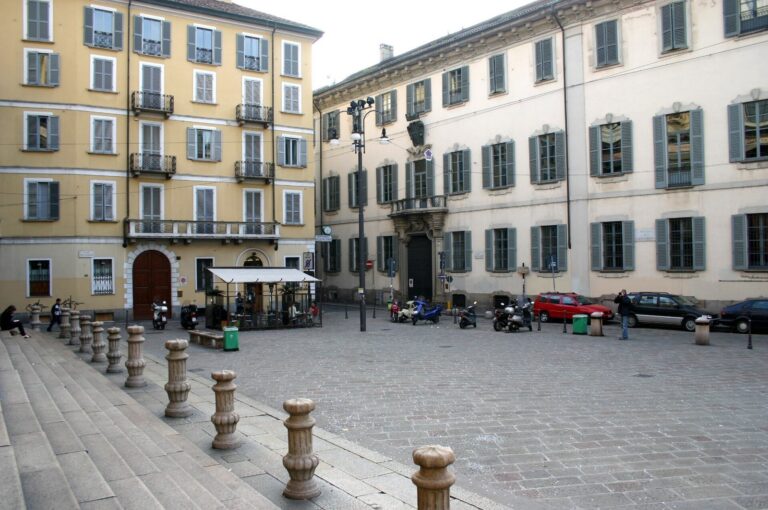
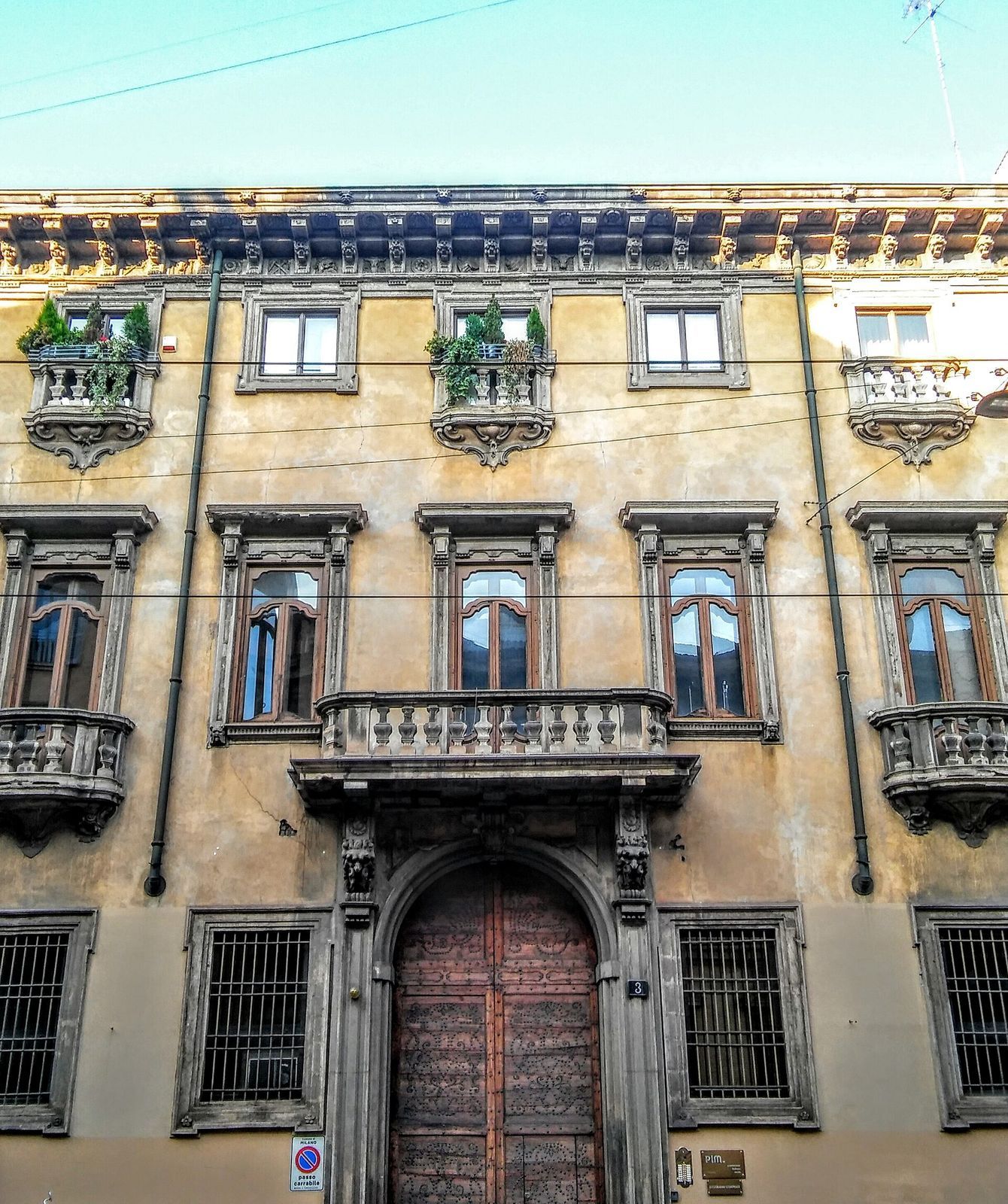
The palace has a regular, restrained structure, unlike the elaborate forms and decoration associated with Baroque architecture. On the first floor, windows have curved balconies and plain frames with straight edges. The otherwise spare entrance portal is ornamented with lion heads.
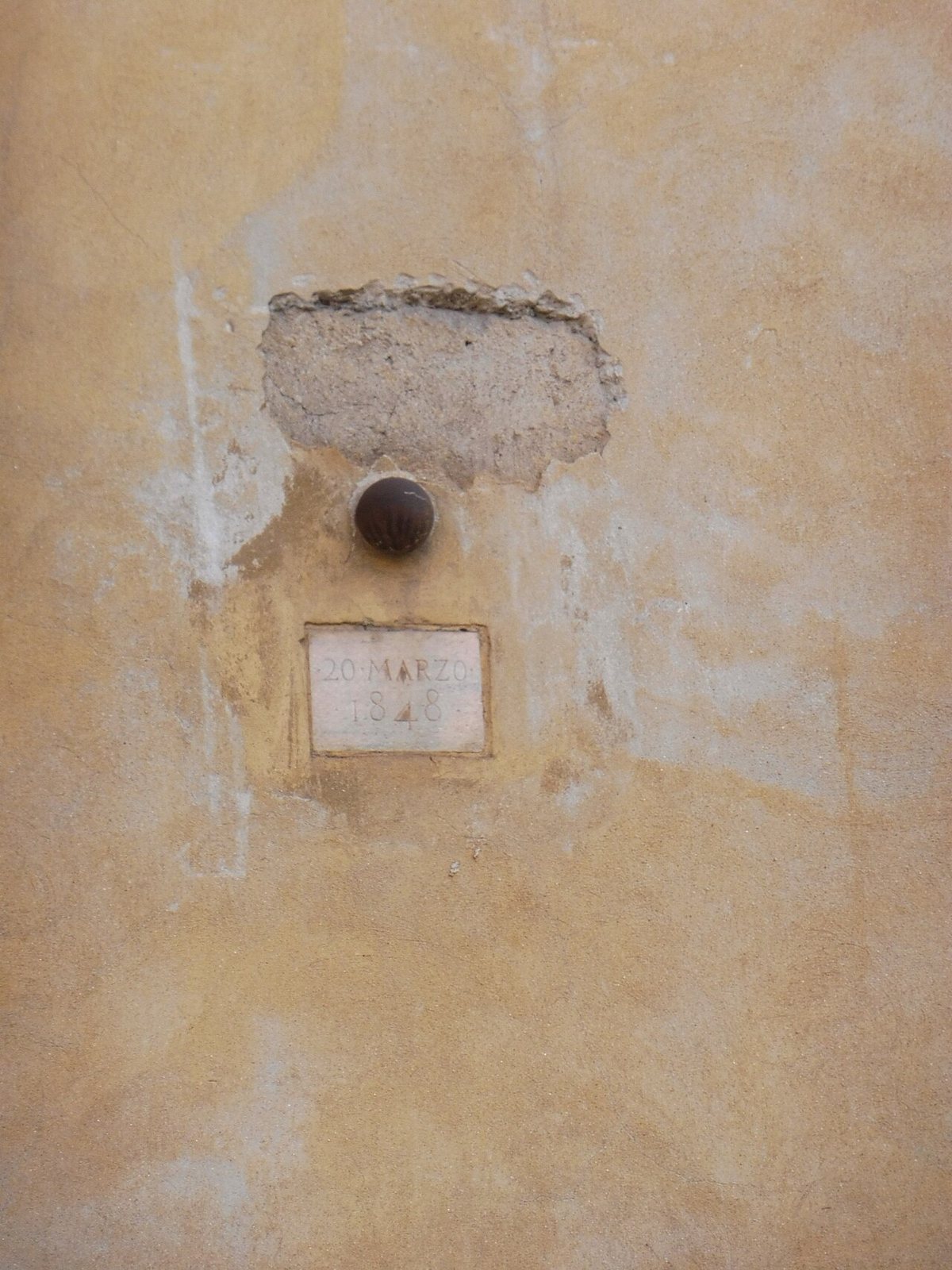
Cannonball from 1848
A cannonball from the Five Days of Milan, the 1848 uprising against Austrian rule, remains embedded in the facade to the right of the right-hand first-floor balcony. A small plaque is set below it.