Palais Pálffy on Josefsplatz: A Renaissance Palace and Cultural Venue in Vienna
Site at a Glance
- Popularity
- Medium
- Country
- Austria
- Primary era
- Early Modern
- Eras represented
- Early Modern, Modern
- Civilizations
- Habsburg, Holy Roman Empire
- Site type
- Domestic
- Remains
- Elite Residence
On this page4 sections
History
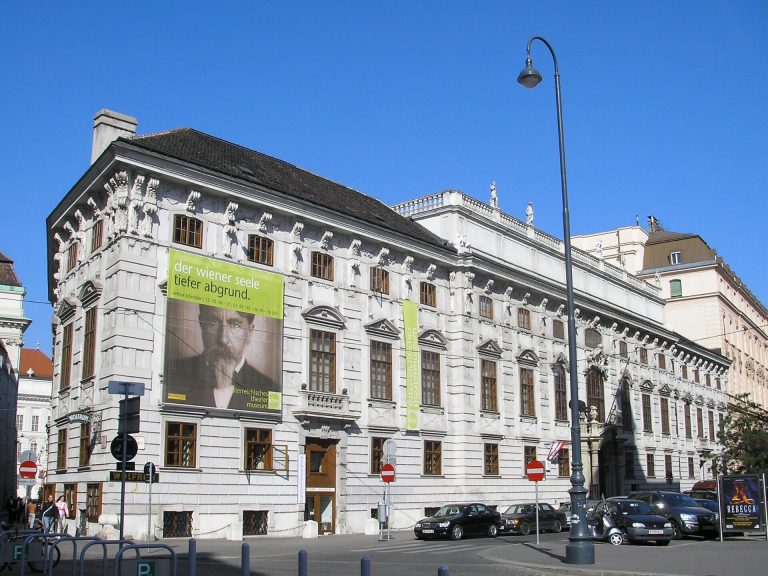
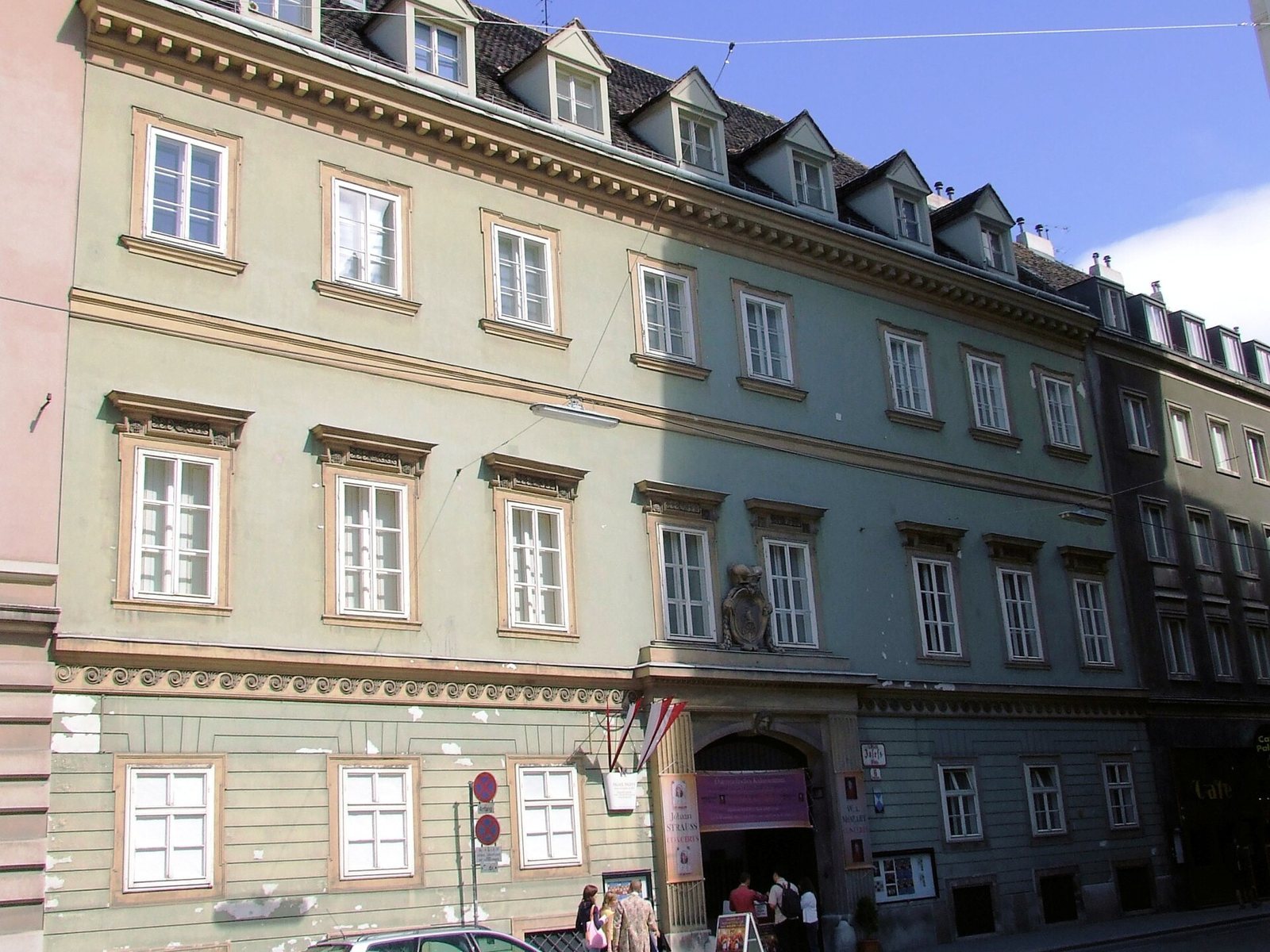
Palais Pálffy on Josefsplatz is a Renaissance palace in Vienna, Austria, whose history links a medieval administrative site with Mozart and later cultural institutions. The property has served changing owners and public purposes over several centuries.
From chancery site to Mozart’s performances
The sovereign’s chancery, an office responsible for official records and correspondence, occupied the site in the fourteenth century. In the early sixteenth century, the property passed first to Count Maithenburg and then to the Kinsky family. Rudolf von Khuen von Belasy, Baron of Lambach, later replaced or remodelled the Kinsky palace with a Renaissance palace. He enlarged the property over time by acquiring additional land. In 1684, his daughter married Count Paul Pálffy, bringing the palace into the Pálffy princely family.
Wolfgang Amadeus Mozart performed at the palace with his sister in 1762, when he was six years old. In 1786, he presented his opera The Marriage of Figaro there privately.
Postwar rebuilding and cultural use
The palace became state property after the First World War. A bombing in 1944 caused severe damage, and architect Robert Kramreiter led its reconstruction in the postwar years.
During the Allied occupation of Austria after the Second World War, the palace hosted the Palais Pálffy-Austria House work program. Initiated by the Austrian-American and Austrian-Soviet Societies, it provided a forum for international understanding and cultural exchange. Other friendship societies developed there, along with an umbrella federation of Austrian-foreign societies. The federation, then known as VÖAG and now called PaN (Partner of All Nations), moved to the Austrian Trade Association in the early 1980s.
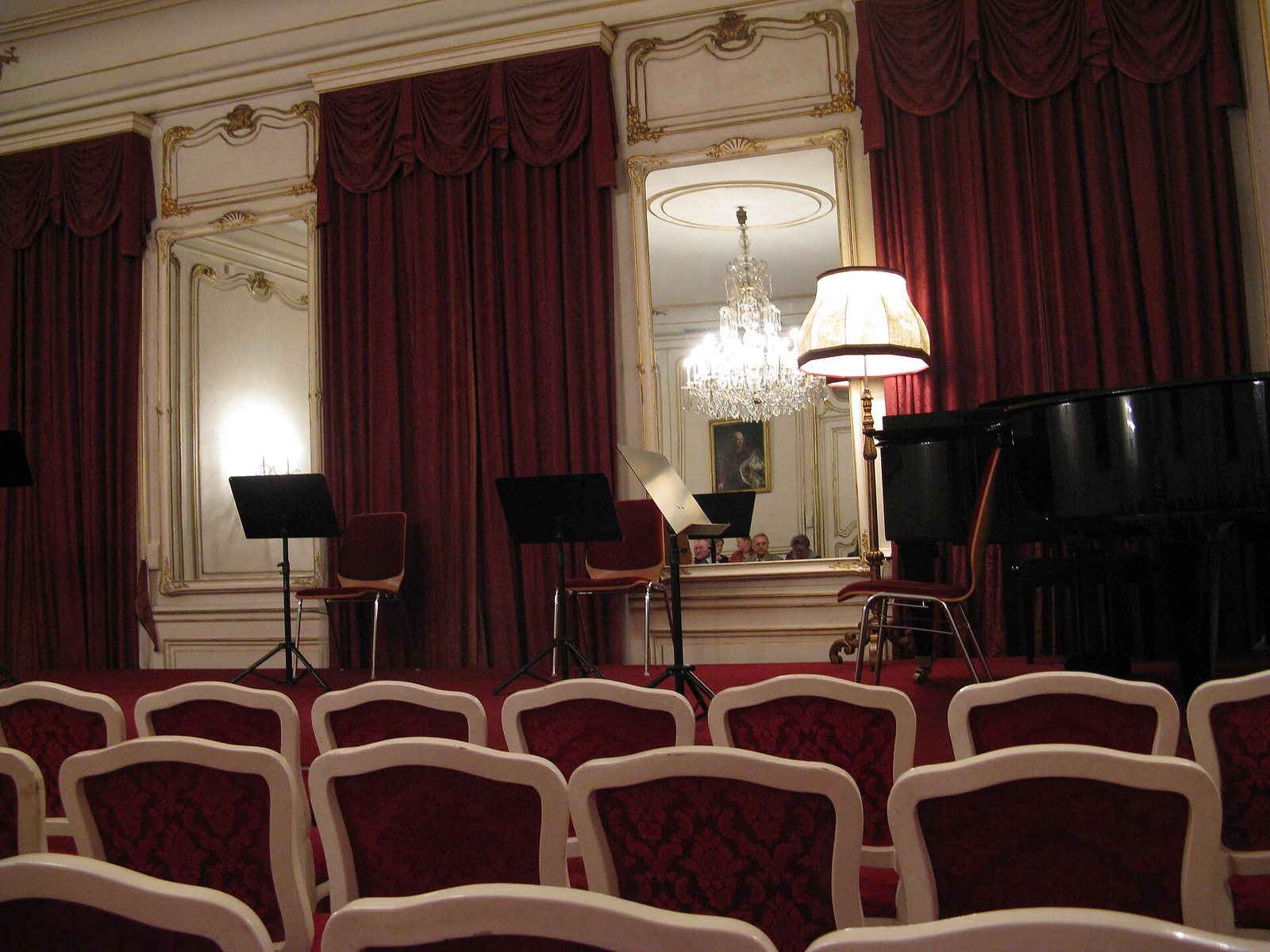
The Austrian Cultural Center-Austria House, founded in 1969, remained at the palace. Its mission is to support efforts that strengthen Austria’s standing in the arts and cultural life of Europe and the wider world. The palace is mainly used for cultural events, exhibitions, music performances, and other public functions. Since 2013, it has also been the seat of the artists’ association Les Montmartrois en Europe.
Remains
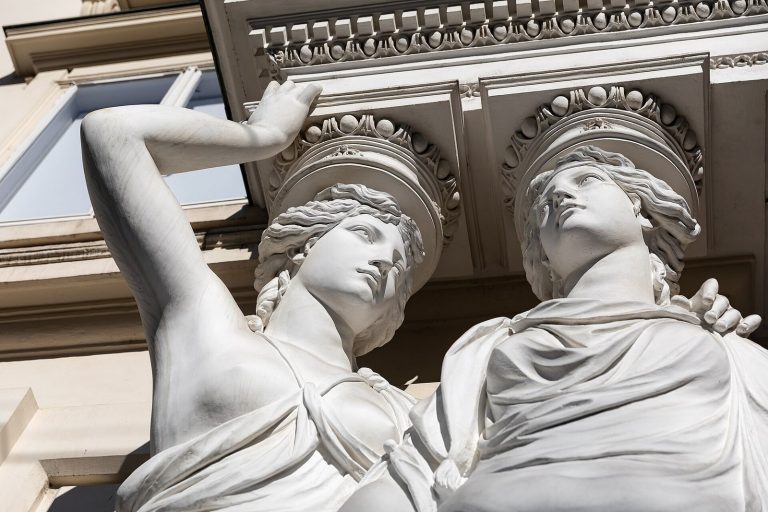
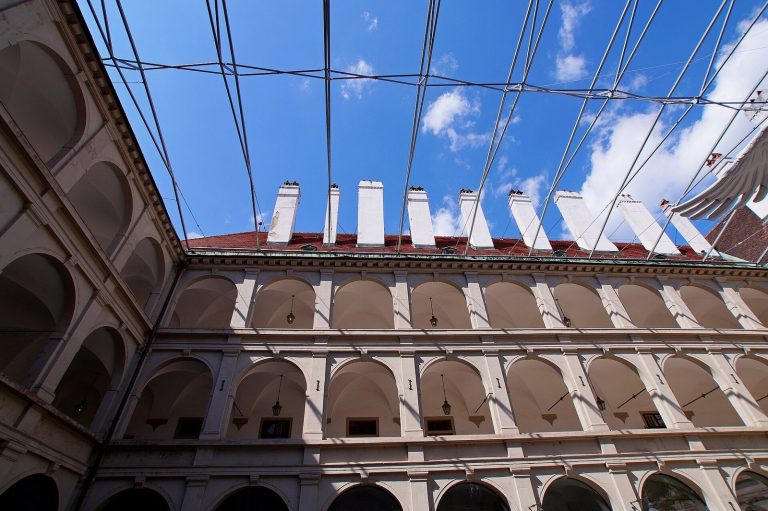
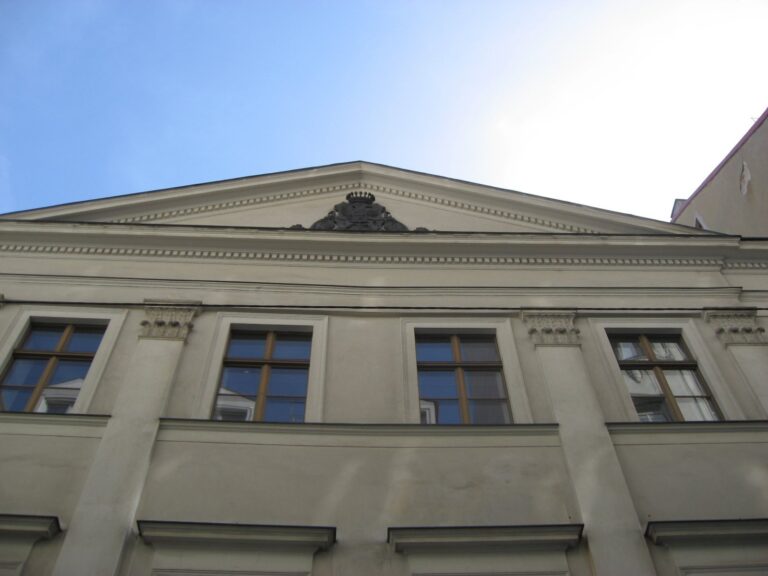
The palace was built in the Renaissance style. After the 1944 bombing, its façade was reconstructed, while the interior was largely redesigned during the postwar rebuilding. The Phantasten Museum is located in the palace.