Palais Cumberland: An Urban Palace Complex in Vienna
Site at a Glance
- Rating
- 4.4
- Popularity
- Low
- Country
- Austria
- Primary era
- Early Modern
- Eras represented
- Early Modern
- Civilizations
- Habsburg, Habsburg Austria, Holy Roman Empire
- Site type
- Domestic
- Remains
- Palace
On this page5 sections
History
The Eighteenth-Century Palaces
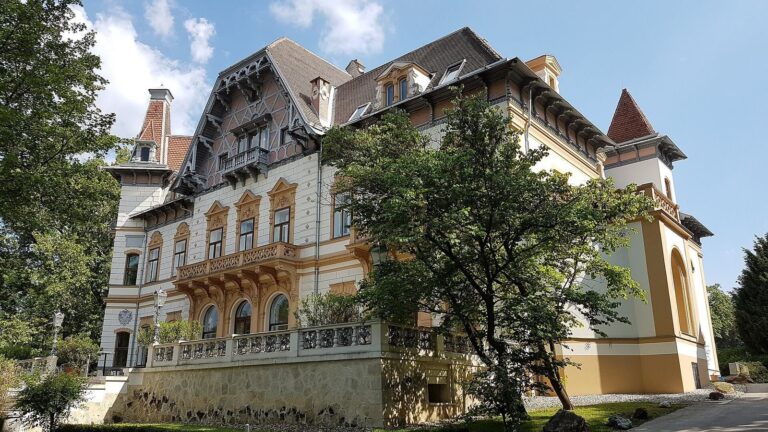
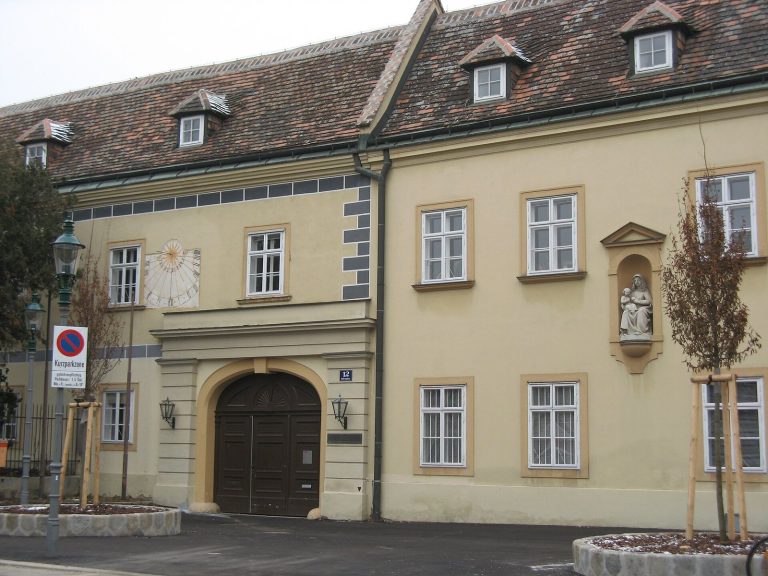
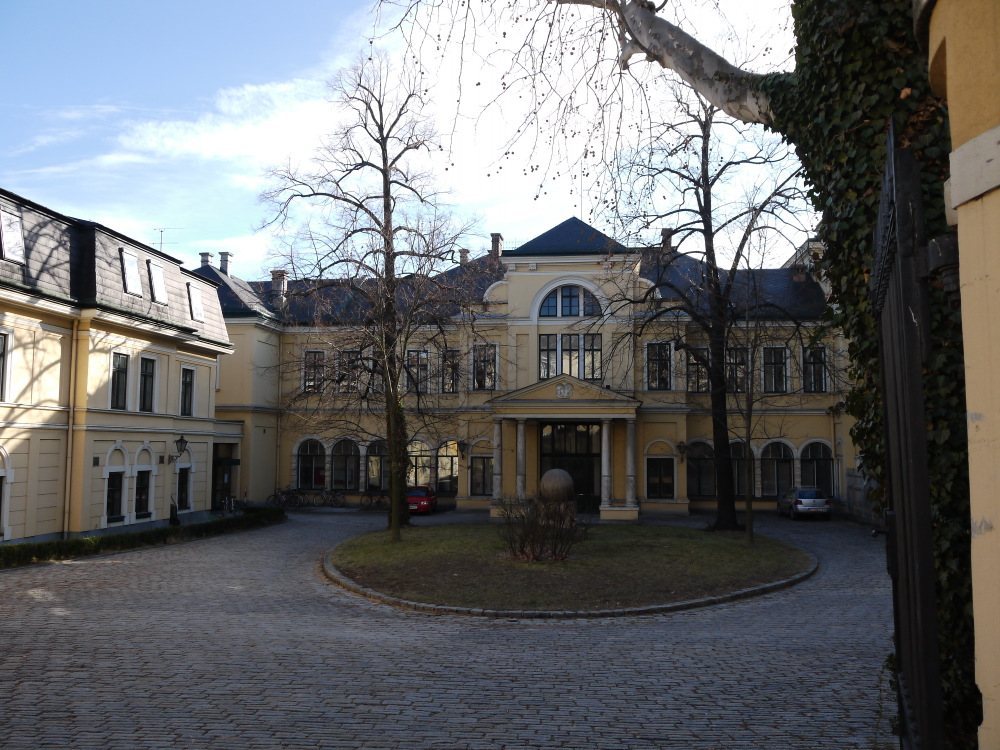
Palais Cumberland is an urban palace complex in Penzing, western Vienna, Austria, including a palace built in 1745 for Portuguese court official Emanuel Teles de Silva. Three houses originally occupied the area around present-day house numbers 9 and 11. De Silva had arrived at the Viennese court from Lisbon in the early eighteenth century, advised Empress Maria Theresa, and later directed court building works. His palace at no. 9 became the residence of Prince Charles-Alexander of Lorraine, governor general of the Austrian Netherlands, Habsburg-held territories in the Low Countries. The Silva family also built a palace next door, at no. 11.
Maria Theresa established Penzing Barracks as a cavalry barracks in 1758. After its demolition in 1839 to 1840, the former parade ground became the palace garden after 1841.
The Hanoverian Residence
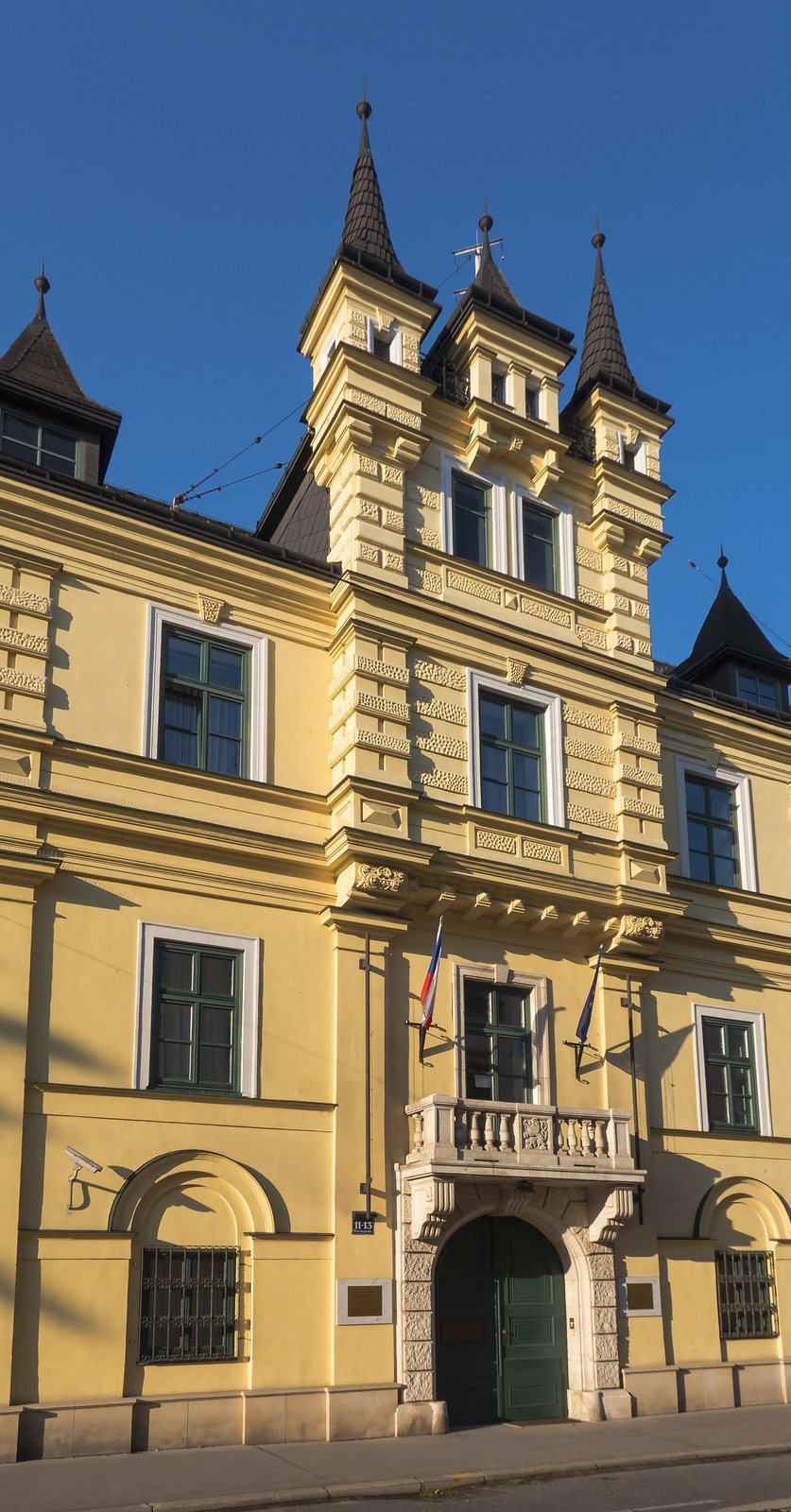
King George V of Hanover, the second Duke of Cumberland, fled to Vienna in 1866 after Austria’s defeat in the Austro-Prussian War, the conflict between Austria and Prussia. In 1868 he acquired the palaces at nos. 9 and 11, along with the imperial hunting house at no. 13, which he converted into an exile residence. Before George’s death, his son Ernest Augustus, the third Duke of Cumberland, built a separate exile residence, Cumberland Castle, at Gmunden beside Lake Traun. It was designed in the then-fashionable Neo-Gothic style, a revival of Gothic architectural forms, and Ernest Augustus took the House of Welf’s collection there. George, who was blind, died in Paris in 1878 and was buried in London.
Twentieth-Century Uses
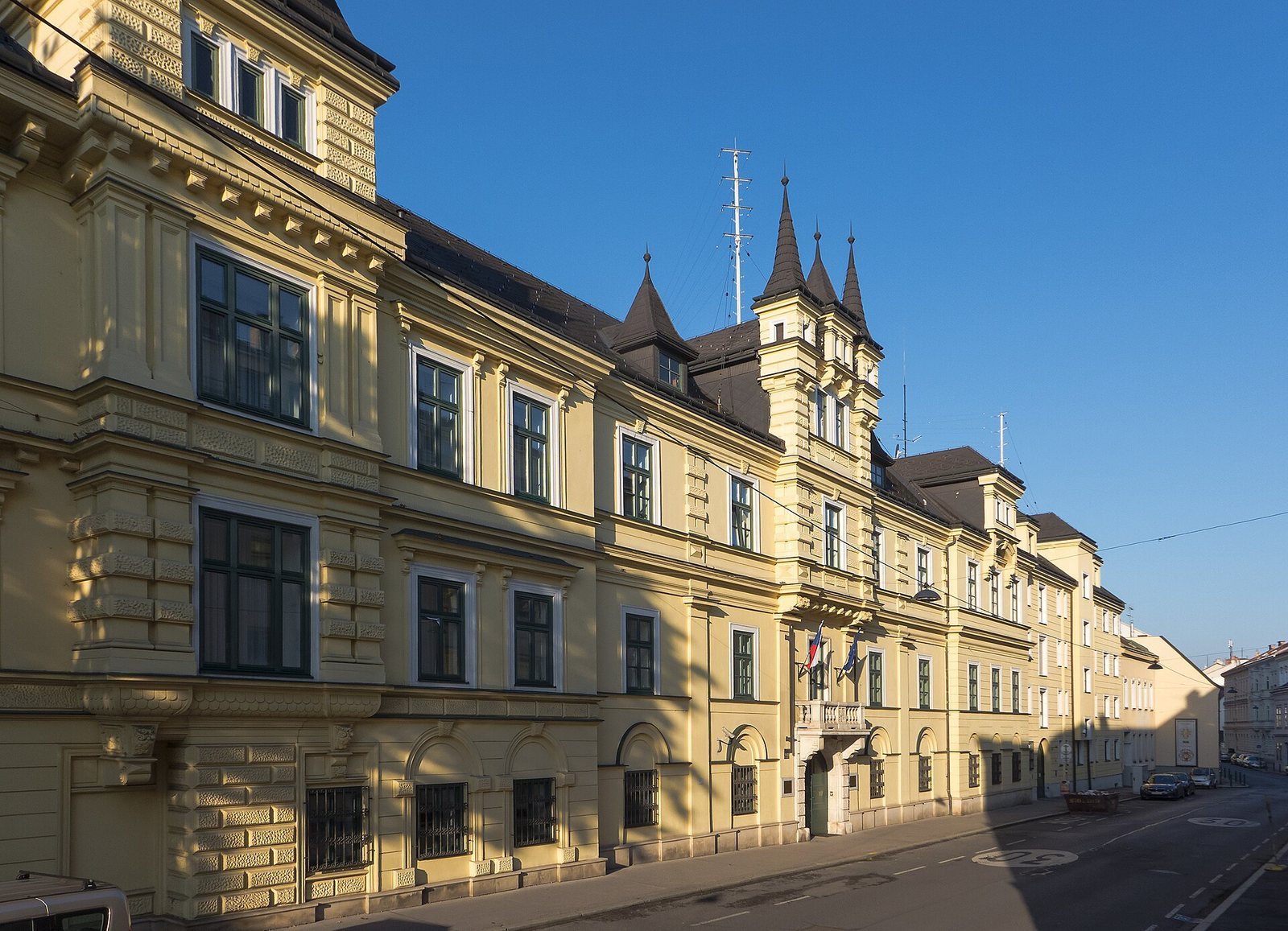
After the First World War and the collapse of the Habsburg monarchy, the embassy of the Czechoslovak Republic moved into the buildings at nos. 11 to 13 in 1921. The Czech Embassy is now based there. In 1940, the Max Reinhardt Seminar, a drama-training school named for theater director Max Reinhardt, moved into the palace section at no. 9.
Remains
The urban complex comprises the palace at no. 9, the adjoining Silva palace at no. 11, and the former imperial hunting house at no. 13. The palace garden lies at the eastern end of the complex, on the former barracks parade ground.