Palácio de Vila Flor: An Eighteenth-Century Baroque Palace in Portugal
Site at a Glance
- Popularity
- Low
- Country
- Portugal
- Primary era
- Early Modern
- Eras represented
- Early Modern, Modern
- Civilizations
- Portuguese
- Site type
- Domestic
- Remains
- Elite Residence
On this page6 sections
History
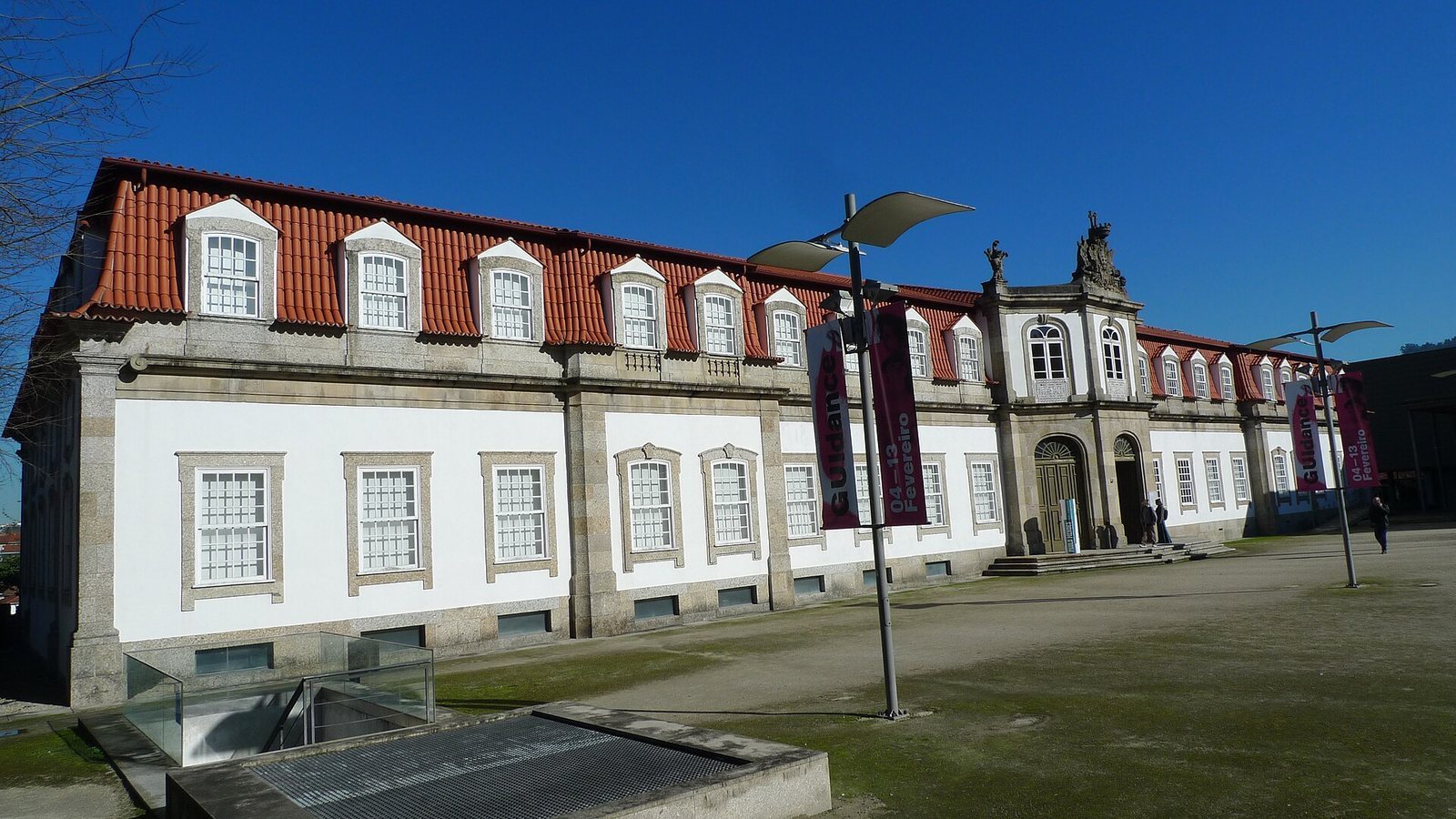
Palácio de Vila Flor is an eighteenth-century Baroque palace in Portugal. Nobleman Tadeu Luís António Lopes de Carvalho de Fonseca e Camões commissioned its construction, and the Jordão family later completed the work he had begun. In 1750, celebrations marking the acclamation of José I, king of Portugal from 1750 to 1777, took place at the palace and in its gardens.
Royal connections and civic events
The first Count of Arrochela later acquired the palace. Queen Maria II stayed there in 1853, the year a decree dated 23 June raised Guimarães from town to city. In 1884, the palace hosted the First Industrial and Commercial Exhibition of Guimarães, an event that demonstrated the city’s economic vitality.
Municipal ownership and restoration
At the beginning of the twentieth century, the Guimarães-based Jordão family acquired the palace and completed its north wing. Guimarães City Council purchased the building in 1976, when it was in disrepair, to house the Guimarães Centre of the University of Minho’s Faculty of Engineering. After the university opened a new centre at its Azurém Campus, the palace temporarily closed. Part of the gardens had been used as a municipal vegetable garden.
During the first decade of the 2000s, the city council restored the palace and gardens, completing the work in 2005 and incorporating a new cultural centre. In 2006, the garden space received an Honourable Mention in the National Landscape Architecture Award’s outdoor spaces for public use category.
Remains
The Baroque palace, including its north wing, stands within terraced gardens. The grounds combine planted areas, fountains and sculptures with spaces for cultural events, and look out over Guimarães and monuments including the Palace of the Dukes and Guimarães Castle.
Palace and cultural centre
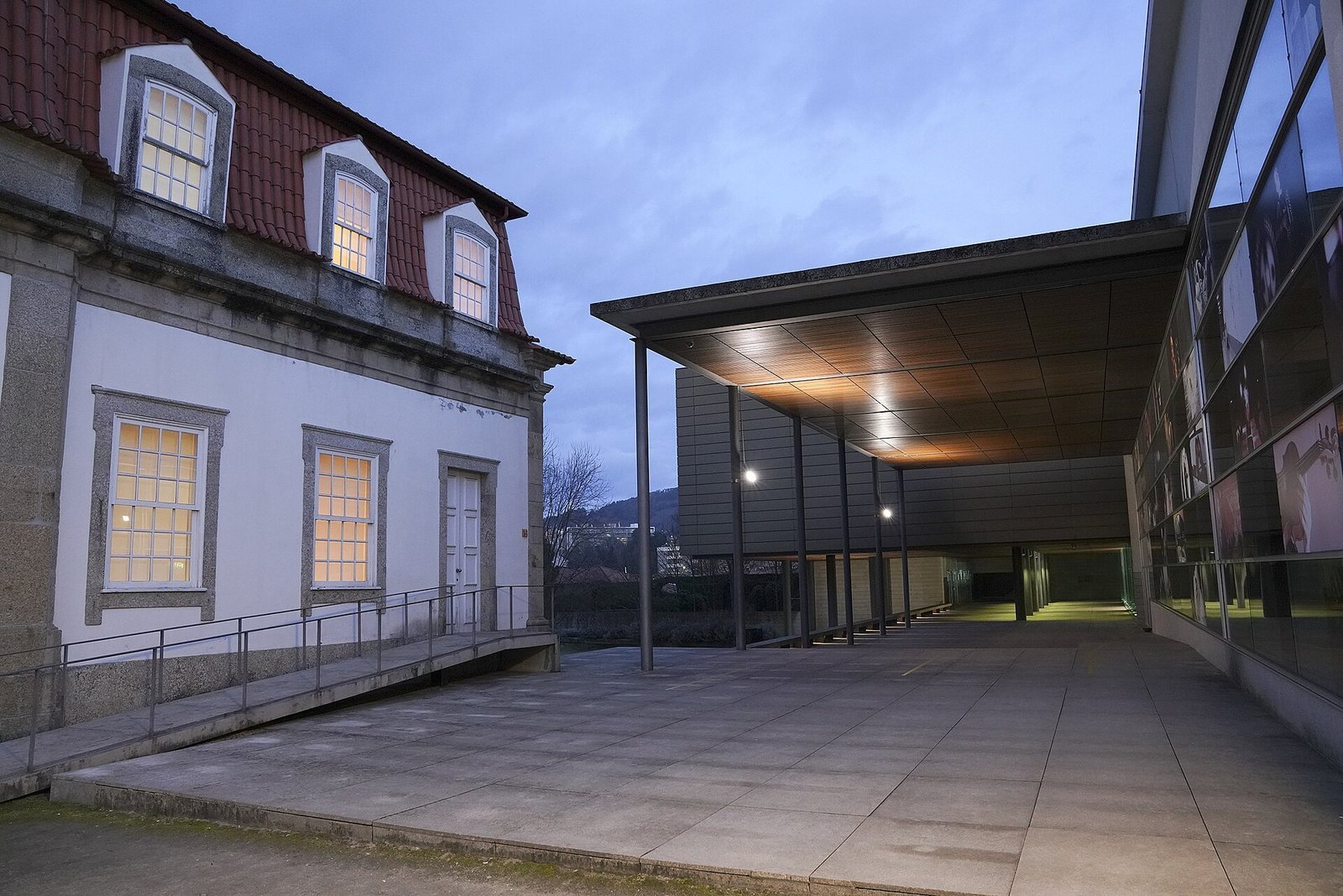
The palace’s north wing forms part of the building, while a purpose-built cultural centre coexists with it. The centre hosts performances and concerts.
Terraced gardens and grounds
The gardens contain boxwoods, trees, especially camellias, fountains and sculptures. Their restoration retained the boxwoods and tree species and added a green area for outdoor events. The grounds also contain a restaurant and a café-concert venue, which combines café service with live performances.