Palace of Villa-Suso: A Renaissance Palace in Vitoria
Site at a Glance
- Popularity
- Medium
- Country
- Spain
- Primary era
- Early Modern
- Eras represented
- Early Modern
- Civilizations
- Crown of Castile, Habsburg, Habsburg Spain, Spanish
- Site type
- Domestic
- Remains
- Elite Residence
On this page4 sections
History
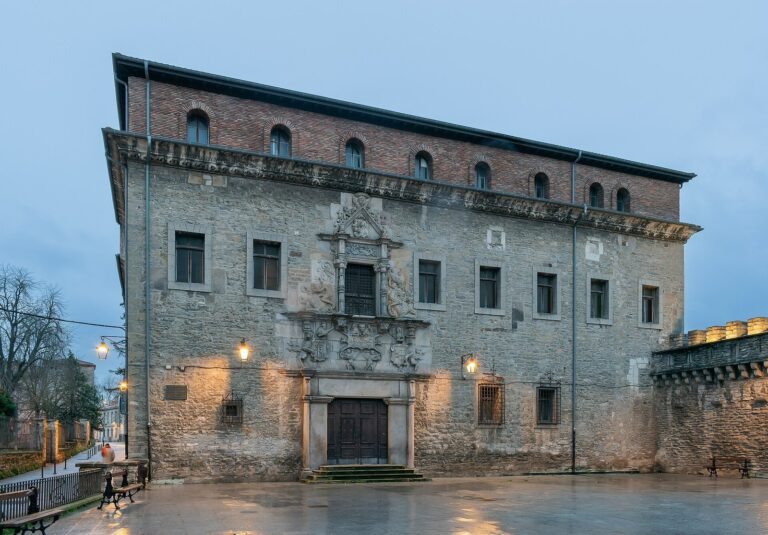
The Palace of Villa-Suso is a Renaissance palace built in 1539 in Vitoria’s old town, Spain, on the orders of Martín de Salinas y Buendía. A Spanish diplomat, Martín served as ambassador for Ferdinand of Hungary and Bohemia, a Habsburg prince who later ruled those kingdoms, at the court of Charles V, also known as Charles I of Spain, a Habsburg ruler and Holy Roman Emperor. Renaissance architecture adapted classical forms as part of a wider European movement drawing on classical antiquity.
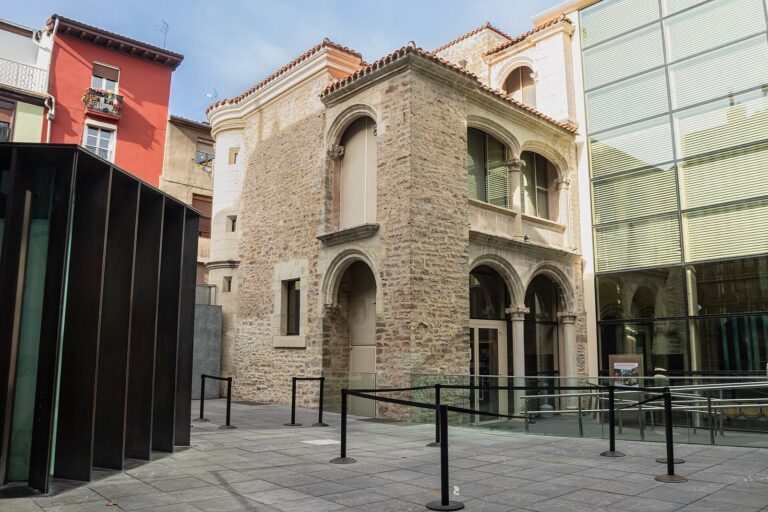
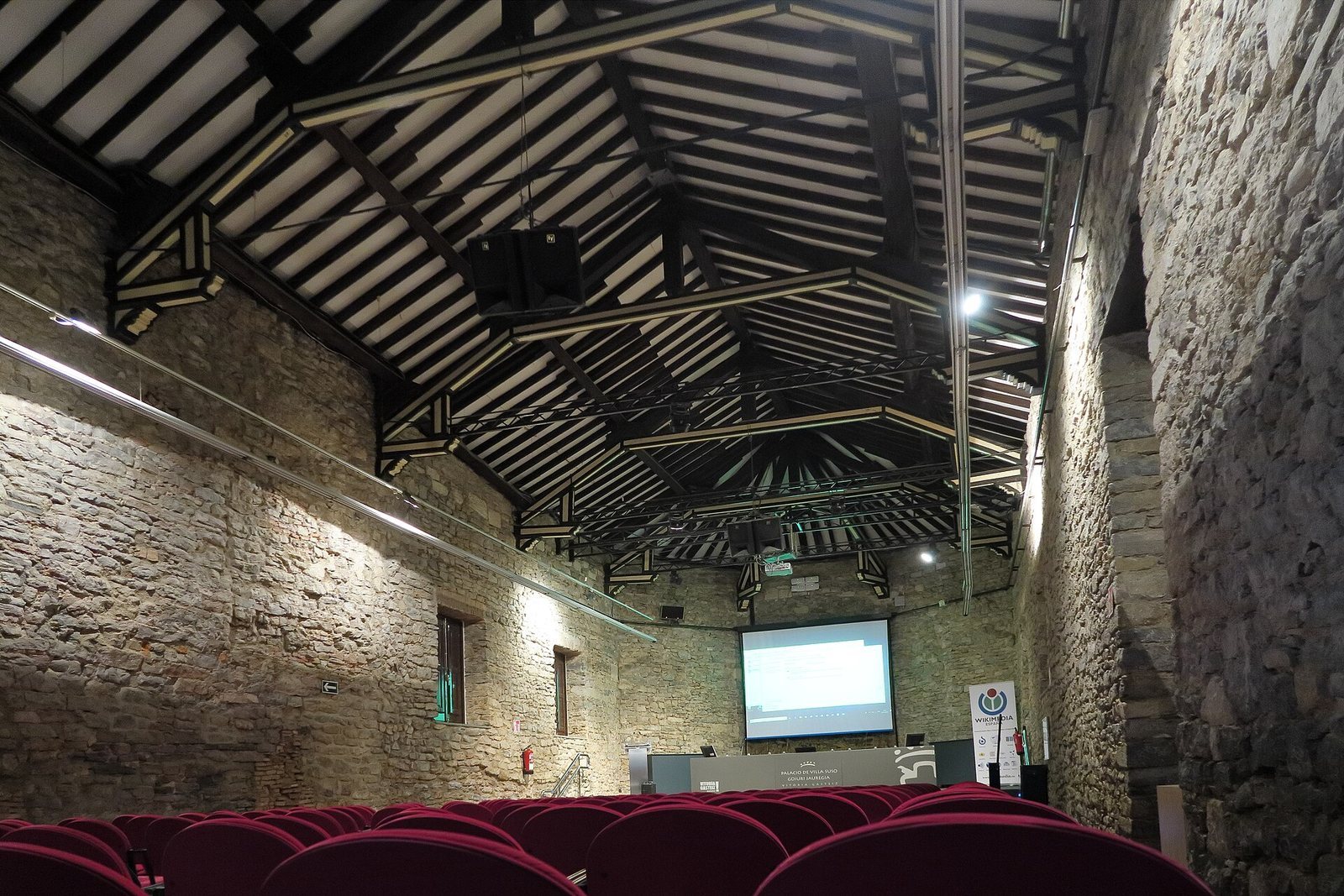
The building has since been adapted for present-day needs while retaining its Renaissance style.
Remains
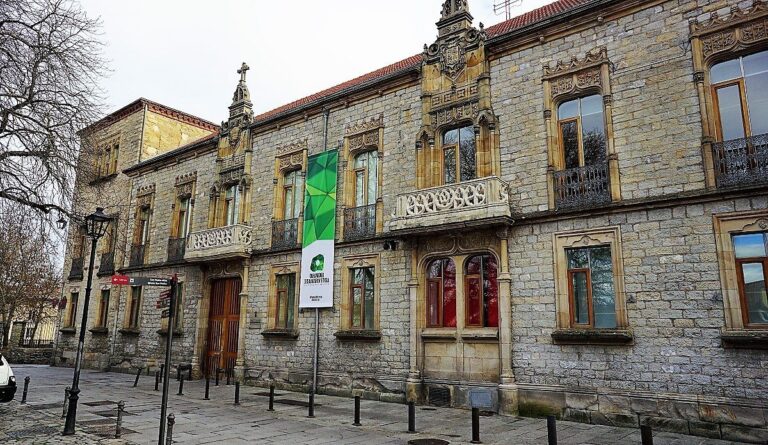
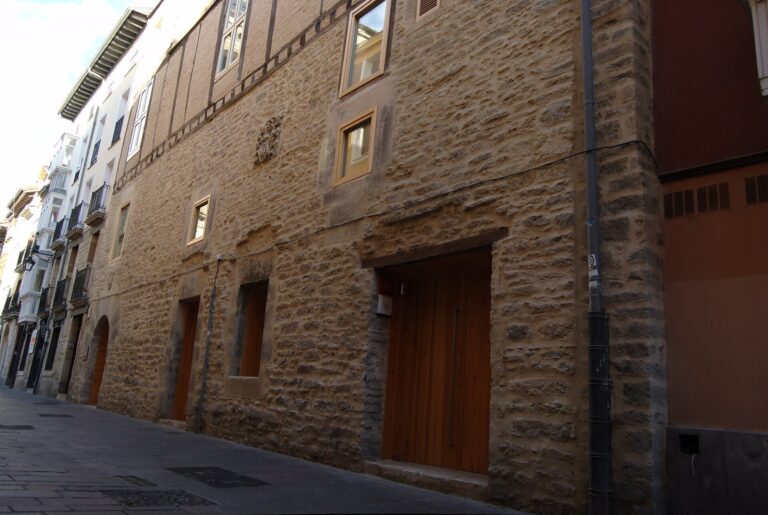
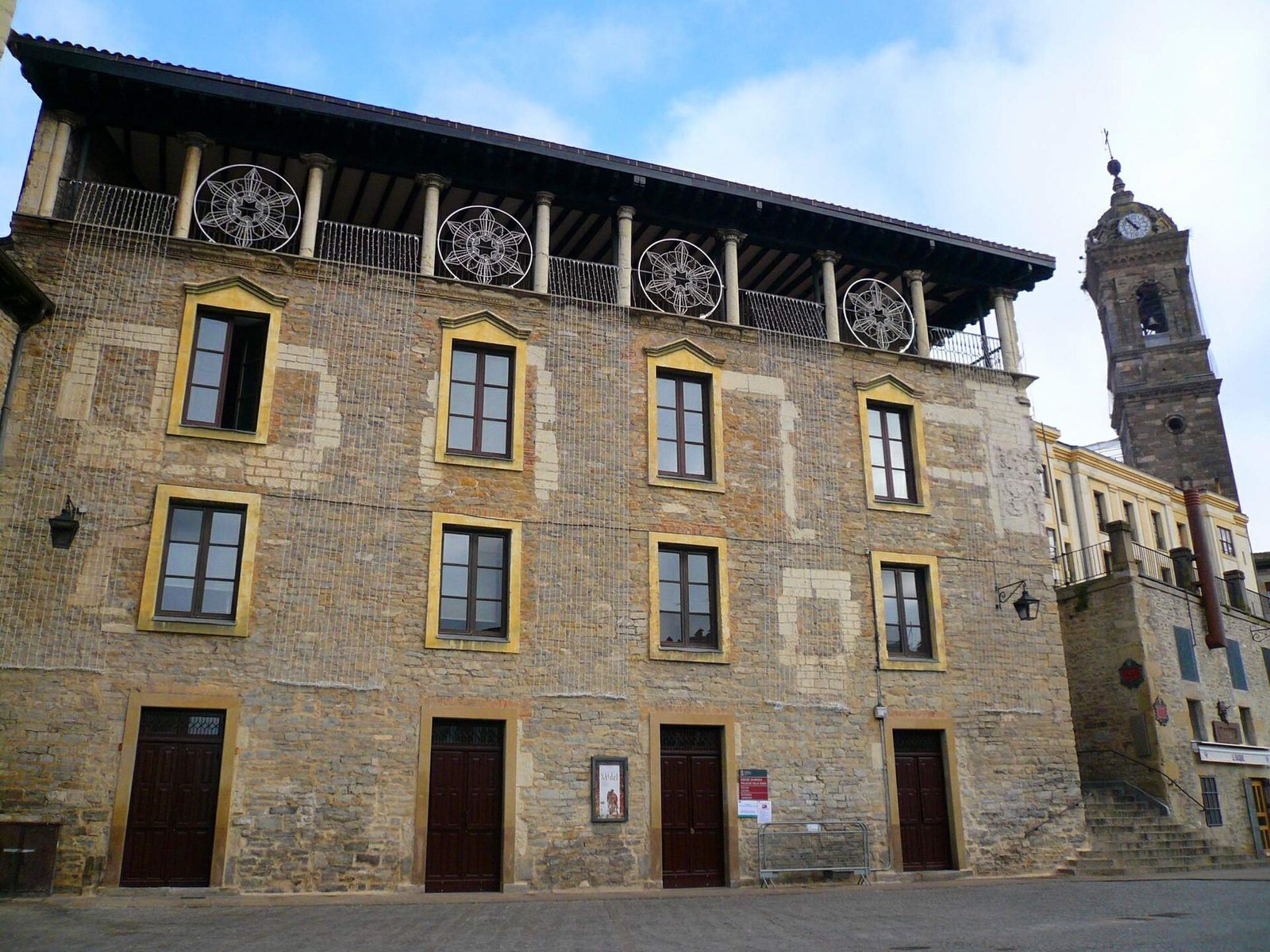
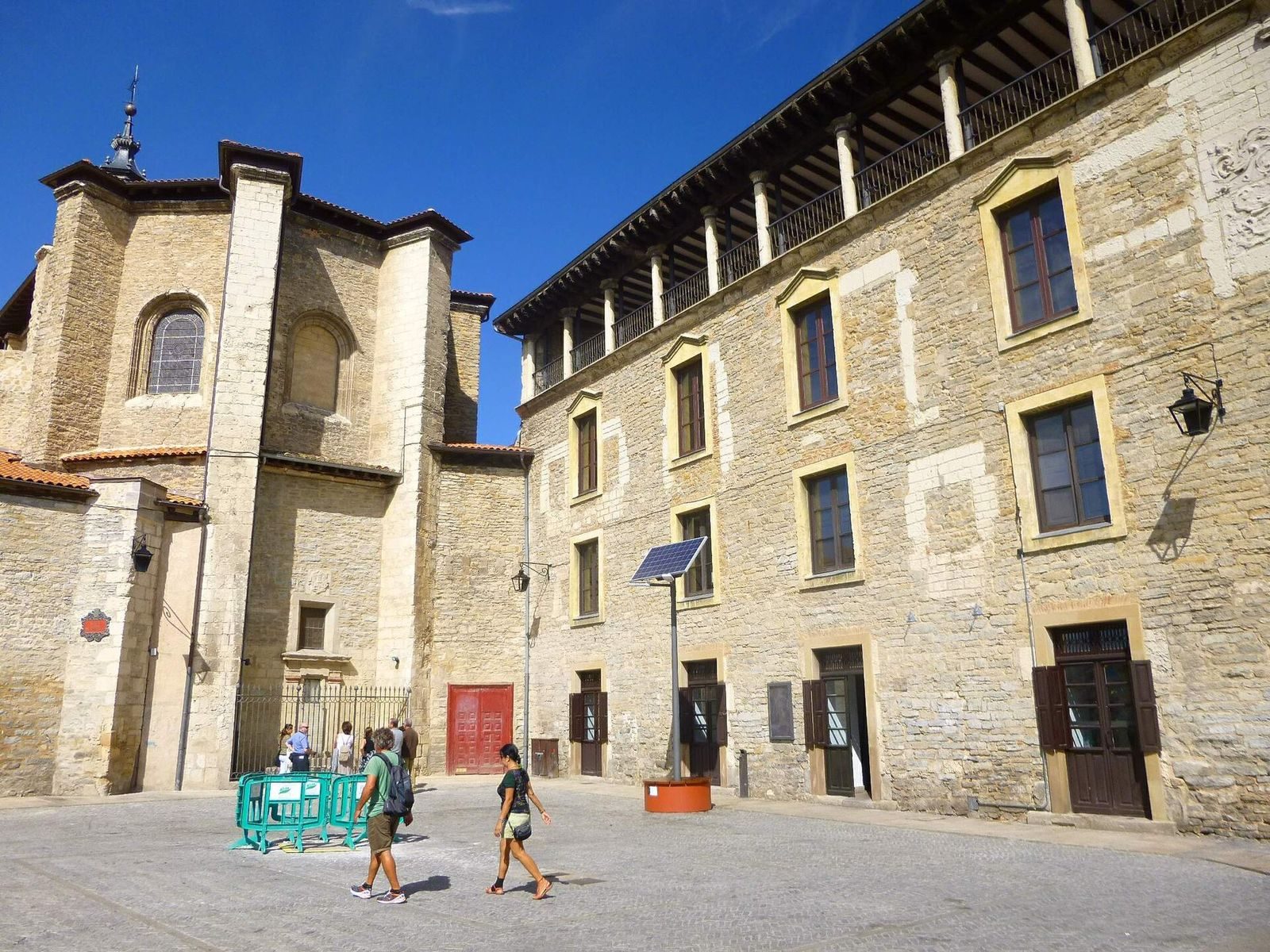
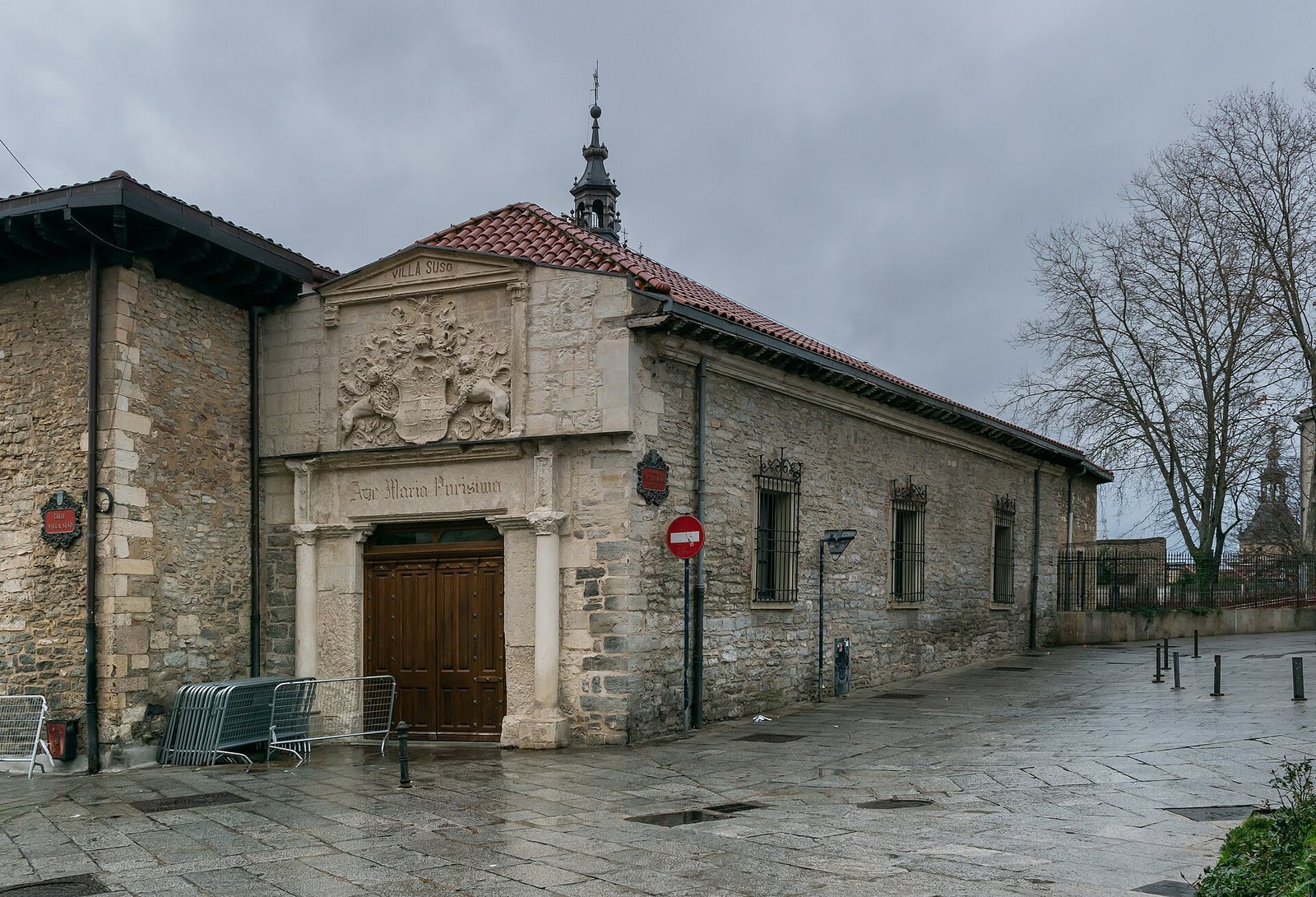
The palace stands on Plaza del Machete in Vitoria’s old town, between the churches of San Miguel and San Vicente. Its Renaissance architecture is expressed in a building that includes a staircase and tower, with heraldic displays on two facades.
Facades and heraldry
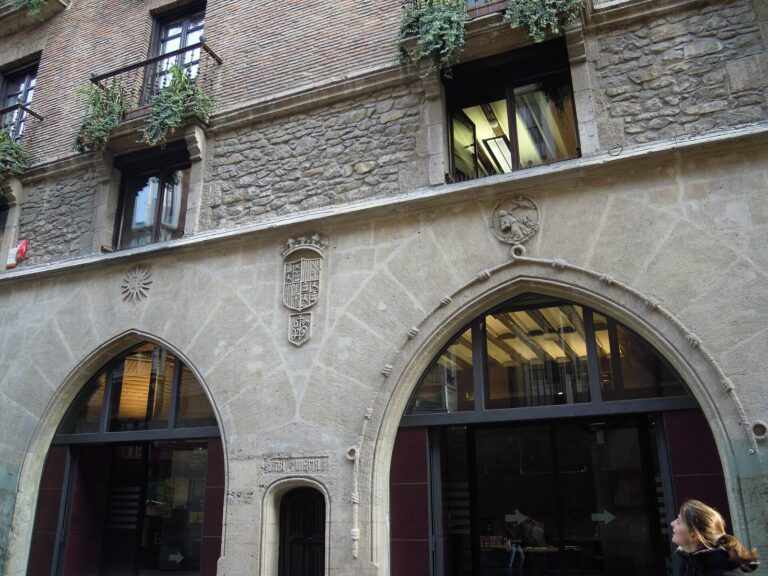
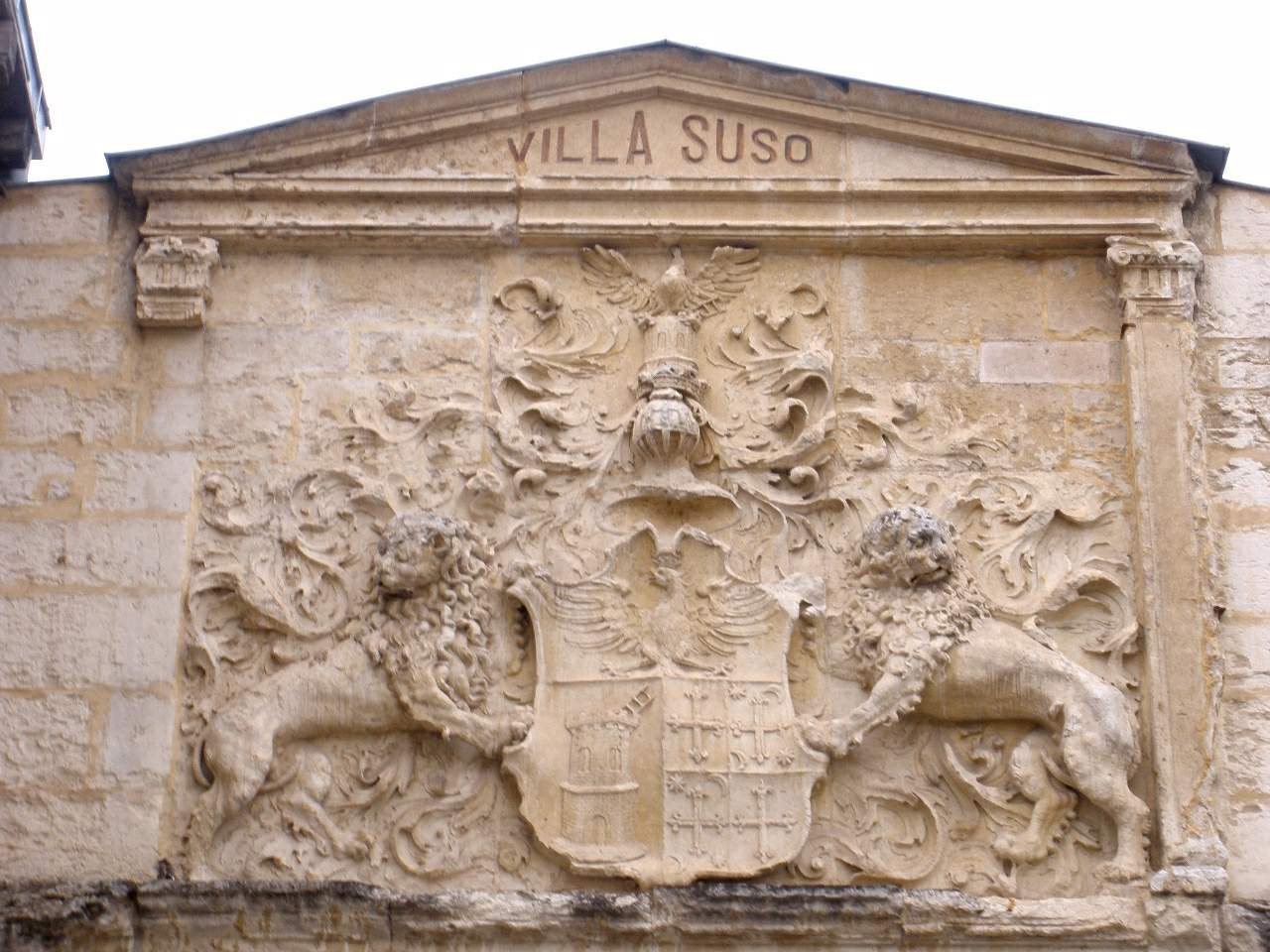
The palace’s coat of arms appears on the facade facing Plaza de Villa Suso and on the one facing Plaza del Machete, above the San Bartolomé stairs. The first and fourth quarters show a cross with fleur-de-lis-shaped ends and five heart-shaped leaves, associated with Adurza. The second and third quarters show a similar-ended cross with two stars and two crescents, associated with Bermeo. A crowned eagle in the arms reflects a grant from Ferdinand of Hungary.
Staircase and tower
The palace’s staircase and tower refer to Martín de Salinas’s grandfather, Juan de Salinas. Juan freed the fortress of San Vicente after it had been taken by the Calleja family.