Montehermoso Palace in Vitoria: A Historic Residence and Cultural Centre
Site at a Glance
- Popularity
- Medium
- Country
- Spain
- Primary era
- Early Modern
- Eras represented
- Early Modern, Modern
- Civilizations
- Crown of Castile, Habsburg, Habsburg Spain, Spanish
- Site type
- Domestic
- Remains
- Elite Residence
On this page8 sections
History
Foundation and noble residence
Montehermoso Palace is a Gothic-Renaissance palace in Vitoria, Spain, built in 1524 at the initiative of Hortuño Ibáñez de Aguirre and his wife, María de Esquível y Arratia. Aguirre belonged to the Royal Council of Castile, a central advisory and administrative body of the Spanish monarchy, and the Spanish Inquisition, a tribunal system established to enforce Catholic orthodoxy. The palace was first intended to house Dominican nuns, members of a Catholic order associated with preaching and teaching. After its completion, the family instead made it their private home and built the convent of Santa Cruz for the nuns.
The palace later became a regular overnight lodging for Spanish monarchs visiting Vitoria and also received members of the nobility. Its name comes from the Marquessate of Montehermoso, granted on 14 December 1714 to María Antonia de Salcedo y Echávarri, the widow of Vicente José de Aguirre y Zárate. The title recognized her work as governess to the children of Philip V, Spain’s first Bourbon king, and as a lady-in-waiting to his queen, Elisabeth Farnese. Her pupils included the future Louis I and Charles III.
About a century later, another Marquise of Montehermoso, María del Pilar Acedo y Sarriá, and her husband Ortuño de Aguirre y del Corral, the sixth Marquess, hosted Joseph Bonaparte at the palace. Napoleon’s brother, Joseph had been installed as king of Spain during the Napoleonic period.
Confiscation, military use, and diocesan headquarters
In 1816, following the return of Bourbon rule, Vitoria’s municipal government confiscated the palace and estate under a royal order transferring such properties to the Crown. The palace also suffered collapses that year. During the Third Carlist War, a Spanish dynastic conflict fought from 1872 to 1876, the building served as an artillery barracks.
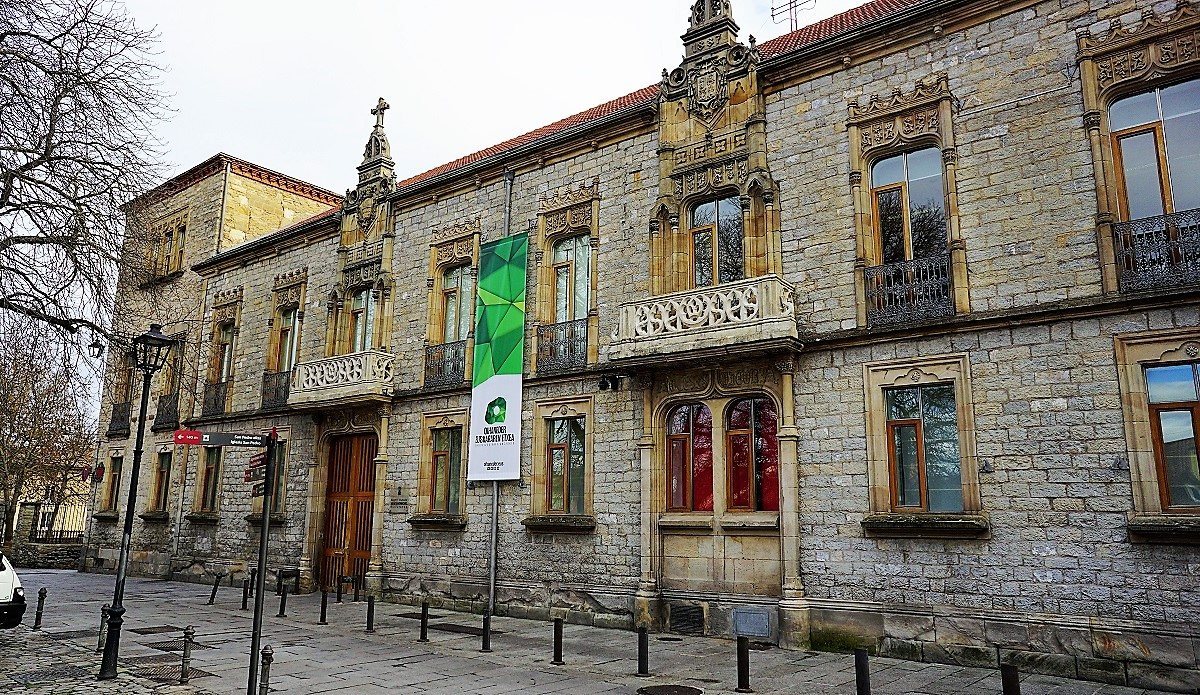
The Diocese of Vitoria acquired the palace in 1887 from its last owner, the Marquess of Amparo, and used it as the seat of the bishop’s administration. The diocese had the façade remodeled, and a further major renovation followed in 1928.
Municipal cultural centre
Vitoria’s municipal government bought the palace from the diocese in 1994, initially planning to use it for municipal offices. After restoration, the municipality opened it in 1997 as the Montehermoso Cultural Centre, a venue for contemporary art and culture that also promotes local artists. The centre’s expansion brought the former water reservoir into the complex through an underground connection.
Remains
The present complex combines the altered palace with a former water cistern linked to it below ground. Its spaces include the historic courtyard, exhibition and documentation areas, and facilities in the lower levels.
Palace and courtyard
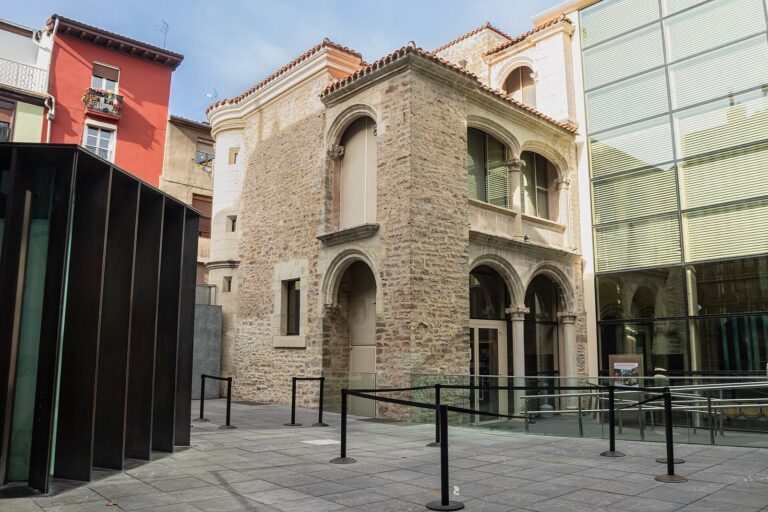
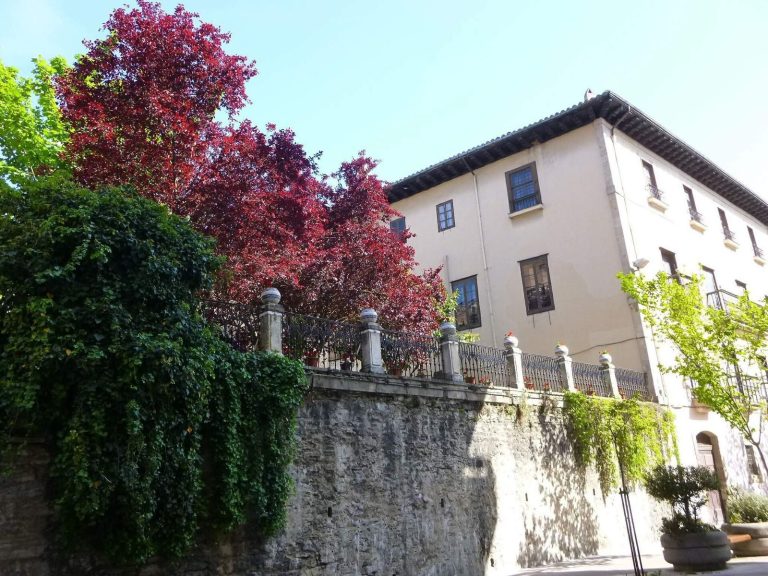
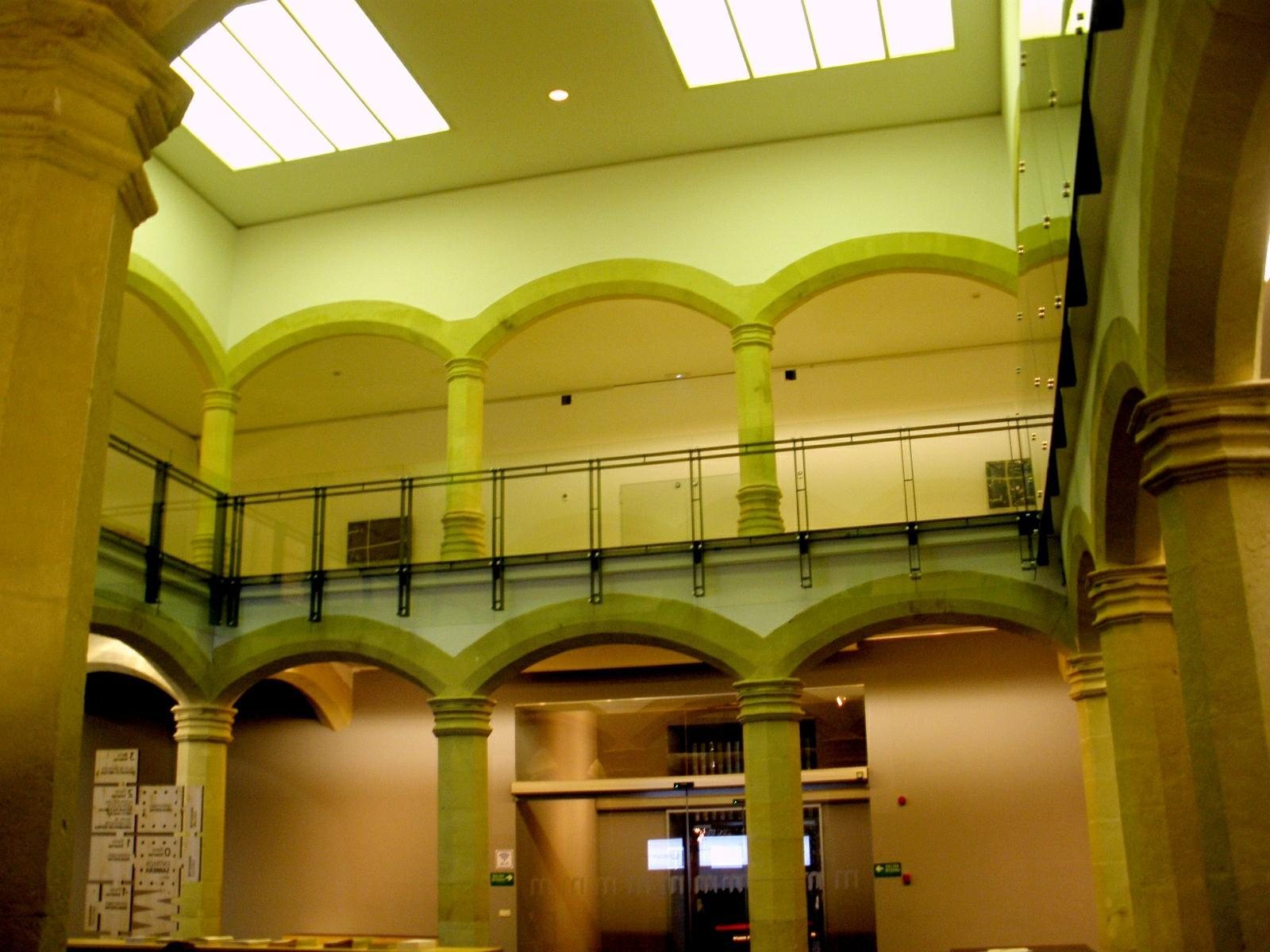
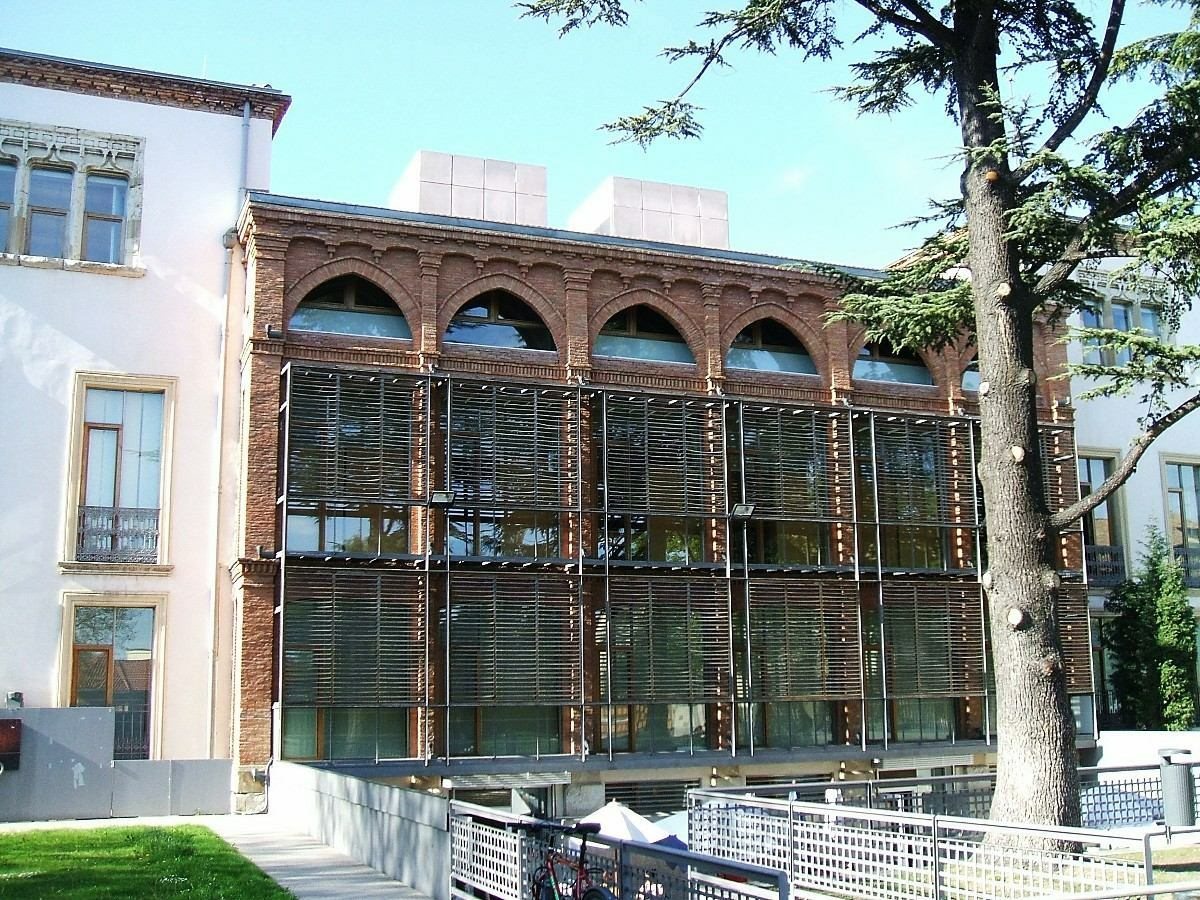
The palace stands in El Campillo, in Vitoria’s oldest and highest quarter. Extensive alterations have changed the building’s original Gothic-Renaissance character, while the remodeled façade has a Neo-Gothic appearance. Inside, a two-storey courtyard is formed with segmental arches, shallow curves flatter than semicircles. The courtyard now serves as a reception area and gives access to the exhibition rooms.
Former reservoir and lower levels
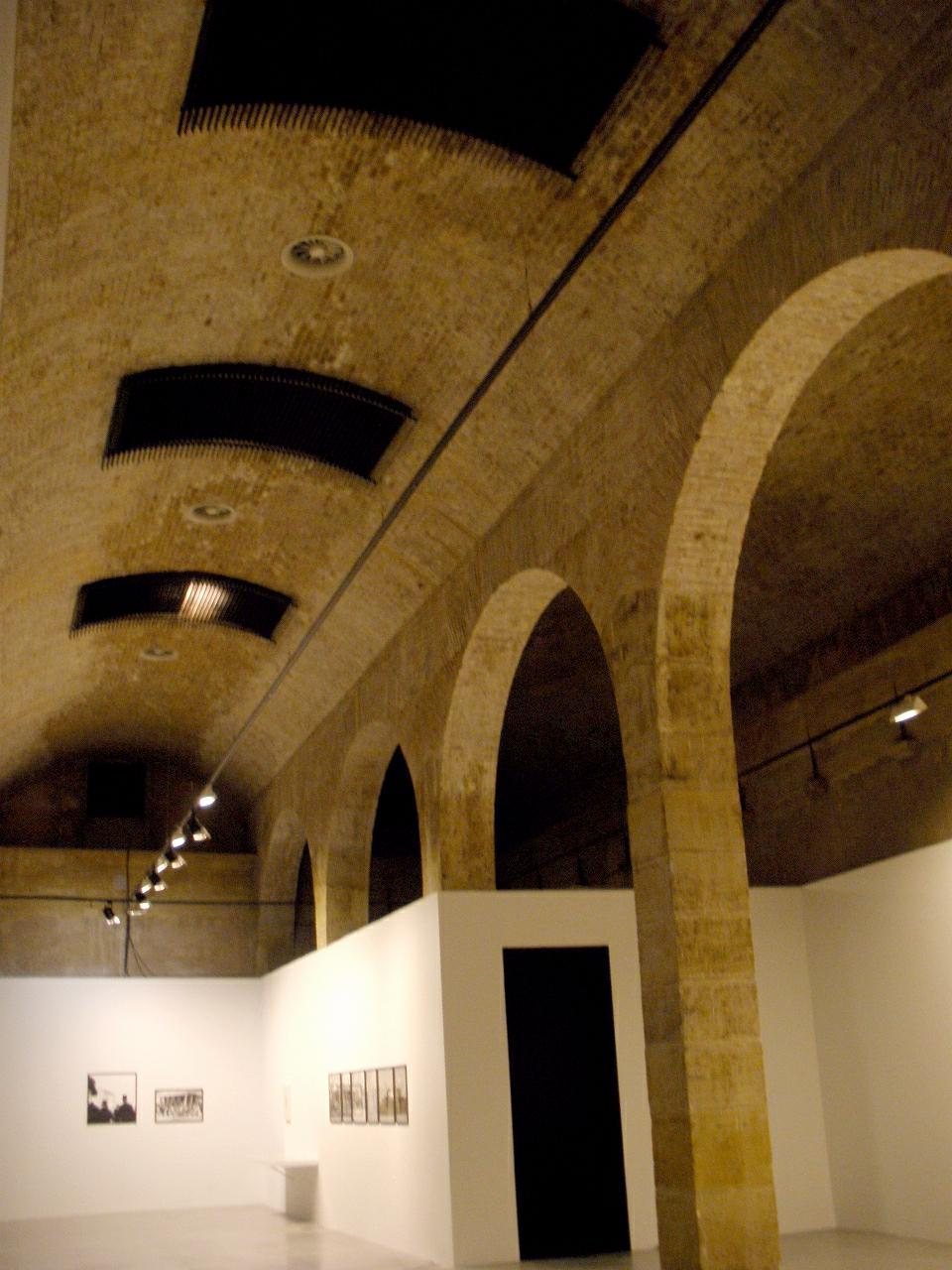
Built in 1895, the former Vitoria water reservoir is a cistern covering 1,365 square metres. It has been incorporated into the cultural-centre complex and is also known as Espacio Oihanederra. A broad ramp-tunnel, designed in a minimalist style and fitted with panels, provides access to the lower levels. The complex has 4,671 square metres of usable floor area.
Exhibition and support spaces
The complex includes the Sala Gaspar Melchor de Jovellanos, named for an eighteenth-century Spanish writer and statesman and used for projections. A media library administers collections in visual and multimedia arts, while a separate documentation centre focuses on visual arts. Other spaces include documentation rooms and multipurpose classrooms for courses, seminars, and workshops. A cafeteria has a terrace in the Jardín de Falerina.