Palace of Superunda: A Renaissance Palace and Museum in Ávila
Site at a Glance
- Popularity
- Medium
- Country
- Spain
- Primary era
- Early Modern
- Eras represented
- Early Modern
- Civilizations
- Crown of Castile, Spanish
- Site type
- Domestic
- Remains
- Elite Residence
On this page7 sections
History
Construction and early history
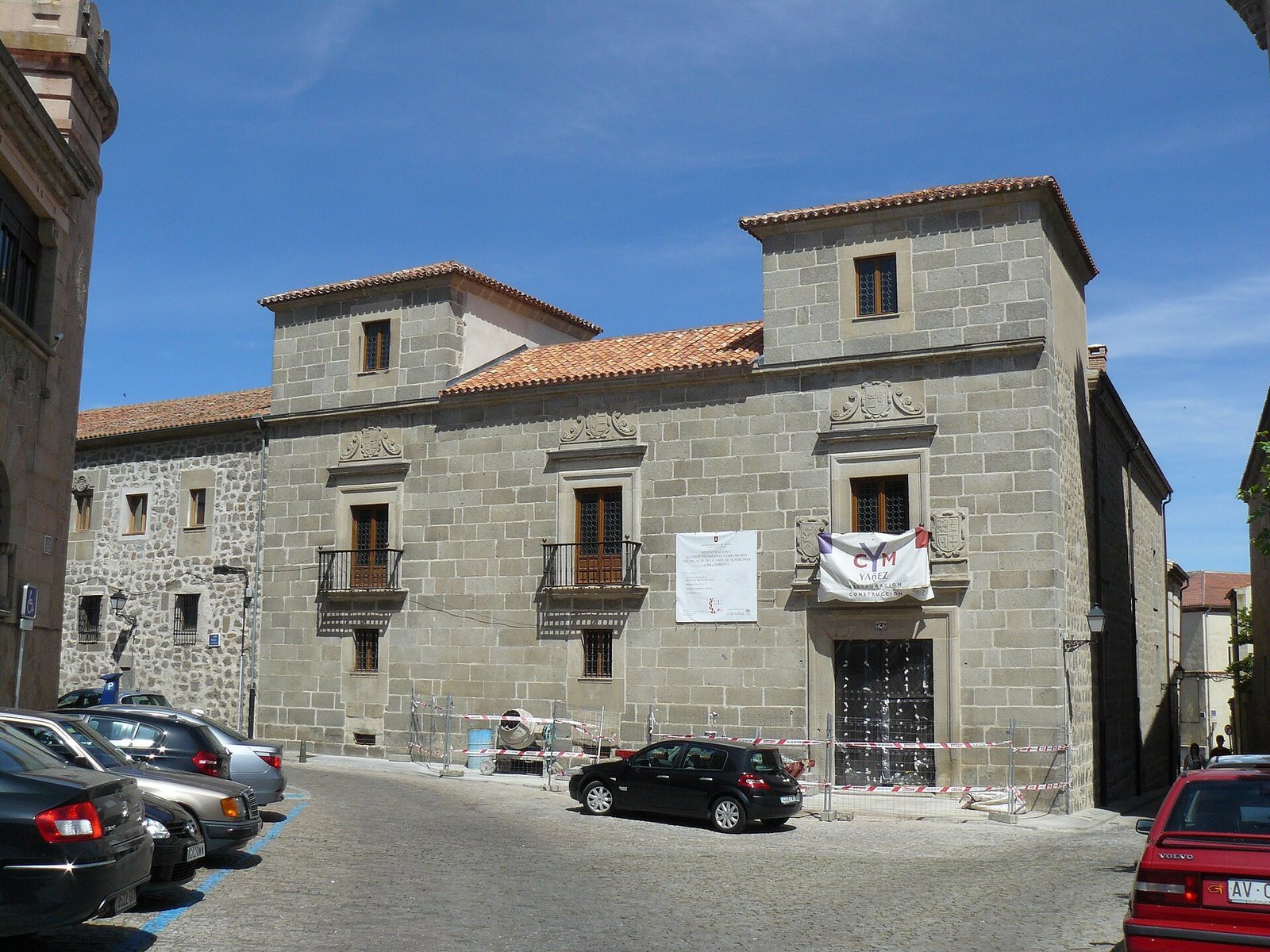
The Palace of Superunda is a sixteenth-century Renaissance palace of Italianate design in Ávila, Spain. Ochoa de Aguirre was its first resident. In 1595, stonemason Juan Vela carried out work on the façade.
Later ownership and use
The palace takes its name from the Count of Superunda and Marquis of Bermudo, a man holding two European noble ranks who had the opportunity to inherit it in the nineteenth century. In 1916, Italian painter Guido Caprotti acquired the building and lived there for many of the years he resided in Ávila. The palace now houses a museum with a section devoted to its history as a residence, retaining part of the house within the museum.
On 23 December 1992, the palace was declared an Asset of Cultural Interest, Spain’s designation for protected cultural property, in the monument category for historic buildings. The decree was published on 29 December 1992.
Remains
Exterior and plan
The palace stands within Ávila’s walled enclosure, near the Matadero and Rastro gates. It has a square plan, a semi-basement and two floors. Two towers at the ends of the main façade break its horizontal outline. The façade is broadly symmetrical, though the entrance is placed beneath one of the side towers. Three balconies occupy the upper level; beneath them are two small barred windows, the entrance and a window in each tower. Simple mouldings frame the openings, and coats of arms sit above the second-floor windows. The side façade repeats the regular arrangement of windows.
Courtyard and entrance hall
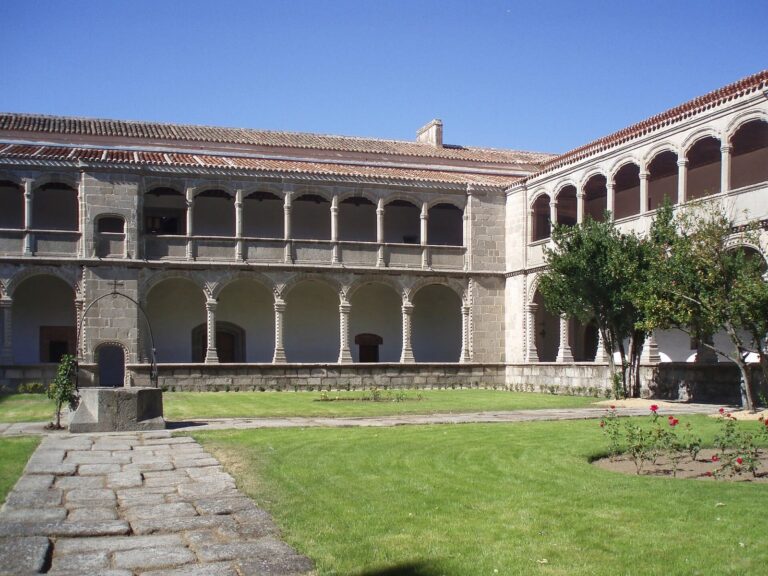
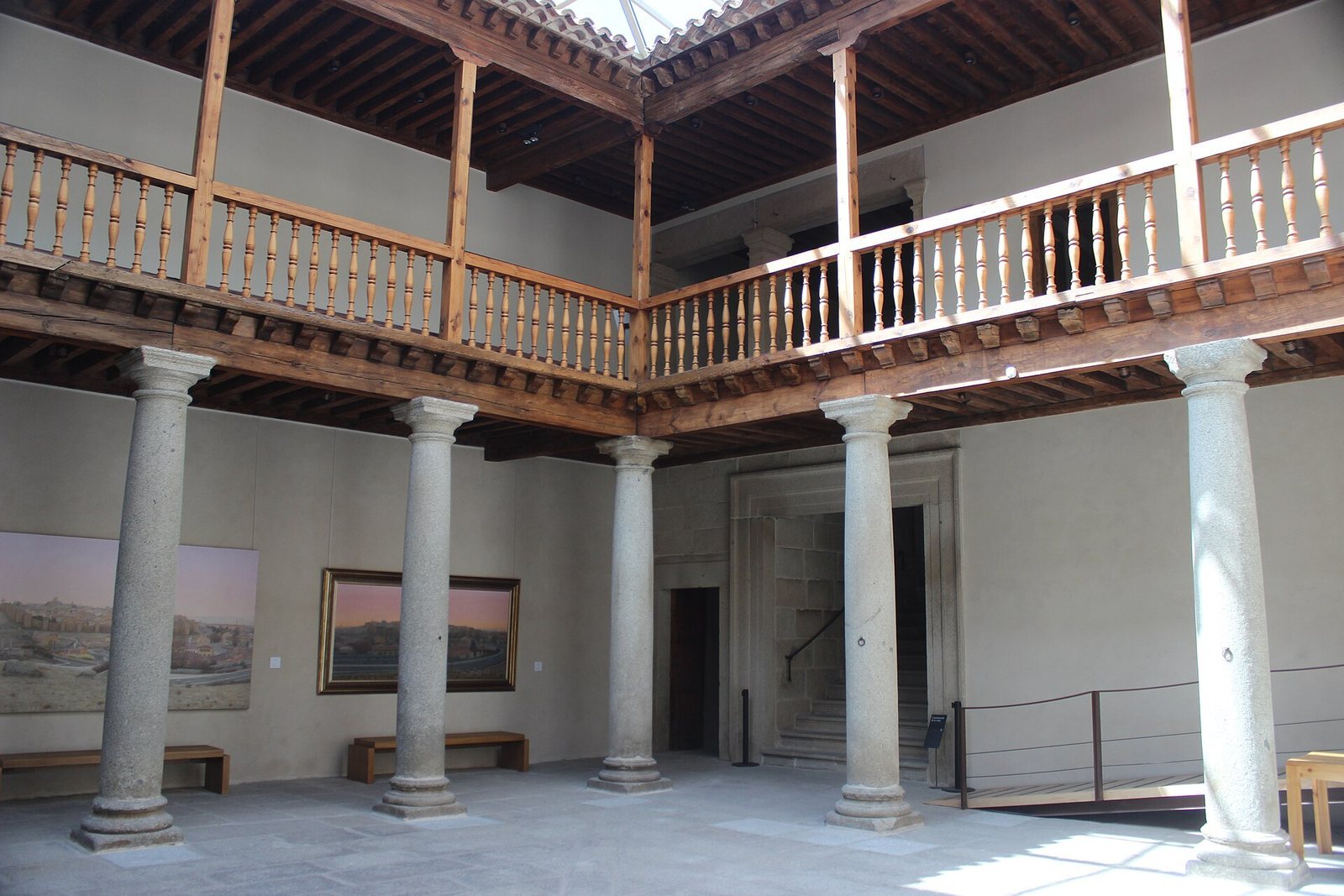
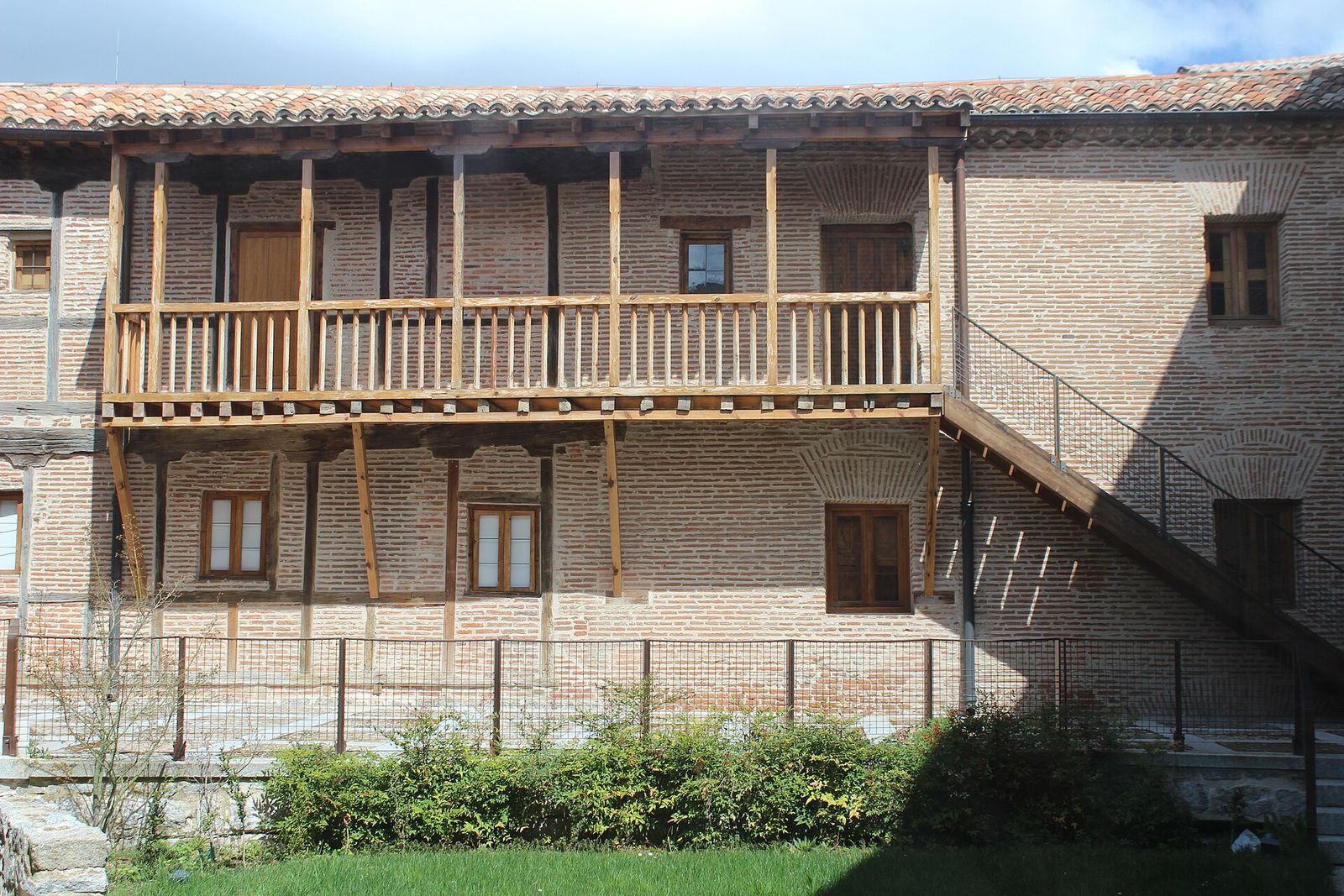
A square central courtyard is enclosed on two sides and open on the other two. Doric columns, a classical order with relatively plain capitals, support horizontal beams along the open sides. A cloister staircase, arranged around an open central space, begins at the courtyard. A broad entrance hall leads to it, with the access doors positioned off-center.
Museum collection
The museum displays a substantial collection of paintings by Caprotti, many depicting everyday life within Ávila’s walls and its inhabitants. The collection also includes sculptures by his son Óscar, a portrait by Joaquín Sorolla, and paintings of Ávila by Caprotti’s friend López Mezquita.