Palace in Zakrzewo: A 19th-Century Residence in Greater Poland
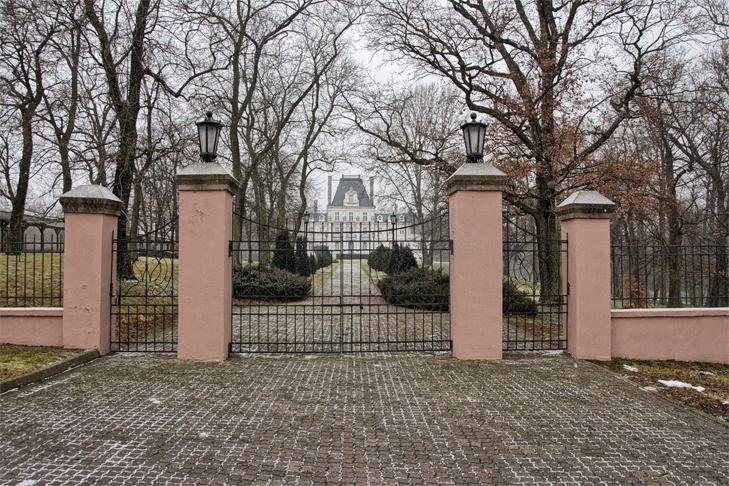
Site at a Glance
- Popularity
- Medium
- Country
- Poland
- Primary era
- Modern
- Eras represented
- Modern
- Civilizations
- German, Kingdom of Prussia
- Site type
- Domestic
- Remains
- Elite Residence
On this page9 sections
History
Construction and landscape
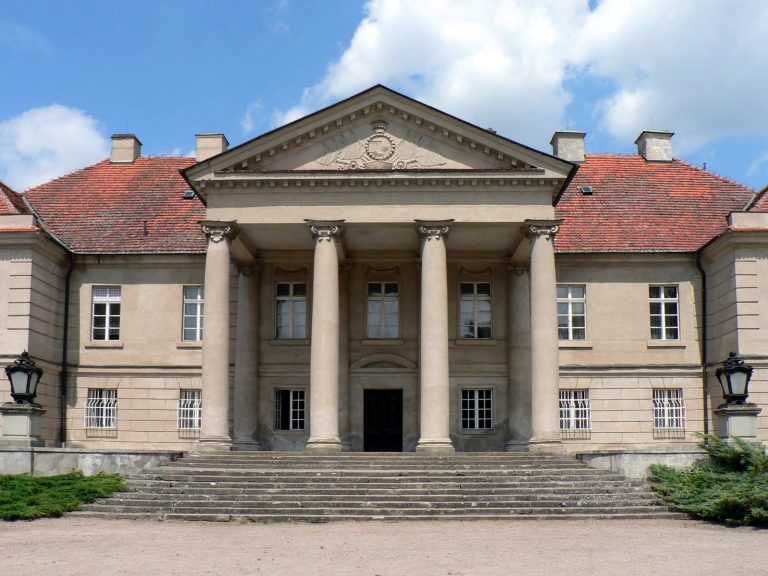
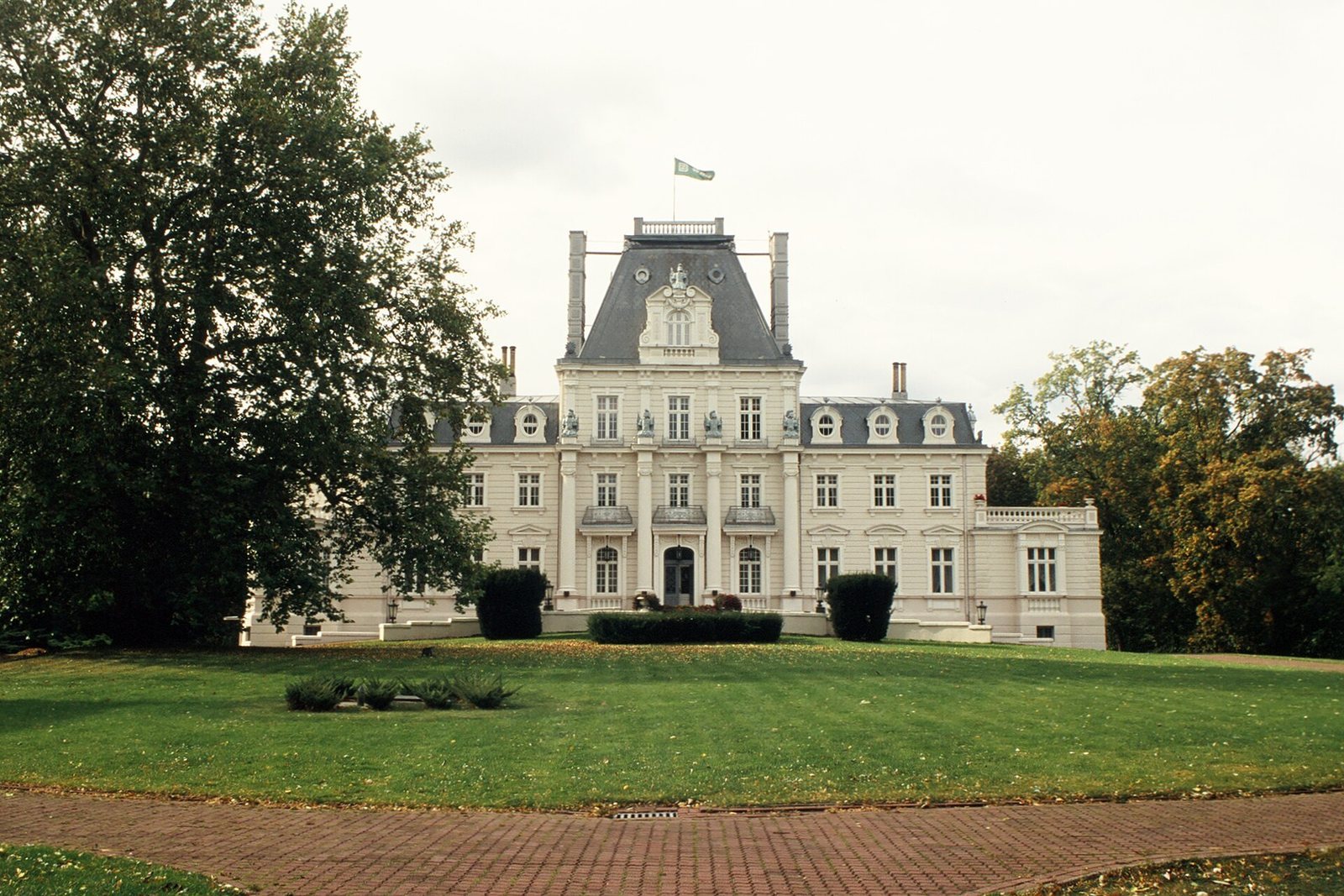
The Palace in Zakrzewo, in Greater Poland Voivodeship, Poland, was built on the site of an older manor, with construction beginning in 1870 or 1871 and finishing in 1872. Its owner, Count Albin Belina Węsierski, and Ludwik Ballenstaedt, a builder from Gniezno, visited an exhibition in Paris before undertaking the project. A landscape park had already been established by Augustyn Denizot, a gardener brought from France.
Occupation and postwar use
During the German occupation, the Chełmicki family, then owners of the palace, were expelled. In 1945 the building was looted, then adapted for summer holidays for children of the Cegielski Works, an industrial enterprise.
Restoration and later ownership
In 1978 the Rybno Wielkie State Agricultural Farm, a state-run agricultural enterprise, took over the palace. The ruined building passed to Wielkopolski Bank Kredytowy in 1990. A training center opened there in June 1991, and the restoration received a gold medal from the Minister of Culture and Art in 1992.
Santander Bank Polska later bought the palace from Wielkopolski Bank Kredytowy. It hosted employee training and meetings attended by business and political representatives from Poland and abroad. In 2021, a lawyer from Poznań bought the palace as a private individual.
Remains
Architecture and grounds
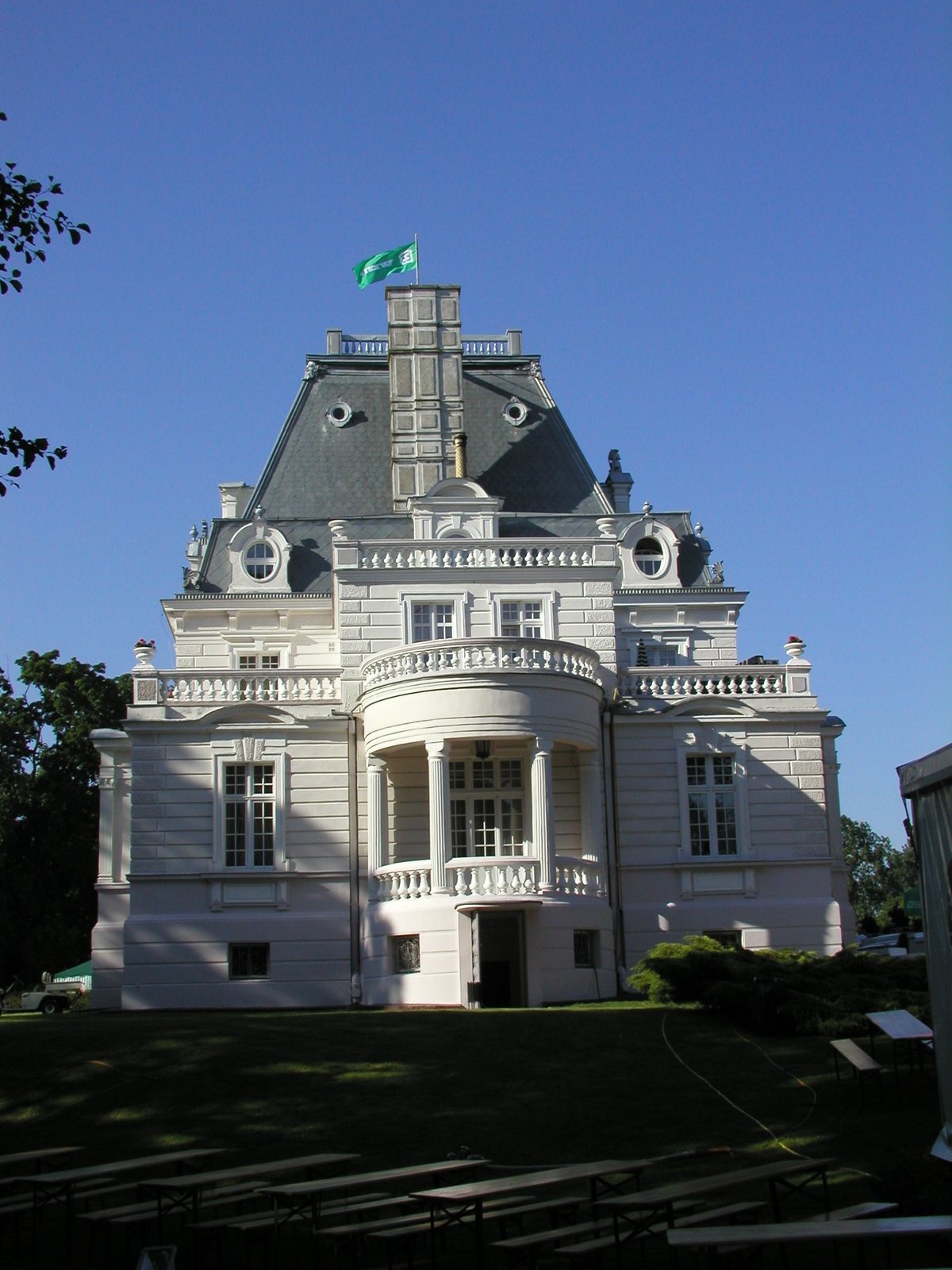
The site combines the palace with a landscape park behind it and two ancillary buildings beside it. The palace’s central section carries architectural and heraldic decoration.
Palace exterior
Ionic columns, classical columns with scroll-shaped capitals, decorate the central section and are topped by panoplies, decorative groupings of arms or armor. Above a roof window, a cartouche, an ornamental framed panel, bears the Belina coat of arms. The first-floor balcony balustrade carries a count’s coronet.
Park and outbuildings
The 16-hectare landscape park behind the palace has a pond in its central area and includes a stream. Beside the palace are a Neo-Gothic outbuilding, in a revival style drawing on medieval Gothic architecture, and the former coach house.
Former furnishings
Before 1939, the palace furnishings included Jan Piotr Norblin’s The Milkmaid and Peter Paul Rubens’s Le temps découvre la vérité (“Time Reveals the Truth”). Works by Michał Gorstkin-Wywiórski and Zofia Rudzka were also among the furnishings.