Mycielski Palace in Kobylepole, Poznań: A Nineteenth-Century Residence
Site at a Glance
- Popularity
- Medium
- Country
- Poland
- Primary era
- Modern
- Eras represented
- Modern
- Civilizations
- Kingdom of Prussia
- Site type
- Domestic
- Remains
- Elite Residence
On this page8 sections
History
Mycielski Palace was a residence in Kobylepole, Poznań, Poland, built by Count Józef Mycielski in 1842–1844 in the Tuscan villa style, drawing on Italian villa architecture. Friedrich August Stüler, a nineteenth-century Prussian architect, designed the building.
The estate and palace
A manor belonging to the Koźmiński family stood on the site before the palace. In 1759, Józef Mycielski became owner of the estate through his marriage to Franciszka Ksawera Koźmińska.
The palace’s interiors were completed by 1855. It remained Mycielski’s residence until the outbreak of the Second World War in 1939.
Wartime use and destruction
After German forces occupied the palace, it became an orphanage for children of Polish-German couples, Polish children intended for Germanization, meaning the imposition or promotion of German language and culture, and German orphans.
The palace burned in 1945, along with its richly furnished interiors. The cause is uncertain: it may have burned during wartime fighting, or Poles may have set it alight after the fighting ended.
Remains
The palace stood at the edge of a large clearing above the Cybina River valley, and its design drew on Tuscan villa architecture. The former building site is now an open area commonly called Mycielski Clearing.
Park and palace wall
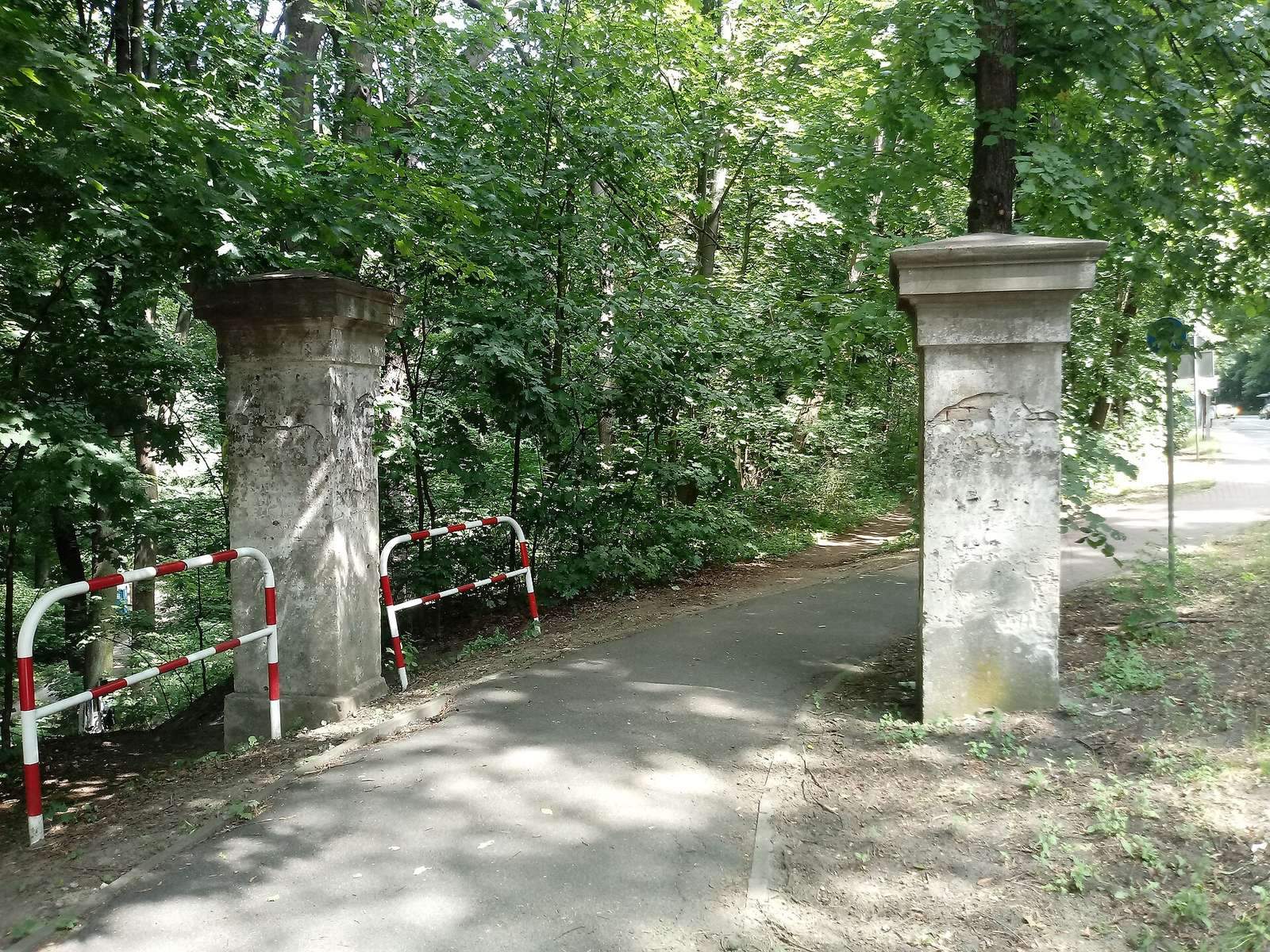
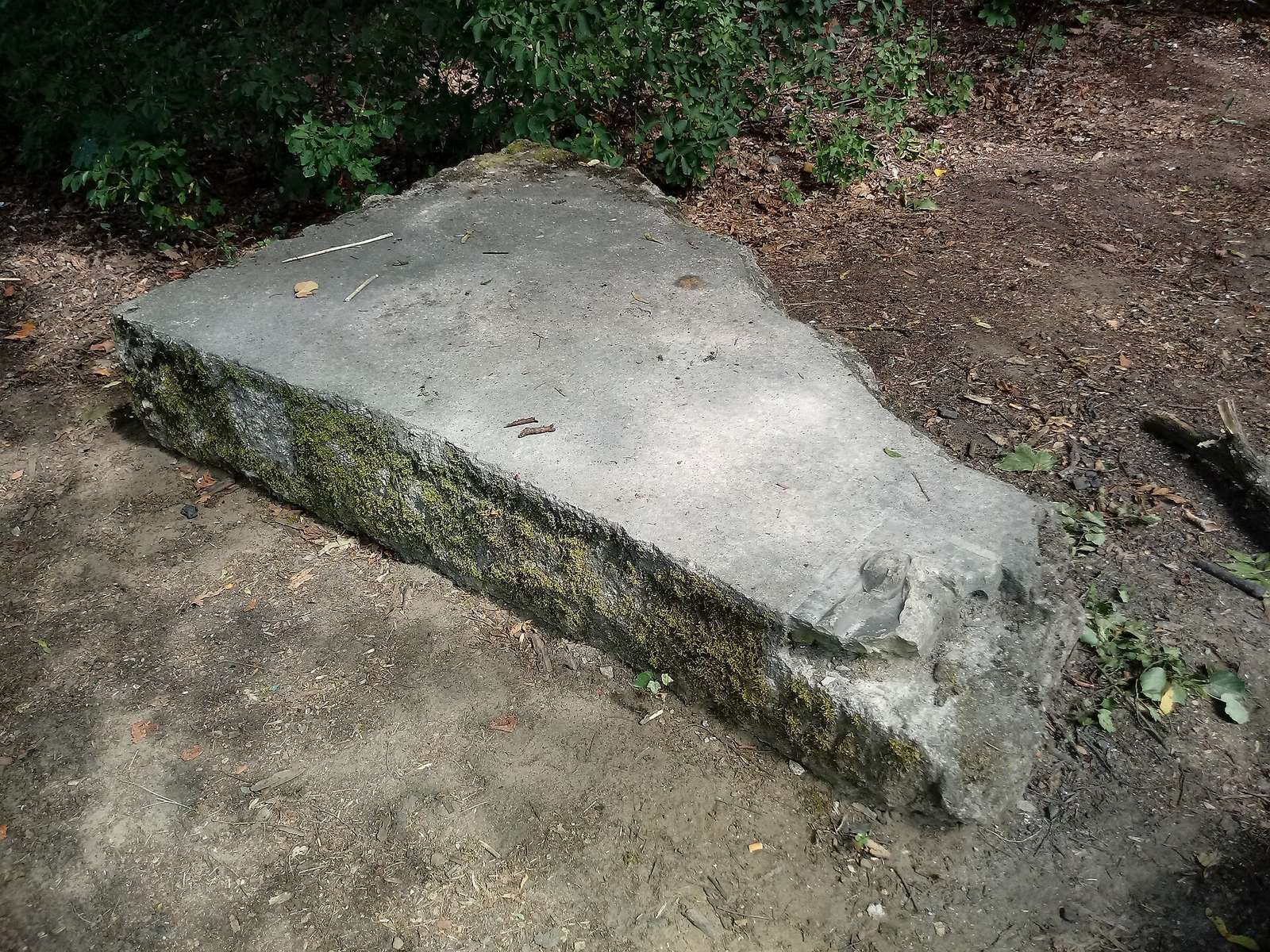
Part of the entrance gate to the palace park survives, along with fragments of the park. A fragment of palace wall bears what is probably the Dołęga coat of arms associated with Count Mycielski.
Reused and relocated features
Vestibule column
A column from the palace vestibule, or entrance hall, now forms the base of a nearby statue of the Virgin Mary.
Statue of Saint John of Nepomuk
A statue of Saint John of Nepomuk, a Bohemian priest revered as a Roman Catholic saint, was erected near the palace in 1694 with funding from Franciszek Skaławski. Mycielski had it restored in 1890. It survived the Second World War undamaged and was moved in 1957 to a site in front of the Archbishop’s Palace on Ostrów Tumski. The statue stands on a Rococo pedestal, in the ornate European style that developed in the eighteenth century, and originally faced what is now Archbishop Walenty Dymek Street.