Oremandsgaard: A Baroque Manor House and Estate in Denmark


Site at a Glance
- Rating
- 4.6
- Popularity
- Low
- Country
- Denmark
- Primary era
- Modern
- External website
- Open
- Eras represented
- Modern
- Civilizations
- Danish
- Site type
- Domestic
- Remains
- Manor House
On this page8 sections
History
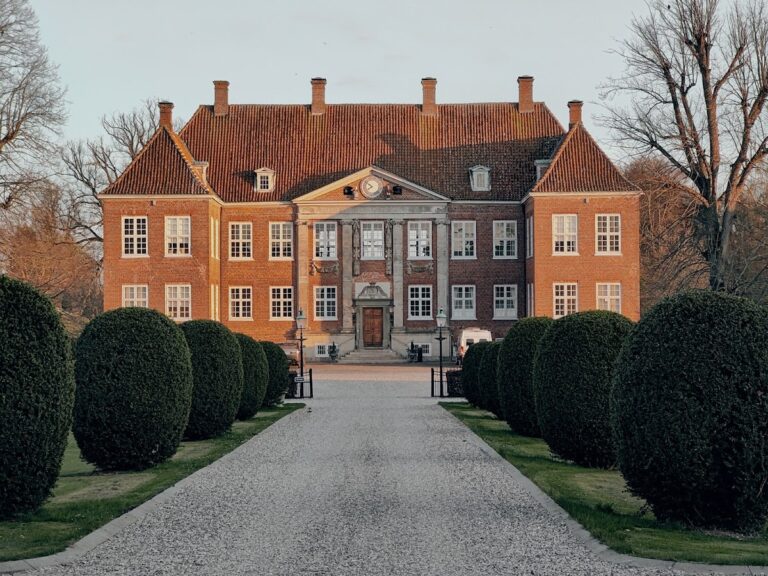
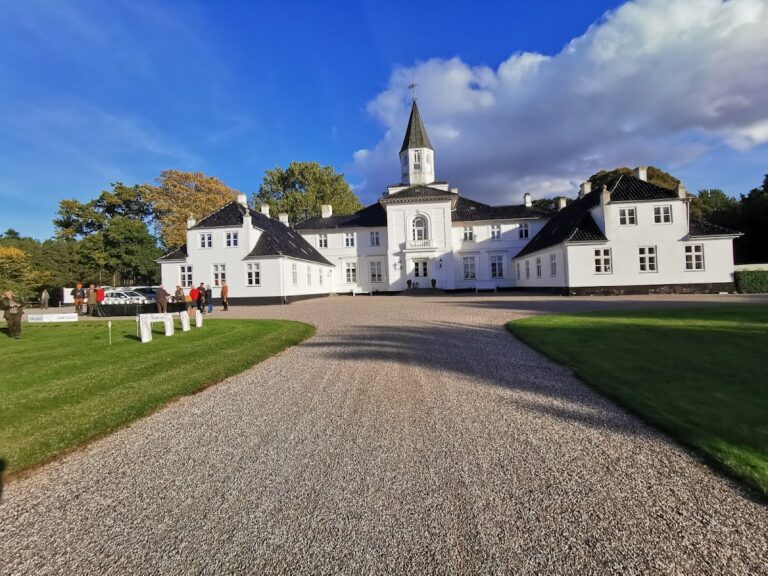
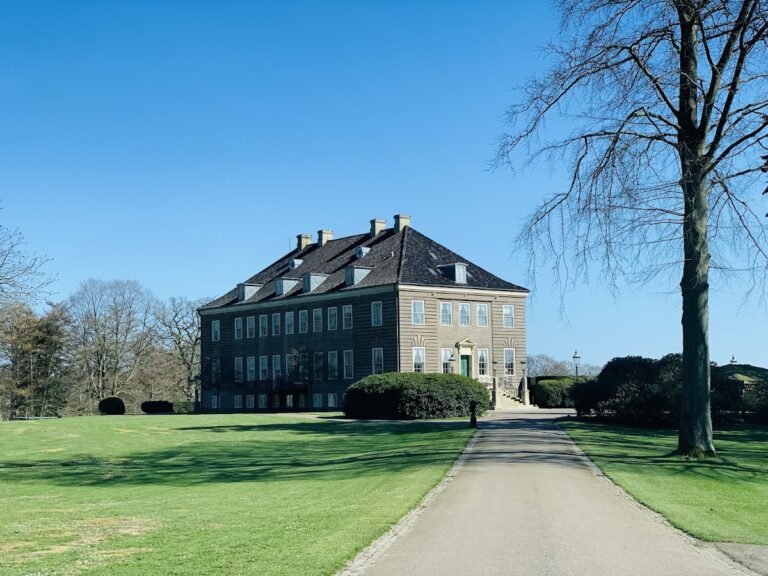
Oremandsgaard is a Baroque manor house and estate in Denmark, south of Præstø, whose documented history reaches back to the fourteenth century. Its present main building dates from 1933, when it was rebuilt after a fire.
Medieval origins and wartime destruction
Oremandsgaard first appears in a letter from 1356, when Peder Bekere ceded his farms and the village of Gederød to Valdemar IV, the fourteenth-century king of Denmark. The estate’s ownership may later have remained connected with the Crown, but continuity of royal ownership is uncertain.
The estate became part of the Vordingborg Cavalry District in 1721, a Danish administrative district organized to support and maintain cavalry forces. Its earlier main building is believed to have been destroyed during the Dano-Swedish War of 1658–1660, a conflict between Denmark-Norway and Sweden that caused destruction at estates and settlements in parts of Denmark. Rubble and weapons found in the surrounding fields, together with the destruction of nearby Jungshoved, support this interpretation.
Ownership in the eighteenth and early nineteenth centuries
In 1761, the Danish Crown presented Oremandsgaard and Jungshoved to Henrik Brockenhuus. He later acquired the larger Nysø Manor as well. In 1785, Oremandsgaard, Jungshoved, and Nysø were sold to Niels Lunde Reiersen, who had co-founded a successful trading house in 1775. The company participated in the Danish East and West Indies trade with its own merchant fleet.
Reiersen died unmarried and childless in 1795, leaving his estate to Det Reiersenske Fond. Oremandsgaard was sold to Hans Petersen in 1796. The estate was later divided into Ny Oremandsgaard and Gammel Oremandsgaard. Ny Oremandsgaard was completed in 1833.
In 1824, Oremandsgaard was sold to the Norwegian timber trader Peter Nicolaj Arbo. After his death, his wife, Anne Cathrine Arbo, retained the estate. As the couple had no children, she endowed it to her brother Peter Anker Collet, who served Danish foreign diplomacy in Stockholm and Constantinople.
The Hage family and agricultural reform
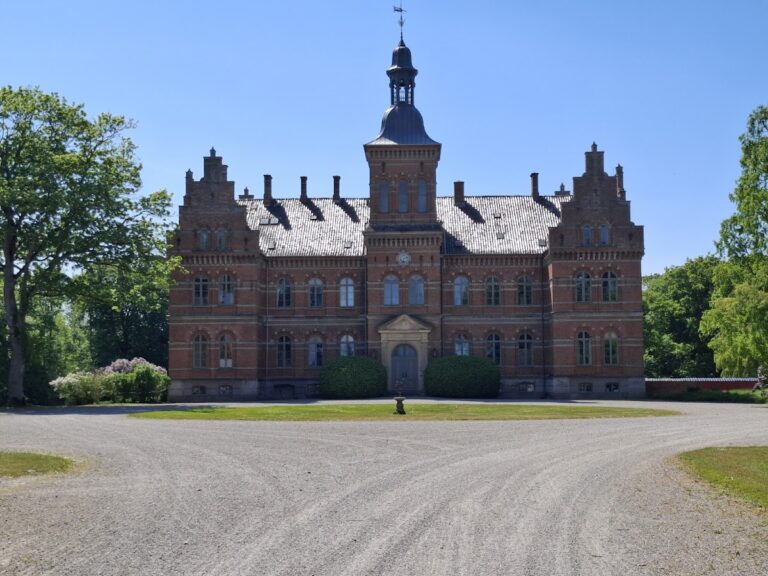
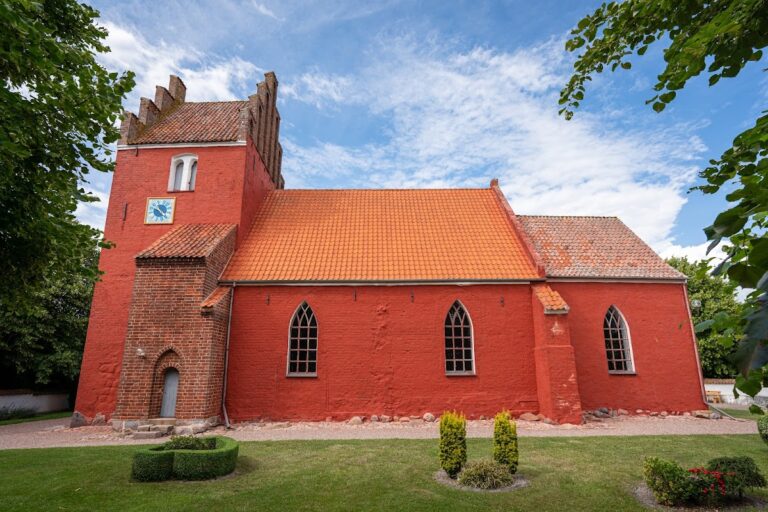
Alfred Hage purchased Ny Oremandsgaard, Gammel Oremandsgaard, Allerslev Church, and 139 tenant farms in 1861. A tenant farm was an agricultural holding worked by a tenant who paid rent or performed obligations to the estate owner. Hage demolished the existing buildings and constructed a new main building on the Ny Oremandsgaard estate. Oremandsgaard passed to his son, Alfred Peter Anton Hage, in 1872.
During the 1890s, Alfred Peter Anton Hage began converting the estate’s tenant farms into freeholds, transferring ownership to the farmers themselves. The process was completed in 1919, making Oremandsgaard one of the last Danish estates to retain tenant farms. The Hage family was also associated with the construction of schools and hospitals and with financial assistance for sick people.
Daniel Hage took over Oremandsgaard in 1963, when he was 25, and became a pioneer of organic farming in Denmark. The estate remains in Hage family ownership and is held by the fifth generation of the family. Oremandsgaard is among Denmark’s oldest organically farmed estates and hosts an annual week-long chamber-music festival in late July, featuring young musicians from Denmark and other countries.
Remains
Oremandsgaard comprises a Baroque manor estate with a principal building, the two estates created by its division, additional rented buildings, farmland, and woodland. In 2011, the estate covered 788 hectares, including 420 hectares of farmland and 362 hectares of woodland.
Manor buildings and estate divisions
Ny Oremandsgaard
Ny Oremandsgaard, the “New” estate formed when Oremandsgaard was divided, is recorded as completed in 1833. It was the estate on which Alfred Hage later constructed a new main building after demolishing the existing buildings in 1861.
Current main building
The current main building belongs to the estate’s Baroque architectural character and dates from 1933. It was rebuilt after a fire that year. The estate also includes 20 additional buildings that are rented out.
Nearby sites