Ongar Castle: A Medieval Motte-and-Bailey Castle in Essex
Site at a Glance
- Popularity
- Medium
- Country
- United Kingdom
- Primary era
- Medieval
- Eras represented
- Medieval, Early Modern
- Civilizations
- British, Norman
- Site type
- Military
- Remains
- Castle
On this page6 sections
History
Ongar Castle is a motte-and-bailey castle at Chipping Ongar, Essex, in the United Kingdom. This form combines a raised earth mound with one or more enclosed courtyards. The castle dates to the late 11th or early 12th century. Its name is linked to a root also found in the German word Anger, meaning grassland.
Early castle
Eustace II, Count of Boulogne, may have built the castle after gaining the manor of Ongar in 1086. Around that time, a stone keep was constructed on the mound.
A stone tower was added in 1150. King Henry II visited in 1157, when Richard de Lucy, a senior royal official, held the castle.
Medieval and Tudor changes
In November 1483, King Richard III seized the keep after Henry Stafford, 2nd Duke of Buckingham, was executed for treason. In 1541, King Henry VIII granted the property to William Morice.
Between 1558 and 1579, Morice pulled down the keep and replaced it with a brick building, which was later destroyed in the 18th century. He also built a stone manor house, where Queen Elizabeth I was entertained in 1579. The manor house was demolished in 1774 and replaced by a summer house.
Remains
Earthworks and enclosure
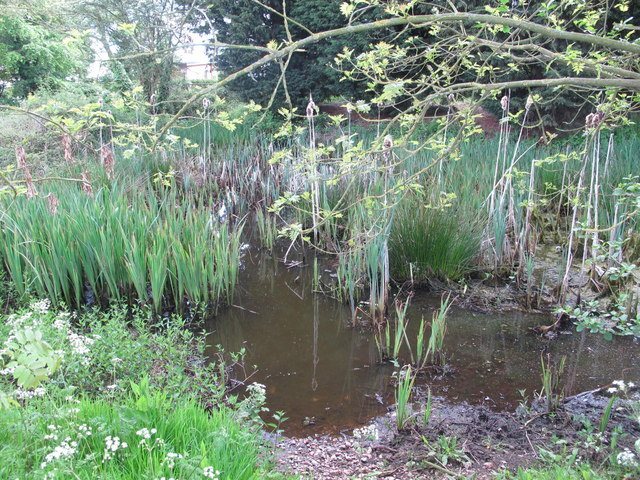
The castle’s earthworks follow a motte-and-bailey plan and were formed using earth, timber, and stone. The mound is about 70 metres across at its base and is encircled by a wet ditch up to 15 metres wide. Trees cover the mound. A kidney-shaped inner courtyard lies to its west, while a second courtyard is situated to the east. Remains of the town enclosure embankment extend westward.
Masonry and later remains
The surviving remains include one block of masonry and traces of the summer house. Excavations in 1881 exposed four flint arches and a large masonry block, probably associated with a post that supported a floor above. An Anglo-Saxon spearhead was also found at the site.