Castillo de Aracena: A Medieval Fortress and Church Complex in Spain


Site at a Glance
- Rating
- 4
- Popularity
- Medium
- Country
- Spain
- Primary era
- Medieval
- External website
- Open
- Eras represented
- Medieval, Early Modern
- Civilizations
- Almohad, Crusader, Knights Templar
- Site type
- Military
- Remains
- Castle
On this page5 sections
History
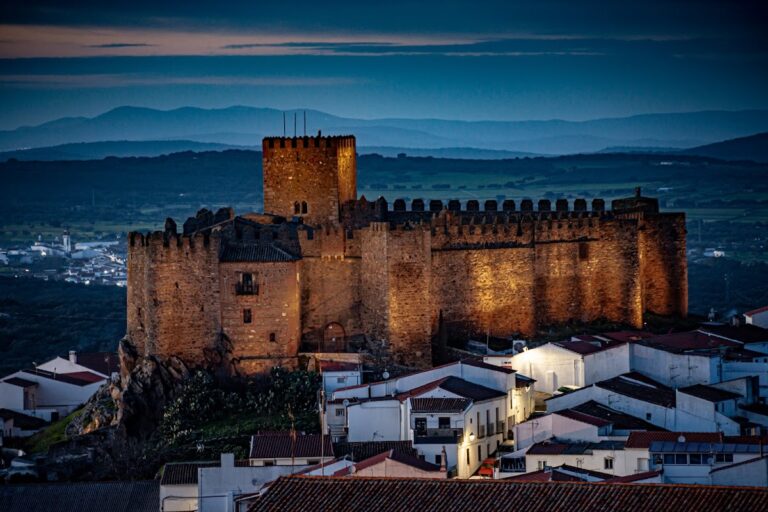
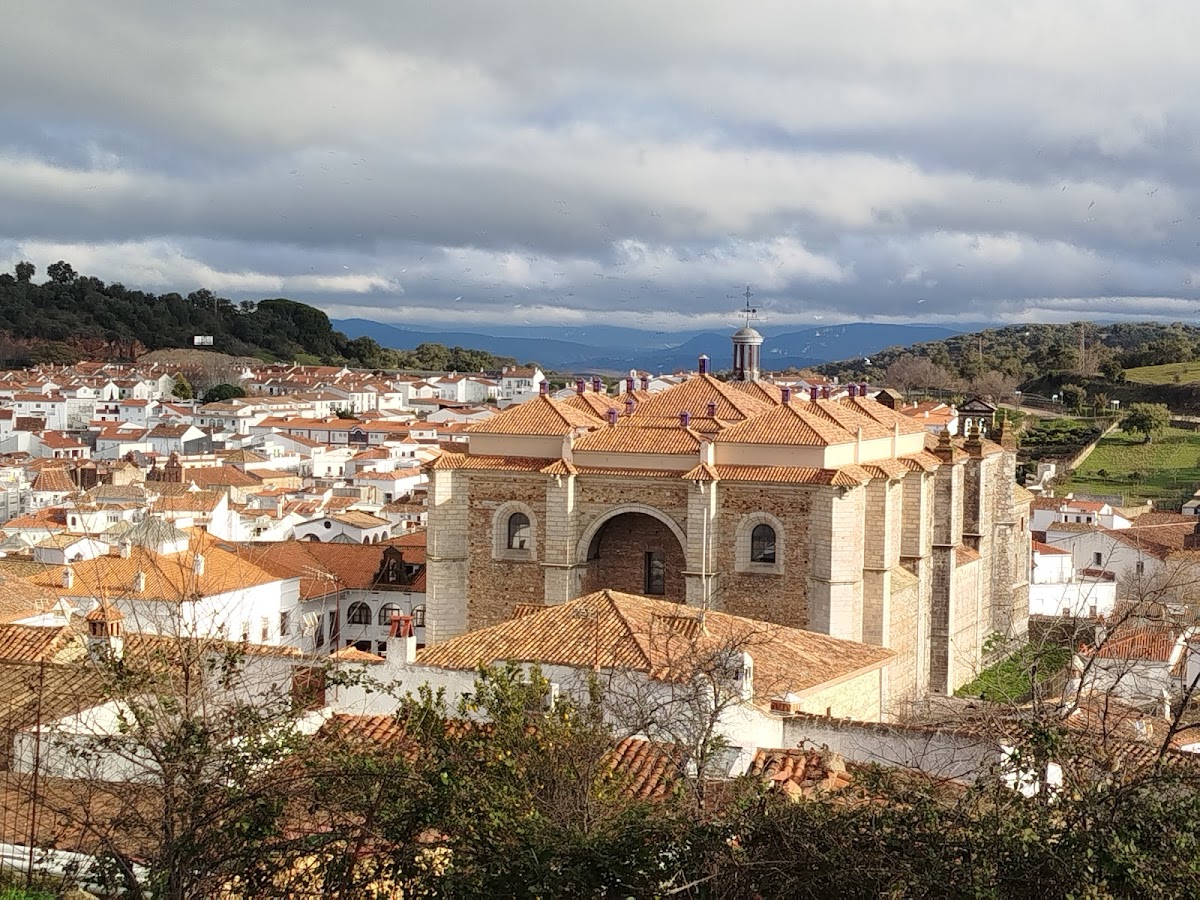
Castillo de Aracena is a medieval fortress complex in Spain, erected during the Islamic period in the thirteenth century over an earlier Muslim fortified structure. Its castle hill shaped the growth of Aracena as the settlement expanded toward the valley during the Late Middle Ages and the early modern period.
From royal domain to lordship
Aracena initially formed part of the royal domain dependent on Seville. The Crown of Castile later ceded the town to the Order of the Temple, a medieval religious-military order involved in protecting pilgrims and maintaining Christian territories. In the seventeenth century, Aracena became a lordship under the jurisdiction of the Count-Duke of Olivares. It subsequently passed to the Count of Altamira, who used the title Prince of Aracena.
The church and its medieval development
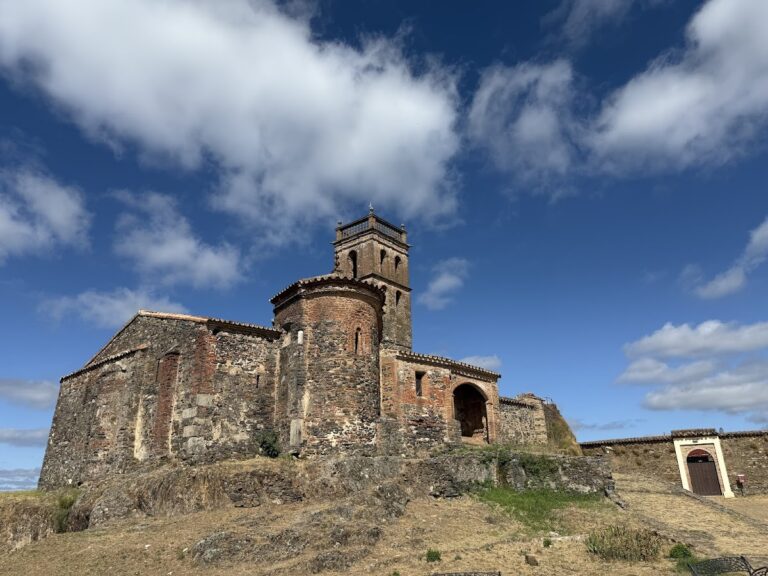
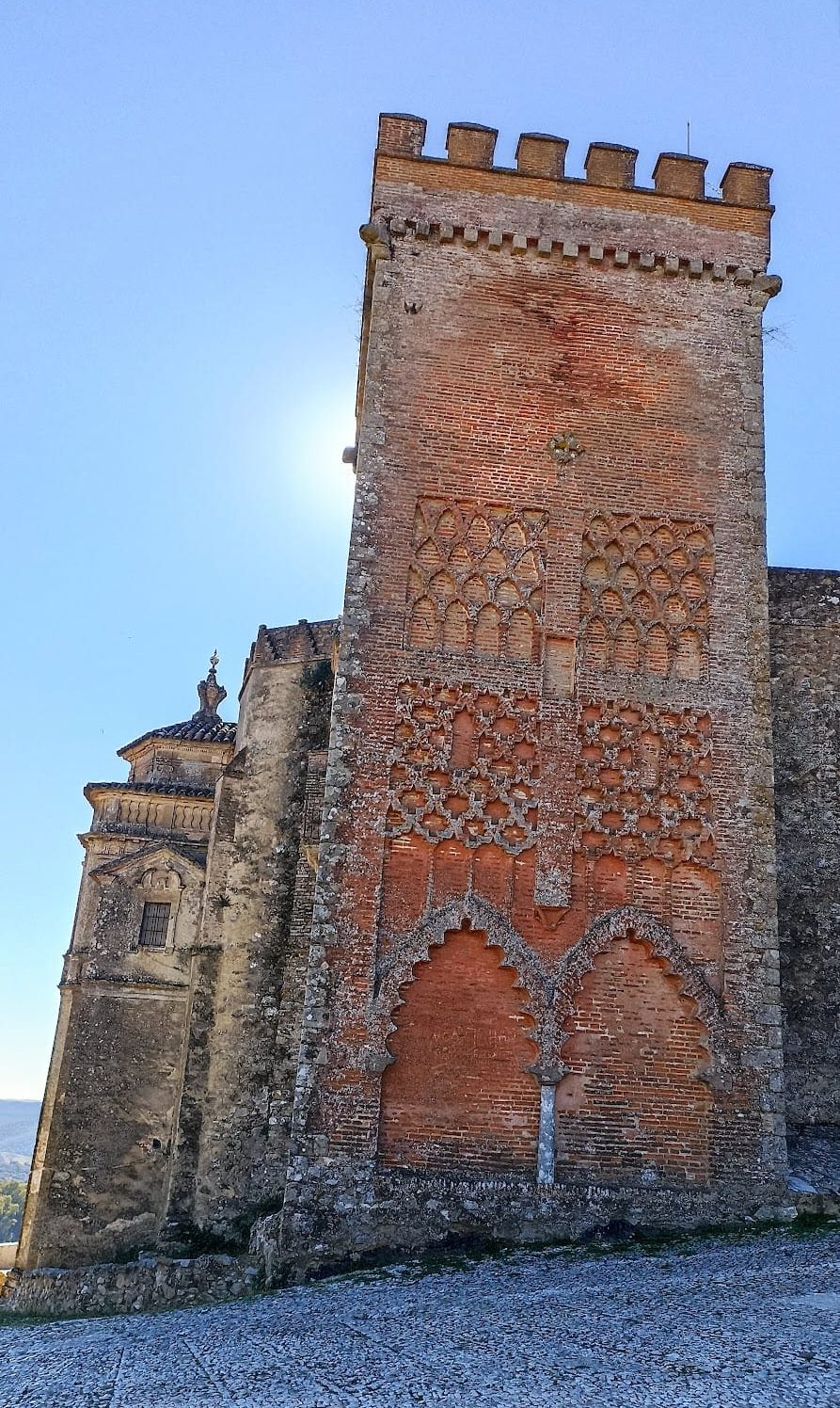
The Templars commissioned the Mudéjar church associated with the castle, dedicated to the town’s patron saint, Our Lady of Sorrows. Mudéjar architecture developed in Christian-ruled territories under strong Islamic artistic influence, often through the work of Muslim craftsmen. Construction probably began at the end of the thirteenth century, but work was suspended during the fourteenth century. Building resumed at the beginning of the fifteenth century and continued throughout that century, with a clear influence from Seville Cathedral.
The castle and its associated remains are protected as a Spanish Asset of Cultural Interest monument. The heritage-register designation dates from 29 June 1985, under register code RI-51-0007831.
Remains
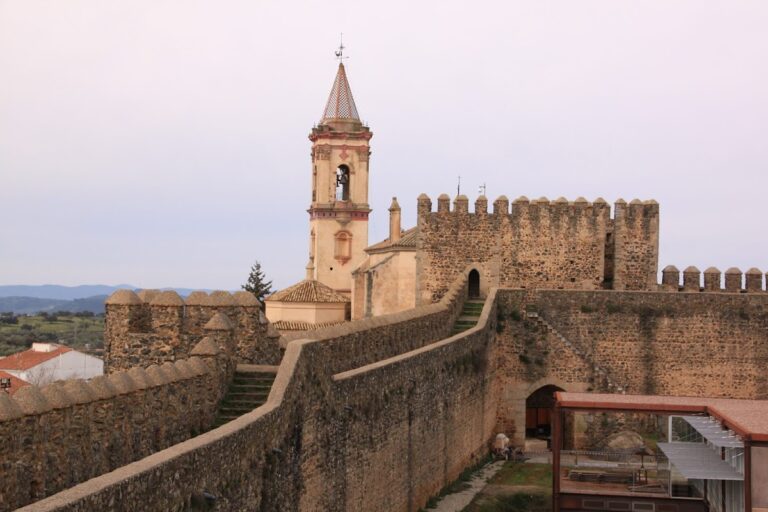
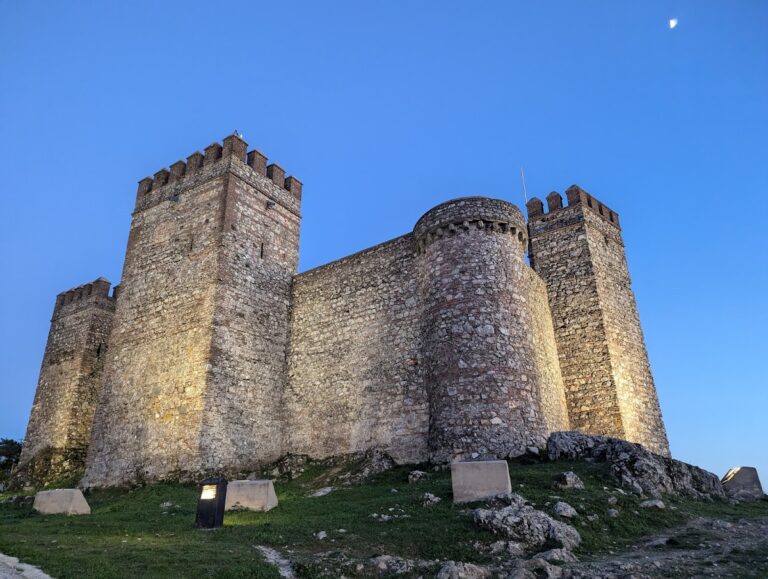
The complex occupies the castle hill and combines a fortified enclosure with the church of Our Lady of Sorrows. The fortress was divided into two internal sections, separated by a barrier defended by a keep. Around it, the settlement developed on the hill and contributed to the urban landscape of present-day Aracena. The surviving complex includes an alcazaba, or fortified citadel, a castle governor’s tower, a cistern for collecting and storing water, and curtain walls strengthened by towers. A further enclosing line contained medieval houses.
Church of Our Lady of Sorrows
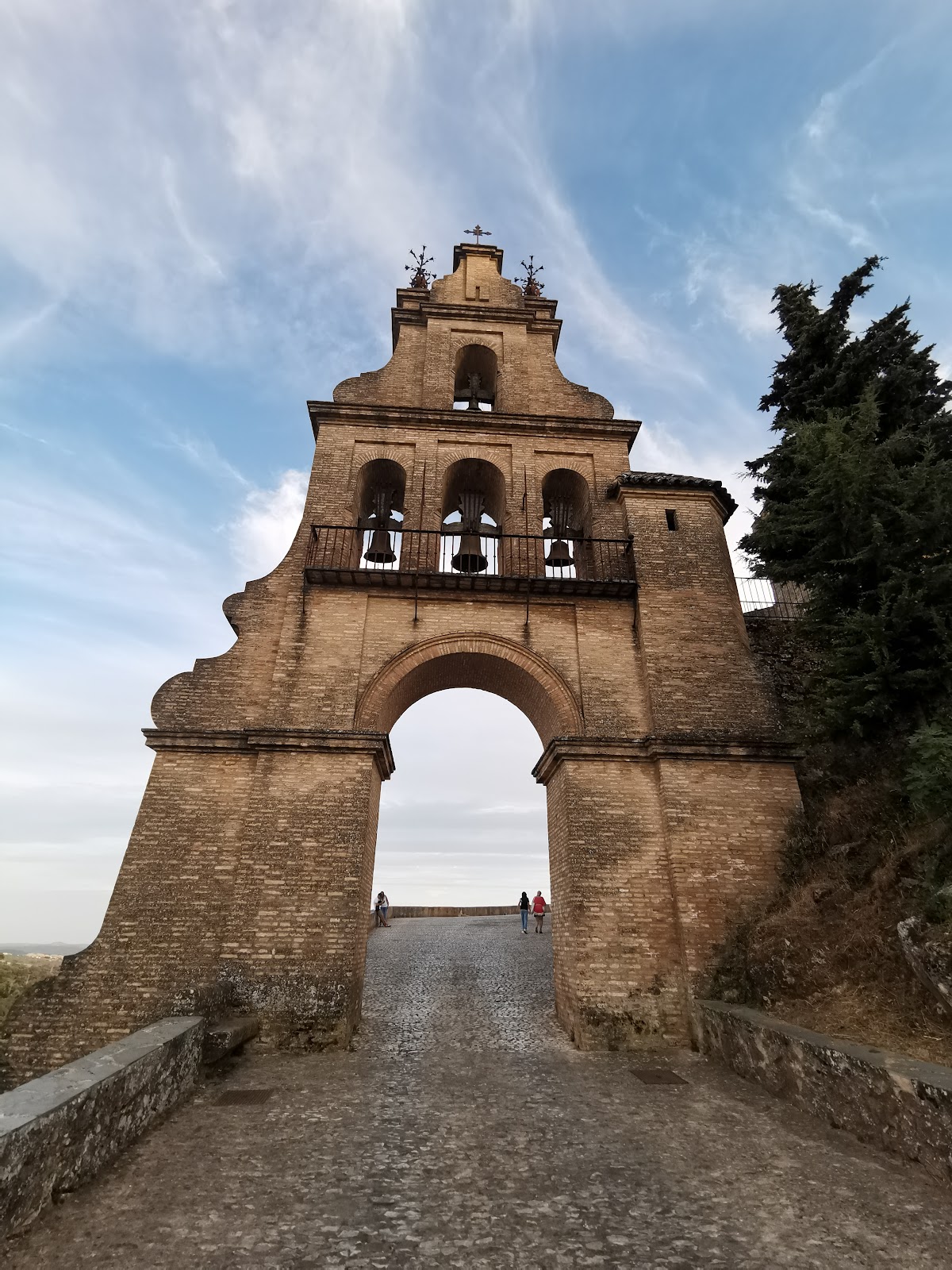
Attached to the castle complex, the church of Our Lady of Sorrows has an associated Mudéjar tower and is regarded as Aracena’s oldest and most emblematic church. Its interior is arranged in three naves of equal height, with a choir at the rear and a polygonal presbytery, the area surrounding the main altar. The tower stands on the Gospel side. A porch is set into the gable-end wall, while the apse is interrupted by a large Baroque devotional chamber, known as a camarín.
Ribbed vaults, formed with intersecting structural ribs, create star-patterned arrangements over the interior. The choir gallery, the portal at the foot of the church, and the north portal display Late Gothic characteristics. The church also contains glazed-terra-cotta sculptures associated with Pedro Vázquez.