Old Veøy Church: A Medieval Stone Church in Norway
Site at a Glance
- Popularity
- Medium
- Country
- Norway
- Primary era
- Medieval
- Eras represented
- Medieval
- Civilizations
- Norwegian
- Site type
- Religious
- Remains
- Church
On this page5 sections
History
Medieval origins and parish life
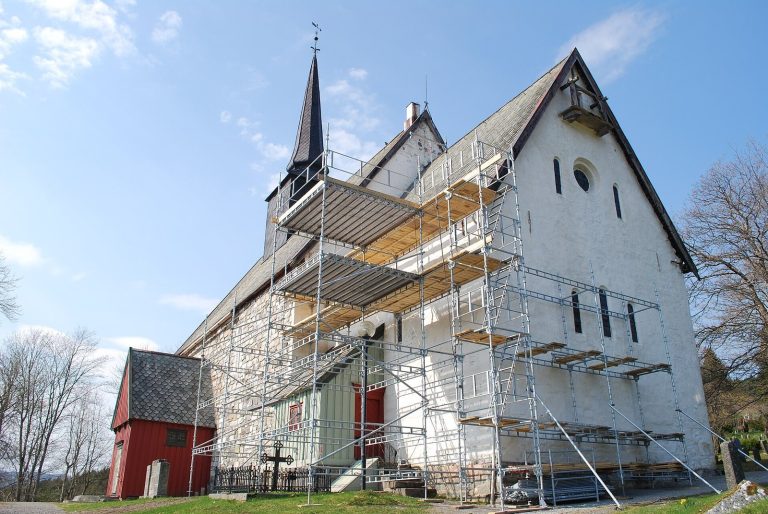
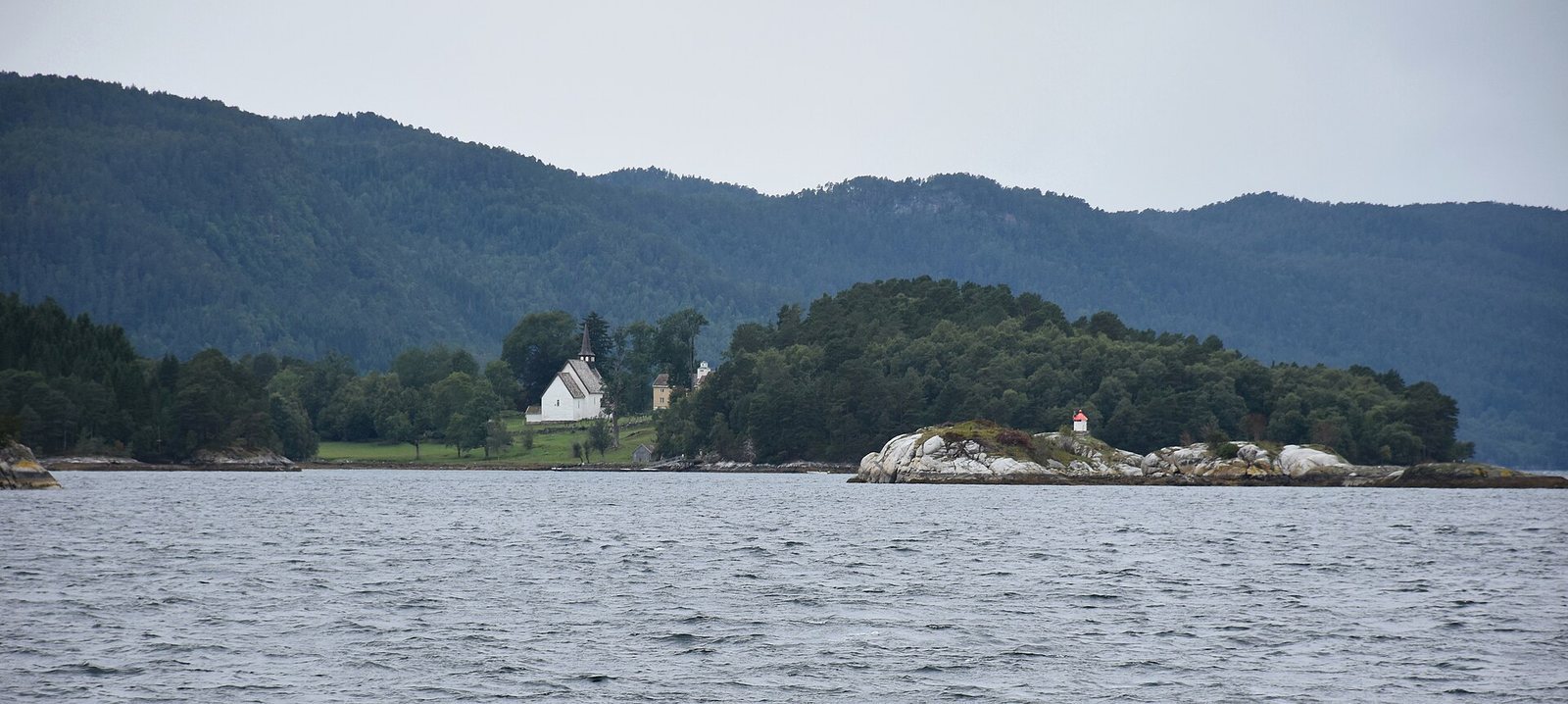
Old Veøy Church stands on Veøya in Romsdalsfjorden, Norway. Built around 1200 by an unknown architect, it is a Romanesque stone long church. Romanesque is a medieval European style associated with substantial masonry, and a long church has a plan arranged along a lengthwise axis.
Local tradition says that seven churches once stood at different places on Veøya, with some perhaps dating to the eighth century. At this site, a wooden church built with upright timber posts probably stood by the mid-eleventh century, before the stone building replaced it. The earliest surviving written record, from 1308, shows that the church was already established.
Veøya occupied a central position on Romsdalsfjorden, an important transport route from the Viking Age onward. The island had a market town and many residents. The church became the main church of Veøy parish in 1480. In 1589, seven subsidiary churches served the parish at Bolsøy, Rødven, Kleive, Vestnes, Tresfjord, Vistdal, and Eresfjord. The church’s affiliation shifted from Catholicism to the Church of Norway, the country’s Evangelical Lutheran national church. Its administration fell under the Diocese of Møre, a church district, and Molde archdeanery, a subdivision of a diocese. In 1838, the parish became Veøy Municipality.
Civic role and alterations
In 1814, the church served as a polling place in Norway’s first national elections. Parishioners chose electors, who then selected representatives to the Norwegian Constituent Assembly. That assembly drafted Norway’s constitution at Eidsvoll Manor.
The church was renovated and expanded in 1631, 1656, and 1722, then underwent a major refurbishment between 1760 and 1790. Further work followed in 1832 and 1858. Jonas Lied, a Norwegian businessman, contributed one-third of his wealth toward a renovation.
Decline and preservation
Veøya’s importance declined from the mid-seventeenth to the late nineteenth century, and its population dwindled. A royal decree ended the church’s active use in 1901 and authorized a replacement on the mainland to make worship easier for parishioners. The new Veøy Church opened in 1907. The older building then became known as Old Veøy Church and was preserved as a historic site. It has not been in regular use since 1907, though it is occasionally used for special events.
By the 1950s, the island had no permanent residents; one family still owned houses there, used only for holidays. The Norwegian Directorate for Cultural Heritage refurbished the church between 1976 and 1978. Since 1990, the parish, municipality, and Romsdal Museum have owned it jointly. Archaeological investigations of the church and its surroundings took place from 1990 to 1992. The church is now part of Romsdal Museum and is a Norwegian Cultural Heritage Site with automatic protection.
Remains
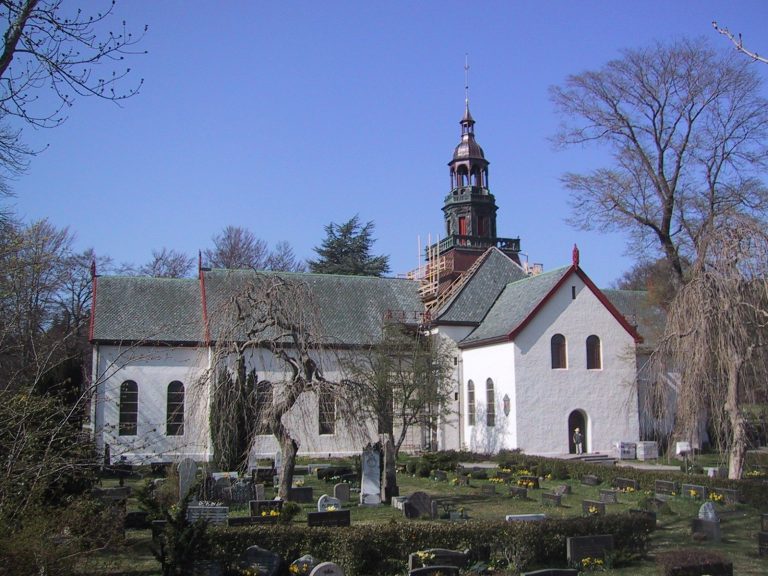
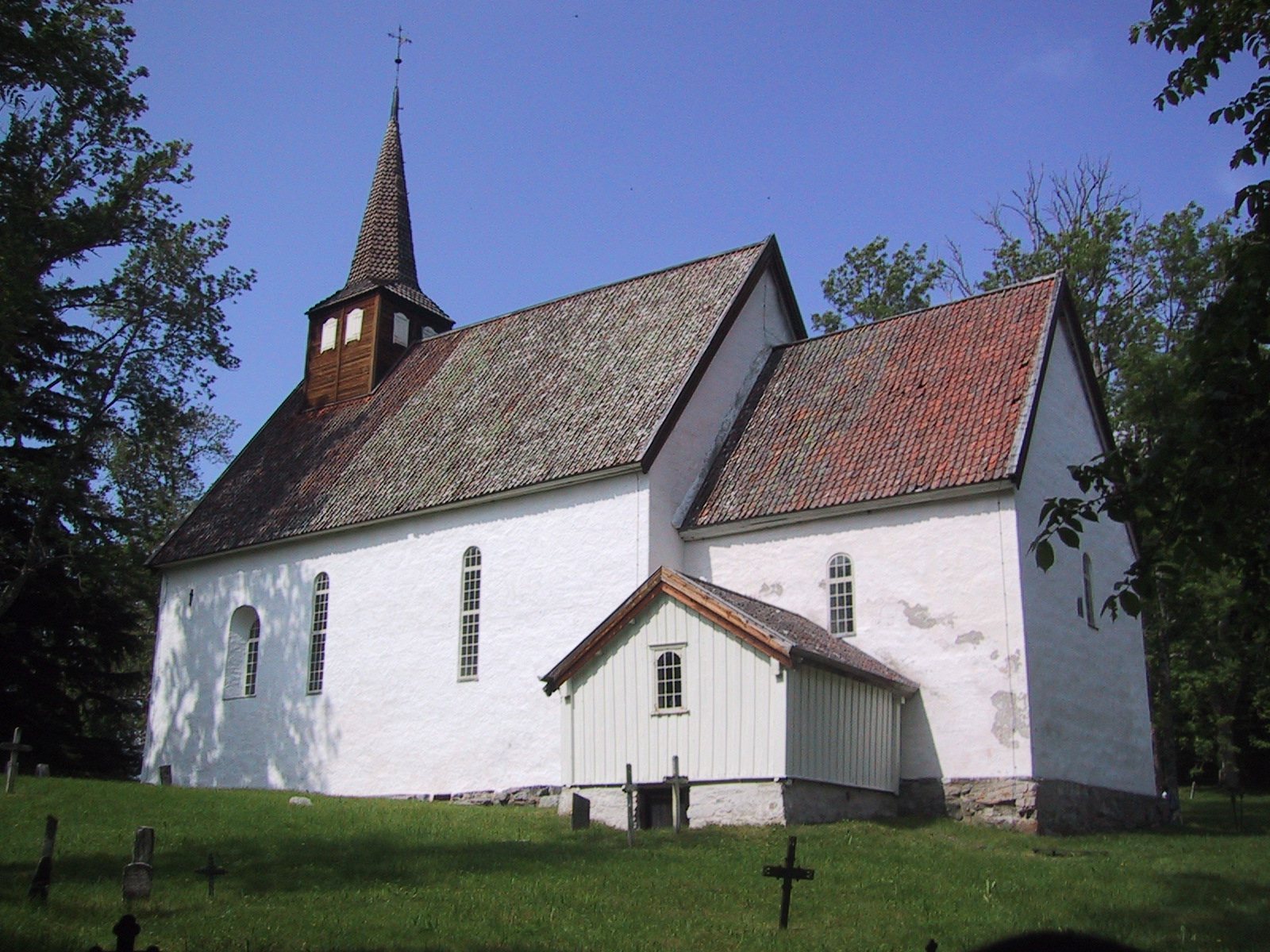
The surviving building has a lengthwise plan and stone construction. Its masonry includes locally quarried soapstone and marble, while white plaster covers the exterior. The church has seating for about 400 people.
It is the only church remaining on Veøya and served as the island’s sole church for several centuries.