Old Bishop’s Palace in Wittstock/Dosse: A Medieval Episcopal Castle


Site at a Glance
- Rating
- 4.6
- Popularity
- Low
- Country
- Germany
- Primary era
- Medieval
- External website
- Open
- Eras represented
- Medieval
- Civilizations
- Holy Roman Empire, Margraviate of Brandenburg
- Site type
- Military
- Remains
- Castle
On this page6 sections
History
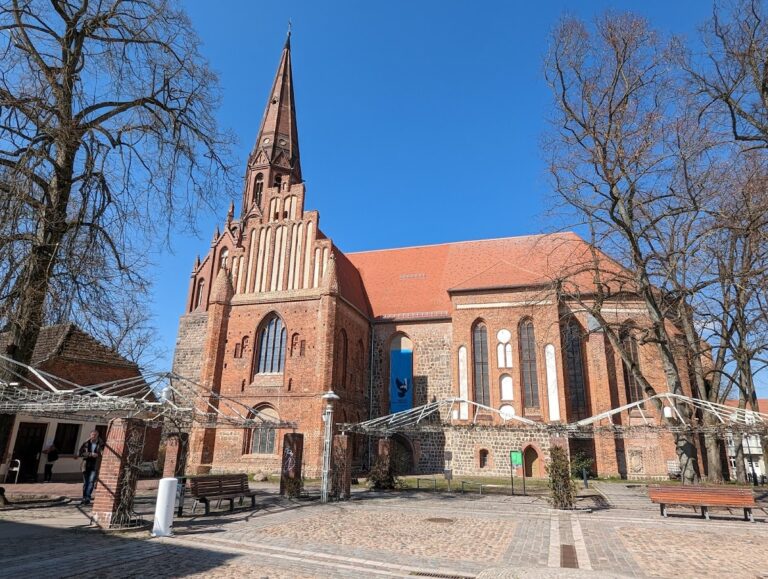
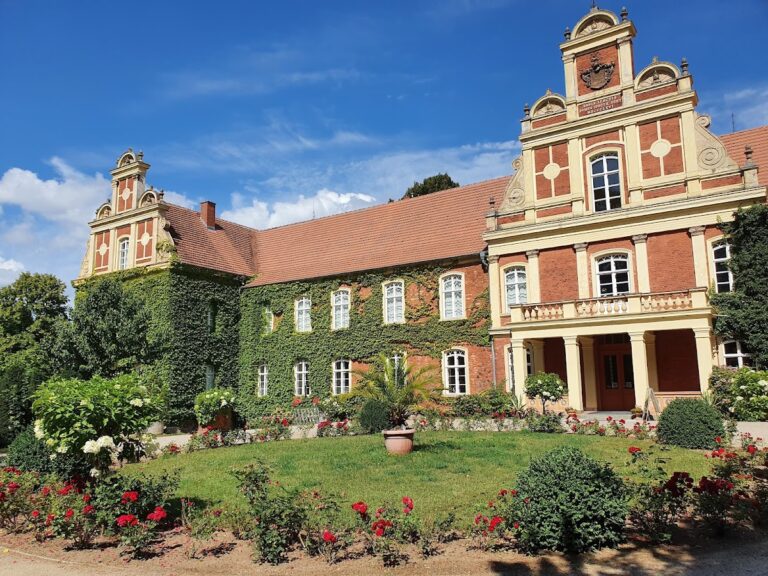
The Old Bishop’s Palace in Wittstock/Dosse, Germany, is a medieval castle begun by German colonists in 1244. It became the residence of the Catholic bishops of Havelberg, who led the medieval Diocese of Havelberg in Brandenburg, from 1271 to 1548. The complex formed part of Wittstock’s wider fortifications and was regarded in the Middle Ages as nearly impregnable and as one of the strongest and most beautiful fortresses in the Mark Brandenburg.
From Slavic Settlement to Episcopal Residence
A Slavic settlement existed at Wittstock before 946, when the first German colonization wave began. German settlers started constructing the castle in 1244, and Wittstock received town rights in 1248. The bishops of Havelberg subsequently expanded the fortification while using it as their residence. The castle is also known as the Old Bishop’s Castle, although no corresponding new bishop’s castle exists.
Toward the end of the Middle Ages, the castle began to deteriorate. During the early modern period it increasingly lost its earlier importance, as the fortified episcopal residence no longer held the same position in the changing political and military landscape.
War, Destruction, and Decline
Large parts of the complex were destroyed during the Thirty Years’ War, the major European conflict of 1618 to 1648 that combined Catholic and Protestant divisions with struggles among states and ruling powers. On 4 October 1636, Swedish forces defeated imperial and Saxon troops in the Battle of Wittstock, fought outside the town’s walls.
The war was followed by a plague epidemic in 1638. More than 1,500 inhabitants died, a number exceeding half of Wittstock’s population. The destruction caused by the conflict and the demographic disaster contributed to the castle’s final loss of significance.
Restoration and Museum Use
Between 1995 and 1998, the castle complex was restored, reconstructed, and redesigned through a European-supported project. It now houses the Ostprignitz Museum, which presents the history, landscape, town, crafts, and way of life of the Ostprignitz region, together with the Museum of the Thirty Years’ War.
Opened in 1998, the Museum of the Thirty Years’ War focuses on the conflict, the Battle of Wittstock, and the consequences for the town. Its presentation has an explicitly anti-war character, addressing the suffering of soldiers and civilians as well as the causes of the war. A historical classroom in period style is also used for lessons with school groups.
Remains
The surviving complex combines sections of Wittstock’s extensive brick town fortifications with the partial remains of the former bishop’s castle. A town wall approximately 2.5 kilometres long still encloses almost the entire town. Built to protect the German settlers from neighbouring Slavic groups, it originally reached about 9 to 11 metres in height. Surviving sections now stand approximately 4 to 7 metres high.
Castle Walls and Gate Tower
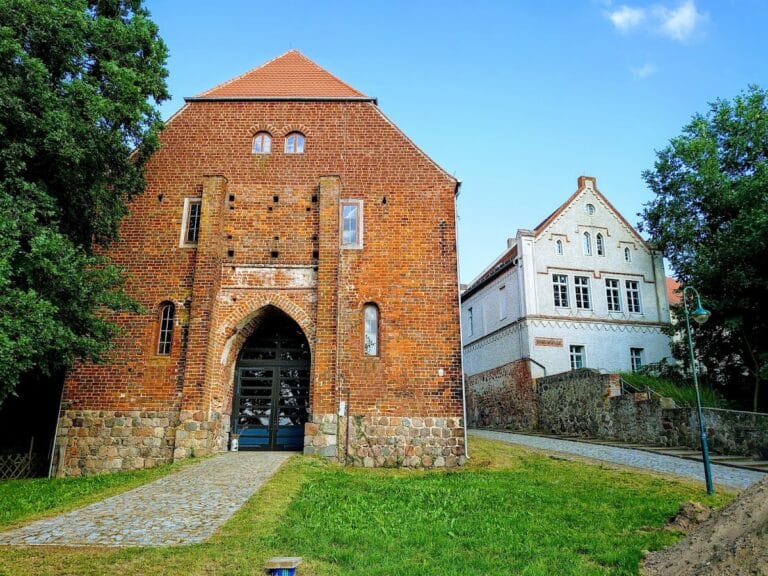
The bishop’s castle survives in fragments, including ruins of its outer walls and newer sections of the complex. A high gate tower dating from the thirteenth century remains as a defining part of the site. As a fortified tower controlling passage through an entrance in a town or castle wall, it connected the castle with the surrounding defensive system.
The gate tower has passed through several uses. It served successively as an official episcopal seat, a cattle stall, a grain store, and a youth hostel, before becoming part of the Ostprignitz Museum. The site is identified with the former mayor’s house and office tower of the old bishop’s castle.
Nearby sites