Ojstrica Castle: A 13th-Century Hill Castle in Slovenia
Site at a Glance
- Popularity
- Medium
- Country
- Slovenia
- Primary era
- Medieval
- Eras represented
- Medieval
- Civilizations
- Duchy of Styria, Holy Roman Empire
- Site type
- Military
- Remains
- Castle
On this page7 sections
History
Origins and Celje rule
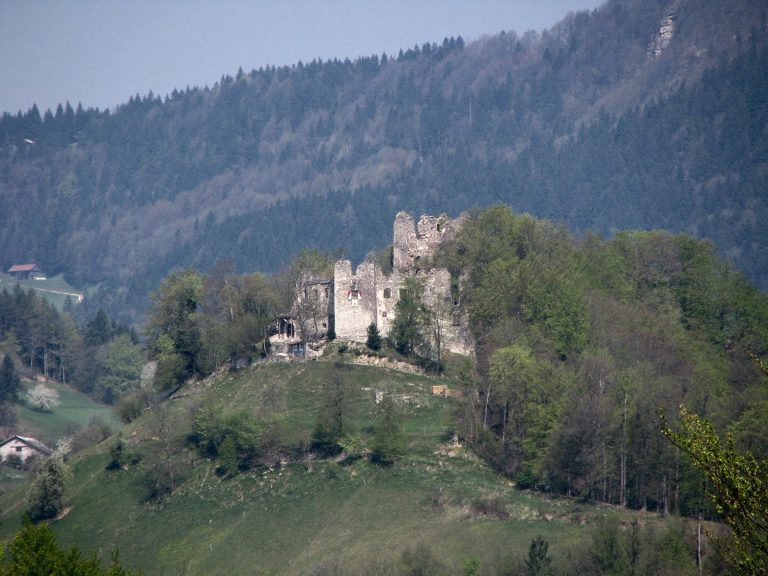
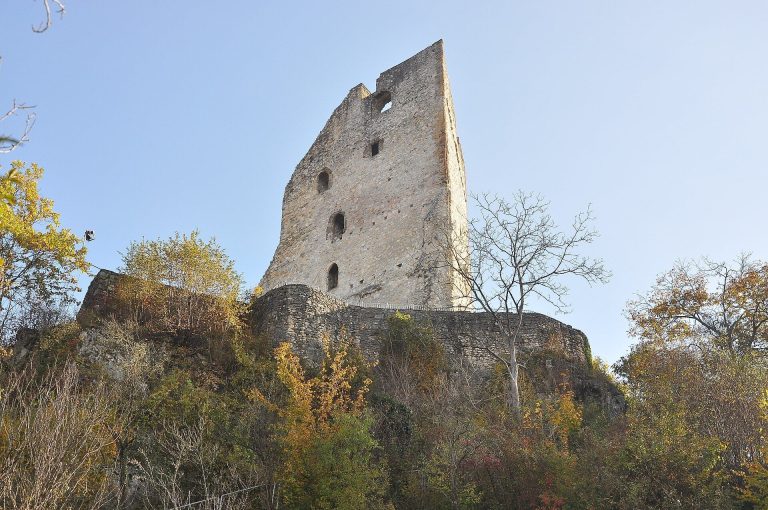
Ojstrica Castle was a hill castle above Loke in the Municipality of Tabor, Slovenia, built in the 13th century, probably around 1250. It belonged as hereditary property to the Counts of Celje, a medieval noble family whose lands included parts of present-day Slovenia. The castle stood near the southern edge of their sphere of influence when the family received the title of count, and a charter describing the county’s boundaries named it.
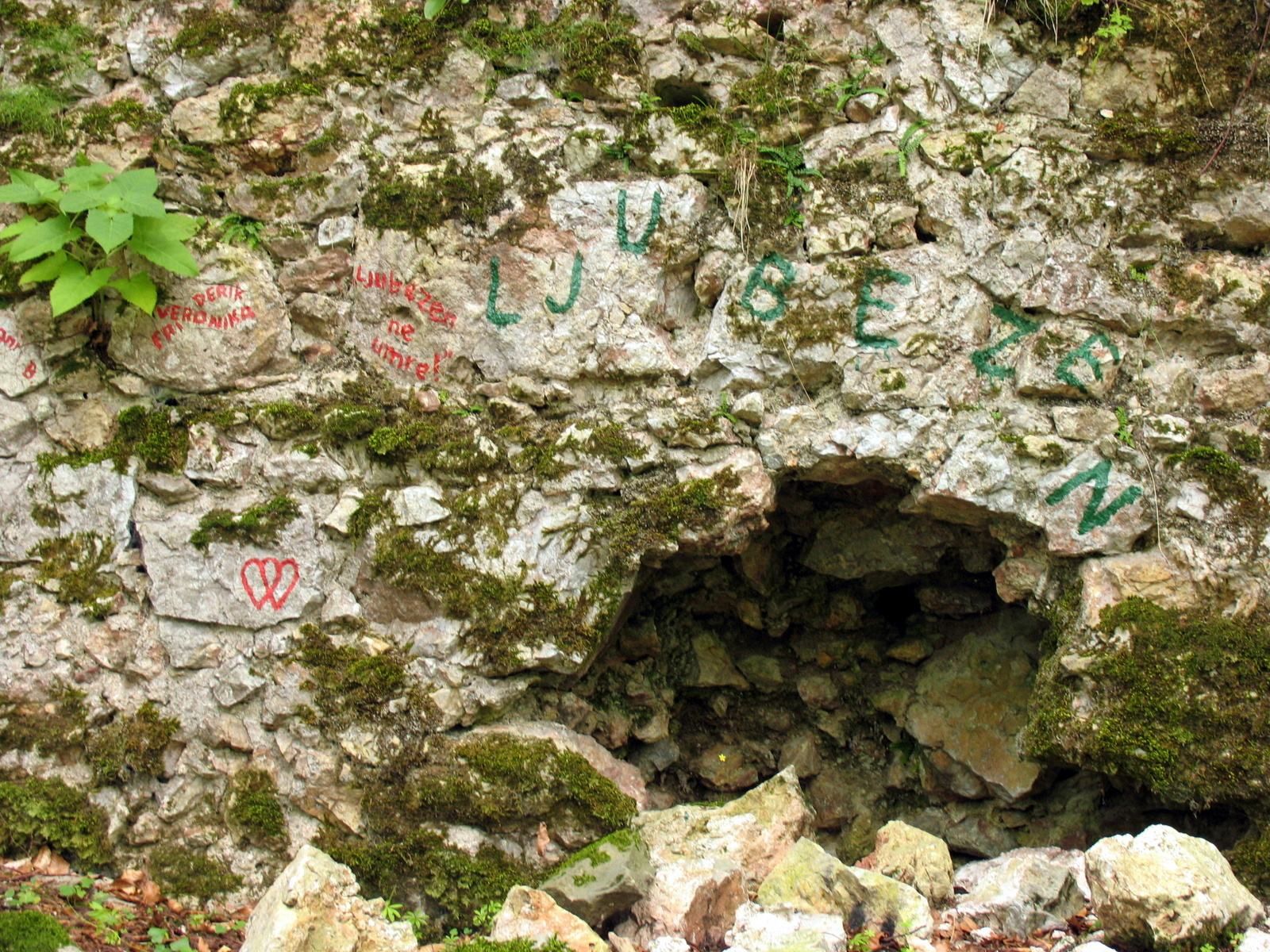
Frederick II of Celje was held at the castle for a time by his father, Hermann II. Local tradition also identifies Ojstrica as the place where Frederick’s second wife, Veronika of Desenice, was imprisoned and murdered. The event is dated either to 1425 or 1428.
Habsburg rule and abandonment
After the last Count of Celje died in 1456, an inheritance agreement transferred the area to the Habsburgs. The castle’s garrison initially resisted the takeover. The region became part of Lower Styria, the southern part of the historic Duchy of Styria, and remained under Habsburg rule until 1918. Emperor Maximilian I later established an armory at the castle.
The Habsburgs entrusted the castle and its lordship to retainers in return for payments and services. In 1459, Emperor Frederick placed its administration in the hands of Friedrich Abbrecher; Caspar von Obratschen was named keeper in 1483. In 1494, keeper Thomas Gradeneker was required to supply one mounted and armed man for every 25 pounds of rent, ready to serve the territorial ruler.
In 1501, Leonhard Raumschüssel received the castle and lordship as security for a loan of 3,000 gulden, with an obligation to guard the castle. His sons were confirmed as holders of the pledge in 1524, along with the toll at Franz; the pledge amount was then 4,875 gulden. Christof Raumschüssel held it in 1530. In 1535, the lordship passed to royal councillor and chief provisioning officer Jobst Lilienberg, who had lent his predecessor 3,000 gulden and redeemed a pledge claim worth 1,700 gulden. A pledge was security for a debt, giving its holder rights over the property until the debt was settled.
A peasant revolt in 1535 damaged Ojstrica, after which the castle was abandoned and became a ruin. Its fields and forests continued to be worked and later supported the economy of Osterwitz Manor. In 1537, after estate administrators in the Celje region, including those at Osterwitz, had given the ruler limited support despite the Ottoman threat, the authorities called for general collection and inventories of property.
Osterwitz Manor and later owners
In 1566, Franz Maximilian von Schrattenbach had a farmstead built below the former castle hill. It became Osterwitz Manor after 1592, and his son Felix continued building there from 1614 to 1631. The family held the title Barons of Hegnenberg and Osterwitz. Complaints about Felix’s violent conduct reached the authorities of Inner Austria and were investigated by commissions.
During another peasant revolt in 1635, the manor was looted and burned, but it was rebuilt. The lordship was also pledged to the Lords of Walsee. Count Johann Gaisruck bought it in 1767. Max Robida owned it in 1791, followed by Johann Kircher until 1824. After a brief period under Jožef Omersi, Mathias Perko acquired the estate in 1826.
During Perko’s ownership, lightning started a fire that destroyed the manor’s main building, which was never rebuilt. Baron Gustav Nepomuk Wittenbach bought the estate in 1864, and the Puisi family acquired it in 1908. The remaining farmstead buildings stood until 1964, when they were demolished after falling into very poor condition.
Remains
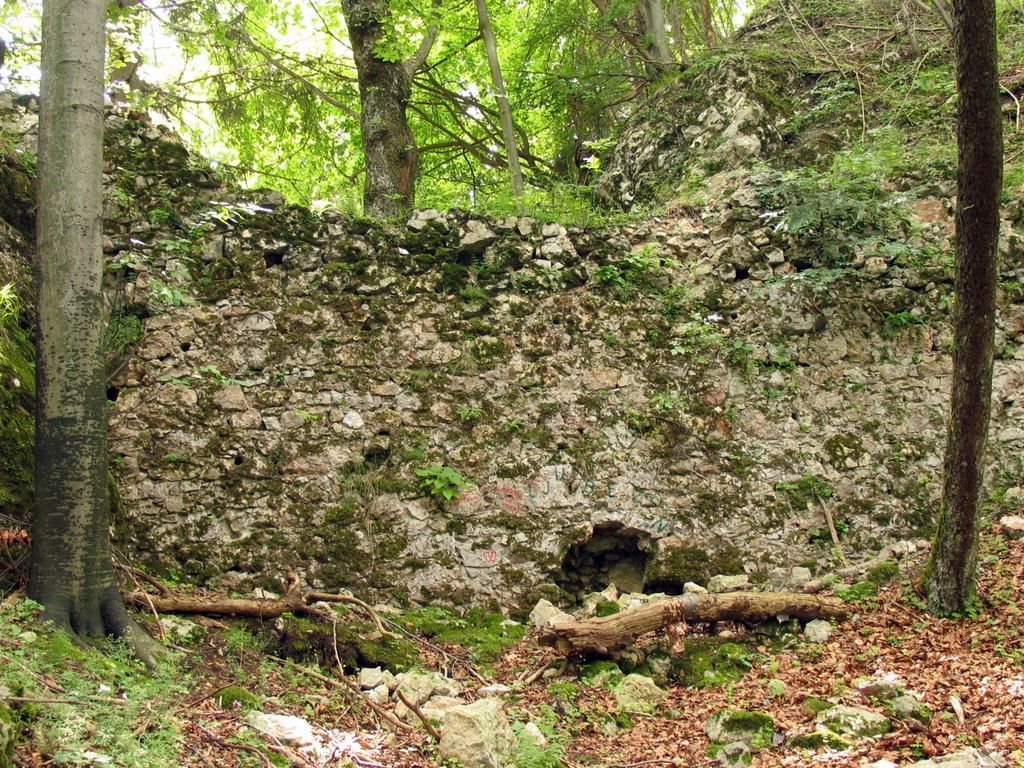
The castle site occupies a hill above the Osterwitz valley, while Osterwitz Manor stood below it on the valley floor. Parts of the castle’s fortifications survive.
Castle hill
The hill, about 636 metres above sea level, lies above the settlement of Loke at the western edge of the Celje basin. It is known as Stari grad Ojstrica nad Loko and locally as Stari Grad, meaning “Old Castle.” The surviving fortification remains mark the location of the former hill castle.
Osterwitz Manor
Older views depict Osterwitz Manor, also known as Nieder-Osterwitz, as a two-winged, two-storey building with two round corner towers. It stood at the foot of the castle hill, and may have incorporated material from the abandoned castle.