Obosan Kofun: A Sixth-Century Burial Mound in Okayama, Japan
Site at a Glance
- Popularity
- Low
- Country
- Japan
- Primary era
- Classical
- Eras represented
- Classical
- Civilizations
- Yamato
- Site type
- Burial
- Remains
- Burial Mound
On this page8 sections
History
Late Kofun period
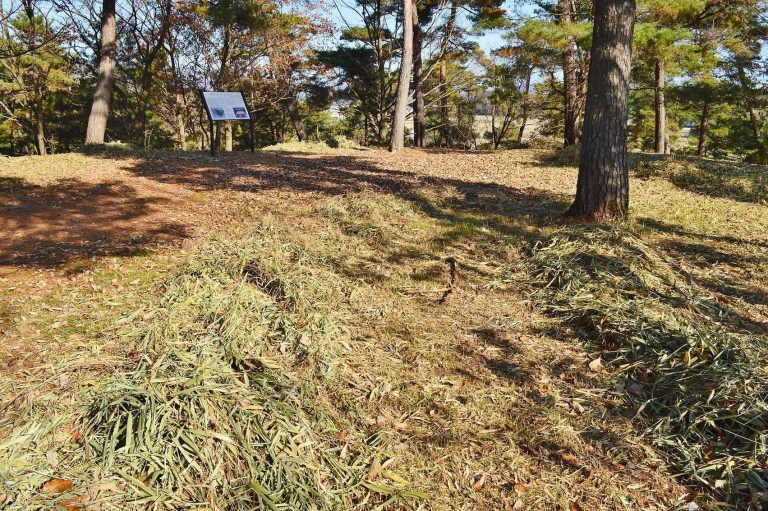
Obosan Kofun is a Japanese burial mound in Kurashiki, Okayama Prefecture, Japan. It is estimated to have been built in the latter half of the sixth century, during the Late Kofun period, the later phase of an era associated with Japanese burial-mound construction. The tomb was the leading mound in a local group spread across the hill.
Quarrying and preservation
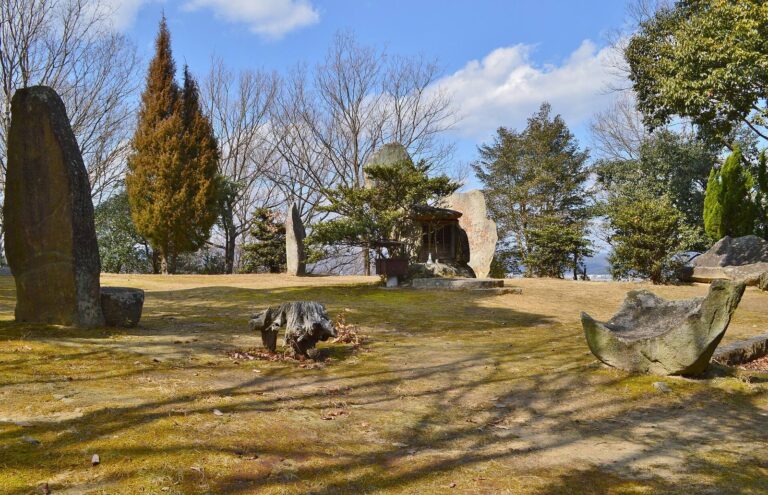
Near the end of the Meiji period, Japan’s era of rapid modernization from 1868 to 1912, quarrying substantially altered the mound and destroyed its stone burial chamber. On March 27, 1959, the site became an Okayama Prefecture Historic Site. It was later improved as a historic-site park and opened to the public.
Remains
The mound and associated finds
Mound
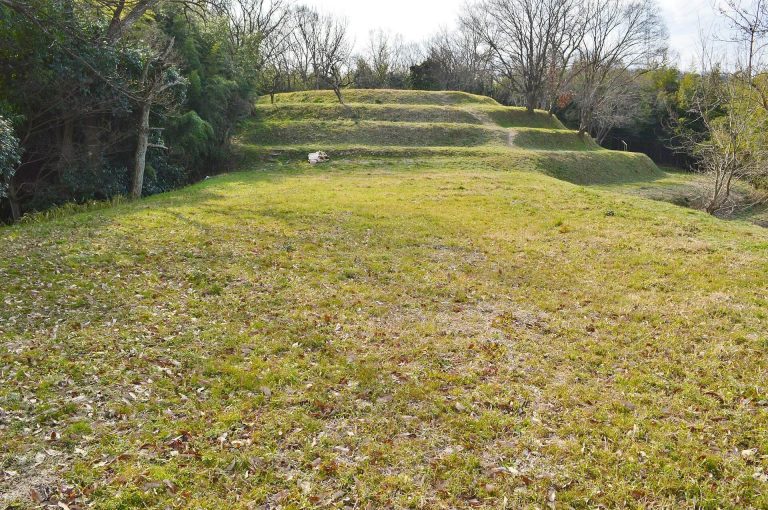
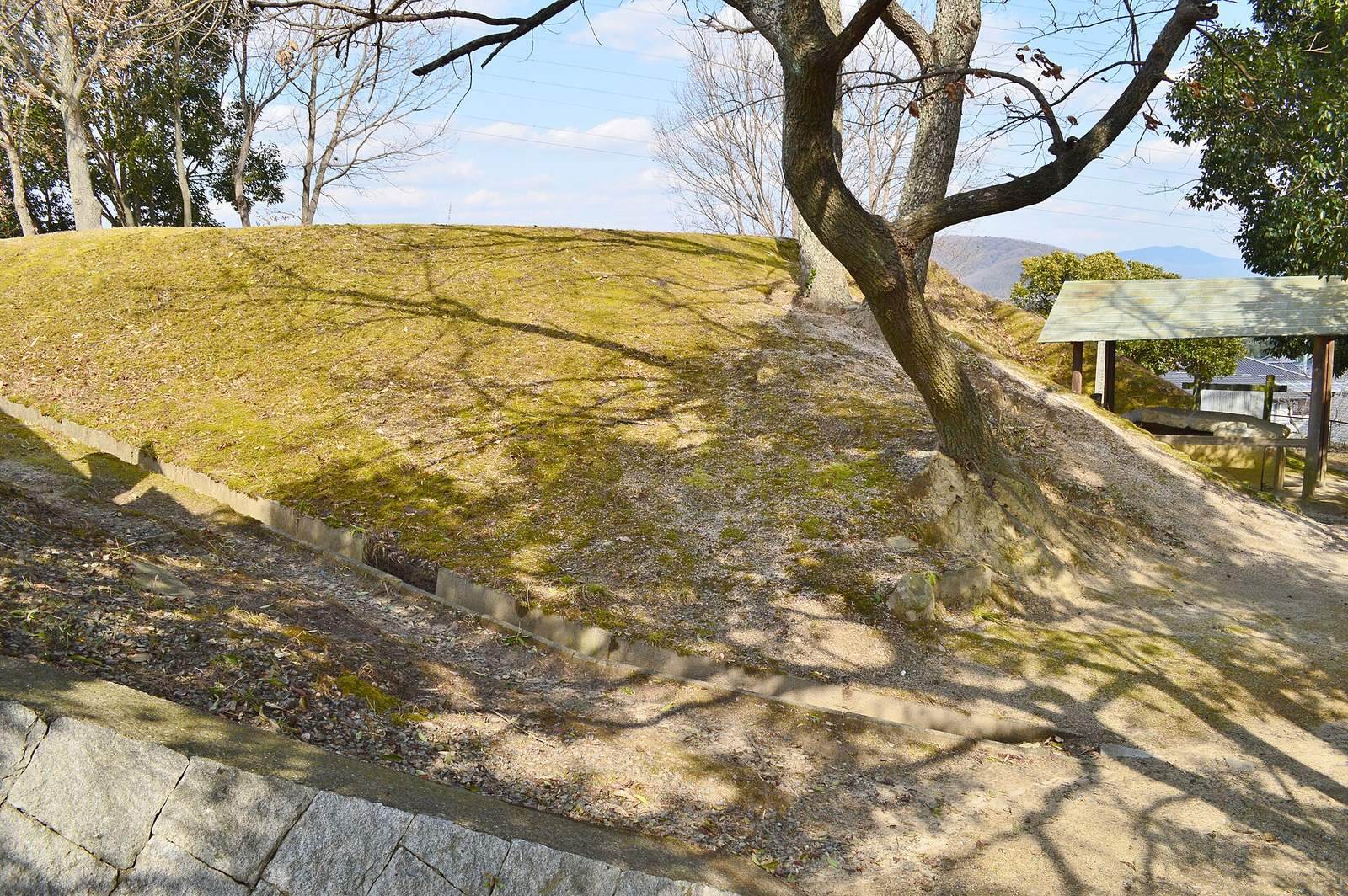
The mound stands on a low hill on the right bank of the Ashimori River, among numerous other burial mounds distributed across the hill. Its original outline is uncertain and may have been circular or square. Its estimated diameter, or side length if square, is about 25 metres.
Stone coffin
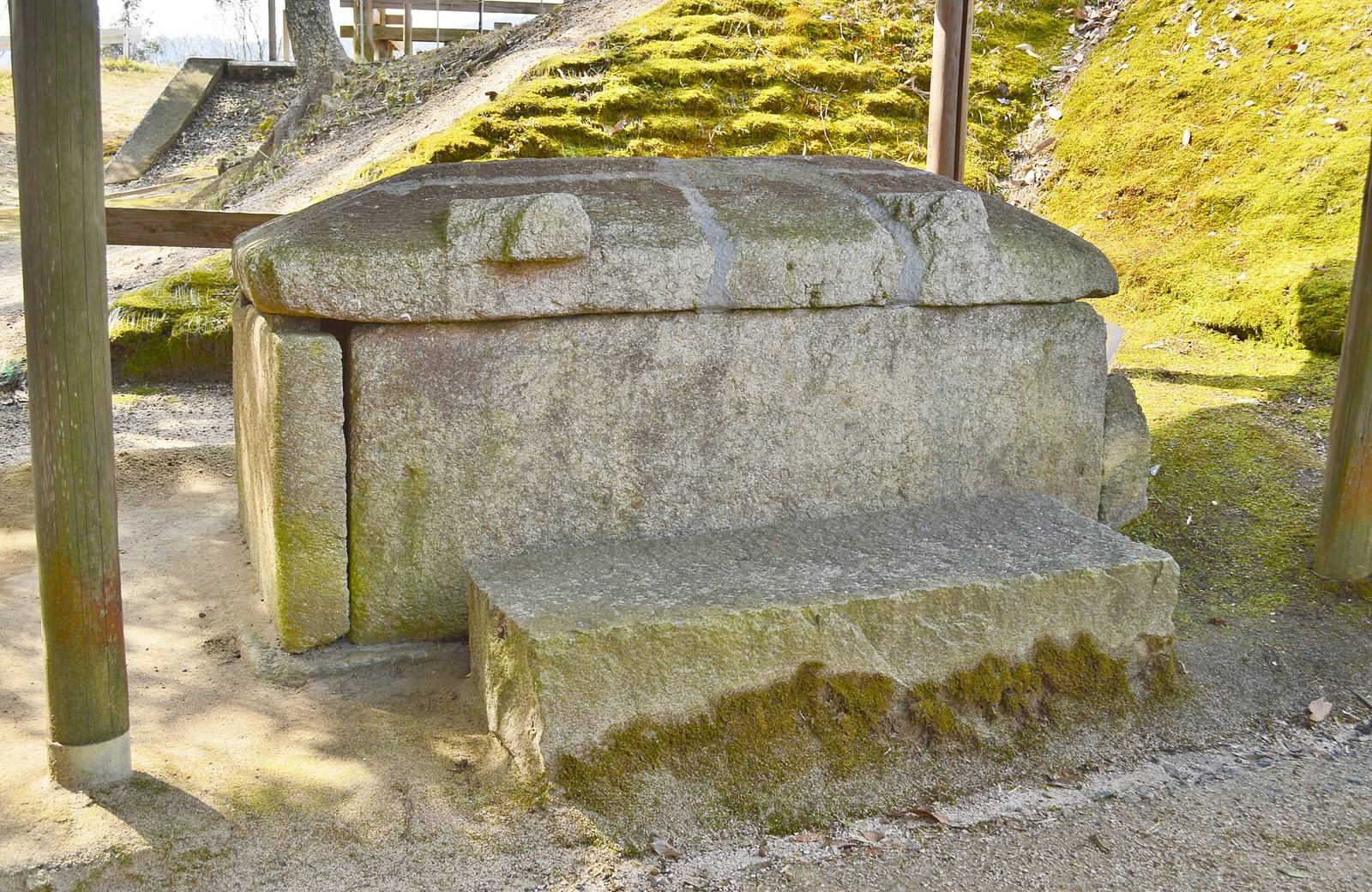
A house-shaped stone coffin removed from the burial chamber remains beside the mound. Its lid resembles a roof, and the coffin was assembled from seven fitted pieces of shell limestone quarried at Namigata in Ibara City. The coffin body measures 2.05 metres. Its form has been taken to indicate a close relationship with another burial mound at Kamibayashi in Soja City.
Grave goods
Objects associated with the tomb include a bronze mirror decorated with a band showing four Buddhas and four beasts, gilt-bronze horse fittings, iron weapons and armor, personal ornaments, and Sue ware, a high-fired Japanese stoneware. Identified pieces include an iron helmet made from broad vertical plates joined by rivets, a bell-shaped horse-harness pendant, a wide-mouthed jar, lidded cups, and a bowl with a pedestal foot. The objects are held at the Tokyo National Museum, although the collection may also include finds from nearby tombs.