Natsukawa Castle: A Sengoku Fortress and Tokugawa Administrative Residence in Japan
Site at a Glance
- Rating
- 3.5
- Popularity
- Very Low
- Country
- Japan
- Primary era
- Early Modern
- External website
- Open
- Eras represented
- Early Modern
- Civilizations
- Tokugawa
- Site type
- Military
- Remains
- Castle
On this page7 sections
History
Natsukawa Castle is a flatland castle in Okayama, Japan, traditionally attributed to construction in 1559 during the Sengoku period, an era of political fragmentation and warfare in Japan. Mimura Iechika of Bitchu Province is said to have built it to defend against Ukita Naoie of Bizen Province. The castle later became a Mori outpost and, after further changes under Tokugawa rule, served as the residence and government office of the Togawa family.
The castle during the Sengoku period
The Mimura clan was destroyed by the Mori clan in 1575, after which Natsukawa became a Mori military outpost. Inoue Narimasa and Katsura Kagenobu served as its defenders. The castle was one of seven Mori border castles during Hashiba Hideyoshi’s campaign against Takamatsu Castle in 1582. Inoue commanded more than 800 men there, but Kikkawa Motoharu and Kobayakawa Takakage, senior Mori commanders, ordered him to withdraw because the castle was isolated. He disobeyed and fought Hideyoshi’s forces. His troops were defeated, and Natsukawa then passed to the Ukita clan before being abandoned.
From fortress to Tokugawa administration
In 1600, Togawa Tatsuyasu, a former senior retainer of Ukita Hideie who had defected to Tokugawa Ieyasu, received lands assessed at 29,200 koku in parts of Tsuku and Kayo districts in Bitchu Province. A koku was a historical measure of assessed agricultural production used to indicate a lord’s income and territorial standing. Tatsuyasu renovated the ruins of Niwase Castle and established his government residence there as his seat.
After the fourth lord of the Niwase domain died young in 1679, his brother, Togawa Michitomi, inherited the family name and held 5,000 koku as a hatamoto, a direct retainer of the Tokugawa shogun. He belonged to the alternate-attendance class, whose members held land and periodically attended the shogun’s court. The Togawa family established Natsukawa jin’ya, an administrative residence and government office generally smaller and less heavily fortified than a full castle, in the area now identified with Natsukawa Castle. It occupied the former second enclosed court of Niwase Castle, while the eastern section was abandoned.
The Niwase and Natsukawa compounds
In 1683, Kuze Shigeyuki received the Niwase domain with an income of 50,000 koku. A new residence and government office, Niwase jin’ya, was built in the abandoned eastern part of the former castle, corresponding to its principal enclosed court. Matsudaira Nobumichi later used this area, followed by the Itakura family. The Natsukawa and Niwase administrative compounds remained almost adjacent until the Meiji period, which began in 1868.
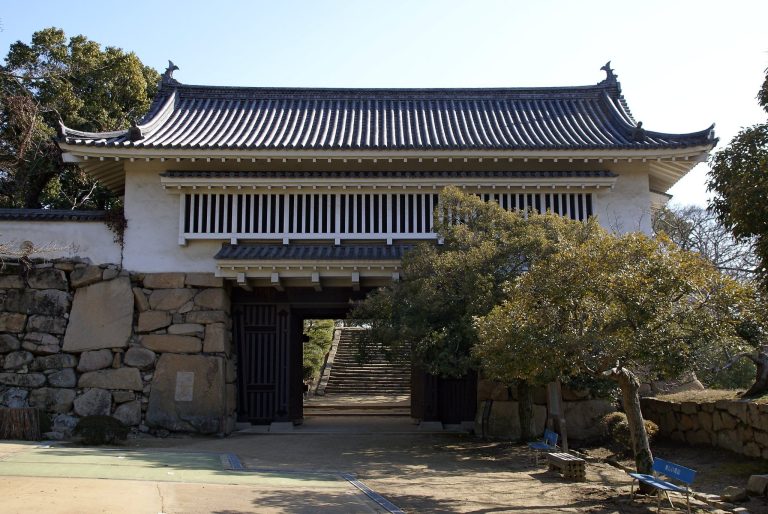
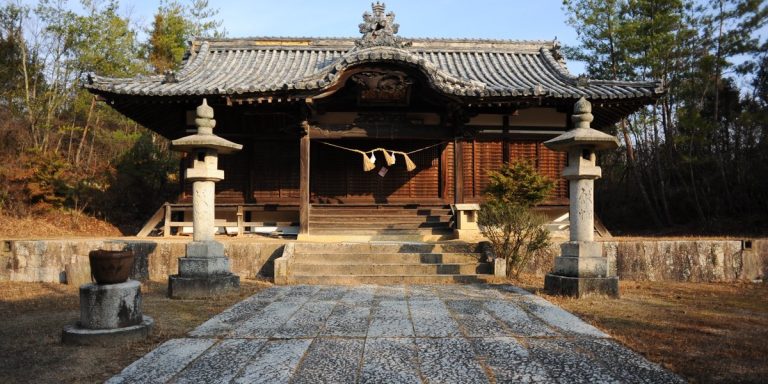
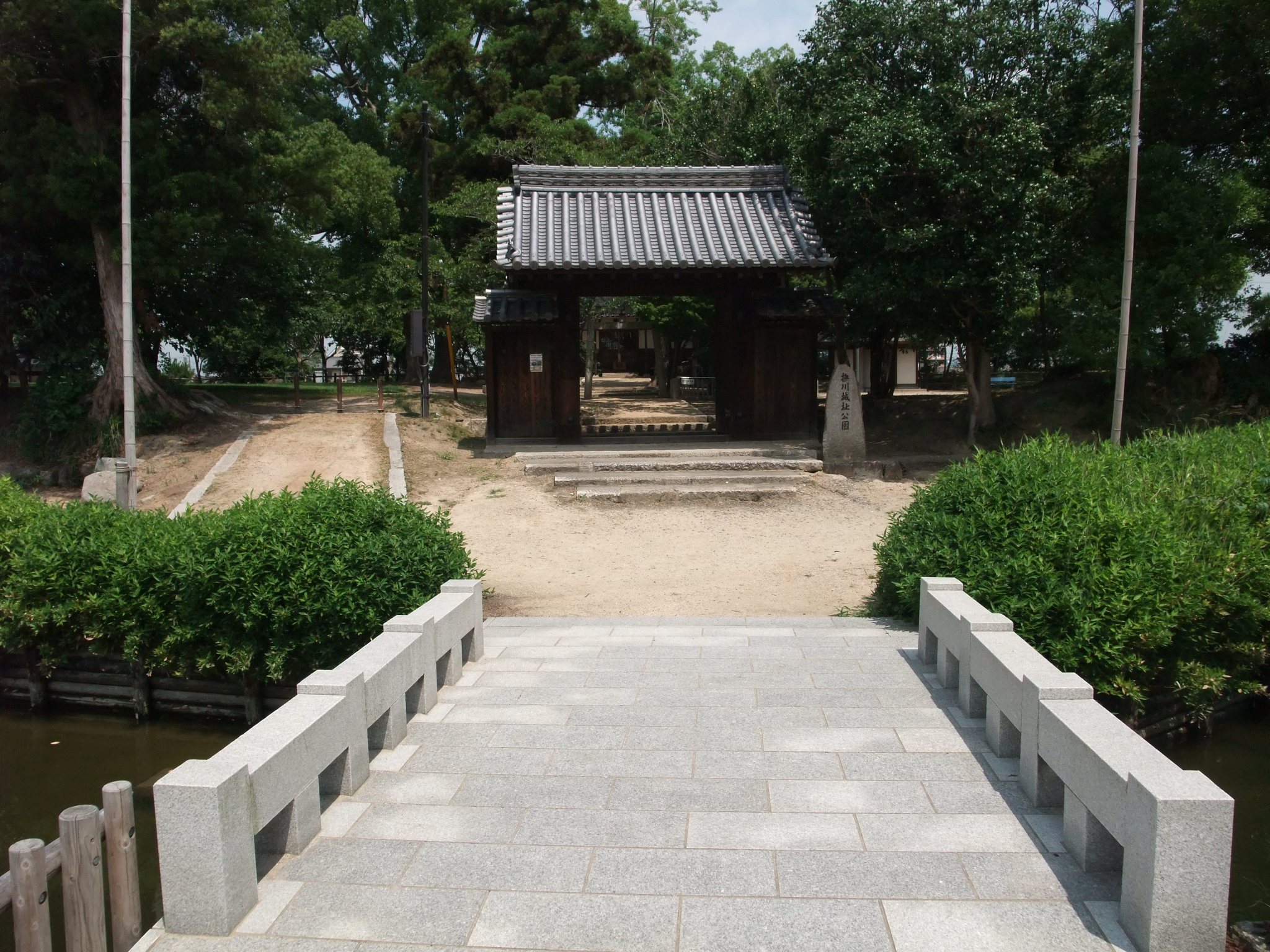
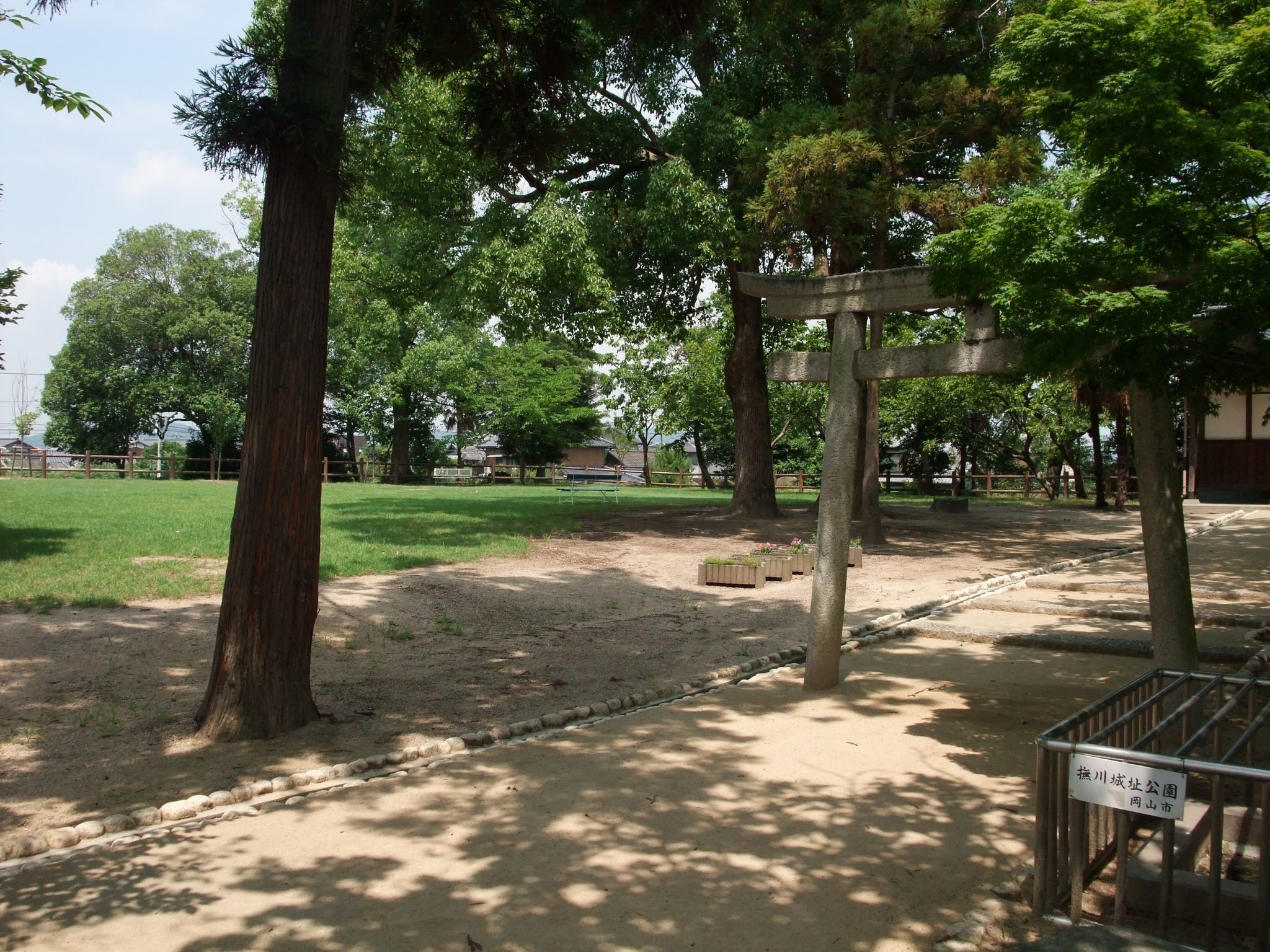
Natsukawa Castle was abandoned in 1869. On May 13, 1957, the former site was designated “Natsukawa Castle Ruins (Shibaba Castle Ruins),” becoming Okayama Prefecture’s first designated historic site. The former main gate of Natsukawa jin’ya was moved to its present position during the Meiji period. The grounds are now maintained as Natsukawa Castle Ruins Park, with a shrine in the northern section.
Remains
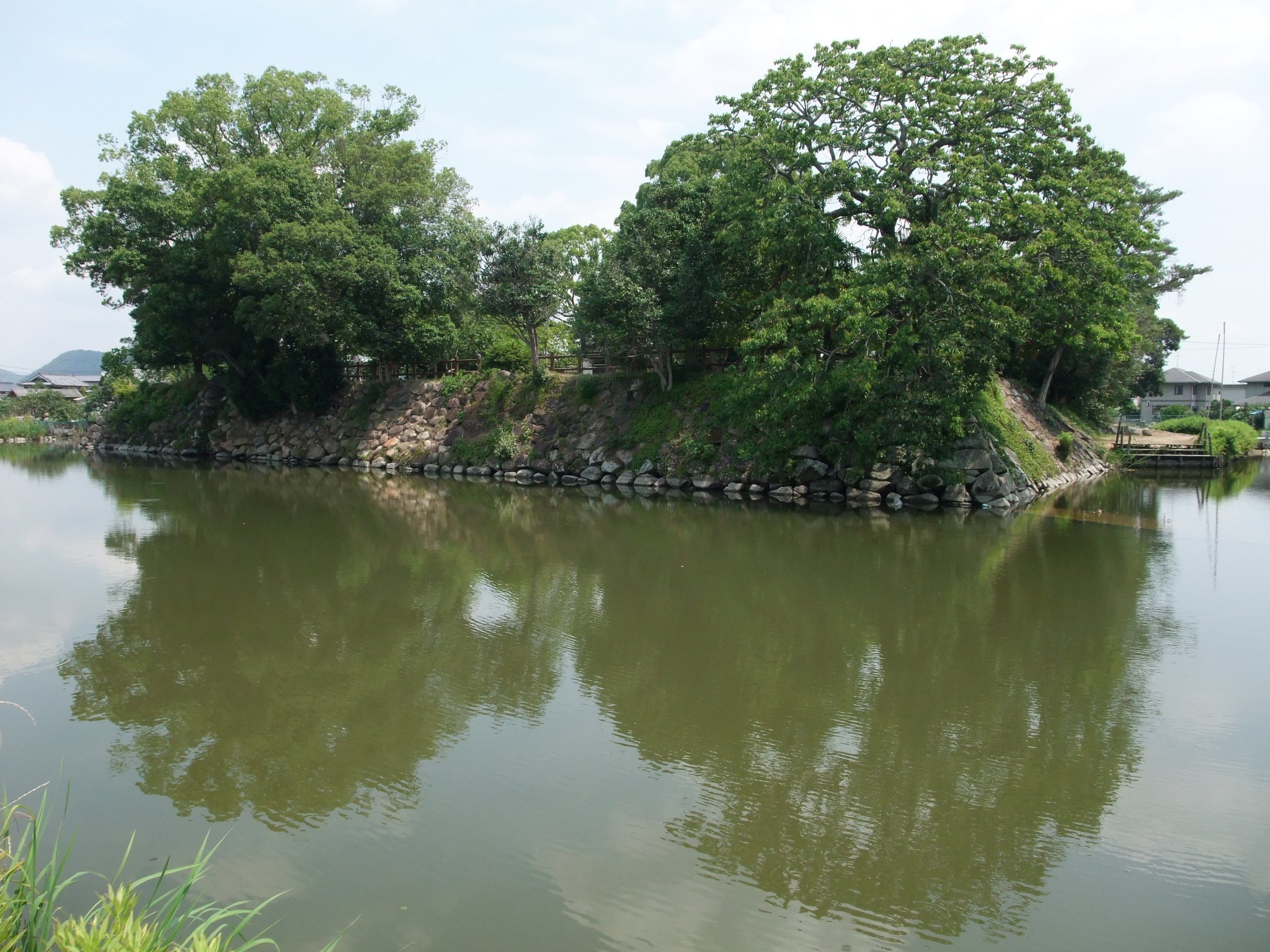
The surviving castle area measures approximately 85 meters from east to west and 55 meters from north to south. A moat about 15 meters wide remains around the site. Natsukawa Castle lies approximately 200 meters west of the ruins of Niwase Castle, and its present area occupies the vicinity of Niwase Castle’s former second enclosed court. The later Niwase administrative compound stood in the former principal court to the east.
Walls and earthworks
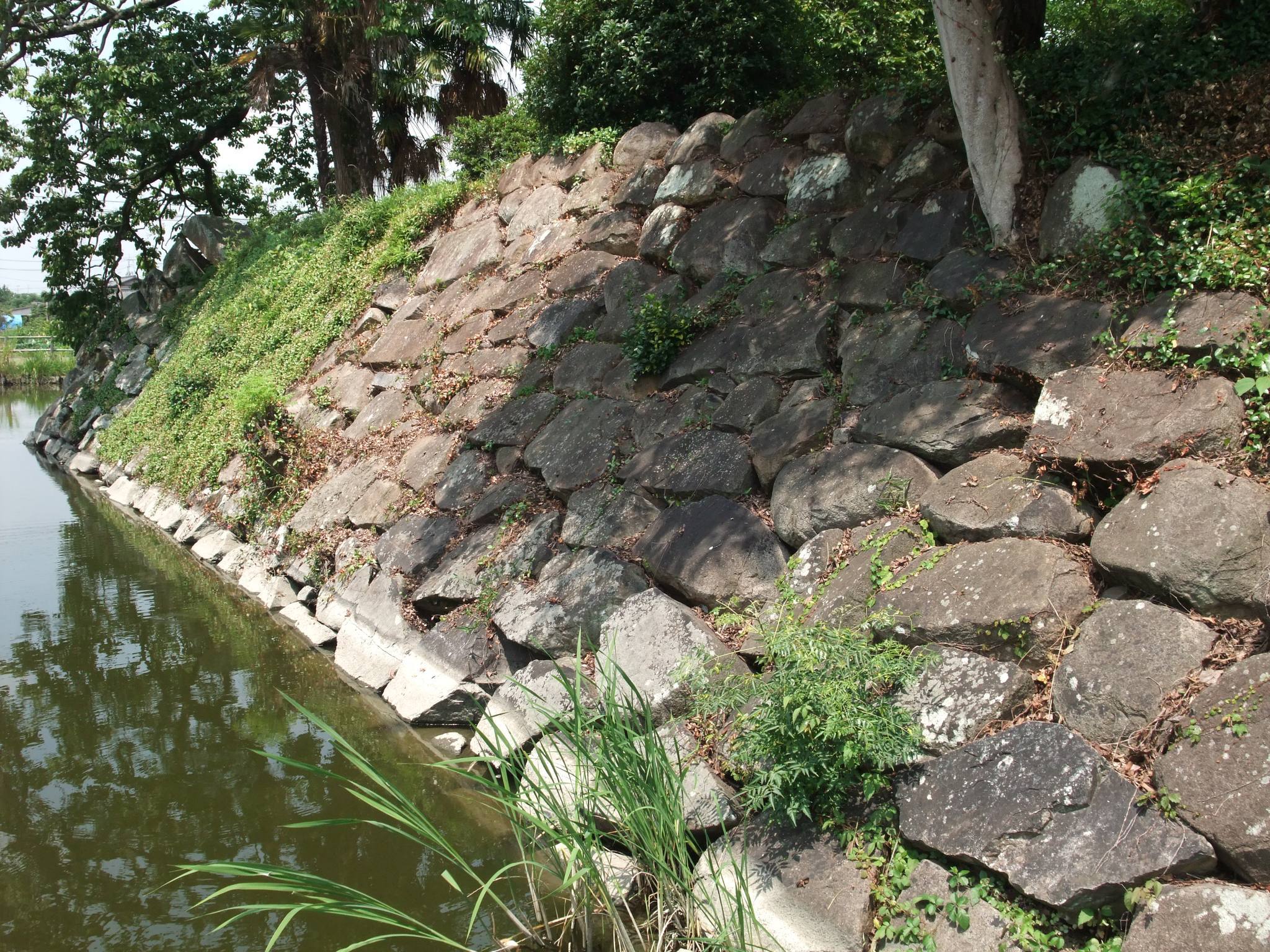
Fieldstone masonry survives along the southern and northern sides and on part of the western side. At the northwestern end, a projecting section of masonry is thought to have supported a tower platform. An earthen rampart remains in the eastern half of the site, preserving part of the defensive organization of the former castle.
Administrative gate and park
The entrance to Natsukawa Castle Ruins Park is marked by the relocated main gate of Natsukawa jin’ya. The gate preserves a physical link with the later period when the site functioned as a Togawa administrative residence rather than solely as a military stronghold. A shrine stands in the northern section of the present park.