Nové Zámky: A Renaissance Castle and Estate Seat in Czechia
Site at a Glance
- Popularity
- Medium
- Country
- Czechia
- Primary era
- Early Modern
- Eras represented
- Early Modern, Modern
- Civilizations
- Austria-Hungary, Habsburg, Holy Roman Empire, Kingdom of Bohemia
- Site type
- Domestic
- Remains
- Castle
On this page9 sections
History
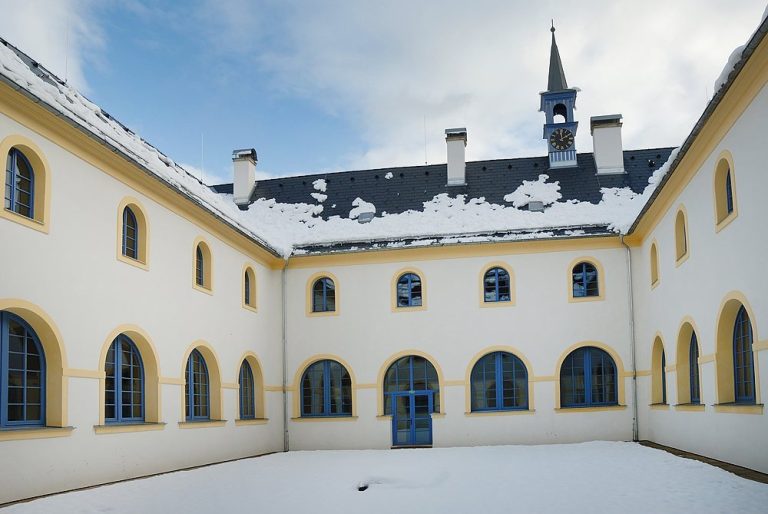
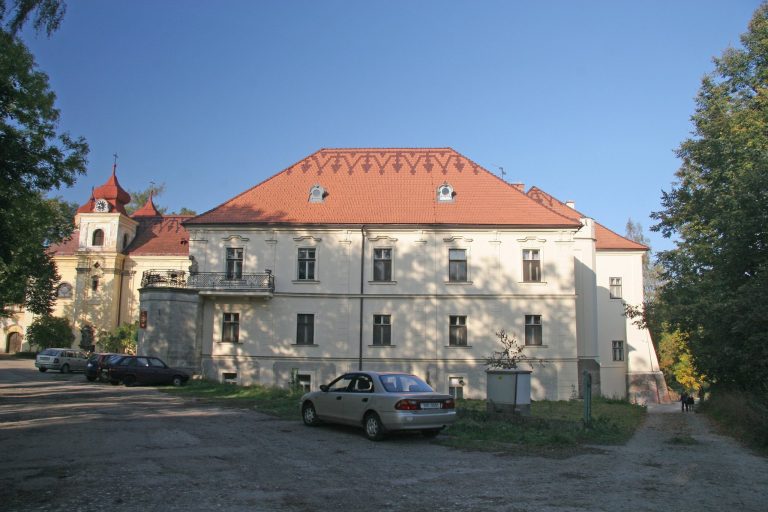
Nové Zámky is a castle in the settlement of the same name, within Dolní Olešnice, Czechia. Heinrich von Waldstein had it built between 1590 and 1608 in Renaissance style, which revived forms associated with classical antiquity, as the new seat of the Arnau estate.
The medieval hill and river crossing
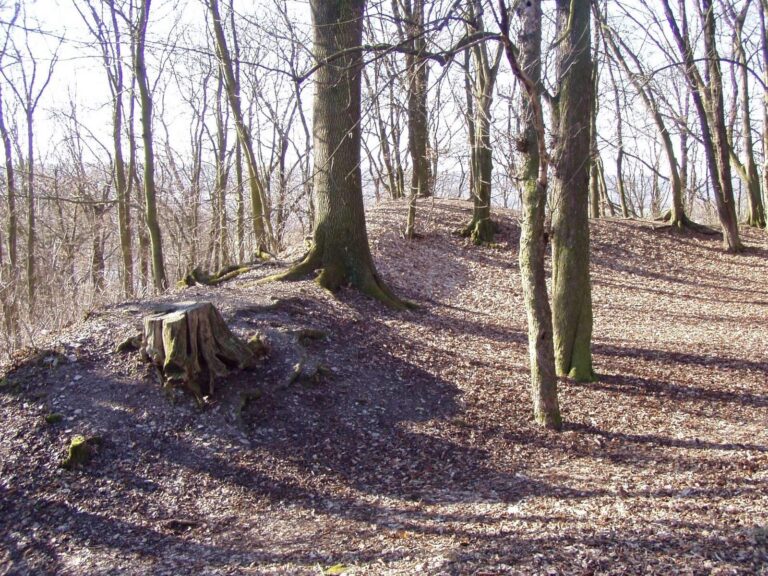
The hill, Zámecký vrch, was probably fortified during the Middle Ages because it stood beside an important crossing of the Elbe. The Silesian Road, linking Prague with Silesia by way of Mladá Boleslav, Jičín, Nová Paka, Olešnice and Trutnov, crossed the river at the hill’s northern foot.
A castle founded there in 1139 by Soběslav I, a duke of Bohemia, has been proposed. The identification is uncertain. Soběslav died in 1140 at Hostin Hradec, whose location is also disputed; possible sites include Na Hradcích near Veliny, Bradlo, Hostinné and Hradec Králové.
The Renaissance castle
The new building replaced an older fortress on the hill. Carlo Valmadi, who was active in Arnau at the time, is considered its master builder. To distinguish the castle from Arnau’s older castle, it was called Nowy Zamek in 1610 and Neu Schloß in 1611. Later spellings included Newschloß, Newschlosz and Neyschloß; Neuschloß is another German name for the castle.
Waldstein and Lamboy
After the Battle of White Mountain, a decisive 1620 engagement in the Bohemian Revolt, the castle passed to Albrecht von Waldstein in 1623. Known as Wallenstein, he was a Bohemian noble and military commander during the Thirty Years’ War, a series of conflicts in Central Europe from 1618 to 1648. In 1625 he incorporated the castle into the Duchy of Friedland, a Bohemian territory he ruled. Following his murder in 1634, the Arnau estate and castle were sold the next year to Guillaume Lamboy de Desseneur, a commander in Habsburg service. Although Lamboy is sometimes credited with building the castle, he acquired it after its construction.
Changing ownership and later use
In 1684 the property passed to Octavian Kinsky von Wchinitz and Tettau, then to his son Wenzel Norbert Octavian in 1699. The counts of Morzin held it from 1706, followed by the counts of Schlick in 1719. Maximilian, Count Lamberg, acquired the estate in 1750; it passed to Maria Anna von Schaffgotsch in 1758 and to the counts of Bolza in 1762.
After Joseph Count von Bolza’s widow put the estate up for auction, Franz Count Deym von Střítež acquired it in 1799. The estate passed in 1832 to his son, also named Franz. That son’s son commissioned a major remodeling between 1880 and 1890. The castle later served as an eye clinic until 2010. The complex is protected as a cultural monument.
Remains
The castle’s present form combines Renaissance features with Neo-Baroque elements, a later style that revived Baroque forms. It has two wings, and the addition of a south wing during the later remodeling gave the building an L-shaped plan.
Setting
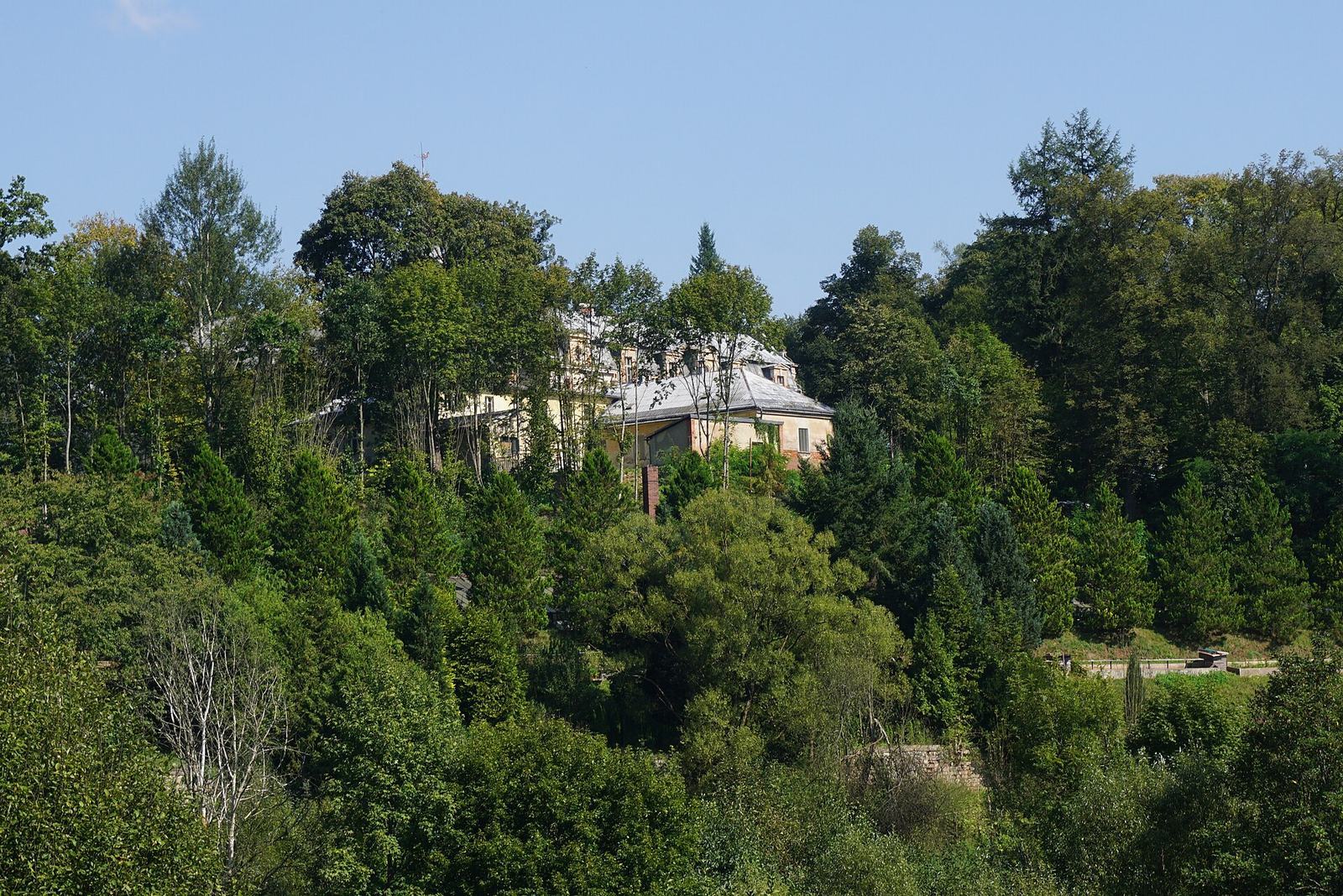
The castle stands on Zámecký vrch, a hill rising 373 metres, about three kilometres southeast of Hostinné. The hill lies at the northern edge of the Kingdom Forest in the foothills of the Krkonoše, between the Elbe valley and the valley of the Kalenský potok stream. Svatá Kateřina rises to the east at 511 metres, while Bradlo lies to the south at 519 metres.
Castle structure
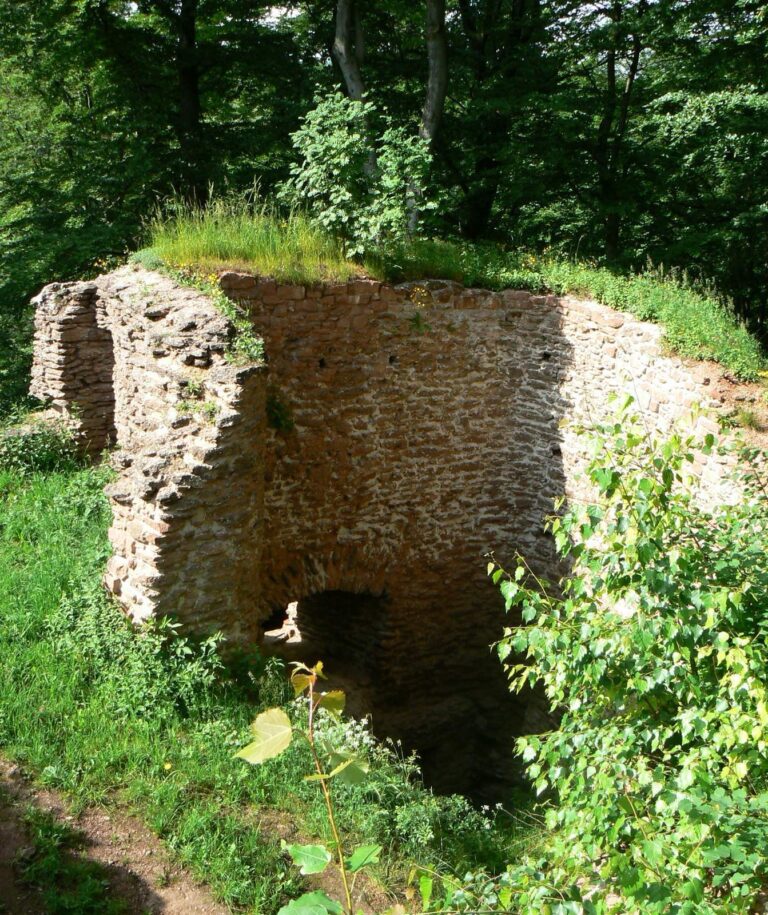
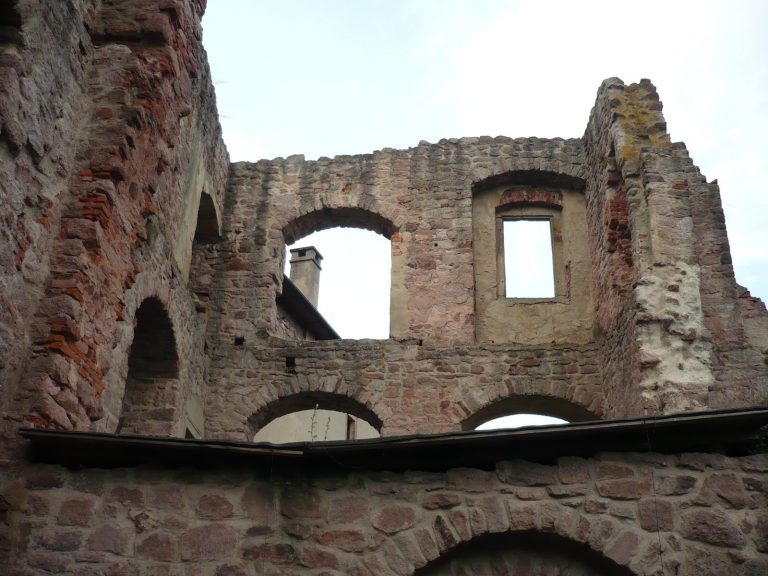
A many-sided tower marks the castle’s eastern corner. A description from 1835 gives the castle perimeter walls and a moat, along with a tower and a striking clock. Remains of the fortifications and a retaining wall, which holds back the slope, survive.
Park, chapel and sculptures
A large park occupies the north and east sides of the castle hill. The grounds also include a chapel dedicated to St John of Nepomuk, a Bohemian saint. Statues of St John and St Florian, a Christian saint traditionally associated with protection from fire, stand in the park. Johann Brokoff, a sculptor active in Central Europe, made them in the early eighteenth century.