Niš Castle: An Ottoman Fortress in Serbia
Visitor Information
Google Rating: 4.7
Popularity: High
Official Website: niskatvrdjava.rs
Country: Serbia
Civilization: Ottoman
Site type: Military
Remains: Fort
History
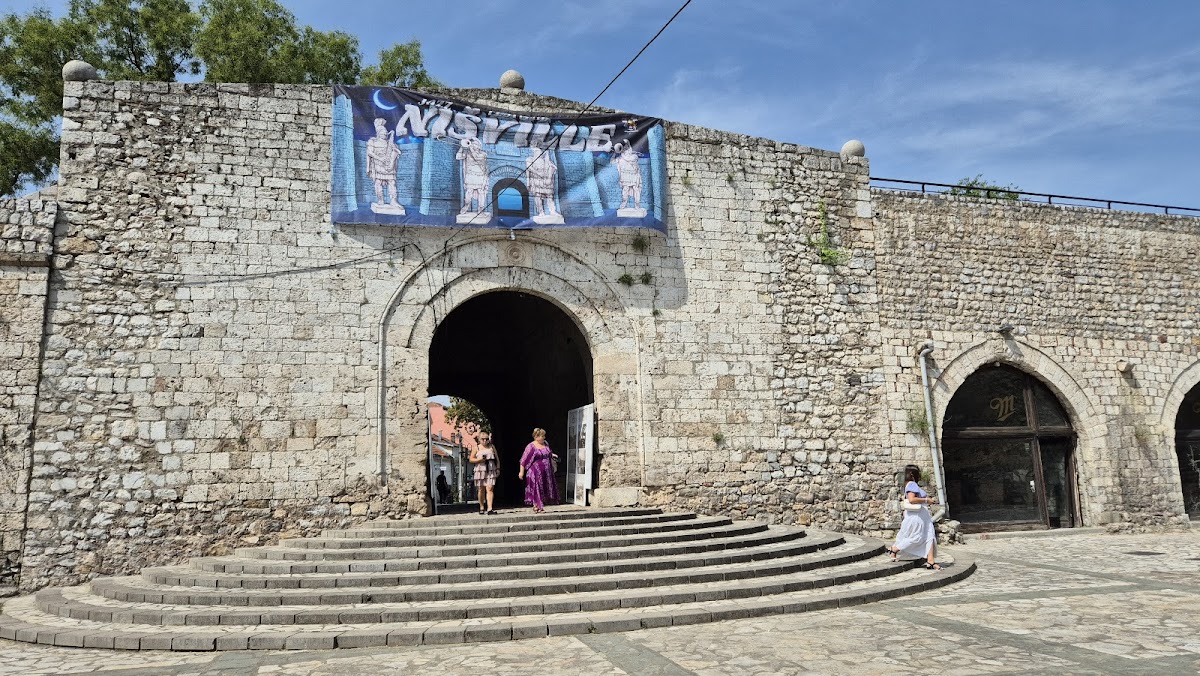
Niš Castle stands in Đuke Dinić, Niš, Serbia; the fortress visible today was erected by the Ottoman Turks in the early 18th century. The hill on which it stands has been occupied for more than two thousand years, and the Ottomans built their work upon earlier Roman, Byzantine and medieval defenses that once dominated this riverside position.
In antiquity and the Byzantine era the location functioned as a fortified point, with successive communities reinforcing the site according to their needs and military practices. During the medieval centuries local rulers and later occupants maintained and adapted those earlier walls, creating a layered defensive tradition that the Ottoman builders encountered when they undertook the major reconstruction of the early 1700s.
The present stone enceinte was raised between 1719 and 1723, producing the polygonal fortress whose layout has defined the place since then. In the 20th century the complex took on further, darker uses when Bulgarian forces held parts of the fortress during World War I and used it as a prison for Serbian patriots.
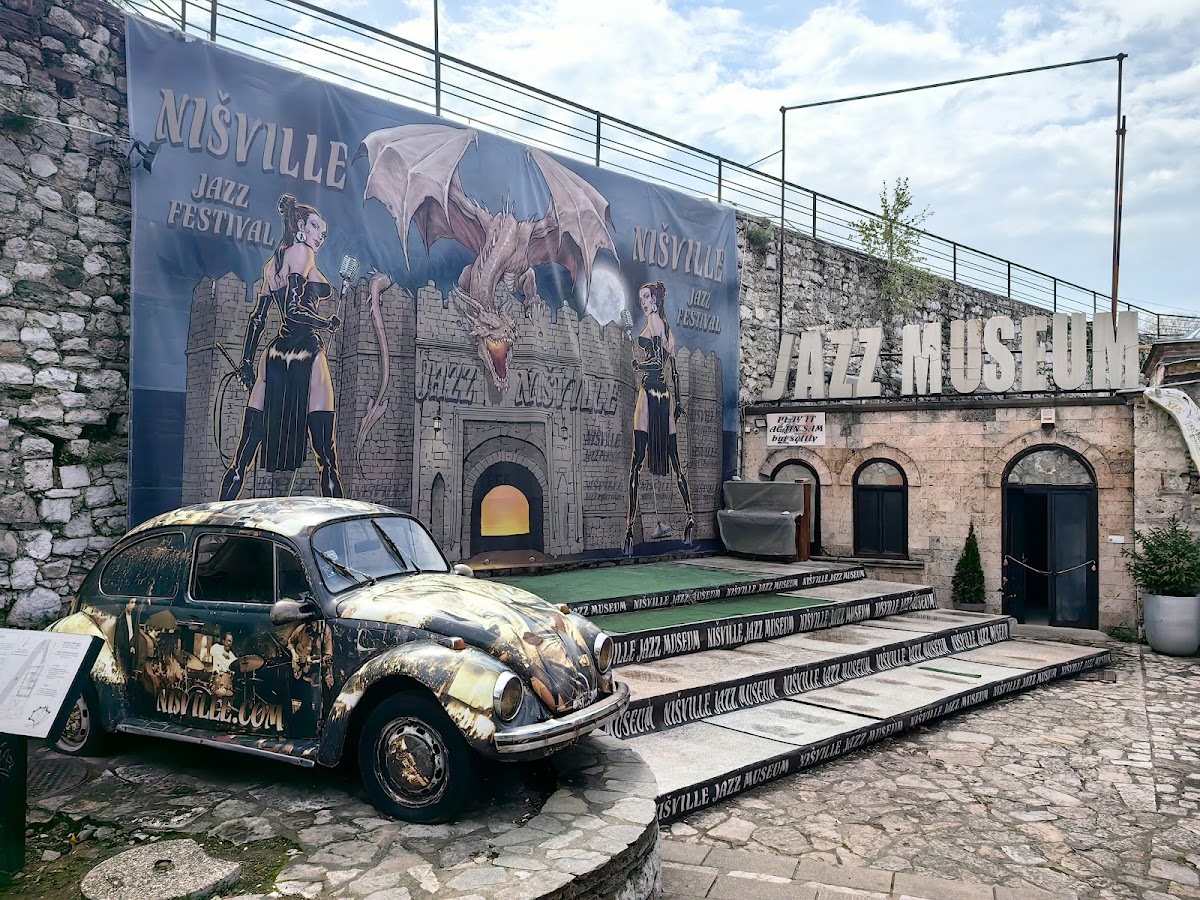
After the war and into the modern era the site received official protection as a cultural monument of high importance in May 1948. From 1966 onward the fortress also became a venue for public cultural events, reflecting its continuing role in the civic life of Niš.
Remains
The overall plan of Niš Castle covers roughly twenty-two hectares and presents a polygonal ground shape punctuated by projecting defensive platforms and four principal entrances, a form that dates to the early 18th-century Ottoman reconstruction. Rampart walls run for about 2,100 meters in total and were built using regularly cut local stone blocks, a technique that gives the faces their uniform appearance; internally these masonry faces were supported by wooden reinforcements and an added earthwork bulwark to increase stability and resist attack.
The projecting platforms are eight bastion terraces, each built to give defenders overlapping fields of fire; the bastion is a projecting element of fortification designed to cover adjacent curtain walls and gateways. The ramparts average roughly eight meters in height and measure about three meters across at their base, dimensions consistent with the fortress plan executed in 1719–1723. Stonework shows the same roughly hewn blocks throughout, and the builders employed timber members placed behind the masonry for internal support.
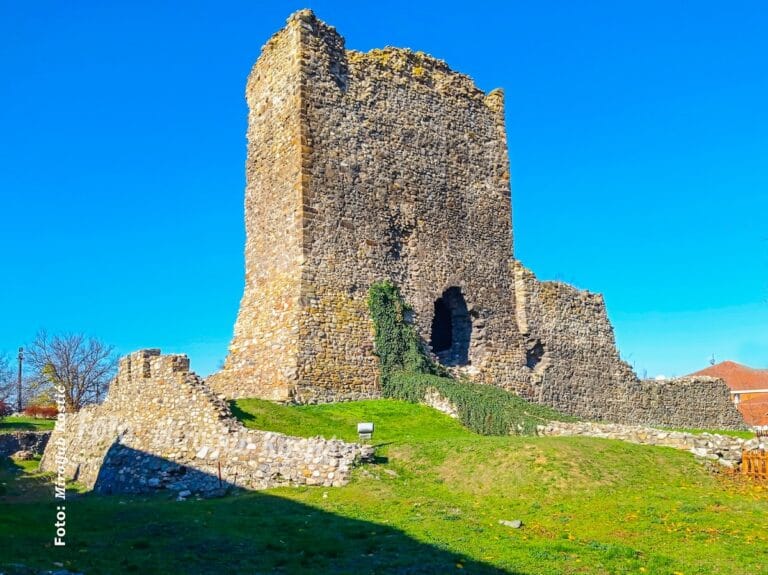
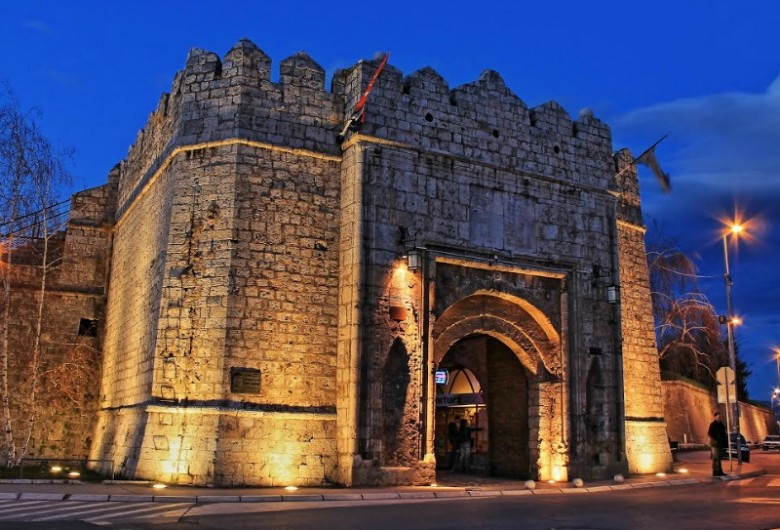
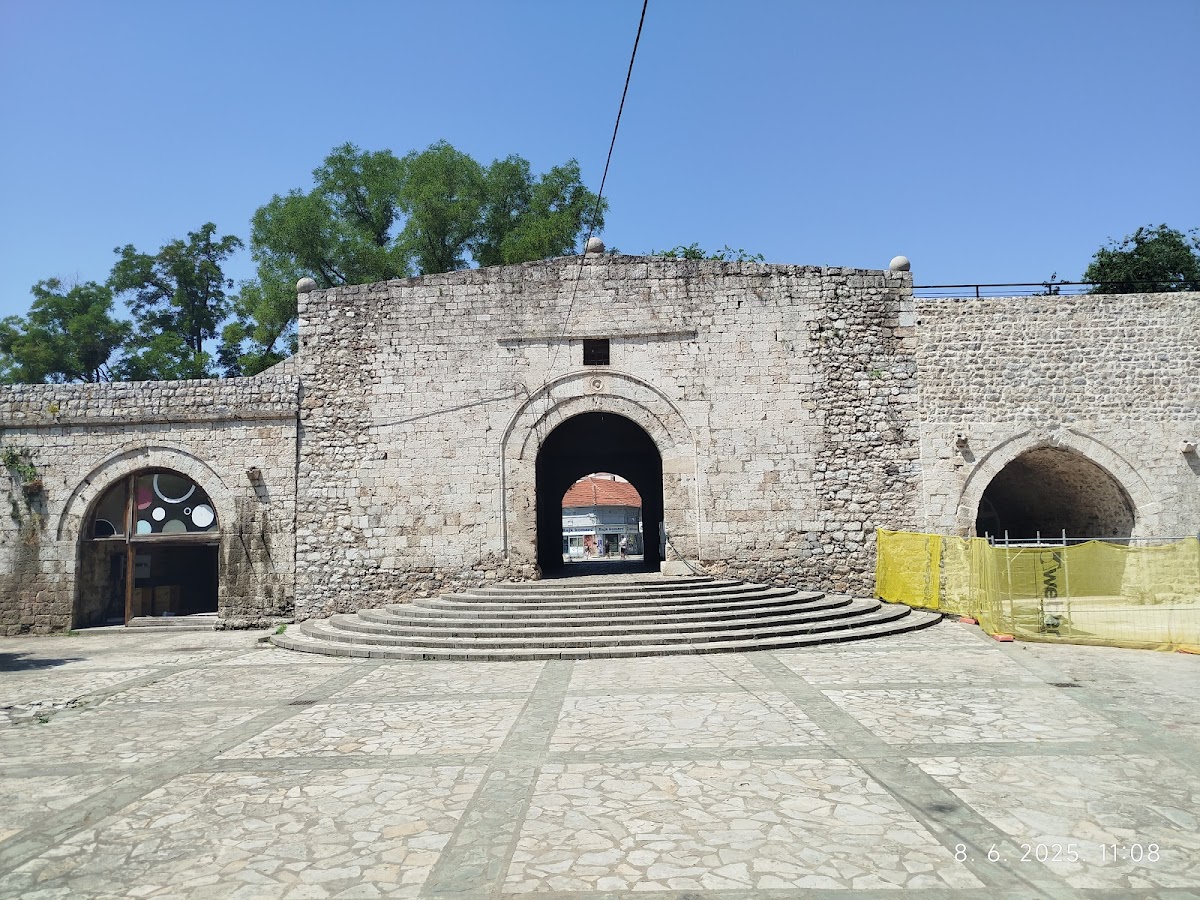
Two of the main gates survive in notably good condition: the southern Stambol Gate and the western Belgrade Gate retain clear, readable fabric from the Ottoman phase and remain prominent features of the enclosure. Water gates, designed to control access along the river side, survive in part, while the northern Vidin Gate and the south‐east Jagodina Gate exist today only as fragmentary remains, reflecting later alterations and the vicissitudes of time.
The walls were reinforced from the inside by wooden structures known locally as santrač, internal timber framing that supported the masonry, and by an additional bulwark called trpanac, a packed-earth or masonry backing that absorbed shock and stabilized the rampart. These terms refer to construction elements integral to the 18th‐century rebuilding and help explain how a relatively thin stone wall achieved the necessary strength for artillery-era defense.
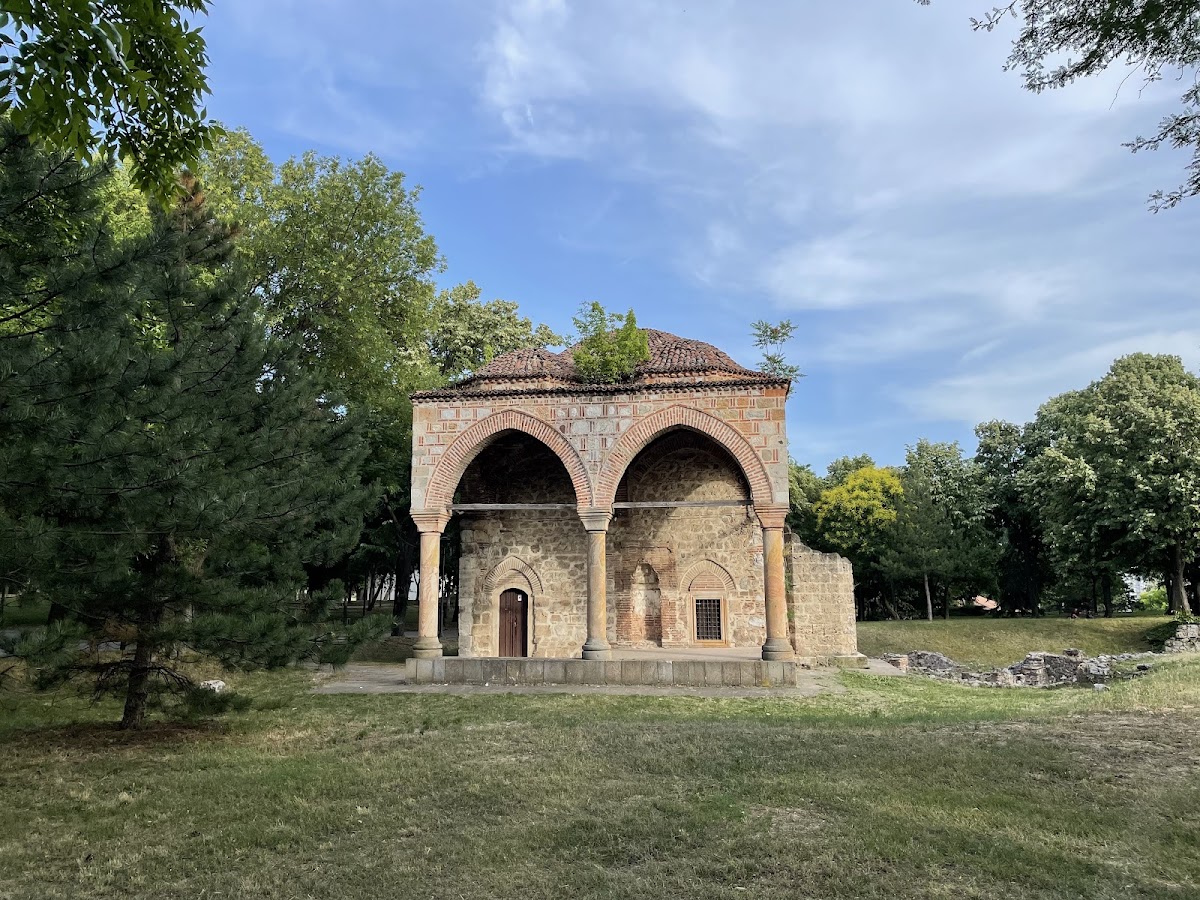
A broad moat once encircled the fortress; the northern stretch of that moat remains preserved and still shows the form and scale of the original defensive ditch. Within the enclosure later uses are visible in the surviving buildings: a weather station occupies the northeastern sector, and a western building houses historical archives, both examples of the site’s continuing adaptation to civic functions while preserving its historical fabric.