Necropolis of Campovalano: A Pretuzi Burial Ground in Italy
Site at a Glance
- Country
- Italy
- Primary era
- Iron Age
- Eras represented
- Bronze Age, Iron Age, Classical
- Civilizations
- Roman
- Site type
- Burial
- Remains
- Necropolis
On this page12 sections
History
The Necropolis of Campovalano is an ancient cemetery in Campovalano, Italy, used by the Pretuzi, an ancient Italic people. Its earliest use is placed in the 12th–10th centuries BC, during the Bronze Age.
Early burial phases
A distinct first burial phase dates to the 10th–8th centuries BC. Around 290 BC, the surrounding territory was identified as the Ager Praetutianus, meaning the land associated with the Pretuzi. In the first millennium BC, the cemetery had a monarchic form of organization, with burial mounds assigned to family groups.
Later use and abandonment
The cemetery’s heyday came in a second burial phase, dated to the 7th–5th centuries BC. A later Republican phase, from the 5th–4th centuries BC, included burials without grave goods. This era of Roman government before the emperors was followed by Hellenistic pit burials. Italic-Hellenistic tombs, combining Italic traditions with Greek-influenced culture that spread after Alexander the Great’s conquests, date broadly from the 4th–2nd centuries BC.
Burial continued into the early 2nd century BC, around the time of the Roman conquest. The cemetery was then abandoned, and the land returned to agricultural use.
Rediscovery and excavation
In 1887, archaeologist Felice Barnabei recorded Francesco Savini’s discovery of a bronze wine-pouring jug, called an oinochoe. The vessel later entered a museum collection in Teramo. In 1964, ploughing with mechanized equipment exposed burial layers and brought many finds to light. That autumn, writer and honorary necropolis inspector Giammario Sgattoni and an associate urged the farmer, Luigi Cellini, to make the finds public and place them at the disposal of the public antiquities authority.
Excavations began in 1967 under Valerio Cianfarani and continued under Vincenzo D’Ercole during the 1980s and 1990s. About 600 tombs, spanning the Bronze Age to the Roman period, have been excavated; the total is estimated at about 20,000. Finds from the cemetery were allocated for exhibition and preservation at the National Archaeological Museum of Campli and the Francesco Savini Archaeological Museum in Teramo.
Remains
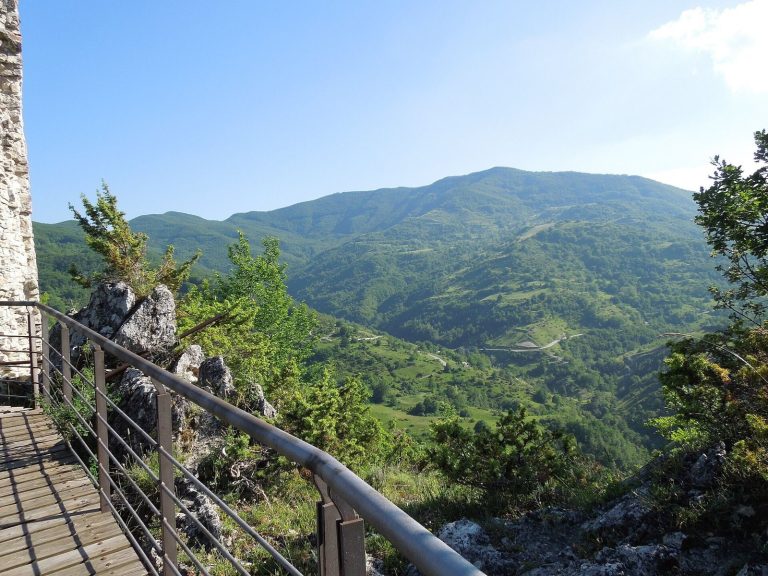
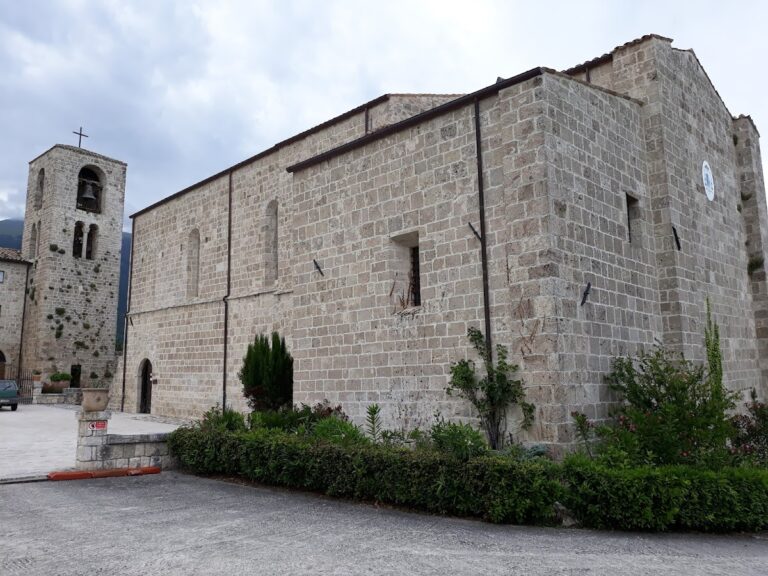
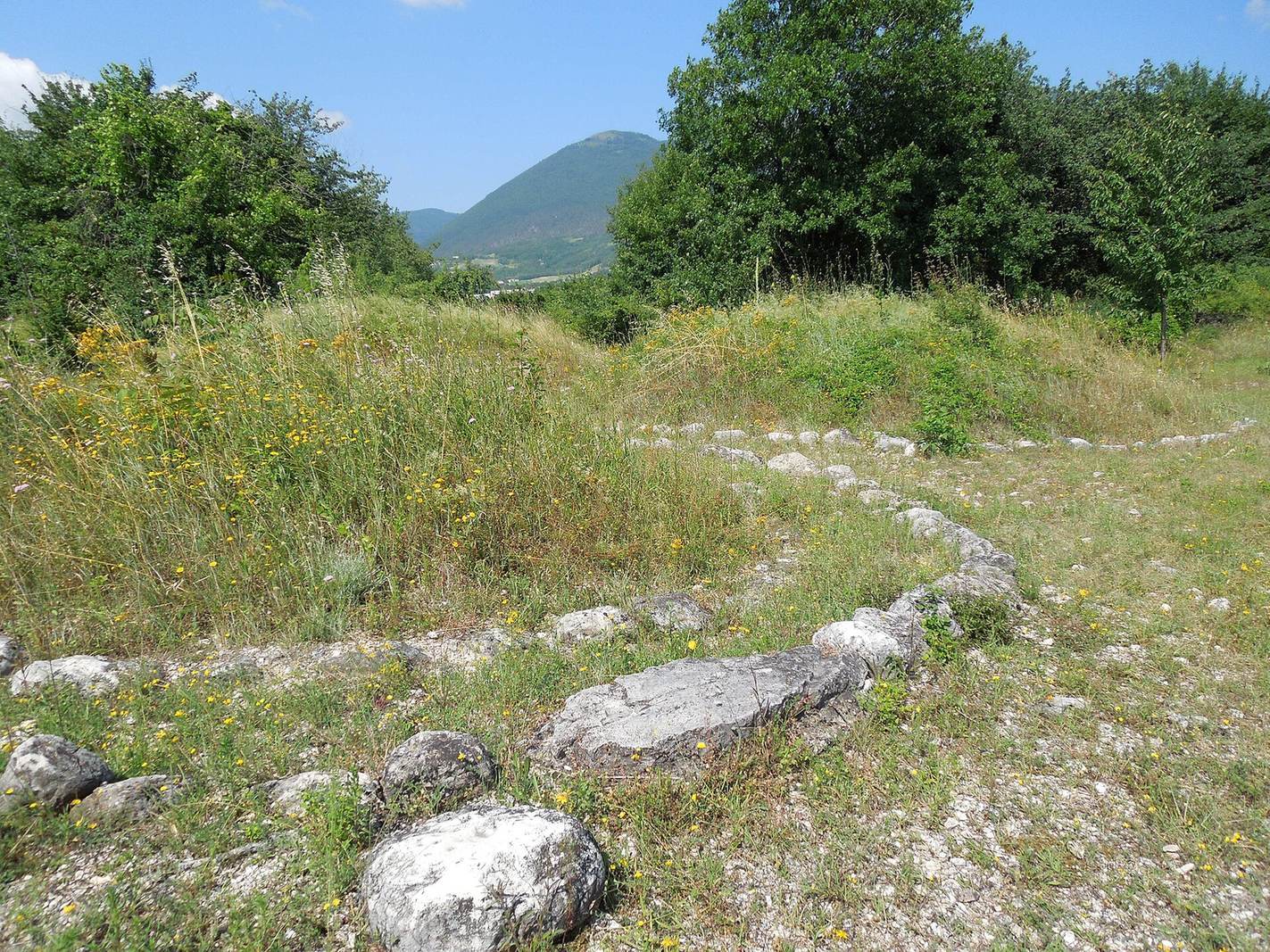
The necropolis covers about 50 hectares on a river terrace between the Misigliano stream to the north and the Fiumicino to the south. It lies between 426 and 455 metres above sea level, at the foot of the Monti Gemelli, amid hills and ditches. The area extends between the church of San Pietro and the town of Campli. The excavated area is crossed from north to south by the Via Sacra (Sacred Way), a route used for funerary rites. It had at least two paving phases, using large river stones, pebbles, breccia, a rock made of angular fragments, and brick. Ground-set limestone slabs marked the road’s edges.
Burial forms
Early pit burials
The earliest graves lie closest to the Via Sacra. These were individual burials in pits, with boards placed between the body and the covering of earth and stones. A large stone marked each grave.
Tumuli
Burial mounds, or tumuli, measuring 4–25 metres across stood on both sides of the paved road. Stone circles bounded the mounds, and one tomb had two such circles.
Grave goods
Vessels and personal objects
Grave goods include sets of bronze vessels and wheel-thrown black pottery, as well as drinking cups, small containers called pyxides, jars and jugs. Other finds include a bronze grater, an Attic kylix, a drinking cup associated with the region around Athens, swords, daggers and sand containers. Women’s graves contained bronze brooches, some with cowrie-shell pendants, along with nail and ear cleaners and tools for sewing, weaving and spinning, including needles, bobbins and spindles. They also held bullae, pendant amulets, and necklaces made of glass paste and amber. Serpentine-shaped brooches are associated with women, while quadrangular razors are associated with men.
Distinctive tomb finds
One rich burial contained bronze tableware, a chariot and horse bits decorated with molded horse foreparts. Tomb 100 yielded a lidded, corolla-shaped container. Tomb 127 contained a square ivory plaque decorated with animal figures. Other finds include a necklace made of glass paste and another with gold beads.
Reconstructions
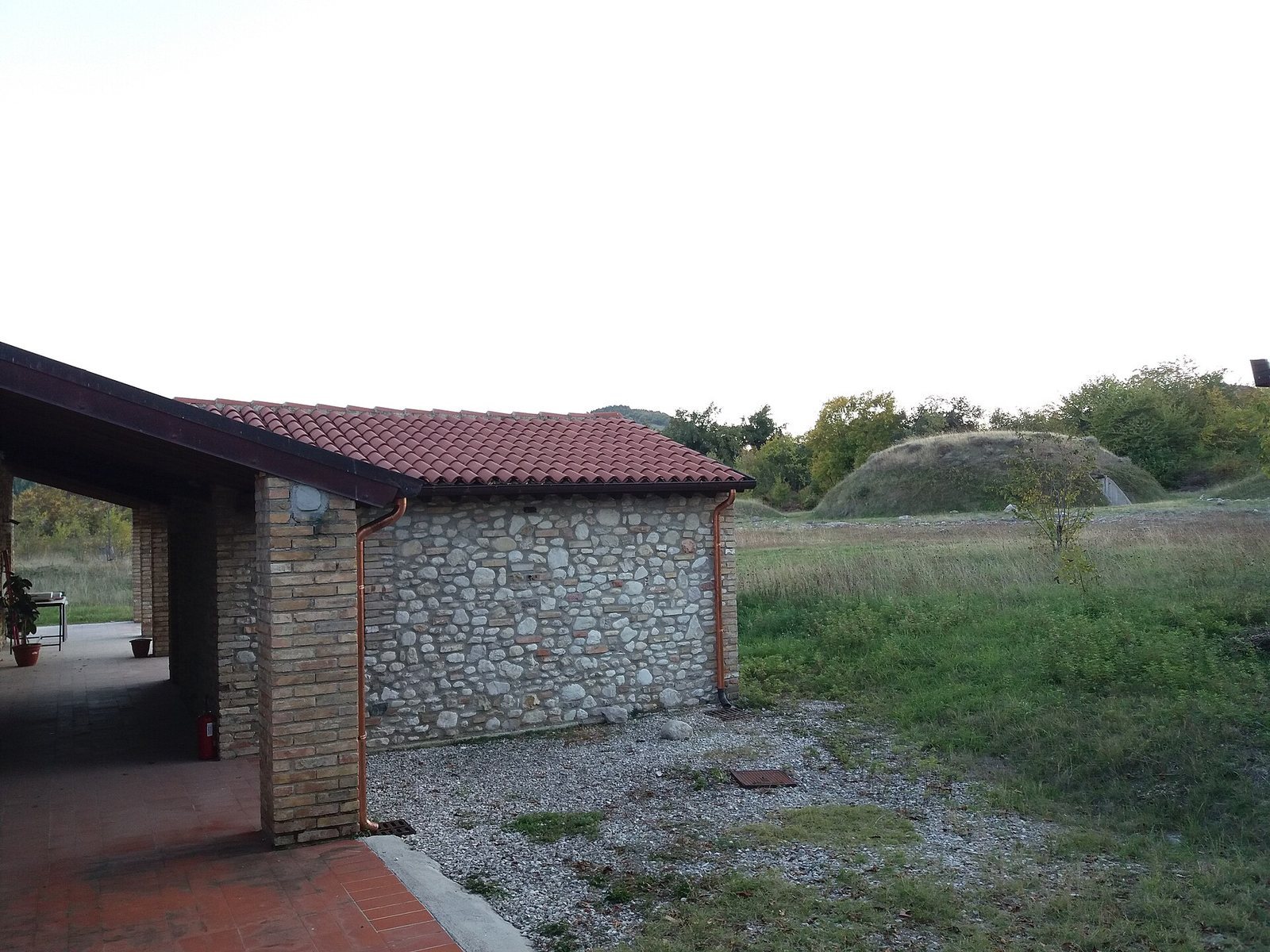
A reconstructed mound contains a multipurpose room and a replica burial chamber, and a burial chamber is also reconstructed separately. Reproductions of grave objects include small duck figures, a lidded incense burner topped with animal figures and a wine-filtering implement whose original was recovered from a tomb.