Eiguliai Hillfort: A Medieval Castle Site in Kaunas, Lithuania
Site at a Glance
- Rating
- 4.4
- Popularity
- Very Low
- Country
- Lithuania
- Primary era
- Medieval
- External website
- Open
- Eras represented
- Medieval, Modern
- Civilizations
- Grand Duchy of Lithuania
- Site type
- Military
- Remains
- Castle
On this page9 sections
History
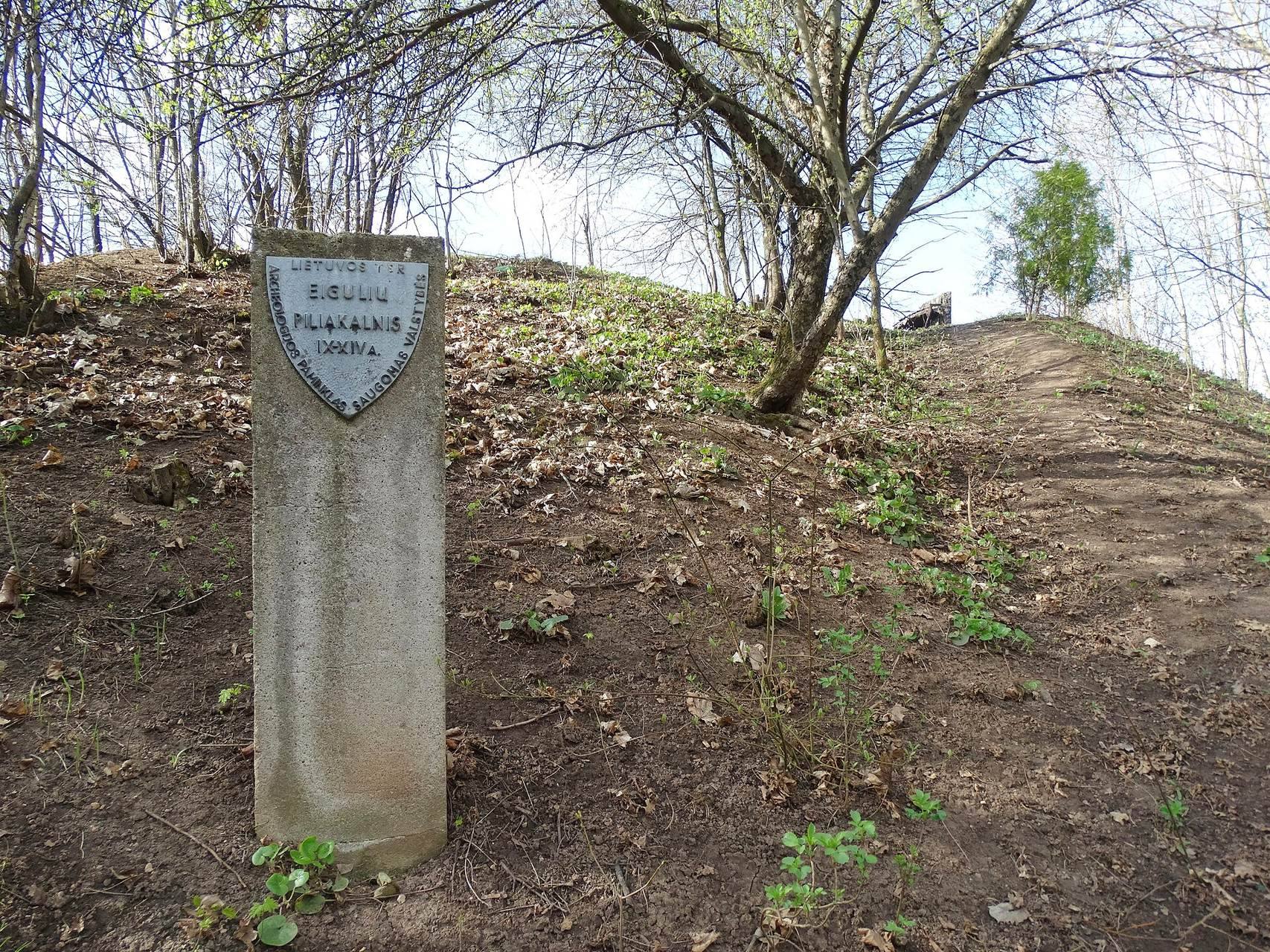
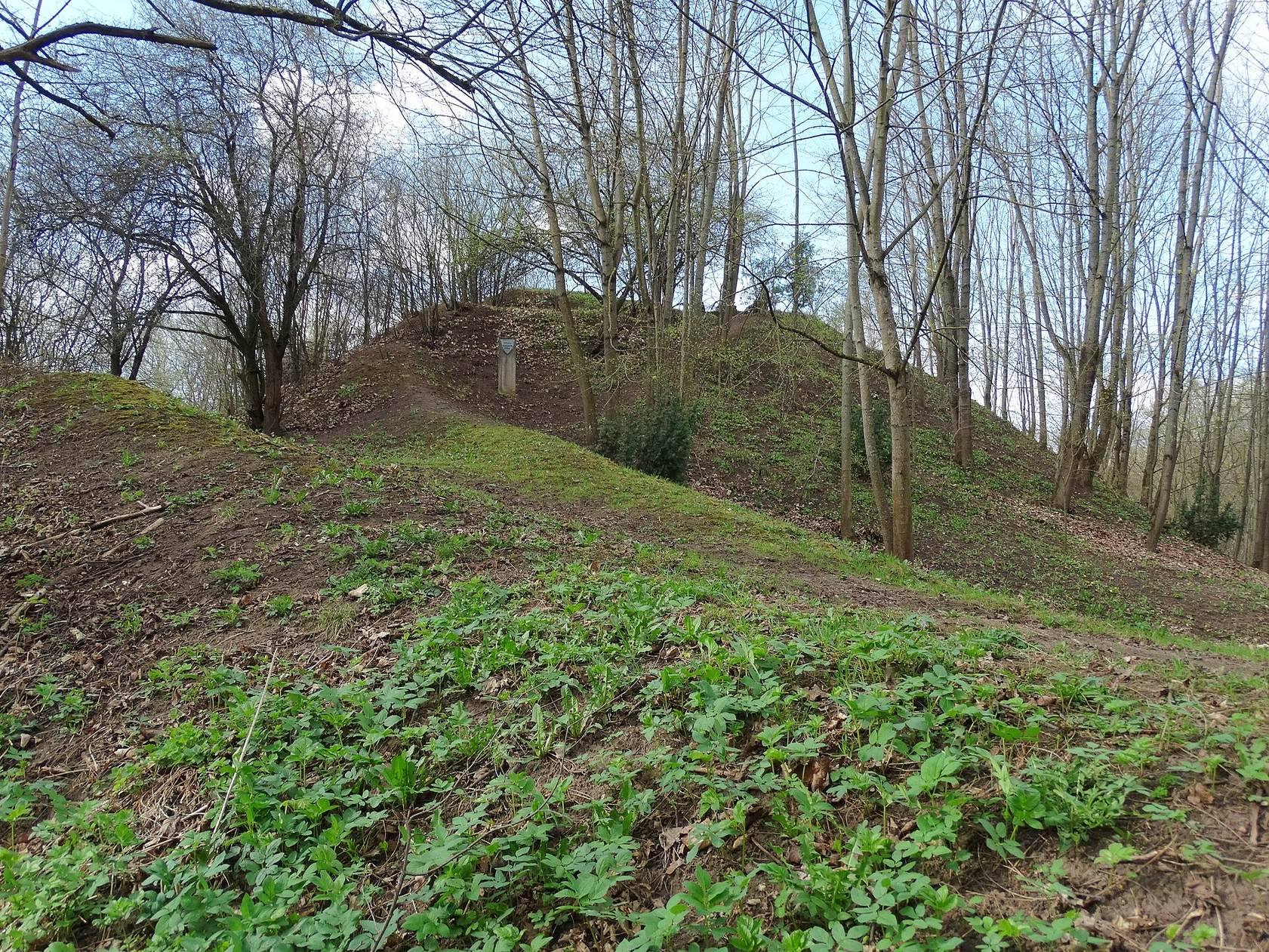
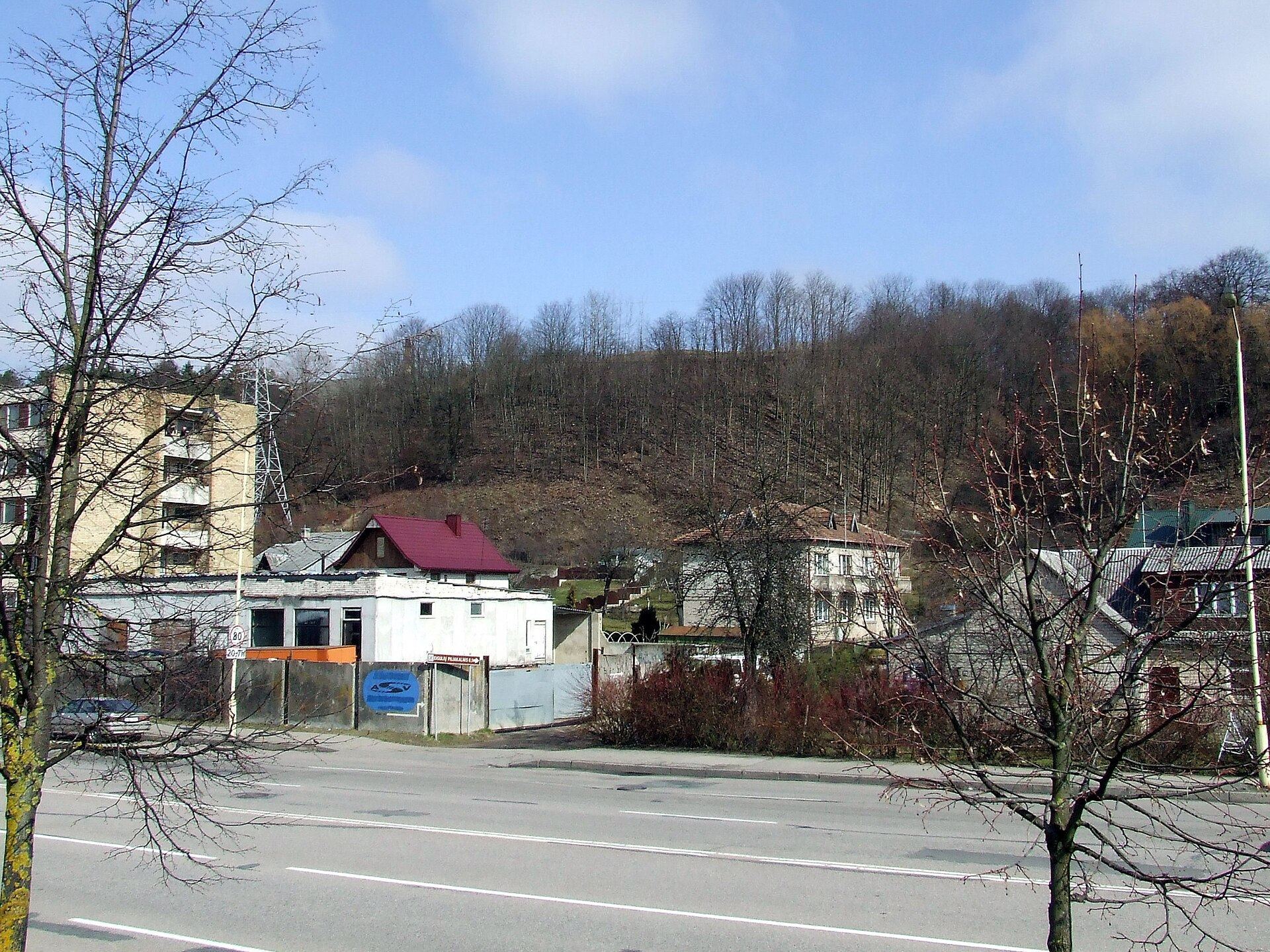
Eiguliai hillfort is a fortified archaeological site in Kaunas, Lithuania, on the left bank of the Neris. A hillfort is a stronghold or settlement built on elevated ground and strengthened with earthworks such as ramparts and ditches. Eiguliai is associated with the medieval Eiguliai Castle, which appears in written sources in 1379 under the name Egollen.
The medieval castle
Eiguliai Castle is believed to have been burned during an attack by the Teutonic Order on June 30, 1382. The hillfort forms part of a wider archaeological complex in the Eiguliai area, where traces of activity extend from the Late Paleolithic, the final phase of the Old Stone Age, through later prehistoric periods and into the medieval era.
Damage and archaeological investigations
The hillfort plateau and rampart were damaged by trench digging during the First World War and by later construction. Archaeological investigations of the hillfort took place in 1954 and 1962 through the Lithuanian Institute of History, followed by work in 1989 by archaeologists of the Scientific and Methodological Council for the Protection of Cultural Monuments.
The nearby cemetery was excavated in 1935 and in 1937–1938 by the Kaunas Cultural Museum under the direction of Jonas Puzinas. The prehistoric settlement group northeast of the cemetery was investigated by the National M. K. Čiurlionis Museum in 1948, 1952–1953, and 1957 under the direction of Rimutė Rimantienė.
Remains
Hillfort layout and defenses
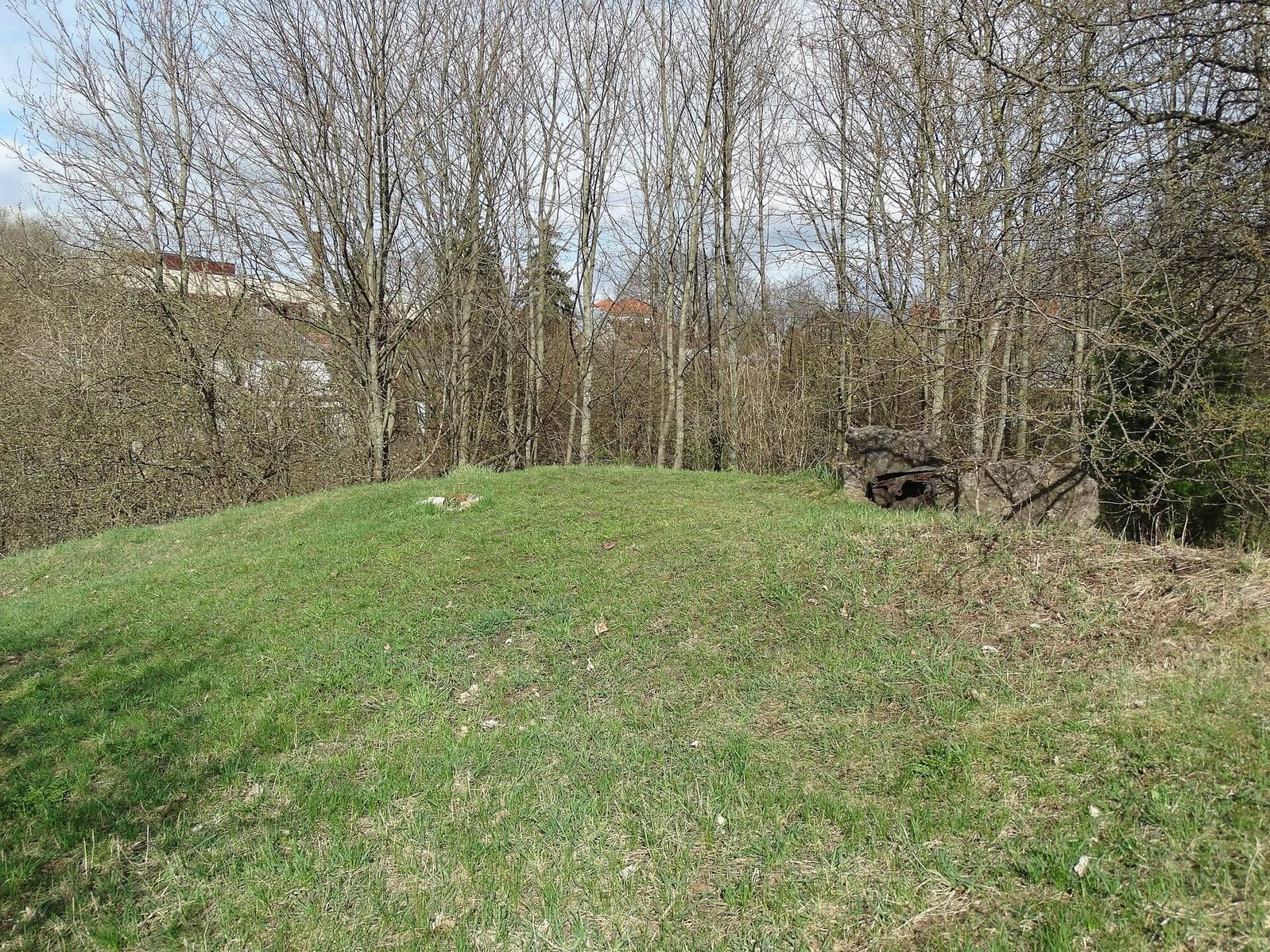
The hillfort occupies a high promontory beside the Neris in the Kaunas Clinics area. Deep hollows surround it to the south, west, and north. On the east and southeast, adjoining high ground is separated from the site by a ditch about 50 metres long. The rounded-corner plateau measures approximately 70 by 60 metres, while a rampart between 5 and 6 metres high runs along its eastern end.
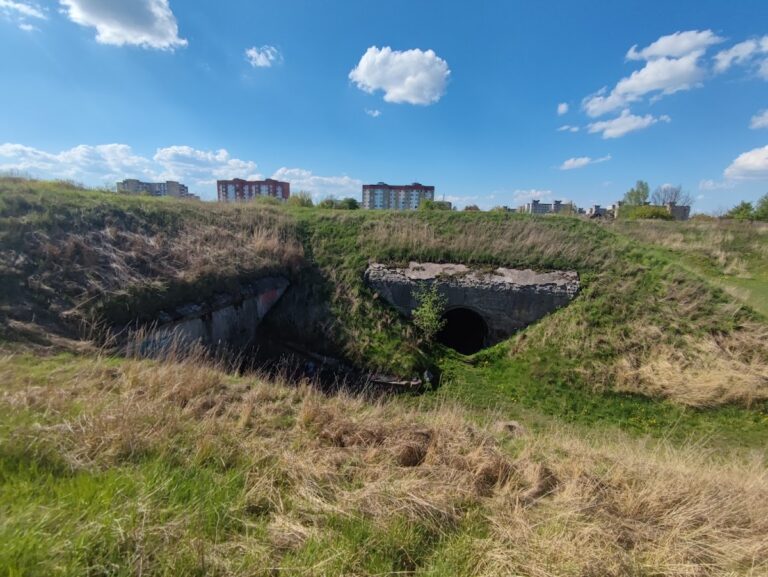
Material from the hillfort includes wheel-made pottery decorated with horizontal parallel and wavy lines, other incised pottery, fragments of burned clay daub, and an iron crossbow-bolt head. Surviving bunker remains in the southern part of the site have been vandalized. Their firing openings face the Neris, and they may have formed part of a defensive position intended to resist an attack from the west.
Cemetery remains
The cemetery near the present Eiguliai Cemetery has been disturbed, but excavations examined 47 inhumation graves and four cremation graves dating from the fourth to the seventh centuries. Inhumation means burial of the body without cremation. The inhumation graves were cut into the ground, with stones placed on the floors of some pits. Cremated remains were deposited in round pits, either gathered after the funeral pyre or placed there together with ashes.
Male burials contained iron socketed axes, spearheads, knives, brooches, and rings. Female burials included headdresses, spoon-shaped and box-shaped neck-rings, bow brooches, pins, band-ended and spiral bracelets, and many glass, enamel, and amber beads. Knives, awls, and spindle whorls also accompanied the graves.
Prehistoric settlements
Neris terrace settlements
Stone Age and Bronze Age settlement remains lie northeast of the cemetery on the Neris’s second above-floodplain terrace, a relatively level former river surface above the active floodplain. The lowest cultural layers preserve Late Paleolithic camps dating from the tenth to the ninth millennia BC. They contain hearths, Svidrian flint arrowheads, end scrapers, burins, double-ended cores, and a shale plate marked with incised lines. Svidrian describes a Late Paleolithic flint-tool tradition associated with hunter-gatherer groups in northeastern Europe.
Some higher layers belong to the Late Neolithic Rzucewo culture, an archaeological culture of the southeastern Baltic region associated in part with coastal and maritime adaptation. These layers contained 11 hearths, Corded Ware pottery, brushed pottery, and flint artifacts.
Smiltyne and the third terrace
Neolithic material also came from former settlements in the Smiltyne area beside a stream. Finds there included lanceolate and transverse arrowheads, retouched blades, flakes, and a small quantity of brushed pottery.
A third settlement group on the Neris’s third above-floodplain terrace produced narrow retouched blades and flakes. These finds are held by the Vytautas Magnus War Museum.